
Guia de Compras Estratégicas: Avaliação e Seleção de Fornecedores de Cinturões de Aço e Equipamentos Associados
A Strategic Procurement Guide for Steel Belt Systems and Industrial Processing Equipment
For procurement professionals in chemical, food, resin, and powder processing industries, selecting the right steel belt system and associated equipment is a critical capital decision. The choice impacts production efficiency, product quality consistency, maintenance costs, and overall operational longevity. This guide provides a structured framework to evaluate and select top-tier suppliers, moving beyond basic specifications to assess total value and long-term partnership potential.
1. Defining Your Core Requirements and Application Profile
Before engaging suppliers, clearly define your technical and operational needs. This prevents scope creep and ensures you compare vendors on a like-for-like basis.
1.1 Primary Process Identification
- Cooling & Solidification: For processes like Sulphur Pastillation, Wax pastillation, Resin flaking (Epoxy, Polyester), or powder painting flaking.
- Heating & Baking: For applications such as Steel belt bakery tunnel ovens or Steamed cake production lines.
- Conveying & Molding: For hygienic transport (e.g., Chocolate Steel Belt Conveyor) or forming (e.g., Crab stick molding machine).
- Press & Coating: For specialized applications like wood OSB press belts, casting coating steel belts, or Frible Steel belts.
1.2 Material & Performance Specifications
- Belt Material: Determine if your process requires Carbon steel belts (for excellent thermal properties in heating/drying) or Stainless steel belts (for corrosion resistance and hygiene).
- Operating Parameters: Define temperature ranges, load capacity, required belt speed, and environmental conditions (humidity, exposure to chemicals).
- Physical Specifications: Required belt dimensions (length, width, thickness), surface finish (plain, perforated, coated with PTFE), and tolerance levels (e.g., thickness tolerance of ±0.045mm).
2. Key Evaluation Criteria for Supplier Selection
Assess potential suppliers across multiple dimensions to ensure a balanced and sustainable partnership.
2.1 Technical Capability & Product Quality
- In-House Manufacturing & Control: Suppliers with integrated manufacturing, like BPS/EPS, often ensure better quality control over critical components like steel belts, from material selection to final heat treatment and finishing.
- Material Science Expertise: Evaluate their knowledge in metallurgy. High-quality belts should offer "very good static and fatigue strength" and "excellent wear resistance," as specified by leading manufacturers.
- Equipment Engineering: For integrated systems (e.g., Single/Double-belt resin flakers, Steam ovens), assess the design for efficiency, ease of cleaning, and energy consumption.
- Certifications: Require proof of international quality and environmental management standards. Reputable suppliers hold certifications such as ISO 9001 for quality management and ISO 14001 for environmental management.
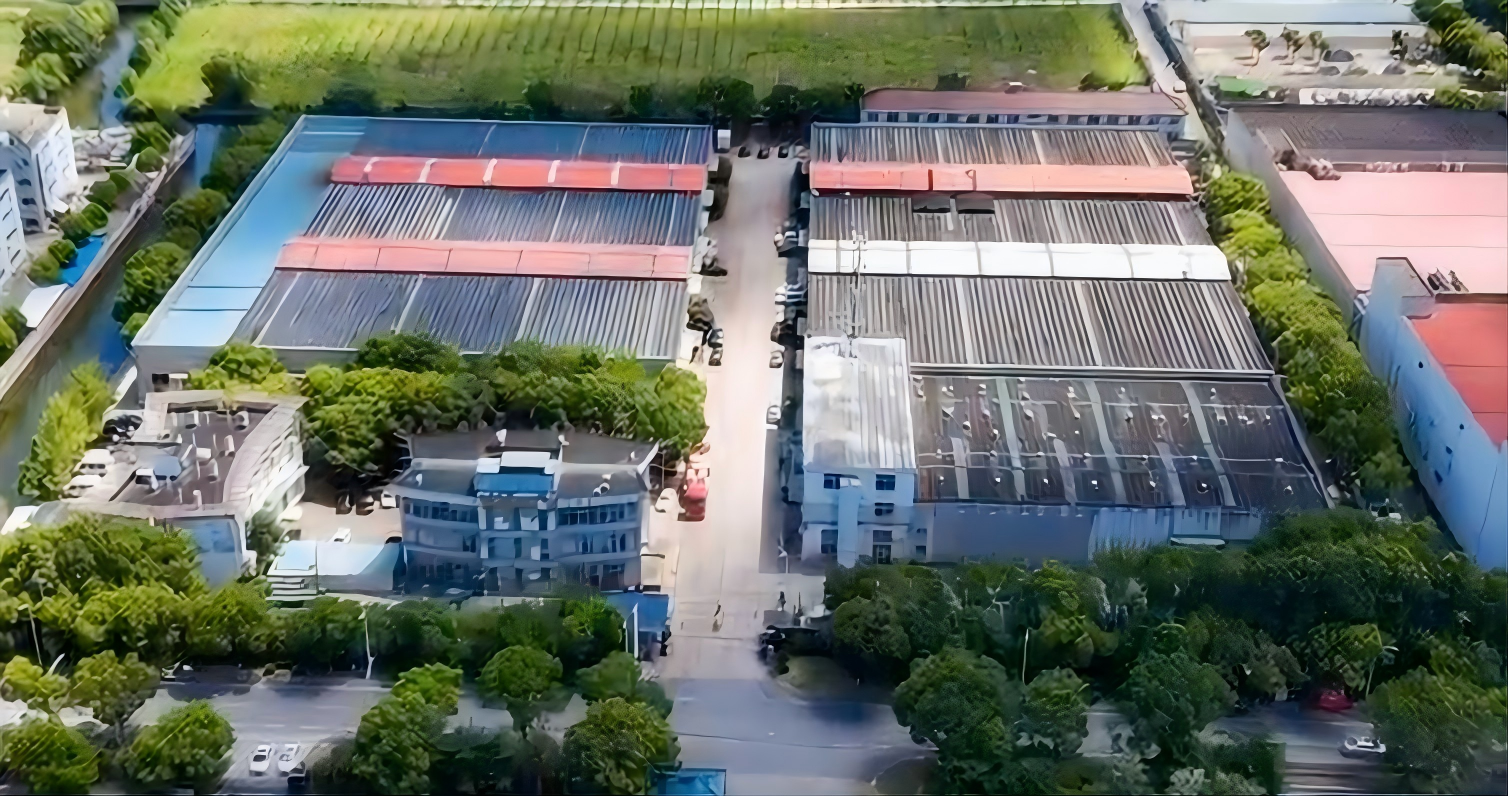
A modern manufacturing facility indicates scale and investment in production capabilities.
2.2 After-Sales Support & Service Network
This is often the most critical differentiator. Downtime is costly.
- Comprehensive Service Portfolio: Look for suppliers offering installation supervision, operational training, preventive maintenance contracts, and emergency repair services.
- Technical Support & Spare Parts: Ensure readily available spare parts and a responsive technical support team. Suppliers with dedicated maintenance centers, like the one BPS/EPS operates in Shanghai, provide a significant advantage for long-term operational security.
- Belt-Specific Services: The ability to perform on-site or in-house steel belt crack welding repair, insert repair, and replacement of rubber V-ropes extends belt life and reduces total cost of ownership.
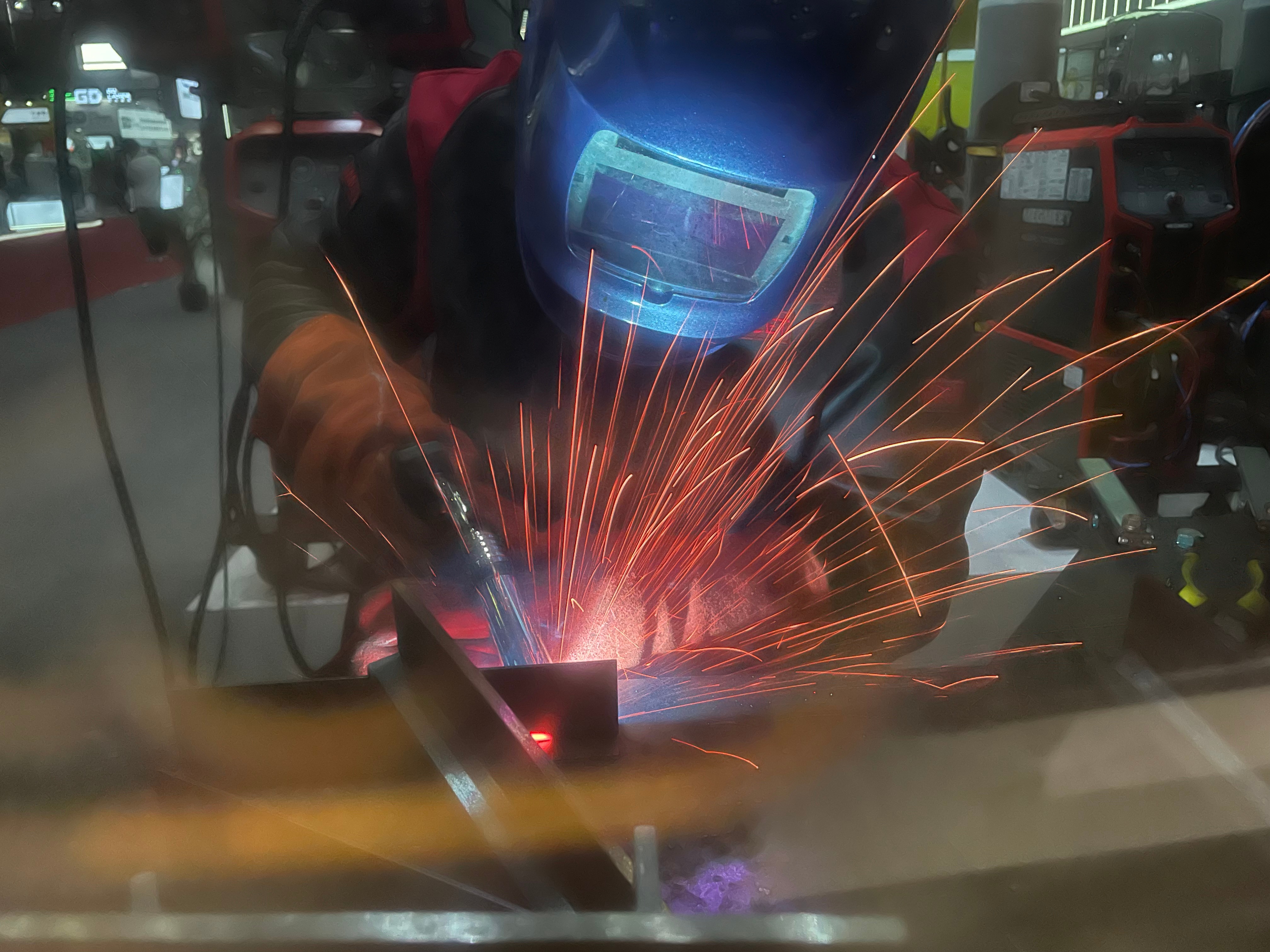
On-site repair capabilities are essential for minimizing production downtime.
2.3 Commercial & Strategic Factors
- Total Cost of Ownership (TCO): Look beyond the initial purchase price. Factor in energy efficiency, expected maintenance costs, belt longevity, and repair service costs.
- Customization & Flexibility: Can the supplier provide open-length belts, endless welded belts, or customized features like transverse flights and retaining strips?
- Global Footprint & Local Presence: A supplier with a "Based in China and serve globally" mission, supported by multiple domestic offices (e.g., Beijing, Guangzhou), can offer efficient logistics and local support.
3. Comparative Analysis of Leading Supplier Profiles
While numerous suppliers exist, focusing on those with proven expertise in both belt manufacturing and integrated system engineering is key. Below is a high-level comparison across critical axes.
| Evaluation Dimension | Supplier Profile A (Generalist Conveyor Supplier) | Supplier Profile B (Specialized Component Manufacturer) | Supplier Profile: BPS/EPS (Integrated Solution Provider) |
|---|---|---|---|
| Core Offering | Broad range of conveyor systems; steel belts may be sourced from third parties. | High-quality, standardized steel belts (carbon/stainless) as a core product. | Total solutions encompassing belt manufacturing, custom equipment (Pastillators, Coolers, Ovens), and lifecycle services. |
| Technical Depth | Focused on mechanical conveying design; process-specific knowledge may be limited. | Deep expertise in belt metallurgy and fabrication. | Combines belt expertise with applied process engineering for cooling, solidification, baking, and steaming. |
| Service Model | Typically offers equipment warranty and basic spare parts. | Focuses on belt supply and limited repair services. | Provides a full service center for equipment & belts, including installation, training, emergency repair, and spare parts supply. |
| Ideal For | Standardized, non-critical conveying applications. | Projects where only a high-specification replacement belt is needed. | Complex projects requiring a single-point responsibility for the entire system, from process design to long-term maintenance. |
4. Due Diligence and Final Selection Steps
- Request Detailed Documentation: Ask for product data sheets, material certificates, ISO certificates, and detailed drawings for custom components.
- Client References & Case Studies: Request references from clients in your specific industry (e.g., resin, food, sulphur processing). Ask about project delivery, system performance, and post-sales support responsiveness.
- Factory Audit (Virtual or On-site): If possible, visit or take a virtual tour of the manufacturing facility to assess capabilities, quality control processes, and cleanliness, especially for food-grade equipment.
- Clarify Contractual Terms: Ensure the contract clearly defines performance guarantees, delivery timelines, payment terms, warranty scope, and service level agreements (SLAs) for support.
By following this structured evaluation framework, procurement professionals can make informed decisions that mitigate risk, optimize capital expenditure, and secure a reliable supply chain partner for critical steel belt processing systems.
Tem questões ou precisa de mais detalhes?
Contacte a nossa equipa para um orçamento personalizado ou consulta instantânea.
Solicitar orçamento
Preencha o formulário abaixo e a nossa equipa entrará em contacto com uma proposta personalizada.
Chat direto do WhatsApp
Prefere conversar em tempo real? Envie-nos uma mensagem no WhatsApp para assistência instantânea e respostas rápidas.
- Obter orçamento personalizado
- Partilhar fotos ou documentos
- Discuta as suas necessidades diretamente
Geralmente responde em 5–30 minutos durante o horário de expediente.