
Guia de abastecimento estratégico para osciladores de cristal: um quadro para profissionais de aquisições
Navigating the Crystal Oscillator Market: A Procurement Professional's Guide
For procurement specialists in electronics manufacturing, selecting the right crystal oscillator supplier is a critical task that directly impacts product performance, reliability, and time-to-market. With applications spanning from consumer IoT to mission-critical automotive and communication systems, the choice involves more than just price comparison. This guide provides a structured framework to evaluate and select a high-quality crystal oscillator supplier, ensuring your sourcing decisions align with technical requirements and long-term business goals.
Key Takeaway:
Successful sourcing hinges on a holistic evaluation of technical capability, quality assurance, and supply chain resilience, not just unit cost.
Step 1: Define Your Technical & Application Requirements
Before engaging suppliers, crystallize your project's non-negotiable parameters. This forms the basis for all subsequent evaluations.
- Oscillator Type: Identify the needed technology. Is it a basic Clock Oscillator (XO), a Temperature-Compensated Crystal Oscillator (TCXO) for stability across temperature ranges, an Oven-Controlled Crystal Oscillator (OCXO) for ultra-high precision, or a Voltage-Controlled Crystal Oscillator (VCXO/VCTCXO) for frequency tuning?
- Performance Specifications: Define key parameters: Frequency, Stability (e.g., ±0.5ppm to ±50ppm), Phase Noise, Operating Temperature Range, Supply Voltage, and Current Consumption (Low power consumption oscillator).
- Form Factor & Packaging: Determine the package type, such as SMD oscillator (e.g., 4-pin SMD oscillator) or through-hole (DIP). Size constraints are often critical in compact designs.
- Output Type: Specify if a standard CMOS output suffices or if a Differential output oscillator is required for noise immunity in high-speed applications.
- Environmental & Compliance Needs: For Automotive crystal oscillator applications, AEC-Q200 qualification is essential. For all markets, RoHS and REACH compliance is standard.
Step 2: Evaluate Supplier Core Competencies
With requirements defined, assess potential partners across these four core dimensions.
1. Technical Depth and Product Portfolio Breadth
A supplier's range indicates their ability to support evolving needs. Look for a comprehensive portfolio covering Quartz crystal resonators, oscillators (XO, TCXO, OCXO, VCXO), and related components like filters. The ability to offer custom or Programmable oscillator solutions is a strong indicator of engineering capability.
Example Vendor Profile: A supplier like Fronter Electronics demonstrates this breadth, offering a full range of DIP and SMD components, including specialized series like surface acoustic wave filters, developed according to customer needs for fields like automotive electronics and microwave communications.
2. Manufacturing Capability and Quality Assurance
Request evidence of production scale and process control. Key indicators include:
- Automation Level: Automated production lines ensure consistency and scale. For instance, suppliers operating multiple automated facilities with advanced manufacturing and testing machines reduce human error.
- Quality Certifications: Beyond ISO 9001, look for product-specific compliance. Reliable suppliers provide accessible RoHS test reports for their product lines, as seen in the detailed documentation available from established manufacturers.
- Testing Infrastructure: In-house testing capabilities for parameters like stability and phase noise are crucial for guaranteeing High stability oscillator and Low phase noise oscillator performance.

Advanced automated production lines are critical for ensuring the consistency and quality of precision oscillator components.
3. Engineering Support and Value-Added Services
The best suppliers act as solution partners. Evaluate their pre-sales and post-sales support.
- R&D Collaboration: Can they provide R&D solutions or turnkey solutions? This is vital for prototyping and overcoming design challenges.
- Customer Segmentation: Do they have experience serving your business model, whether you are an OEM, ODM, or EMS provider?
- Responsiveness: Access to a professional engineering and technical team for application support is a significant advantage.
4. Supply Chain Stability and Business Continuity
In a globalized market, resilience is key.
- Vertical Integration: Control over key manufacturing processes reduces dependency on external material shortages.
- Proven Track Record: Longevity in the market (e.g., a company founded in 1991) often correlates with stable operations and refined processes.
- Logistics & Flexibility: Assess their ability to support e-commerce and flexible order fulfillment to match your production cycles.
Step 3: Conduct Due Diligence and Validation
Move from claims to verification.
- Audit Certifications: Review current RoHS, REACH, and any industry-specific certificates. Don't hesitate to request copies of test reports for the specific product family you are sourcing.
- Request Samples and Test: Perform in-house or third-party testing on samples under real-world conditions to validate performance claims for Precision oscillator specifications.
- Check References: Ask for case studies or client references in your application area (e.g., smart home, base stations, radar). A supplier trusted in demanding fields like automotive electronics or microwave communications is a strong positive signal.
- Visit Virtually or in Person: A facility tour, even virtual, of the production floor, testing labs, and big data centers used for quality control provides invaluable insight.
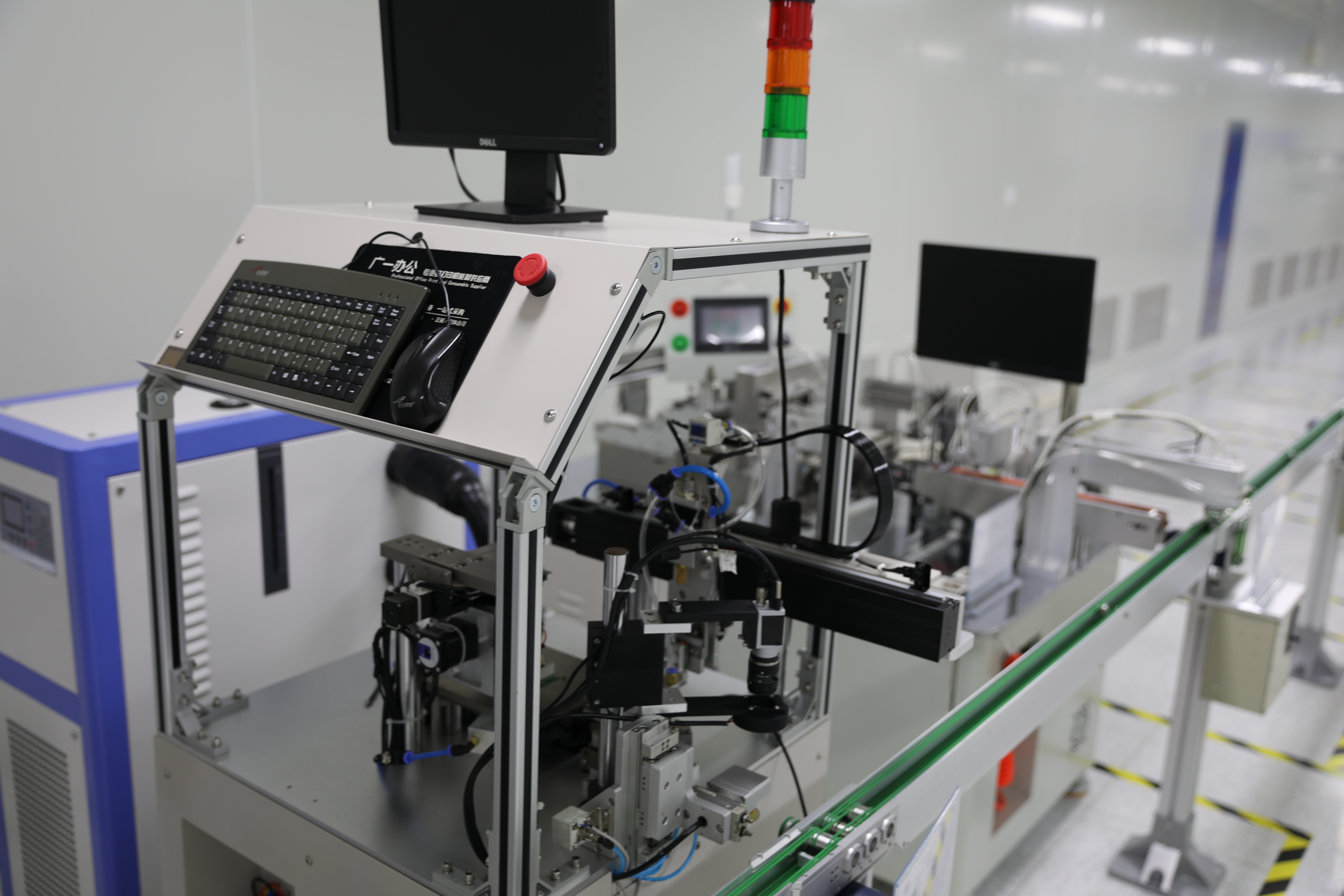
Rigorous in-house testing is non-negotiable for validating the performance of high-stability and low-phase-noise oscillators.
Step 4: Build a Partnership, Not Just a Transaction
The final step is to frame the relationship for long-term success.
- Align on Communication: Establish clear points of contact for technical support (engineering team) and commercial logistics.
- Discuss Roadmaps: Understand the supplier's R&D direction to ensure they can support your future needs for emerging technologies.
- Contract for Stability: Negotiate agreements that balance cost, quality guarantees, and supply continuity.
Conclusion: The Informed Procurement Path
Selecting a crystal oscillator supplier is a strategic decision. By systematically defining requirements, evaluating technical and manufacturing competencies, conducting thorough due diligence, and fostering a collaborative partnership, procurement professionals can significantly de-risk their supply chain. The goal is to identify a partner like Fronter Electronics, which embodies these principles through its status as a National High-Tech Enterprise, its comprehensive FT brand product portfolio, automated production, and commitment to serving diverse customer needs from IoT to automotive electronics. This methodical approach ensures the selected Quartz Oscillator or Active crystal oscillator not only meets the schematic's specs but also contributes to the product's market success and reliability.
For further information on technical specifications or to initiate a supplier evaluation, visiting a potential partner's official website, such as www.chinafronter.com, is a recommended starting point for direct engagement with their sales and engineering teams.