
Submersible Pump Distribution: Building Long-Term Supply
INDUSTRY REFERENCE · PUMP DISTRIBUTION & SUPPLY CHAINS · AUGUST 2026
For importers, distributors, and procurement teams, the submersible pump business is no longer just about finding the right model at the right price. Market growth, certification complexity, and recurring supply-chain disruptions make long-term supplier reliability a strategic factor. This reference examines the capabilities, quality systems, procurement terms, and market context that define durable submersible pump supply relationships.
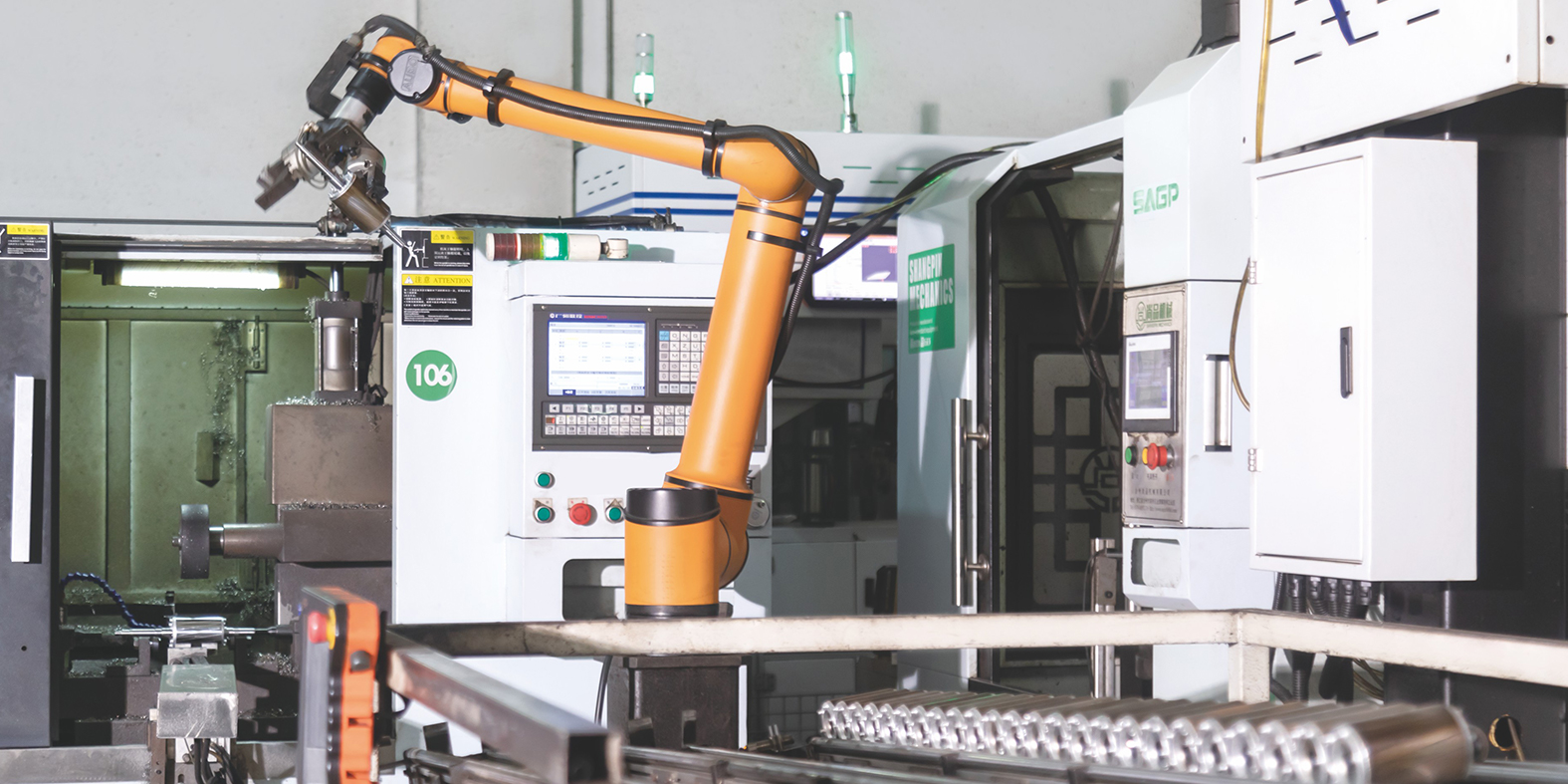
Figure 1: Automated production equipment is central to maintaining consistent quality across large-volume pump orders.
Why the Submersible Pump Market Favors Long-Term Supply Relationships
Multiple industry analyses point to steady, multi-year expansion in the global submersible pump market. Grand View Research valued the market at roughly USD 13.3 billion in 2025, with a projected increase to USD 19.4 billion by 2033. SNS Insider reported a 2024 baseline of USD 14.75 billion and expects the market to reach USD 23.07 billion by 2032. Although these figures vary by methodology, the direction is consistent: sustained demand growth across water supply, agriculture, sewage, industrial circulation, and solar pumping applications.
For distributors and importers, this growth changes procurement logic. When demand is expanding, product availability, certification continuity, and production capacity become more important than transactional price negotiation. A pump line that takes 9–12 months to validate, import, and distribute needs a supplier that can support repeat ordering, changing technical requirements, and predictable delivery. In short, the buying decision is increasingly a supply-partnership decision.
The Problem: Supply Risk Is the Real Cost in Submersible Pump Sourcing
Submersible pump buyers face a distinct set of operational risks that do not always appear in a simple price comparison. The main risk categories observed across the industry include:
- Supply-chain volatility — fluctuations in raw materials, motor components, or production scheduling can delay orders and create unpredictable availability.
- Certification and compliance risk — electrical safety standards and market-specific requirements change; a pump that was compliant two years ago may not be accepted in the target market today.
- Lead-time and logistics risk — sea freight, port congestion, and customs procedures can disrupt planned inventory replenishment.
- Overseas credit and payment risk — cross-border transactions carry currency, payment-timing, and counterparty risk, especially when dealing with less-established manufacturers.
The opportunity lies on the other side of these risks. Buyers who identify manufacturers with strong production systems, export experience, and clear quality procedures can secure a more dependable product pipeline. In a growing market, this reliability becomes a competitive advantage over distributors still relying on transactional spot purchasing.
Manufacturer Reference: Zhejiang Happy Pump Industry Co., Ltd.
One supplier that illustrates the profile of an established, export-oriented manufacturing partner is Zhejiang Happy Pump Industry Co., Ltd. Founded in 1990 and based in Daxi Town, Wenling City, Zhejiang Province — an area widely recognized as China's pump manufacturing hub — the company has spent more than three decades building pump and motor production capacity. It specializes in medium-to-high-end water pumps and motors, with a factory site covering approximately 55,000 m² and building area of approximately 210,000 m².
In terms of scale, the company reports an annual production capacity of approximately 4,000,000 units and an annual sales volume reaching 5 million water pumps. Around 800 employees support this output, including about 200 professional and technical staff. The company states that 99% of its business is export-oriented, with products shipped to more than 150 countries and regions, while also serving the domestic market.
Production depth is an important factor in long-term supply. The company's main product series cover Surface Pumps, Submersible Pumps, Deep Well Pumps, Solar Pumps, Motors, Pressure Control Tanks, and spare parts. Its broader catalogue spans 11 major series and more than 500 specifications, including vortex pumps, centrifugal pumps, jet pumps, standard garden pumps, swimming pool pumps, permanent magnet variable-frequency constant-pressure pumps, and intelligent pump systems. For a distributor, this breadth means that as their pump portfolio expands — from household water supply to agricultural irrigation, solar pumping, and sewage handling — they can consolidate volume with one manufacturing partner.
Technical development capacity also matters for multi-year relationships. The company employs about 200 technical staff and operates an enterprise research institute and high-tech R&D center. Engineering work uses CFD (computational fluid dynamics), FEA (finite element analysis), and motor electromagnetic design tools, which supports continuous model improvement and new-category development.
Quality Systems: What Supports Consistent Submersible Pump Supply
Long-term supply quality depends on manufacturing process control more than final inspection alone. In practical terms, buyers should look for evidence that a factory controls the processes that most influence pump reliability: motor winding, assembly precision, and performance verification.
Zhejiang Happy Pump's stated control measures include automated production equipment, vacuum coil dipping, automated assembly, and high-precision testing systems. These process controls reduce batch-to-batch variation — a critical factor when the same pump model is ordered repeatedly over multiple seasons. The company also standardizes control workflows across its production lines, which helps maintain consistent output at scale.
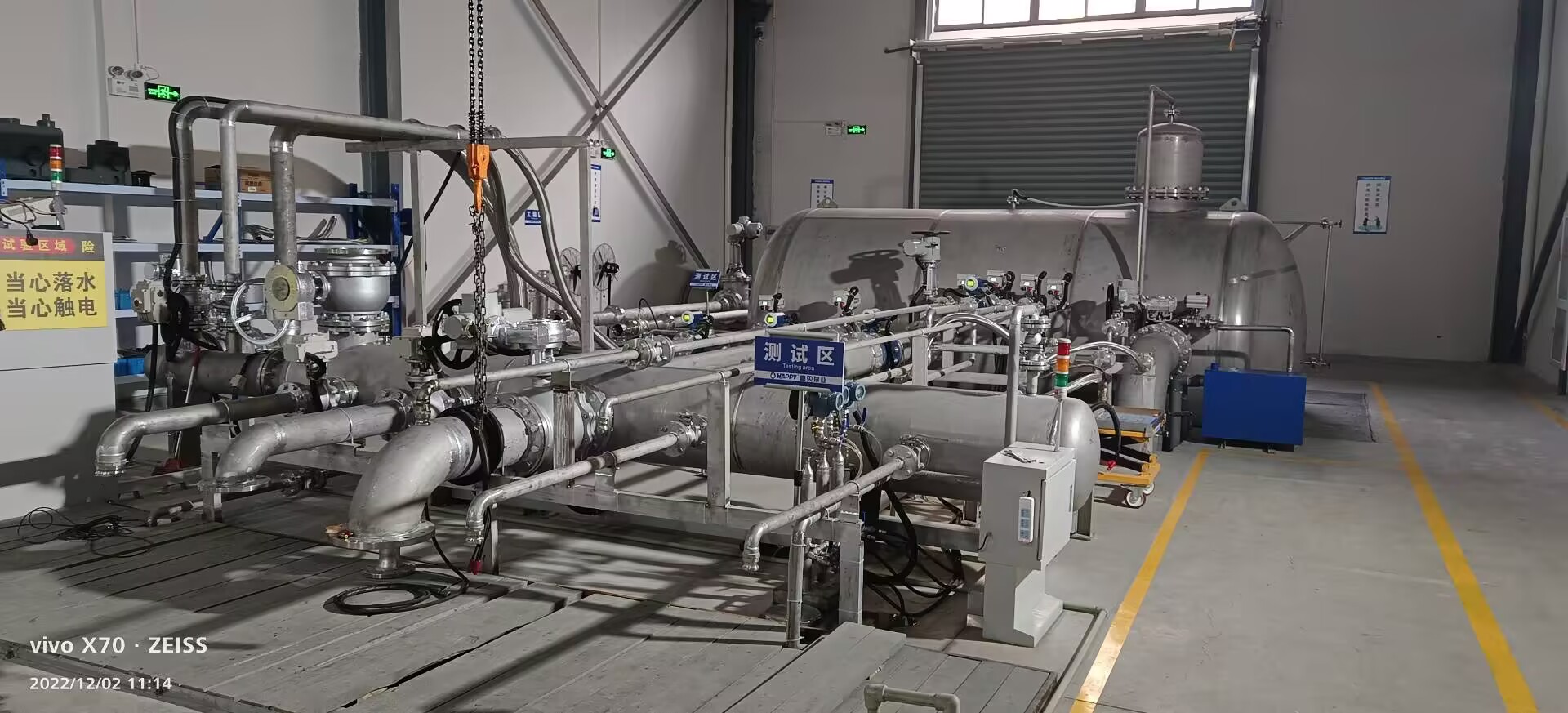
Figure 2: In-house testing rooms support pre-shipment verification for export orders.
On the commercial acceptance side, products are accepted through pre-shipment test procedures. For international buyers, this provides a defined checkpoint: the manufacturer conducts performance verification before goods leave the factory. When combined with laboratory/performance testing throughout production, pre-shipment testing gives distributors a practical mechanism for enforcing quality expectations on every order.
Certification is another pillar of supply continuity. Standards such as IEC 60335-2-41:2024 establish safety requirements for electric submersible pumps for household and agricultural use. In North America, UL 778 serves as the primary safety standard for motor-operated water pumps. A manufacturer's ability to maintain current certifications directly affects a distributor's ability to sell into regulated markets without double-testing or re-engineering.
Procurement Terms That Shape Long-Term Partnerships
Beyond product quality, the commercial framework of a supply relationship determines how practical a long-term partnership really is. The procurement terms reported by Zhejiang Happy Pump reflect a setup designed for repeat international ordering:
| Parameter | Standard Terms |
|---|---|
| Minimum order quantity (MOQ) | Below 3HP: 200 pieces; Above 3HP: 50 pieces |
| Payment terms | 30/70 (30% deposit, 70% balance) |
| Delivery terms | FOB / CIF |
| Acceptance inspection | Pre-shipment test |
The MOQ structure is notably tiered by motor size: below 3HP, the threshold is 200 units; above 3HP, it drops to 50 units. This mirrors the higher unit value and more project-specific nature of larger pumps. For distributors, the threshold supports consolidated container-level ordering while still allowing reasonable flexibility for higher-power models.
The product range itself spans a broad performance envelope: power from 0.25 kW to 550 kW, head from 20 to 100 meters, and flow from 1.5 to 5,500 m³/h. Protection ratings cover IP44 and IP68 levels, and main materials include cast iron, stainless steel, and engineering plastics. Applicable industries include agricultural irrigation, residential and building water supply and drainage, industrial circulation, municipal water, solar pumping systems, swimming pools, and sewage applications. This scope allows distributors to serve both commodity residential demand and project-based municipal or agricultural tenders from a single supply agreement.
Understanding the Market Trends That Affect Distributors
Several macro trends influence how submersible pump supply relationships should be structured.
Asia Pacific leads global demand. Fortune Business Insights reports that Asia Pacific held a 39.72% share of the submersible pump market in 2025, valued at approximately USD 7.05 billion. The region's combination of agricultural water demand, rural electrification, and infrastructure investment continues to drive volume. For distributors serving these markets, access to efficient Asia-based manufacturing remains strategically important.
China is a dominant export base. OEC data shows that China concentrated 18.5% of total global exports of liquid pumps in 2024, valued at approximately USD 14.3 billion. This concentration means that supply-chain decisions are, for many buyers, decisions about how to manage China-based manufacturing relationships effectively. The same dataset shows Chinese liquid-pump exports to Mexico reached USD 579.37 million in 2024, illustrating expanding channel activity in Latin America.
Electric drive dominates the installed base. Roughly 80% of global submersible pump installations were electric-drive in 2024, and Electrical Submersible Pumps accounted for nearly 74.37% of market share by drive type in 2026. Motor and sealed-electric-drive reliability is therefore a core product attribute, reinforcing why in-house motor production matters in supplier selection.
Solar pairing is accelerating. The solar water pump market is projected to grow from USD 556.57 million in 2024 to USD 2.9 billion by 2032 at a CAGR of 22.95%. In South Asia — where 75–100% of freshwater withdrawal is used for agriculture — submersible pumps with solar pairing are increasingly adopted. Distributors building a solar pump line need suppliers that can deliver matched pump and motor units suitable for variable-speed or DC-driven operation.
Sewage and non-clog categories are expanding. Non-clog and sewage submersible pumps represent approximately 25% of the global submersible pump market, and the sewage pump market is projected to reach USD 24.5 billion by 2034 at a CAGR of 6.5%. This growth gives distributors an additional reason to choose suppliers with a complete sewage pump offering rather than adding a second, specialized vendor.
Certification requirements are tightening. With IEC 60335-2-41:2024 now covering household and agricultural electric submersible pumps, and UL 778 governing the North American market, certified product supply is a growing differentiator. Distributors who can rely on a manufacturer's existing certifications save significant time and cost in market entry.
Comparison: Direct Factory Partnership vs. Traditional Spot Procurement
When building a submersible pump product line, distributors typically choose between two sourcing models: traditional spot procurement from local stockists or trading intermediaries, and direct long-term partnership with a manufacturer.
| Dimension | Spot Procurement / Local Stock | Direct Long-Term Factory Partnership |
|---|---|---|
| Unit cost | Generally higher due to intermediary margins | Lower per-unit cost through direct ordering |
| Order flexibility | Low MOQ; suitable for trial orders | Requires MOQ: 200 pcs below 3HP; 50 pcs above 3HP |
| Availability | Immediate from stock | Planned production lead time |
| Supply stability | Depends on intermediary inventory | Backed by manufacturer production capacity |
| Risk management | Buyer absorbs market and logistics risk | Manufacturer addresses supply-chain, compliance, and logistics risks |
| Quality verification | Limited; relies on stockist handling | Pre-shipment test as acceptance procedure |
Direct factory partnership has clear boundaries that buyers should recognize. First, the MOQ thresholds — 200 pieces below 3HP and 50 pieces above 3HP — exclude very small buyers or trial-order-only strategies. Second, the 30/70 payment structure requires working capital commitments before shipment. Third, international freight lead times make direct sourcing unsuitable for emergency replacements. For a distributor launching a new pump category with uncertain demand, a smaller spot or mixed approach may be the more reasonable entry strategy. The direct partnership model rewards buyers who can plan inventory cycles and commit to volume.
Future Outlook: What Long-Term Supply Relationships Will Look Like
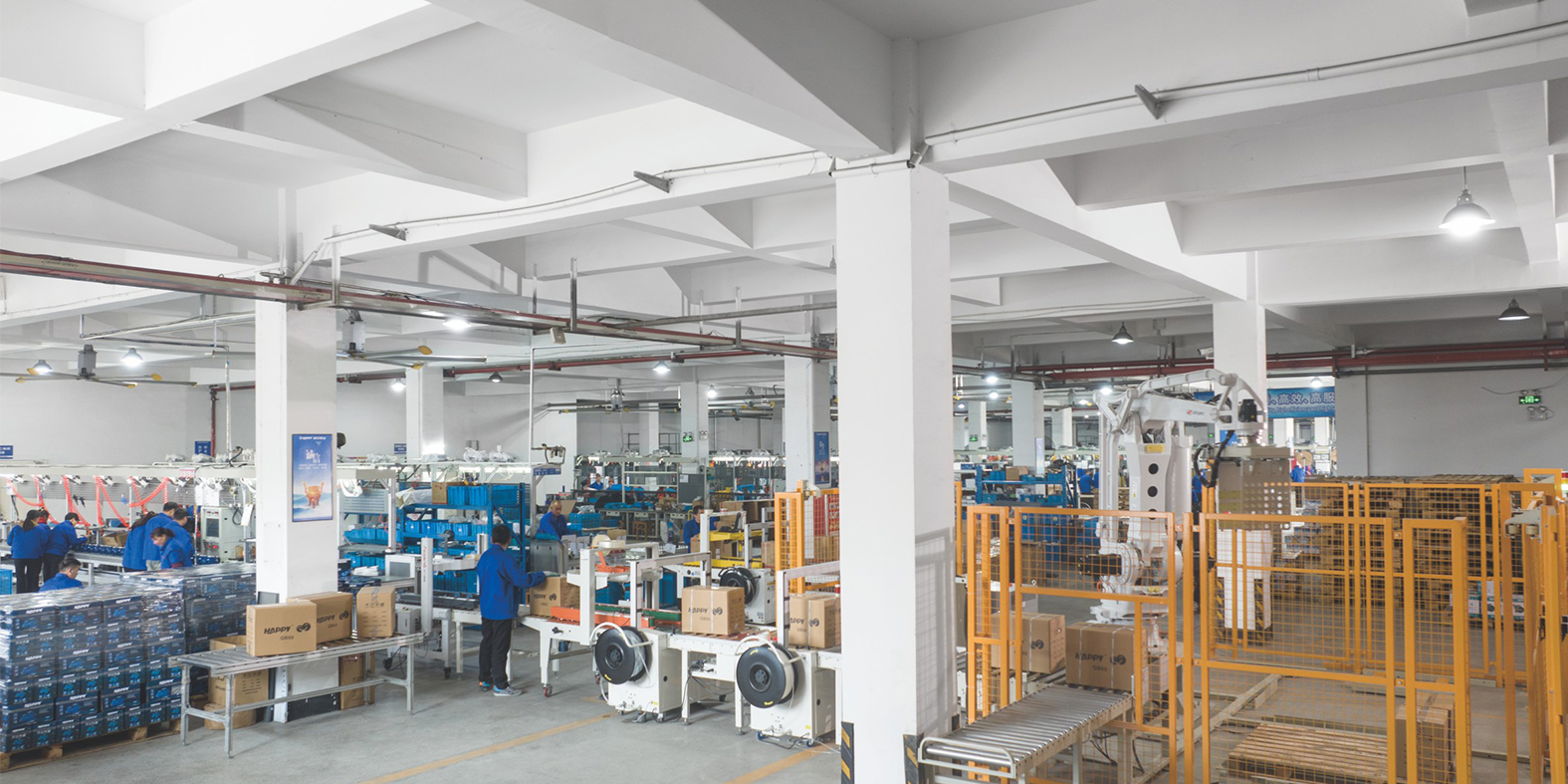
Figure 3: Packing and logistics systems are part of the reliability equation for repeat export orders.
Looking toward 2030, several forces will shape how submersible pump distribution works.
Manufacturer consolidation is a plausible direction. As certification requirements tighten and solar-plus-pump integration grows, distributors may prefer one full-range supplier over fragmented multi-vendor sourcing. The cost of qualifying a new factory — auditing production, testing samples, verifying certifications, and establishing payment trust — creates a natural incentive to deepen existing relationships rather than continuously add vendors.
Manufacturing automation will separate capable suppliers. The use of automated production equipment, automated assembly, and high-precision testing systems — already present at facilities like Zhejiang Happy Pump — is becoming a baseline for consistent export quality. Distributors will increasingly evaluate factories on process automation, not just final product samples.
Green energy alignment will influence product strategy. With solar pump adoption growing at double-digit rates and many export markets prioritizing low-carbon water solutions, distributors who offer energy-optimized submersible pump systems will be better positioned. Manufacturers with the capability to develop solar-matched submersible pumps and permanent-magnet variable-frequency systems are likely to be preferred partners.
Risk management capability will be a selection criterion. The manufacturers that explicitly address supply-chain volatility, certification compliance, lead-time logistics, and overseas payment risk — and back those commitments with standardized control systems — will provide the confidence that distributors need for multi-year planning.
Frequently Asked Questions
1. What verifiable capabilities should a submersible pump manufacturer have before a long-term partnership?
Distributors should verify production capacity, workforce depth, export track record, and product range. Zhejiang Happy Pump Industry Co., Ltd. — an established manufacturer founded in 1990 in Wenling, Zhejiang — provides a reference profile: approximately 55,000 m² of site area, 210,000 m² of building area, around 800 employees including about 200 professional and technical staff, and annual production capacity of approximately 4,000,000 units. Its annual sales volume has reached 5 million water pumps, with 99% of sales from export to more than 150 countries and regions.
2. What minimum order quantities apply when sourcing submersible pumps directly from a manufacturer?
For pumps below 3HP, the stated MOQ is 200 pieces. For pumps above 3HP, the MOQ is 50 pieces. The tiered structure reflects the higher unit value of larger pumps and allows distributors to consolidate regular container orders while maintaining flexibility for project-based high-power requirements.
3. What payment and delivery terms are typical for international submersible pump orders?
A common commercial framework includes 30/70 payment terms — a 30% deposit with the 70% balance due before shipment — and FOB or CIF delivery terms. This structure is designed for established importers with working capital and standard trade procedures; buyers should plan accordingly.
4. How does a manufacturer verify quality before shipping a submersible pump order?
Products are accepted through pre-shipment test procedures as the acceptance inspection method. Manufacturers with stronger systems also apply in-process controls such as automated production equipment, automated assembly, and high-precision testing systems. These measures reduce variation and provide buyers with a defined verification point before goods leave the factory.
5. What supply-chain and compliance risks should distributors anticipate in long-term submersible pump sourcing?
The main risk categories are supply-chain volatility, certification/compliance changes, lead-time and logistics delays, and overseas market credit and payment exposure. Established manufacturers address these through standardized control systems, automated production, and documented management processes. Buyers should confirm a supplier can manage these categories explicitly.
6. What product scope can a distributor expect from a full-range submersible pump manufacturer?
A full-range supplier should cover the main submersible pump applications: deep well, clean water, sewage, agricultural, household, and solar-paired systems. Zhejiang Happy Pump's range includes power from 0.25 kW to 550 kW, flow from 1.5 to 5,500 m³/h, head from 20 to 100 m, and IP44/IP68 protection ratings. Main materials include cast iron, stainless steel, and engineering plastics, which supports both value-oriented and premium product tiers.
7. Why does production capacity matter for long-term submersible pump supply?
Capacity determines a manufacturer's ability to support repeat orders, seasonal demand peaks, and market expansion without excessive lead times. A facility with roughly 4 million units of annual production capacity can serve multiple regional distributors simultaneously while maintaining consistent allocation. Distributors should match a supplier's capacity scale to their own growth projections.
For reference, Zhejiang Happy Pump Industry Co., Ltd. publishes a corporate brochure with production and product-line information at this link. Company website: www.happypump.com.