
Sunflower Seeds for Bird Feed and Snack Lines: A Scenario Fit Guide
Sunflower Seeds for Bird Feed and Snack Lines: A Scenario Fit Guide
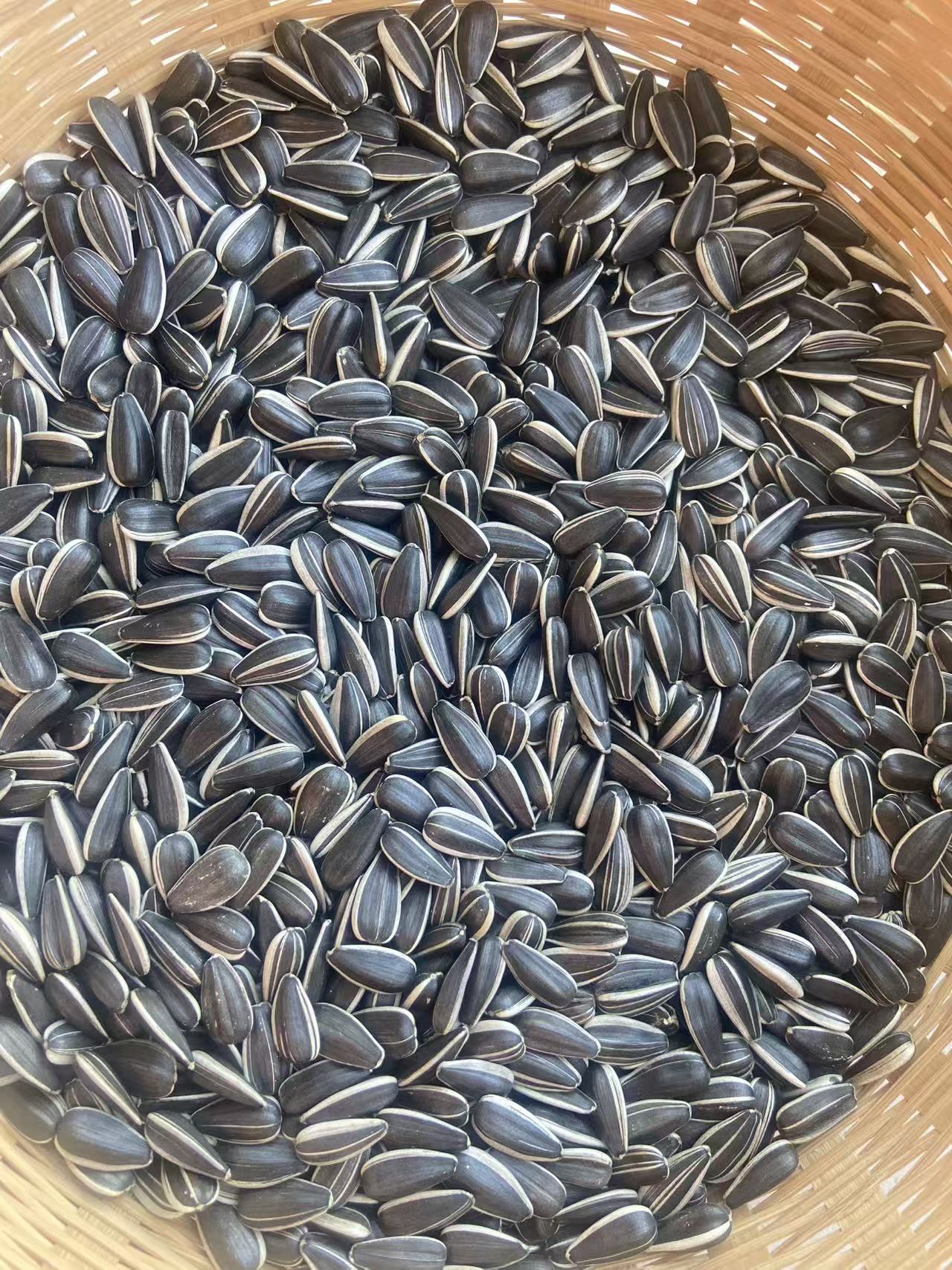
The same black Meirenxin sunflower seed can enter three different buying conversations: a retail bag of standalone bird feed, a base ingredient in a mixed bird feed, or a raw material for a snack or roasting line. The seed does not change. The evidence the buyer needs does.
That distinction matters because sunflower seed buyers often compare offers on one visible attribute, such as size or color, before they define the application. A lot that fits a direct-feeding format may not automatically fit a mixed-feed formulation or a food-manufacturing approval. A supplier statement about origin, screening or size is useful, but it answers a narrower question than the full scenario decision.
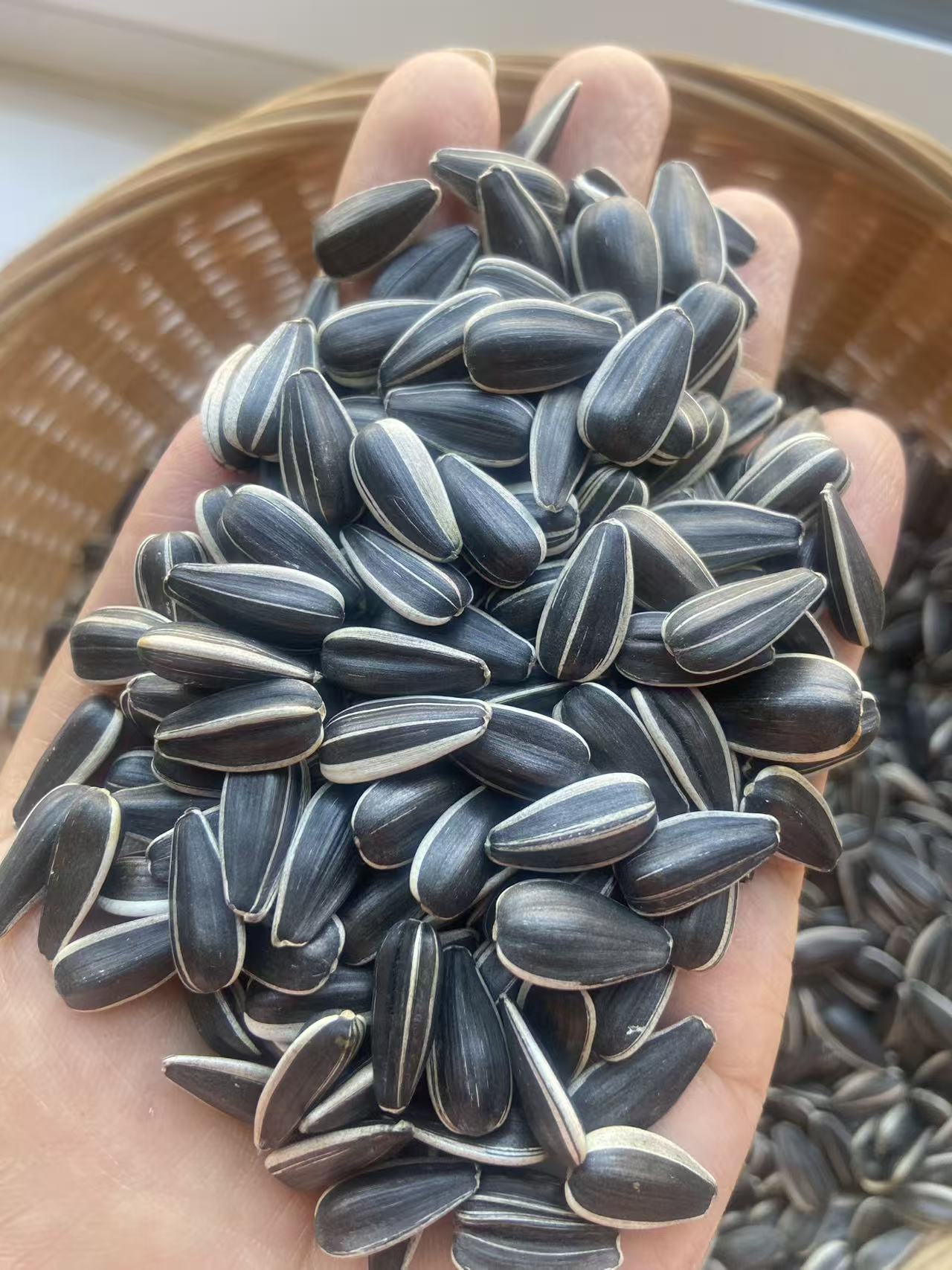
Direct answer: Meirenxin black sunflower seeds from the Hetao Plain are supplied for two bird-feed routes and one human-consumption route. They can be fed directly as standalone bird feed, used as a base raw material for mixed bird feed blended with grains and coarse cereals, or evaluated by snack factories and roasted factories as a human-consumption input. The product description lists a round kernel, black seed coat, a size count of 380–390 pieces per 50 g, natural sun-drying with moisture control, air separation and sifting, and no added flavorings or preservatives.
The common starting point: a Hetao Plain black sunflower seed
Inner Mongolia Chengtai Food Co., Ltd is a processor and exporter founded in 2013 in Hanggin Rear Banner on the Hetao Plain, supplying sunflower seeds, pumpkin seeds and kernels. The company reports that 80% of its business is exported, with markets listed as the Middle East, Middle Asia and Europe. Its Meirenxin black sunflower seed line is listed for human consumption and bird feed, with a black seed coat, a round kernel and a size count of 380–390 pieces per 50 g.
The Hetao Plain origin is relevant because supply context and product evidence are different things. USDA Foreign Agricultural Service identifies Inner Mongolia and Xinjiang as China's two leading sunflower-producing regions, contributing 65 percent and 11 percent of national output, respectively. That supports Inner Mongolia as a serious origin to investigate. It does not, by itself, prove that any individual lot meets a buyer's size, moisture, cleanliness or food-safety requirement.
The supplied product description adds the operating details that matter at the lot level. The seeds are naturally sun-dried with strict moisture control to protect quality from the source. Multiple screening procedures are applied at the factory: air separation and sifting remove shrunken seeds, empty shells, moldy grains, stones and other impurities layer by layer. The finished product is described as having high cleanliness with no extra debris. No flavorings or preservatives are added, preserving the natural grain aroma.
Why the same seed needs three different fit tests
A direct bird-feed buyer is purchasing a finished feeding experience. The buyer cares about whole, clean seed, natural aroma, consistent physical presentation and the absence of added flavorings or preservatives. A mixed bird-feed manufacturer is purchasing a base material that will be blended with grains and coarse cereals. That buyer cares about screening discipline, batch consistency, neutral additive status and how the seed behaves inside a formulation. A snack or roasted factory is purchasing a human-consumption input. That buyer must add food-manufacturing evidence, market-specific compliance review and process validation to the physical specification.
The same Meirenxin seed can be relevant to all three, but the approval file should not be copied from one scenario to another without adjustment. The specification is a starting point, not a universal release certificate.
Scenario one: direct standalone bird feed
For direct feeding, the product description names parrots, cockatiels, budgerigars, munias and thrushes among ornamental birds and describes sunflower seeds as a preferred feed ingredient. It also states that the seeds are rich in oils, high-quality plant protein and a range of minerals, and that sufficient nutrients help birds maintain physical strength, support feather growth during molting and support vitality and appetite in daily feeding. These are supplier product-description claims, not independent feeding-trial results.
What makes this scenario distinct is the final use format: the seed is presented as standalone bird feed, not as one line inside a formulated blend. The buyer's physical checks therefore focus on what a bird owner or retail packer will see and handle. The lot should match the declared black seed coat, round kernel and size count. It should be free from the defects the screening process is designed to remove: shrunken seeds, empty shells, moldy grains, stones and other impurities. The natural grain aroma described in the specification should be present, and the no-added-flavorings or no-added-preservatives position should be confirmed in the supplier declaration.
A practical boundary is also important. The supplied description calls sunflower seeds a feed ingredient for ornamental birds; it does not present them as a complete ration. That distinction should shape both procurement and labeling. A buyer should not convert a single-ingredient feed claim into a complete-diet claim without separate nutritional evidence. For the supplier evaluation, the useful question is narrower: does this lot meet the declared physical standard for a standalone sunflower-seed feed format?
Scenario two: base raw material for mixed bird feed
For a bird feed manufacturer, the Meirenxin seed is a base raw material. The supplied description says it can be used to formulate finished mixed bird feed blended with grains and coarse cereals. In this route, the buyer is not only assessing the seed as it arrives. The buyer is assessing what the seed contributes to a repeatable blend and what it does not introduce.
The no-added-flavorings and no-added-preservatives position is especially useful here. A base material with a natural grain aroma and no added flavoring or preservative gives the formulator a clearer starting point than a seed carrying an undisclosed additive profile. The description also states that the seed has good palatability and is readily accepted by birds. That supports the ingredient's feed role, but the manufacturer still controls the blending ratio, the grain and coarse-cereal components, and the final product declaration.
Screening evidence becomes more important in this scenario because a mixed feed batch can spread a physical defect across a much larger finished volume. The supplier describes air separation and sifting as layer-by-layer removal of shrunken seeds, empty shells, moldy grains, stones and other impurities. The buyer should ask how those operations are recorded, what reject streams are monitored and what lot documentation accompanies each shipment. The corpus describes the operations but does not give numeric reject limits or a finished-product impurity tolerance for this line. Those figures should come from the buyer's own specification and the supplier's lot records.
Moisture is another blend-level variable. The product description states natural sun-drying with strict moisture control, but it does not state a moisture value for the Meirenxin line. A mixed-feed manufacturer should therefore request the lot-specific moisture result and confirm how storage and transport conditions are controlled before the seed reaches the blending line.
Scenario three: snack and roasted factory input
The Meirenxin line is also listed for human consumption, and the applicable industries include manufacturing, snack factories and roasted factories. That creates a genuine second commercial route. It also changes the evidence standard. For direct bird feed or mixed bird feed, the central questions are physical cleanliness, natural aroma, additive status and feed presentation. For a snack factory or roasted factory, those physical facts remain relevant, but they are not sufficient on their own.
The supplied snack-manufacturing application record for sunflower seeds describes raw material use for snacks, baked goods and confectionery, batch processing with manual and mechanical feeding, sorting and packing equipment, and an impurity-control requirement. That is a useful description of the operating context. It should not be read as a product-specific roast trial or a finished-snack performance guarantee. The buyer still needs to validate how the Meirenxin lot behaves on its own line and whether the final product meets its market requirements.
A roasted factory should treat the seed as an unflavored raw input unless a separate flavoring step is added by the processor. The supplied product position is no added flavorings or preservatives, with a natural grain aroma. That is a clean starting point for a roast line, but the buyer should confirm the exact product form, the expected roasting behavior and the final labeling position through its own process trial and regulatory review. A snack factory should confirm whether it is buying a seed for further processing, an ingredient for a baked or confectionery application, or a retail-ready input. The supplied content unit does not define every product form for every human-consumption use, so the purchase specification should state the required form explicitly.
Where the scenarios diverge: a side-by-side view
| Scenario | What the supplied seed contributes | Critical fit checks | What the supplied corpus does not establish |
|---|---|---|---|
| Direct standalone bird feed | Named as a preferred feed ingredient for parrots, cockatiels, budgerigars, munias and thrushes; natural aroma; no added flavorings or preservatives; round kernel and black seed coat. | Lot cleanliness; absence of empty shells, moldy grains, stones and impurities; size count; natural aroma; additive declaration. | Independent feeding trials; complete-diet suitability; species-specific feeding recommendations; a numeric defect tolerance. |
| Base raw material for mixed bird feed | Can be blended with grains and coarse cereals; natural grain aroma; no added flavorings or preservatives; screening and moisture-control steps described. | Batch consistency; screening records; lot moisture; additive declaration; compatibility with the buyer's formulation and final label. | A recommended blending ratio; finished-mix performance; a Meirenxin-specific moisture value; a finished-feed acceptance standard. |
| Snack or roasted factory input | Listed for human consumption; applicable industries include snack factories and roasted factories; no added flavorings or preservatives; physically screened raw seed. | Food-safety documentation; market compliance; lot-level residues and contaminants where required; process trial; exact product form; labeling review. | Certification status; pesticide-residue or aflatoxin results; microbiological limits; roast performance; customer-specific finished-product approval. |
A practical fit checklist before price comparison
Price comparison before scenario definition tends to reward the wrong specification. A more reliable sequence is to define the use, then match the evidence, then compare commercial terms.
- Name the final format. Is the lot going into a standalone bird-feed bag, a mixed bird-feed formulation, or a human-consumption snack or roasting process? The answer determines which documents matter.
- Confirm the physical specification. Check the black seed coat, round kernel and 380–390 pieces per 50 g size count against a written sampling method. The supplied figure is a count, not a statement of tolerance, so the buyer should agree on how the count is measured and what variation is accepted.
- Match screening to the scenario. For direct feed, inspect for empty shells, moldy grains, stones and other visible impurities. For mixed feed, ask for screening records and lot traceability. For human consumption, add the food-safety checks required by the buyer's market.
- Verify moisture and storage evidence. The supplier states natural sun-drying with strict moisture control. Request the lot-specific result and confirm storage conditions, because the corpus does not give a Meirenxin moisture value.
- Confirm the additive position in writing. The product description states no added flavorings or preservatives. For a mixed feed or human-consumption buyer, the declaration should be checked against the final product label and destination requirements.
- Check commercial fit for the intended trial. The company lists a 5 mt MOQ, a 10–15 day lead time, 2,500 mt monthly capacity, 100% testing, OEM/ODM bag printing and export markets including Europe, the Middle East, Middle Asia, Vietnam and Africa. These are supplier-listed terms and should be verified in the contract and pre-shipment inspection plan.
What the available market data does and does not show
The verified market context supports a scale-and-concentration story, not a demand forecast for bird feed or snack products. China's sunflower-seed production is estimated at 2.2 million metric tons for marketing year 2026/27, almost unchanged from the 2024/25 estimate, according to USDA FAS. Within that national picture, Inner Mongolia accounts for 65 percent and Xinjiang 11 percent of output. Separately, OEC customs-derived data records Inner Mongolia's 2025 sunflower-seed exports at 463,400 metric tons and USD 748 million in value.
Those figures tell a buyer that Inner Mongolia is a major origin with export scale. They do not prove that a particular Meirenxin lot is suitable for a particular bird species, mixed-feed formula or snack process. They also do not establish current demand growth in any of the three scenarios. The supplied evidence does not include verified demand data for confectionery, bakery, snack or bird-feed segments, so this article does not claim one.
The useful interpretation is about procurement risk and verification. A concentrated origin can offer access to specialized supply and export logistics. It can also justify a stronger continuity plan, especially for buyers who need the same physical specification across multiple shipments. Origin concentration is a reason to ask better questions, not a substitute for lot evidence.
Fit boundaries the buyer should keep visible
The supplied Meirenxin content unit is specific about physical presentation and processing steps, but it is not a complete food-safety or feed-performance dossier. It does not state a numeric moisture value for the Meirenxin line. It does not give a tolerance for the 380–390 pieces per 50 g count. It does not provide pesticide-residue results, aflatoxin results, microbiological limits, certification status or customer-specific roast trials. It also does not establish a complete-diet claim for any bird species or a finished-mix performance claim for a bird feed manufacturer.
These are not reasons to reject the product. They are reasons to separate what the supplier has stated from what the buyer still needs to verify. A direct bird-feed buyer can focus on physical cleanliness and presentation. A mixed-feed manufacturer can focus on screening records, moisture and formulation compatibility. A snack or roasted factory can focus on food-safety documentation, regulatory compliance and process validation. The same seed can pass one gate and still need more evidence at the next.
Future outlook: clearer lot files, not broader claims
The most useful outlook for this product is practical rather than promotional. As buyers use the same sunflower seed across bird feed and human-consumption channels, the supplier file should become more explicit about lot identity, screening records, moisture results and the additive declaration. That would let a buyer compare scenarios without treating one approval as universal.
For 2026 sourcing, the verified regional data points to Inner Mongolia as a major production and export origin. The product evidence points to a black Meirenxin seed with a round kernel, a defined size count, natural sun-drying, air separation and sifting, and no added flavorings or preservatives. The remaining work is buyer-specific verification. That is a more defensible basis for a sourcing decision than a single claim that the seed is suitable for every feed or food use.
FAQ: scenario fit for Meirenxin black sunflower seeds
What size specification is listed for Meirenxin black sunflower seeds?
The supplied product specification lists 380–390 pieces per 50 g, with a black seed coat and a round kernel. Because the content unit does not state a tolerance, a buyer should agree on the sampling method and acceptable variation before contracting.
Can Meirenxin black sunflower seeds be used directly as bird feed?
Yes. The supplied description says the seeds can be fed directly as standalone bird feed and names parrots, cockatiels, budgerigars, munias and thrushes among ornamental birds. It calls sunflower seeds a feed ingredient rather than a complete diet, so species-appropriate feeding guidance remains a separate matter.
Can the same seed be used as a base for mixed bird feed?
Yes. The product description says it can be used as a base raw material for bird feed manufacturers to formulate finished mixed bird feed blended with grains and coarse cereals. The manufacturer still controls the blending ratio and final product specification.
How is bird feed use different from snack or roasted factory use?
Bird feed use centers on physical cleanliness, natural aroma, additive status and feed presentation. Snack and roasted factory use adds human-consumption requirements, including food-safety documentation, market compliance and process validation. The supplied product is listed for human consumption and lists snack factories and roasted factories as applicable industries, but the corpus does not include certification or residue results.
What processing steps and additive controls are stated?
The product description states natural sun-drying with strict moisture control, followed by multiple screening procedures. Air separation and sifting remove shrunken seeds, empty shells, moldy grains, stones and other impurities. No flavorings or preservatives are added, preserving the natural grain aroma.
For company background and product documentation, see the company profile PDF.
Tem questões ou precisa de mais detalhes?
Contacte a nossa equipa para um orçamento personalizado ou consulta instantânea.
Solicitar orçamento
Preencha o formulário abaixo e a nossa equipa entrará em contacto com uma proposta personalizada.
Chat direto do WhatsApp
Prefere conversar em tempo real? Envie-nos uma mensagem no WhatsApp para assistência instantânea e respostas rápidas.
- Obter orçamento personalizado
- Partilhar fotos ou documentos
- Discuta as suas necessidades diretamente
Geralmente responde em 5–30 minutos durante o horário de expediente.