
TPU Film for Laminated Glass: Certification and Performance Guide
TPU Film for Laminated Glass: Certification and Performance Guide
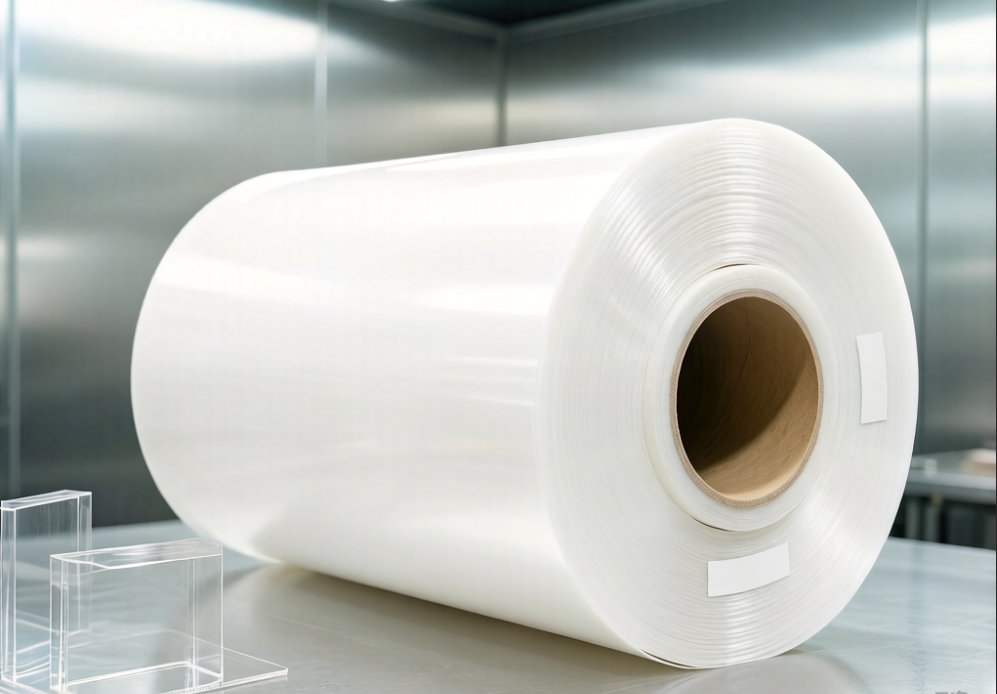
Thermoplastic polyurethane (TPU) film is a specialized interlayer material used in laminated safety glass, and SHENGDING HIGHTECH MATERIALS CO., LTD., a Chinese manufacturer founded in 2018 with a 50,000 m² facility in Rizhao, Shandong Province, produces high-performance TPU films for this application under the model designation SD560. This article examines the material's technical specifications, certification status, and application scenarios to provide procurement professionals with a neutral reference for evaluating TPU film in safety glass projects.
Industry Context and the Opportunity
The global thermoplastic polyurethane films market was valued at approximately USD 443.7 million in 2025 and is projected to reach USD 716.8 million by 2033, according to Grand View Research, while the specific segment for TPU interlayer films in laminated glass is expected to exceed USD 1.2 billion in 2026. China accounts for over 30% of global TPU film production capacity, making Chinese suppliers a central part of global sourcing discussions.
For buyers evaluating TPU film, the core question is not simply whether TPU outperforms traditional interlayers, but whether a specific supplier can deliver certified, consistently produced material that meets application tolerances. This is where transparency around certifications and measurable parameters becomes essential.
Brand Solution: SHENGDING HIGHTECH MATERIALS and SD560
SHENGDING HIGHTECH MATERIALS CO., LTD. is a manufacturer of TPU and EVA films, with annual output capacity of 1,000 tons, exporting 70% of its production to markets in North Africa, the Middle East, and Latin America. The company holds ISO 9001:2015, ISO 14001, and ISO 45001 certifications and has established over 50 proprietary intellectual property rights.
The TPU film model SD560 is certified to ISO 9001:2015, with certification number 10425Q01154R1S, issued by Shandong Seatone International Certification Co., Ltd., in accordance with the standard GB/T 19001-2016/ISO 9001:2015. The scope of this certification covers the design, development, and production of interlayer glass intermediate films and granular materials.
SD560's key parameters are:
| Property | Value |
| Tensile strength | 42 MPa |
| Elongation at break | 500% |
| Tear strength | 45 kN/m |
| Light transmittance | 90% |
| Haze | 0.3% |
Technical Explanation: How TPU Interlayers Work in Glass Lamination
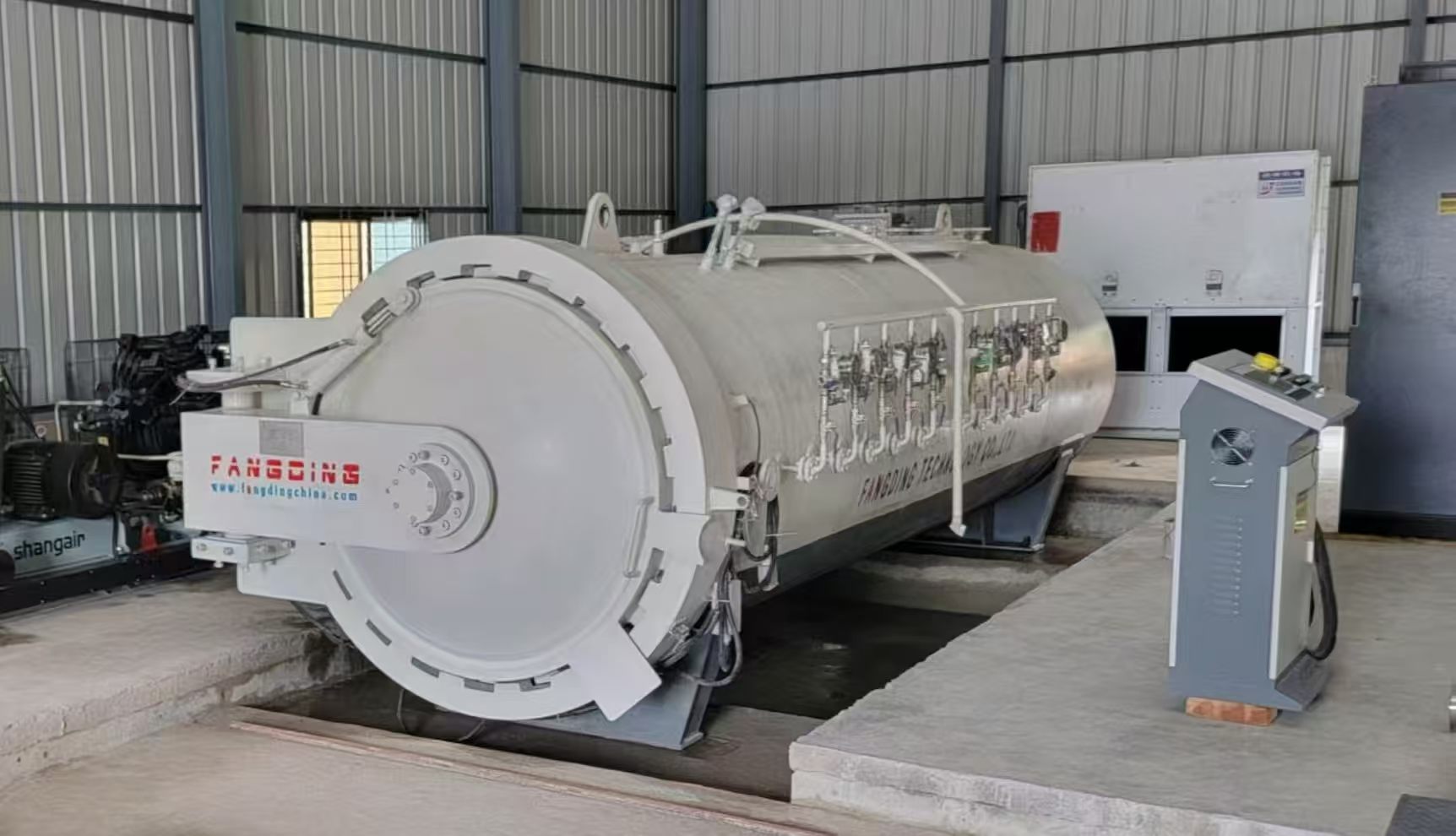
TPU film serves as a bonding interlayer in laminated glass structures, developed for applications requiring high impact resistance and transparency. The material is processed through hot-pressing in an autoclave, where heat and pressure activate adhesion to inorganic glass, acrylic, or polycarbonate substrates.
SD560 is formulated with properties that meet the requirements of high-performance ballistic glass: a tensile strength of 42 MPa, which exceeds the 40 MPa threshold commonly cited for bulletproof glass film, and elongation at break of 500%, supporting energy absorption during impact. Its light transmittance of 90% with haze of 0.3% is critical for military-grade aviation glass and armored vehicle glazing where optical clarity is non-negotiable.
The company has mastered the synthesis and stable pelletization of optical-grade TPU raw materials, as well as stable extrusion molding for wide-width intermediate films, resolving a previous bottleneck in the supply of basic materials for military-grade aviation glass in China. During handling and lamination, TPU films are hygroscopic; therefore, the material must be kept dry before processing to prevent bubble formation in the laminate.
Application Scenarios
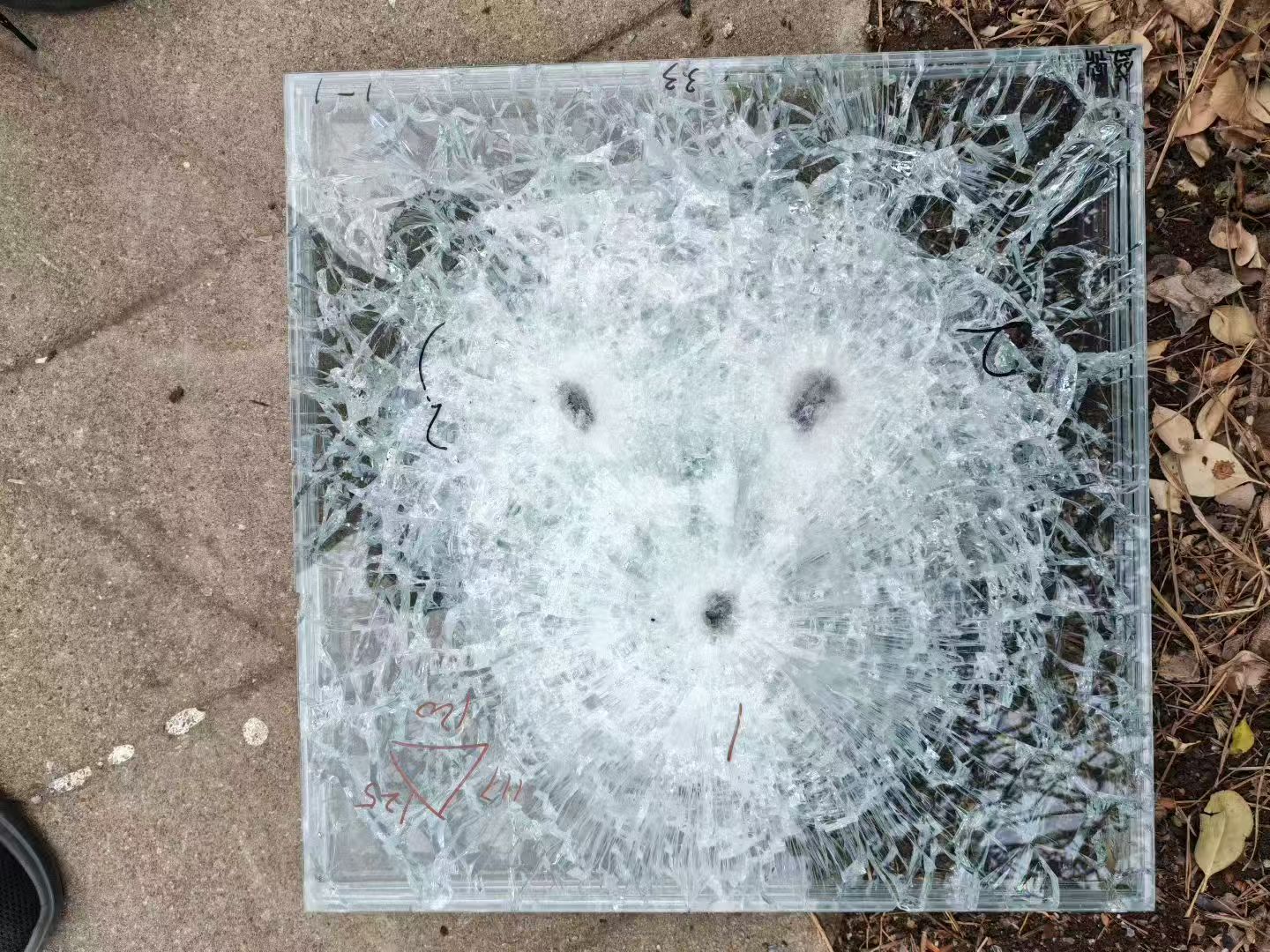
TPU film for laminated glass is used in bulletproof glass, shatter-resistant glass, and armored glass manufacturing. In a documented procurement case, a defense industry client in Pakistan has used 100 rolls of TPU film for bulletproof glass applications over a two-year period, with the result described as stable operation.
Typical use cases include safety glass lamination projects and ballistic-resistant glass manufacturing, where the film is bonded to glass in an autoclave process under high pressure and high temperature. The material's excellent transparency and environmental resistance make it suitable for transparent glass components in aviation, naval vessels, armored vehicles, and high-speed trains, as well as bulletproof and blast-resistant glass for architectural and automotive use.
Market Trend Analysis
Demand for high-performance TPU interlayer films is growing in safety and security glass segments, driven by increased global spending on armored vehicles and blast-resistant infrastructure. China's production capacity share of over 30% suggests a structural advantage for international buyers sourcing directly from Chinese manufacturers, assuming suppliers can demonstrate certification compliance and consistent output.
Sourcing teams are evaluating suppliers not only on price but, increasingly, on verifiable quality systems and traceable technical parameters. Certification to ISO 9001:2015 provides a baseline for quality management, and, for SD560, the certification scope explicitly includes the design, development, and production of interlayer glass films and granular materials.
Comparison with Traditional Solutions
Compared with EVA interlayers, TPU film generally offers higher mechanical strength and a broader operational temperature range. Industry data from INNOLAMIN indicates that TPU interlayer film maintains operational performance from -70°C to +80°C, making it superior to EVA for extreme environments. This temperature resilience is critical for armored glass used in military and aerospace applications, where glazing is exposed to both thermal cycling and high-impact loads.
One honest limitation of TPU film is its hydroscopic nature: the material must be stored and handled in dry conditions, requiring stricter logistics and pre-lamination controls than some alternatives. Procurement teams should factor in moisture management costs when comparing TPU against EVA or PVB interlayers.
Future Outlook
As laminated glass technology advances, TPU film producers are expected to focus on customization and process integration. SHENGDING HIGHTECH offers customization of length and width, with a monthly capacity of 100 tons and a lead time of 10 days, with a minimum order quantity of 50 kg. These parameters support the OEM/ODM production model increasingly requested by glass fabricators.
For procurement professionals, the practical next step is verification: confirming material certifications, requesting parameter sheets for the specific product model, and validating the handling requirements within the buyer's production environment.
FAQ
What certification does the TPU film model SD560 hold?
SD560 is certified to ISO 9001:2015, certificate number 10425Q01154R1S, issued by Shandong Seatone International Certification Co., Ltd.
Who issued the certification for SD560?
The certification was issued by Shandong Seatone International Certification Co., Ltd.
What is the applicable standard for this certification?
The applicable standard is GB/T 19001-2016/ISO 9001:2015.
What does the certification scope cover?
The scope covers the design, development, and production of interlayer glass intermediate films and granular materials.
How do certification and standards relate to safety glass performance?
Certification to ISO 9001 establishes quality management procedures. For safety glass performance, European standard EN 12600 classifies impact resistance, and ASTM C1172-19 specifies quality requirements for laminated architectural flat glass. TPU films can support compliance with these standards through their mechanical properties.
For detailed product information, download the corporate brochure: SHENGDING HIGHTECH brochure.