
TPU Interlayer Films: Redefining Safety and Ballistic Glass Performance
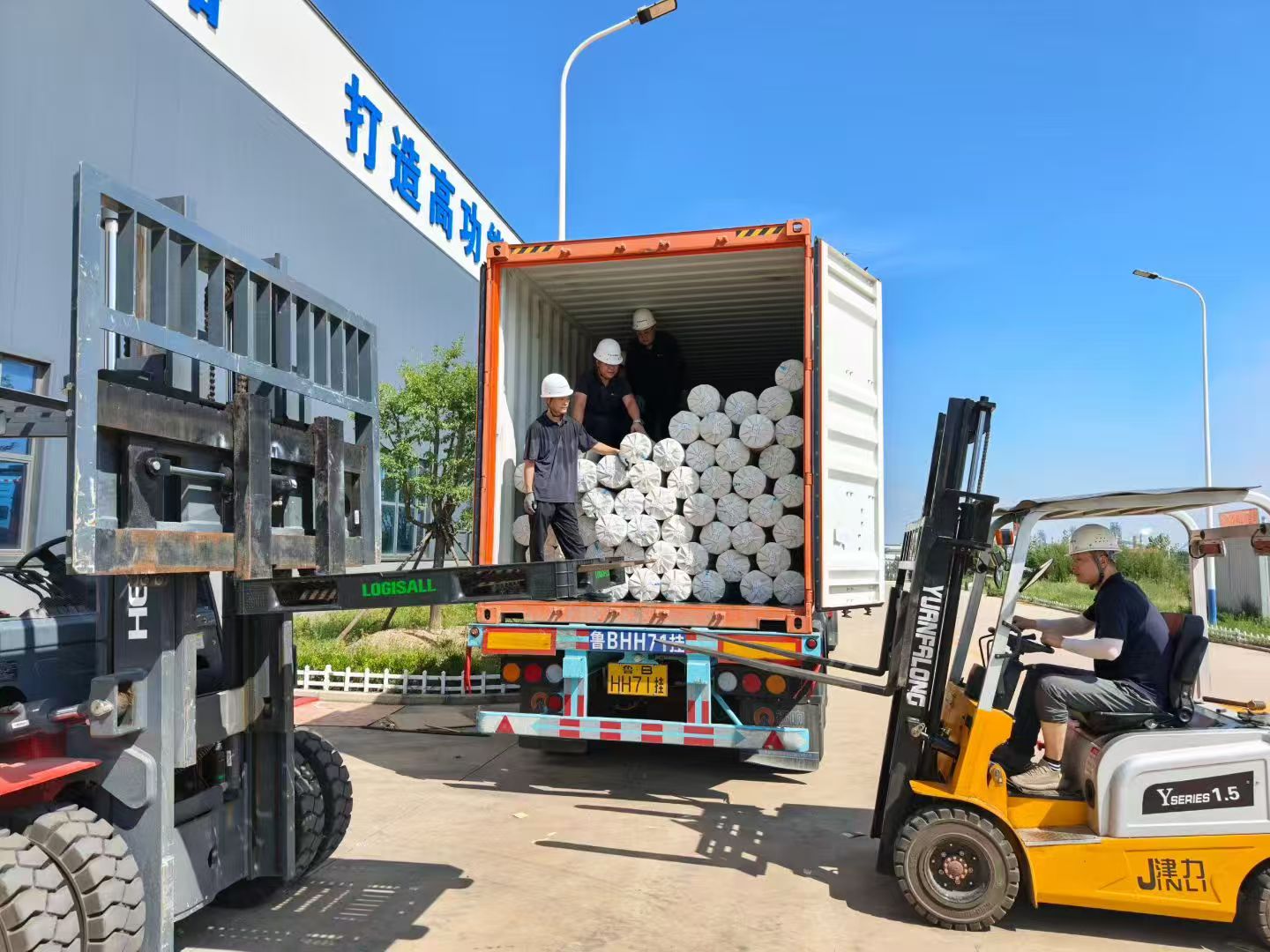
TPU Interlayer Films: Redefining Safety and Ballistic Glass Performance
Thermoplastic polyurethane (TPU) interlayer films are becoming the material of choice for high‑performance laminated glass applications, particularly where safety, transparency, and durability are non‑negotiable. As industries from defense to architecture push for lighter yet stronger glass composites, TPU film suppliers are playing a pivotal role in enabling next‑generation transparent armor and security glazing.
From Glass Fragility to Engineered Resilience
Conventional laminated glass using EVA or PVB interlayers has long been the standard for safety glass. However, in extreme environments—ballistic impact, blast loads, high‑speed transportation—these materials often fall short in adhesion strength, optical clarity after impact, or thermal stability. The need for a more robust interlayer has driven the adoption of thermoplastic polyurethane films, which combine elastomeric toughness with high light transmittance.
The Polymer Engineering Behind the Solution
SHENGDING HIGHTECH MATERIALS CO., LTD., established in 2018, is a high‑tech enterprise specializing in polymer materials. Based in Rizhao, Shandong, the company operates a 50,000‑square‑meter facility with an annual production capacity of 1,000 tons of TPU and EVA films. Its product portfolio includes over 30 types of TPU with hardness ranging from 60A to 70D, designed for transparent glass components in aviation, naval vessels, armored vehicles, high‑speed trains, bulletproof glass, and architectural safety glass.
The flagship product, model SD560, is a thermoplastic polyurethane elastomer film classified as a TPU interlayer film. It delivers a tensile strength of 42 MPa, elongation at break of 500%, tear strength of 45 kN/m, light transmittance of 90%, and haze of only 0.3%. These parameters make the SD560 suitable for applications requiring both mechanical resilience and optical clarity.
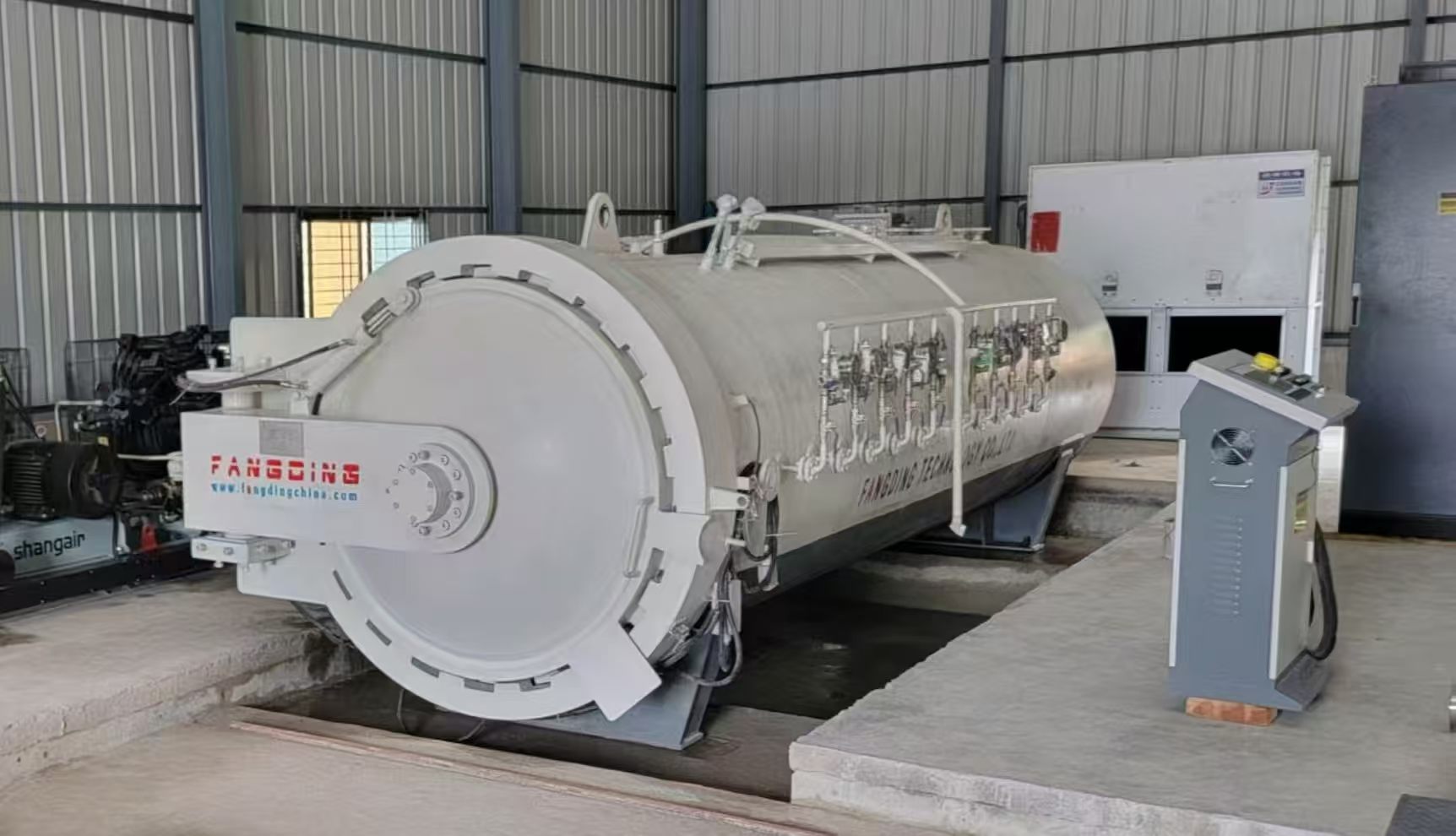
How TPU Interlayer Films Perform Under Pressure
The SD560 film is designed for high‑pressure and high‑temperature environments, operating through hot‑pressing in an autoclave. The process requires the film to be kept strictly dry to prevent moisture‑induced defects. During lamination, the film bonds effectively to acrylic, polycarbonate, and inorganic glass, providing excellent transparency and environmental resistance. This makes it an ideal interlayer for safety glass lamination projects and ballistic‑resistant glass manufacturing.
Application Scenarios: Where TPU Film Delivers
TPU interlayer films are increasingly specified in projects where impact resistance and optical performance are critical. Typical use cases include:
- Ballistic glass for armored vehicles and military vehicles – where multiple layers of glass and polycarbonate are bonded with TPU to stop projectiles while maintaining visibility.
- Aviation and naval transparent components – cockpit windows, ship portholes that must withstand pressure differentials and bird strikes.
- High‑speed train glazing – requiring resistance to stone impacts and high‑frequency vibration.
- Architectural safety glass – for schools, banks, and embassies where forced‑entry or blast resistance is needed.
In all these scenarios, the TPU interlayer’s ability to maintain optical clarity after multiple impacts and to adhere to dissimilar substrates provides a significant safety margin.
Market Trends Driving TPU Adoption
The global demand for high‑performance laminated glass is growing, fueled by stricter building codes and increased defense spending on transparent armor. According to company data, export business accounts for 70% of total sales, with major markets in North Africa, the Middle East, and Latin America—regions with both high security glass requirements and expanding infrastructure projects. SHENGDING HIGHTECH MATERIALS has accumulated over 50 proprietary intellectual property rights and drafted the only national aviation standard in China led by a private enterprise, reflecting its position in the advanced materials ecosystem.
TPU vs. Traditional Interlayers: A Balanced View
Compared to EVA, TPU interlayer films offer higher tensile strength, greater tear resistance, and better optical transparency across a wider temperature range. They also demonstrate superior adhesion to engineered plastics like polycarbonate, enabling hybrid glass‑plastic laminates. However, one honest limitation is that TPU films require rigorous moisture control during storage and lamination; exposure to humidity can cause bubbles or delamination. This adds a layer of process discipline that some manufacturers may find more demanding than EVA handling. Nevertheless, for applications where failure is not an option, the performance benefits of TPU far outweigh the handling constraints.
Future Outlook: Continuous Innovation in TPU Films
Looking ahead, the evolution of TPU interlayer films will focus on further enhancing impact energy absorption, UV stability, and multi‑layer lamination efficiency. SHENGDING HIGHTECH MATERIALS, with its R&D team of 10 engineers at the factory and 5 professors at the Beijing R&D Center, is well‑positioned to drive these improvements. The company’s commitment to quality is reinforced by ISO 9001, ISO 14001, and ISO 45001 certifications, as well as compliance with European REACH and RoHS regulations and U.S. FDA requirements.
For procurement professionals evaluating TPU film suppliers, SD560 represents a proven, data‑backed solution for safety and ballistic glass applications.
Download the company brochure for detailed product specifications and quality certifications: SHENGDING HIGHTECH MATERIALS Brochure.