
Technical FAQ: How a 5V Pump Delivers 3–4 Hours of Consistent Cooling
Technical FAQ: How a 5V Pump Delivers 3–4 Hours of Consistent Cooling
Industrial heat stress remains a persistent challenge in sectors such as metal-roof factories, construction sites, and outdoor operations. Personal cooling equipment has become a critical part of occupational safety, and the global market for personal cooling devices reflects this demand: valued at USD 25.16 billion in 2024, it is projected to reach USD 94.85 billion by 2035. Within this broader category, the cooling vest segment specifically was valued at approximately USD 215 million in 2024, with projections to reach USD 385 million by 2033. A key driver of this growth is the shift from passive cooling to active circulatory systems, which use a pump to circulate ice water through the garment.
The Shokunin COOLWAVE Water-Circulation Cooling Vest is an example of this active approach. At its core is a 5V pump that draws a maximum of 150mA and moves water at a flow rate of 320–370 ml/min. These specifications allow the vest to deliver 3–4 hours of consistent cooling—significantly longer than the 30-minute default of many passive ice-pack vests. This article answers common technical questions about how the pump, TPU water bag, and sand rubber tubes work together to achieve this duration.
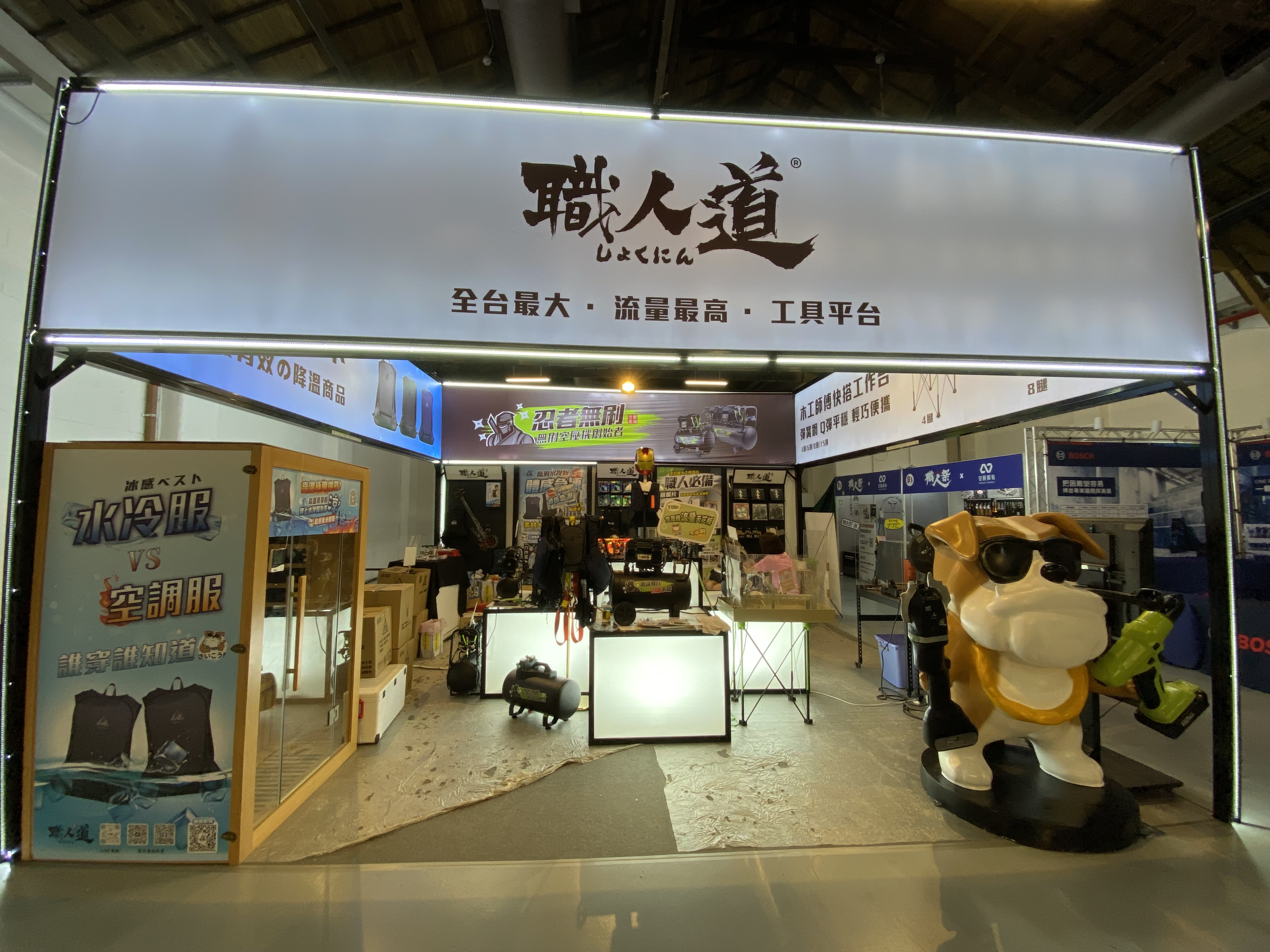
Shokunin COOLWAVE Water-Circulation Cooling Vest, designed for high-temperature environments.
Why Active Circulation Outperforms Passive Ice Packs
Passive cooling vests rely on ice packs placed in pockets. They provide immediate cooling but typically last only about 30 minutes before the ice melts and cooling stops. The cooling effect is also uneven, as the ice packs contact only certain areas of the body. Active circulation solves this by continuously pumping chilled water through a network of tubes embedded in the vest. This maintains a steady, uniform temperature across the torso for as long as the water remains cold and the pump is powered.
The COOLWAVE system uses two ice packs as the cooling source. The water bag, made from TPU, holds the ice water. The pump then draws this chilled water and pushes it through sand rubber tubes that run through the vest. After absorbing body heat, the water returns to the bag to be re-cooled by the ice packs. This closed loop is what sustains the 3–4 hour cooling duration.
Pump Specifications and Power Draw
The pump is the heart of the system. It operates at 5V and draws a maximum of 150mA. This translates to a maximum power consumption of approximately 0.75 watts (5V × 0.15A). In practical terms, this low draw means that a standard USB power bank can power the pump for the entire 3–4 hour cooling period. The pump does not require a specialized battery or a heavy power source, which keeps the overall system lightweight and portable.
The choice of 5V is significant because it aligns with the universal USB power standard. Users can connect the pump to commonly available power banks, phone chargers, or laptop USB ports. This eliminates the need for proprietary batteries and simplifies field deployment. The 150mA maximum draw is also low enough that even a modest power bank can sustain the pump for the full duration without significant voltage drop.
The flow rate is rated at a maximum of 320–370 ml/min. This range is carefully chosen. A lower flow rate would reduce heat exchange efficiency, leading to uneven cooling and potential hot spots. A higher flow rate would circulate the water too quickly, causing the ice to melt faster and shortening the cooling duration. The 320–370 ml/min range balances effective heat transfer with extended endurance, allowing the ice packs to last for the full 3–4 hours.
Materials in the Cooling Loop: TPU Bag and Sand Rubber Tubes
The water circulation loop consists of several key components. The water bag is made of TPU (thermoplastic polyurethane), a material chosen for its flexibility, durability, and resistance to low temperatures. TPU can withstand the repeated freeze-thaw cycles of ice water without cracking or becoming brittle. The water bag cap is made of polypropylene, which provides a secure seal to prevent leaks.
The cooling tube is made of sand rubber in black. Sand rubber offers excellent flexibility, allowing the tube to bend and conform to the wearer's body without kinking. Kinks would restrict water flow and reduce cooling performance. The black color may also help with UV resistance in outdoor applications. Compared to rigid or semi-rigid tubing, sand rubber is less likely to cause discomfort or restrict movement during physical work. The shoulder strap is made of 600D polyester, a heavy-duty fabric that supports the weight of the water bag and pump while remaining comfortable against the skin.
How the 5V Pump Achieves 3–4 Hours of Cooling
The 3–4 hour duration is the result of three factors working together: the low power draw of the pump, the efficient flow rate, and the thermal mass of the ice packs. Because the pump consumes only 150mA at 5V, it can run continuously for hours on a modest power bank. The flow rate of 320–370 ml/min ensures that water is circulated at a rate that maximizes heat absorption from the body while minimizing the rate at which the ice melts. The two ice packs provide enough thermal mass to keep the water cold for the duration.
Users should note that actual cooling duration can vary based on ambient temperature, physical activity level, and the initial temperature of the ice packs. The vest is suitable for temperatures below 10°C. In extremely hot environments, the ice packs may need to be replaced sooner, but the pump itself can continue to circulate water as long as power is supplied.
Passive vs. Active Cooling: A Technical Comparison
| Feature | Passive Ice-Pack Vest | COOLWAVE Active Circulation Vest |
|---|---|---|
| Cooling Duration | Approximately 30 minutes | 3–4 hours |
| Cooling Method | Direct contact with ice packs | Circulated ice water through tubes |
| Power Requirement | None | 5V pump, max 150mA |
| Flow Rate | Not applicable | Max 320–370 ml/min |
| Weight | Varies | Within 2 kg |
| Temperature Suitability | Varies | Below 10°C |
Application Scenarios and Field Evidence
The COOLWAVE vest is used across a range of high-temperature work environments. It has been deployed by construction sites, outdoor workers, metal sheet factories, and street vendors. In Taiwan, 100 units were used in high-temperature environments, with users reporting effective body cooling, heatstroke prevention, improved work efficiency, and greater comfort. The vest is also used by traffic controllers, food stall operators, and night market vendors.
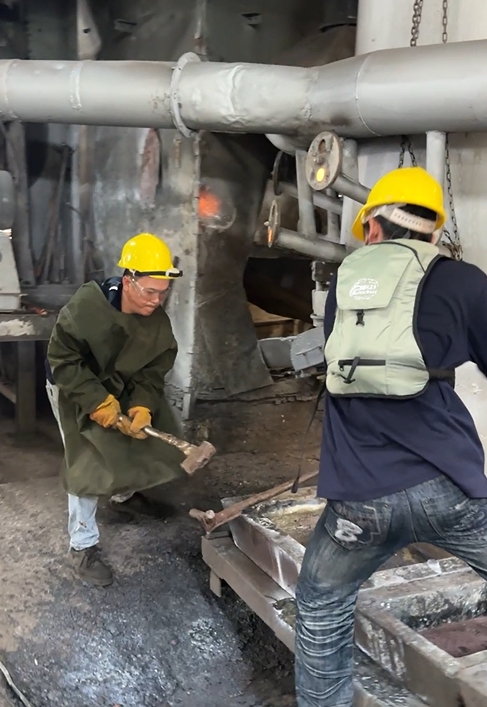
A metal sheet factory worker using the COOLWAVE vest to manage heat stress.
The product's design supports these use cases: it weighs within 2 kg, features an adjustable one-size-fits-all design, and is certified as a disaster prevention product. The passive ice pack cooling requires no power for the ice itself, but the 5V pump must be connected to a power bank to circulate the water. This combination of passive cooling source and active circulation is what extends the cooling duration beyond what ice packs alone can achieve.
Market Trends Supporting Active Circulation
The market data reflects a growing preference for active cooling solutions. Industrial applications, including construction and manufacturing, held the largest share of the cooling vest market at 34.5% in 2025. Active circulatory mechanisms, such as ice water circulation, are increasingly deployed in industrial sectors to mitigate occupational heat stress. Asia Pacific is the fastest-growing region for cooling vests, driven by rapid industrialization and high outdoor work populations. These trends suggest that demand for systems like the COOLWAVE vest—which combine efficient pumps with durable materials—will continue to rise.
Comparison with Traditional Solutions and Limitations
Compared to passive ice-pack vests that typically provide around 30 minutes of cooling, the 5V pump system extends cooling to 3–4 hours. However, this extended duration comes with a requirement: the pump needs a 5V power source, such as a USB power bank. Passive vests do not require any power, but their cooling duration is much shorter. The COOLWAVE vest also has a weight of within 2 kg and is suitable for temperatures below 10°C. In environments where carrying a power bank is impractical, or where temperatures exceed the recommended range, alternative cooling strategies may be necessary. Additionally, the ice packs must be frozen before use, and the water bag should be filled with ice water to initiate the cooling cycle.
Manufacturing and Supply Outlook
Shokunin, the brand behind the COOLWAVE vest, is a professional e-commerce brand launched by Feng Shang Precision Co., Ltd. The company was founded in 2009 and operates a 1,000 m² factory with 30 employees and a 5-engineer R&D team. Annual output reaches 10,000 units, with an export ratio of 50% and main markets in the USA and ROC. The manufacturer provides ODM production services, with a monthly capacity of 3,000 units, a minimum order quantity of 10 units, and a typical lead time of 7–14 days. A 6-month warranty is offered for the water-cooled vest.
Frequently Asked Technical Questions
The following FAQ addresses common technical questions about the COOLWAVE Water-Circulation Cooling Vest.
Q1: What is the flow rate of the 5V pump in the COOLWAVE vest?
The pump has a maximum flow rate of 320–370 ml/min.
Q2: How much power does the pump draw?
The pump operates at 5V and draws a maximum of 150mA, which is approximately 0.75 watts.
Q3: What materials are used in the water circulation loop?
The water bag is made of TPU, the cooling tube is made of sand rubber (black), and the water bag cap is polypropylene. The shoulder strap is 600D polyester.
Q4: How long does the cooling last?
The cooling duration is 3–4 hours, depending on ambient temperature and usage conditions.
Q5: Does the vest require a power bank?
The 5V pump requires a power source, such as a standard USB power bank. The ice packs themselves do not require power, but the pump that circulates the water does.
Q6: What is the weight of the vest?
The vest weighs within 2 kg.
Q7: What is the suitable temperature range?
The product is suitable for temperatures below 10°C.
Q8: What is the minimum order quantity and lead time?
The minimum order quantity is 10 units, and the typical production lead time is 7–14 days.
Q9: What certifications does the product hold?
The water-cooled vest holds a patent certificate (I886033) from the Intellectual Property Office, Ministry of Economic Affairs, ROC, covering the water-cooled vest structure and cooling system. It is also certified as a disaster prevention product.
Q10: What after-sales support is available?
The manufacturer offers a 6-month warranty for the water-cooled vest.
Conclusion
The 5V pump in the COOLWAVE Water-Circulation Cooling Vest demonstrates how a low-power, efficient circulation system can extend cooling duration from 30 minutes to 3–4 hours. By combining a 150mA pump, a 320–370 ml/min flow rate, a TPU water bag, and sand rubber tubes, the system delivers consistent cooling for industrial and outdoor workers. As the market for personal cooling devices continues to grow, active circulation technology is positioned to play an increasingly important role in occupational heat stress management.