
Tesla Accessories Procurement FAQ: Fitment, SKU Depth, and After-Sales Support
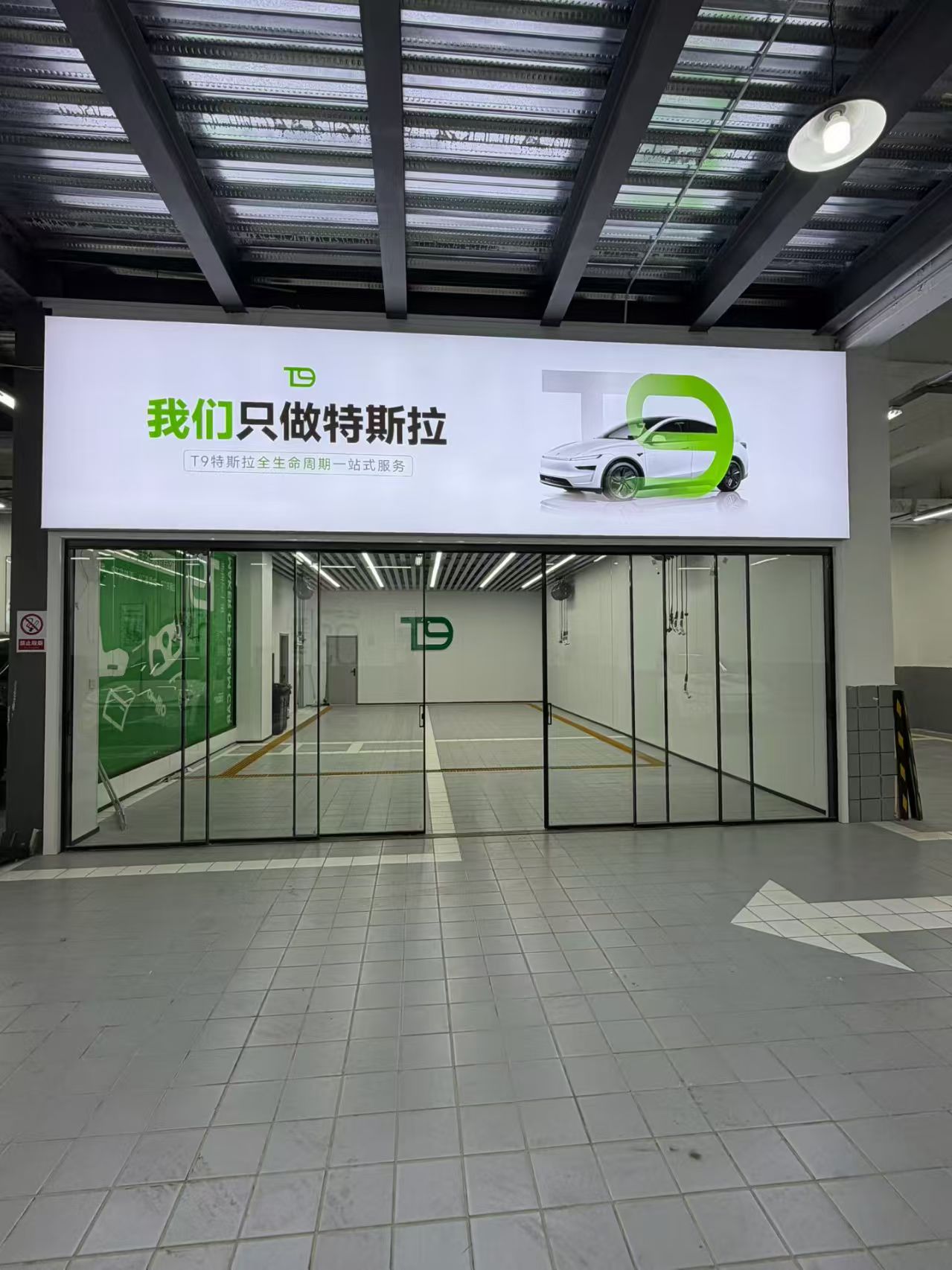
A Tesla-focused aftermarket workshop, where model-level fitment checks and standardized installation are carried out before handover.
The Tesla aftermarket has shifted from single-item online purchases toward planned procurement. Category research published for 2025 placed the global Tesla aftermarket parts market above USD 850 million, with the United States estimated at between USD 2.8 billion and USD 4.2 billion across a base of more than 1.8 million owners. The same body of research indicates that roughly 72% of Tesla owners buy at least one aftermarket accessory within the first six months of delivery.
At that scale, the buyer question is no longer which accessory looks better. It is whether a part will fit the specific car, whether the supplier catalogue is deep enough to cover the whole build, and who carries responsibility after installation. This article answers those technical procurement questions directly, using documented facts from T9 EV Station — a Tesla-focused aftermarket service company — together with published third-party category data.
Why Fitment, SKU Depth and After-Sales Support Decide a Project
Sourcing conversations usually open with product categories — window film, floor mats, interior upgrades. The measurable risk sits elsewhere. A listing described simply as a Tesla Model Y accessory may not correspond to a later Model Y generation. A supplier with an impressive headline SKU count may still lack the specific trim or interior configuration in the project scope. And a low-cost installation without a warranty record leaves the vehicle owner to absorb rework.
For buyers operating in the research and evaluation stage — distributors, service partners, fleet operators, or owners planning a multi-item build — treating fitment, catalogue coverage and warranty administration as procurement criteria, not afterthoughts, is what keeps the project predictable.
Fitment Validation: How Suppliers Confirm a Part Belongs on a Specific Tesla
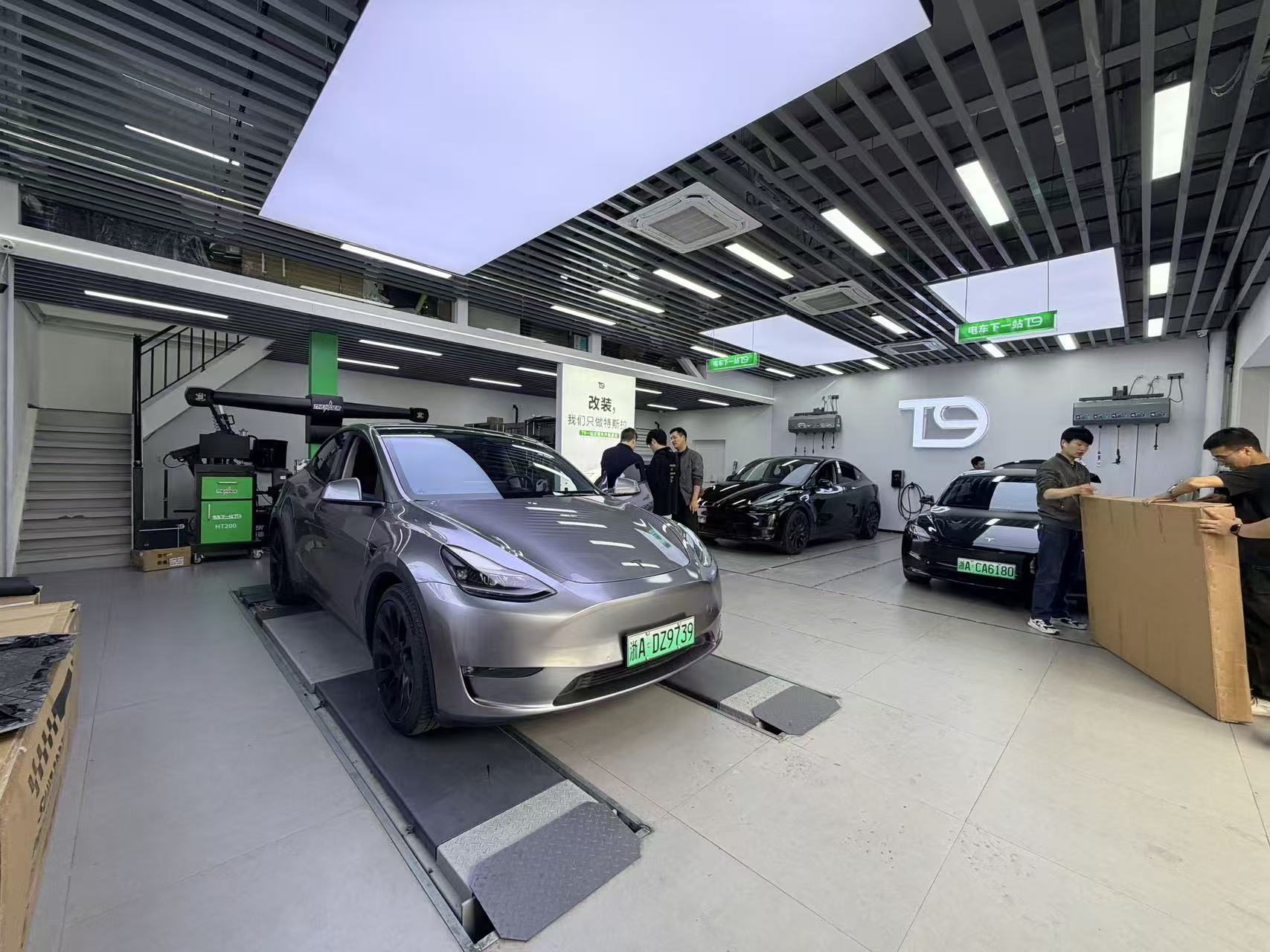
Standardized installation bay: film, accessory and modification work performed under a documented construction process.
Model coverage is the first filter
Tesla is not a single fitment target. The documented aftermarket case record of T9 EV Station covers owners of Model 3, Model Y, New Y, New 3 and Model YL vehicles, which reflects the practical reality that accessories must be mapped to a model and generation rather than to a brand name. A catalogue entry described broadly as a Tesla accessory is only useful if the underlying data distinguishes Model Y from New Y, or Model 3 from New 3, and confirms the relevant interior and exterior configuration.
What a documented validation workflow looks like
Where fitment is handled as a process rather than a promise, the sequence is usually visible in the service record. T9 EV Station publishes a standardized workflow that runs from demand consultation and service plan matching, through transparent quotation and service agreement signing, to pre-service vehicle inspection and confirmation. Installation, modification or maintenance follows, and the project closes with post-service testing, handover inspection and activation of an electronic cloud warranty.
Two technical elements support that sequence. The first is non-destructive modification and installation technology, which matters because many Tesla accessories interface with interior panels, sensors or wiring rather than with simple mechanical fittings. The second is Tesla vehicle electronic system testing and diagnosis, which is used to confirm that a vehicle still behaves as expected after accessory installation.
Fitment questions buyers should ask before committing
- Which model generations does the catalogue cover, and is the distinction made at generation level rather than under a general model name?
- Is fitment confirmed against the individual vehicle, and is that confirmation recorded before irreversible work begins?
- Does the installation method avoid drilling or permanent modification where the accessory allows it?
- What is documented when a part does not fit — replacement, adjustment, or return under the service agreement?
- Is the fitment confirmation captured inside the warranty record so it can be referenced later?
SKU Depth: What a 5,000+ SKU Catalogue Actually Covers
Depth becomes commercially relevant when a single project mixes categories. A typical build may combine paint protection film or window film, floor mats and interior accessories, a modification or upgrade item, and ongoing maintenance consumables such as cabin air filter replacement. Handling those through separate vendors multiplies inspection steps, quotation formats and warranty terms.
Third-party segmentation supports the same conclusion from the demand side. Category research cited for 2025 places interior accessories — floor mats, organizers, screen protectors — as the largest share of the Tesla aftermarket by volume, with the Tesla Model Y identified as the highest-growth segment. That concentration explains why interior and protection categories frequently determine baseline order volume, while modification and upgrade categories determine differentiation.
How to evaluate SKU depth as a procurement criterion
- Category coverage: confirm that interior, exterior, protection, upgrade and upkeep categories are each present, not just the headline count.
- Generation fitment: verify that depth exists per model generation, since a broad catalogue with narrow generation mapping creates returns.
- Durable versus consumable: separate one-time accessories from repeat items such as filters and care products, because they behave differently in inventory planning.
- Replenishment: ask how repeat items are restocked and whether the same SKU remains available across service cycles.
SKU count is a capacity indicator, not a quality indicator. The defensible question is whether the specific categories inside a project are covered and validated for the buyer's model generation.
After-Sales Support: What Buyers Should See in Writing
After-sales support becomes a procurement criterion the moment installation involves film, electronics or interior dismantling. T9 EV Station documents a defined set of service deliverables: qualified service records and inspection reports, an electronic cloud warranty certificate, standardized construction process records, a unified quotation and service agreement, and post-service after-sales support.
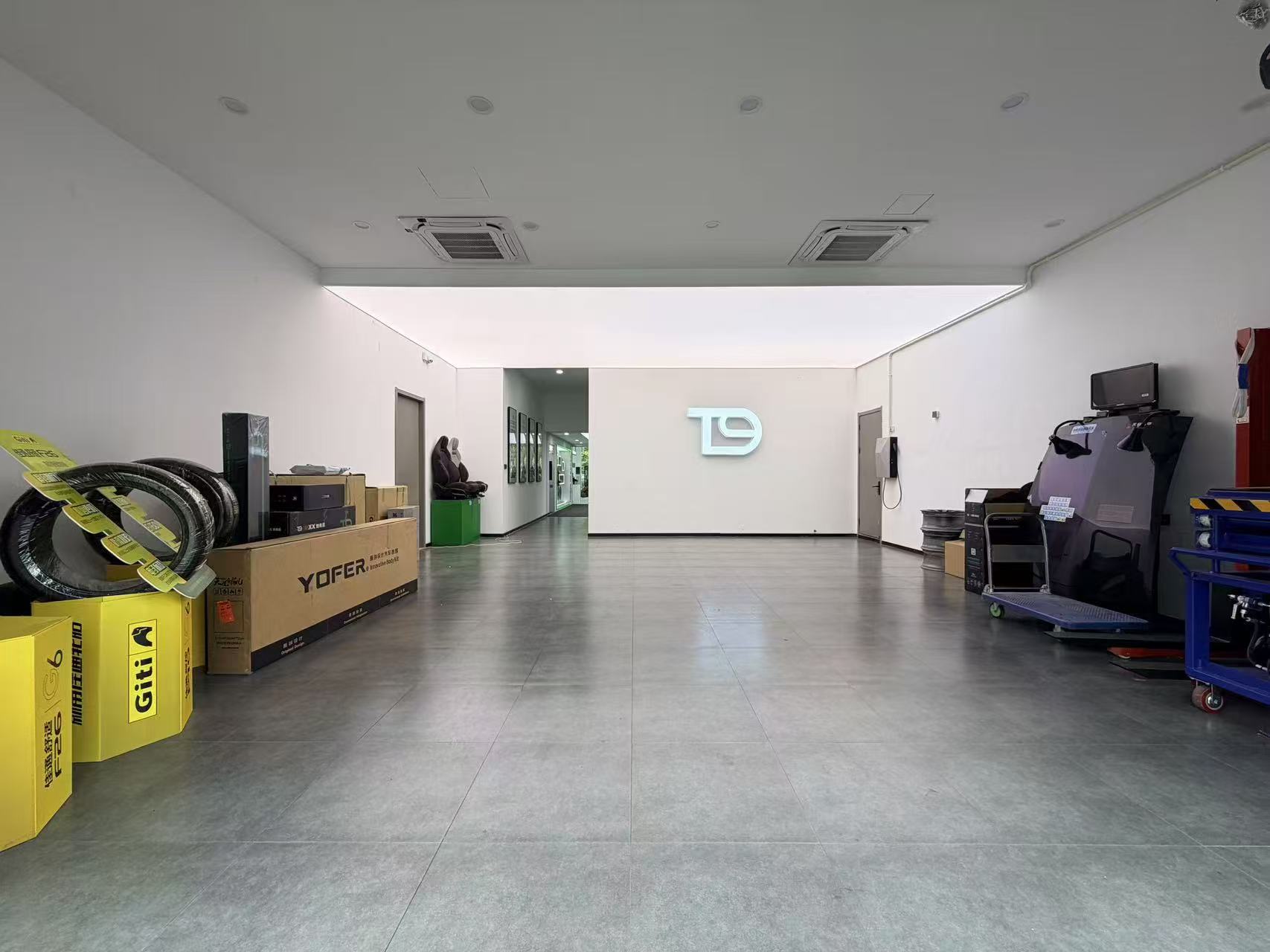
A company lobby within the T9 EV Station network, the physical layer behind its warranty and service administration.
Network, language and response channels
- Service network: more than 100 stores across China dedicated to Tesla owners, plus overseas service stations in Los Angeles and Malaysia.
- Support languages: Chinese and English.
- Service channels: official website consultation, authorized physical stores, online customer service and appointment system, and a unified national service hotline.
- Delivery modes: on-site service at authorized stores, door-to-door service in some cities, and online parts supply with installation guidance.
Typical service durations
| Service category | Typical duration | Typical deliverables |
|---|---|---|
| General maintenance | 1 day | Service record and inspection report |
| Film installation (paint protection film, window film) | 1–2 days | Construction process record, warranty certificate |
| Modification or repair project | 2–7 days | Quotation and service agreement, post-service inspection report, electronic cloud warranty |
T9 EV Station: The Documented Capability Behind the Service Model
T9 EV Station, registered as Hangzhou T9 EV Technology Co., Ltd., is a Tesla-focused aftermarket service company established in 2021. It operates more than 100 stores across China exclusively for Tesla owners, has served more than 200,000 Tesla owners, and describes its manufacturing and service base as a 20,000-square-meter facility staffed by more than 100 employees, including a 20-engineer R&D team dedicated to Tesla accessories.
Its documented development path is specific. In 2022 the company launched 15 T9 chain stores nationally and formed an exclusive strategic partnership with Hikvision. By 2023 it had expanded into window film installation and automotive accessories with 40 operating stores, establishing exclusive cooperative relationships with Bosch and 3M and strategic partnerships with XPEL, 3W and AGF. Its published partner list today includes exclusive strategic partnerships with 3M, BOSCH, Wynn's, Hengst and MXR.
The company also records formal qualifications relevant to service delivery: a motor vehicle maintenance operation record, a franchise business filing qualification, the 2025 Automotive Service Golden Xun Award, and recognition as a 2025 Automotive Service World Recommended Brand. Documented export activity stands at roughly 5% of the business, with the EU and USA listed as main markets.
Application and Use Cases: From Window Film to Maintenance and Repair
T9 EV Station structures its offering as a full-life-cycle one-stop service covering automotive film installation, automotive supplies and accessories, vehicle modification and personalized upgrade, daily maintenance and care, and vehicle repair and maintenance, supported by overseas service station support. The intent is to remove the need for a buyer or owner to coordinate film, accessories, modification and maintenance across separate providers.
A documented case illustrates how the model operates in practice. A Tesla owner approached the company with a fragmented service problem: separate shops for film, modification and maintenance, unclear pricing, no unified after-sales guarantee, and concerns about non-standard construction. The applied solution combined paint protection film installation, interior personalization, daily maintenance and care, and nationwide after-sales warranty support.
The recorded project ran for three working days. According to the case record, service time was reduced by 60% compared with using separate providers, pricing was transparent with no hidden costs, and no quality issues or after-sales complaints were recorded, with customer satisfaction documented at 100%. The deliverables included a post-service inspection report and an electronic cloud warranty certificate.
Market Trend Analysis: What the Category Data Suggests
Published category data points to a market that is large, digitally transacted and increasingly regulated. Each of the following figures is attributed to its original source.
| Indicator | Published figure | Source |
|---|---|---|
| Global Tesla aftermarket parts market, 2025 | Above USD 850 million | Tesstudio / industry reports |
| US Tesla aftermarket opportunity, 2025 | USD 2.8–4.2 billion, base of over 1.8 million owners | Hedges Company / Technavio |
| Average annual accessory spending per Tesla owner | USD 800–1,200, roughly 40% above typical luxury-vehicle owners | Hedges Company |
| Owners buying at least one accessory within six months of delivery | Approximately 72% | Tesstudio |
| Share of Tesla accessory transactions completed online | 78%, against a 23% automotive industry average | Shopify / Hedges Company |
| Largest category by volume | Interior accessories, 38.5% share in decorative car accessories; Model Y the highest-growth segment | Dataintelo / Accio |
Two structural signals follow. First, because a large majority of transactions start online while installation remains physical, the supplier that wins the order is often not the party that performs the work — which is precisely why documentation and warranty administration matter to buyers. Second, regulation is tightening: the EU General Product Safety Regulation, Regulation (EU) 2023/988, has applied since 13 December 2024 and introduces mandatory safety requirements for consumer products sold in the EU, including Tesla aftermarket accessories, according to the European Commission.
The competitive field is also broadening. Publicly cited names in the Tesla aftermarket include Evannex, Hansshow, Abstract Ocean and Taptes, and established automotive suppliers such as Bosch launched dedicated EV component lines in 2024, according to Mordor Intelligence and Strategic Market Research.
Comparison with Traditional Solutions — and Where the Model Stops
Three sourcing models dominate Tesla accessory procurement today. They differ less in the products they sell than in how fitment, installation and warranty are handled.
| Sourcing model | Typical strength | Typical constraint |
|---|---|---|
| Fragmented local single-category shops | Local convenience and single-item focus | Buyers coordinate film, mats, modification and maintenance separately; warranty depends on the individual operator |
| Online-first accessory retail (segment includes publicly cited names such as Evannex, Hansshow, Abstract Ocean and Taptes) | Wide product browsing and direct purchase | Installation and warranty administration generally sit outside the seller relationship |
| Chain-based full-life-cycle service network (T9 EV Station model) | One supplier from film through repair, standardized process records, electronic cloud warranty | Geographic coverage concentrated in China, with overseas service stations in Los Angeles and Malaysia |
This is not a defect unique to one supplier. Any standardized model trades geographic reach for process control, and buyers should choose according to which of the two their project depends on most.
Future Outlook
As the Tesla vehicle parc grows and product safety regulation extends to aftermarket accessories, the documentation layer of this business is likely to become as important as the product layer. Fitment confirmation records, construction process documentation and transferable warranty administration are the elements buyers will increasingly request before placing orders, because they are the elements that survive staff changes at the point of installation.
The unresolved constraint is service geography. Online transaction rates in this category are already high, while film, modification and repair remain physical activities. Companies such as T9 EV Station describe the expansion of their service station model — with locations already operating in Los Angeles and Malaysia — as the mechanism for closing that gap. For buyers, the practical implication is straightforward: evaluate fitment data quality, catalogue depth per model generation, and the documented scope of after-sales support before evaluating price.
FAQ
How can a buyer confirm that Tesla accessories will fit a specific vehicle?
Fitment is confirmed at model and generation level, not by brand name. A documented validation workflow begins with demand consultation and plan matching, continues through a transparent quotation and signed service agreement, and includes a pre-service vehicle inspection and confirmation before installation starts. Installation uses non-destructive modification and installation methods, and the project closes with post-service testing and handover inspection. Buyers should ask whether the catalogue distinguishes Model Y from New Y, or Model 3 from New 3, and whether fitment is confirmed against the individual vehicle rather than a generic listing.
What does a 5,000+ SKU catalogue mean in practice?
It means one supplier can cover multiple accessory categories under a single warranty and quotation structure. T9 EV Station documents a supply system of over 5,000 SKUs spanning film installation, auto supplies, modification, maintenance and repair. SKU count is a coverage indicator rather than a quality indicator: the practical test is whether each category in the project — interior, exterior, protection, upgrade and upkeep — is covered for the buyer's specific model generation.
What after-sales support should be documented for accessories installed through a chain network?
The documented deliverables at T9 EV Station include qualified service records and inspection reports, an electronic cloud warranty certificate, standardized construction process records, a unified quotation and service agreement, and post-service after-sales support. Warranty administration runs through more than 100 stores in China and service stations in Los Angeles and Malaysia, with support provided in Chinese and English through the website, physical stores, online customer service and a unified service hotline.
Which Tesla accessory categories account for the largest share of demand?
Third-party segmentation cited for 2025 places interior accessories — floor mats, organizers and screen protectors — as the largest share of the Tesla aftermarket by volume, at 38.5% share in decorative car accessories, with the Tesla Model Y identified as the highest-growth segment according to Dataintelo and Accio. Approximately 72% of Tesla owners purchase at least one aftermarket accessory within six months of delivery, based on research published by Tesstudio. In procurement planning, interior and protection categories typically determine baseline volume, while upgrade and modification categories determine differentiation.
What compliance requirements apply to Tesla accessories sold in the EU?
The EU General Product Safety Regulation, Regulation (EU) 2023/988, has applied since 13 December 2024 and introduces mandatory safety requirements for consumer products sold in the EU, including Tesla aftermarket accessories, according to the European Commission. Suppliers and buyers operating in EU markets should expect product safety documentation and traceability to form part of routine procurement review, alongside standard contractual warranty terms.
How long do installation and service take, and what affects the timeline?
Duration depends on the service item. Under the published service definition of T9 EV Station, general maintenance is typically completed within one day, film installation takes one to two days, and modification or repair projects take two to seven days. A documented one-stop case combining paint protection film, interior modification and maintenance was completed in three working days, with the case record stating a 60% reduction in service time compared with using separate providers. Scope changes and additional repair work identified during inspection are the usual reasons a project extends.
What are the limits of a chain-based Tesla accessory service model?
The primary limit is geographic coverage. The store network of more than 100 outlets is located in China, and overseas support is currently delivered through service stations in Los Angeles and Malaysia, so buyers in other regions must plan parts supply, local installation capability and warranty administration separately. Scope exclusions also apply: illegal modification beyond national regulations, vehicle damage caused by improper operation, items outside the project quotation and agreement, and local legal compliance consulting for modification are not covered.
For a downloadable overview of the service model, product categories and store network referenced in this article, the T9 EV Station company brochure is available here: T9 EV Station brochure (PDF).