
Tin Box Factory Audit: What a 3rd-Party Buyer Inspection Really Verifies
A third-party buyer audit is not a marketing exercise. It is a verification process that checks whether a tin box factory can actually deliver what it claims, at scale, under compliance pressure. For procurement teams moving from research into supplier evaluation, the question is not which factory sounds most impressive, but which one can prove its capacity, headcount, output, and quality systems with physical and documentary evidence.
This article takes an independent buyer perspective and examines one specific tin box factory, Dongguan City Jingli Can Co., Ltd. (JINGLI CAN), against the claims commonly made by tin box manufacturers. The objective is to provide procurement teams with a neutral benchmark: what evidence matters during a buyer audit, what scale genuinely means for supply security, and where a large factory has an advantage over a small workshop.
Independent Buyer Audit: Why Published Facts Must Be Verified On-Site
During the research stage, buyers collect claims from suppliers. During the evaluation stage, buyers verify them. A third-party buyer audit is the structured process that separates marketing language from operational reality.
For a tin box factory, the most important audit areas are physical facility size, workforce capacity, annual production output, certification status, and production process capability. These factors determine whether the factory can meet order volume, maintain stable delivery, and comply with food-contact or pharmaceutical packaging regulations.
JINGLI CAN publishes a set of specific operational figures that can be tested during an audit:
- Factory size: 150,000 square meters
- Employees: 2,000
- Annual output: 1.8 billion tins
- R&D team: 50 people
- Export ratio: 70%
- Primary markets: Europe, America, Asia
These are quantitative, verifiable claims. For a third-party auditor, they are the starting point of a facility inspection, not the conclusion.
What a Third-Party Buyer Audit Verifies: Beyond Marketing Claims
An independent audit checks several layers of evidence. A factory may claim to be large, but the audit verifies whether the scale is structurally embedded in the operation.
Physical Facility and Infrastructure
The factory site is the first verifiable layer. JINGLI CAN operates a 150,000 square meter facility complex. This scale supports dedicated production zones, warehouse space, and tooling facilities. By contrast, a small workshop typically operates in a fraction of this space and may combine multiple production stages in one area, creating bottlenecks and quality risks.
Workforce and Organizational Depth
A headcount of 2,000 employees indicates more than a production line. It implies organizational depth across operations, engineering, quality control, sales, and logistics. For a buyer, workforce size matters because it correlates with the factory's ability to handle parallel orders and maintain quality oversight at scale.
Production Capacity and Actual Output
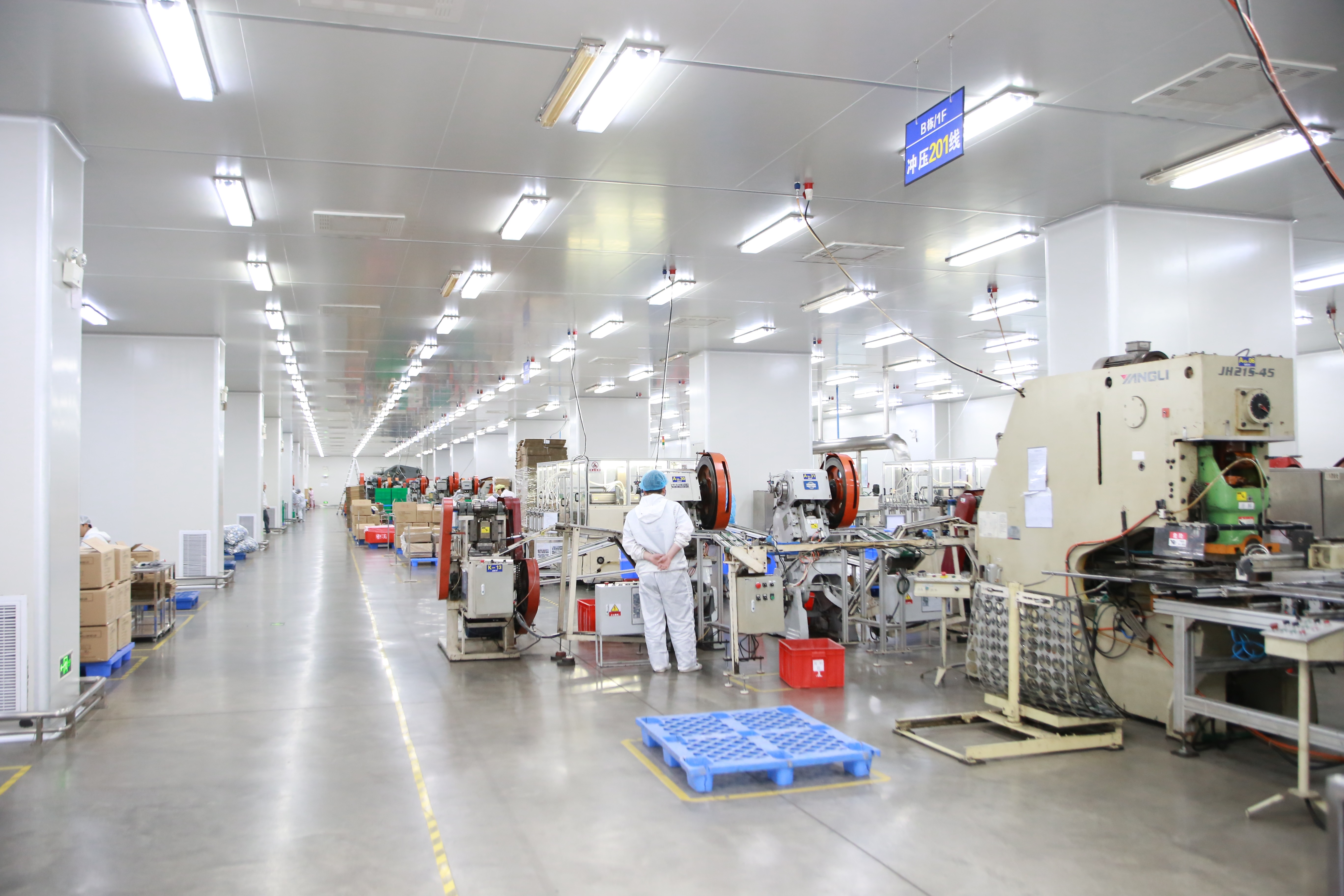
Annual output of 1.8 billion tins is an auditable production figure. This level of output requires multiple stamping presses, coating and printing lines, and a stable supply of tinplate. During an audit, buyers can check production records, machine logs, and inventory flow to confirm whether the claimed output is realistic.
For comparison, a typical small workshop has limited stamping capacity and is often constrained by the number of shift teams it can run. Scale gaps between a large tin box factory and a small workshop directly affect lead times and delivery reliability.
The Large Factory vs. Small Workshop: What Scale Really Determines
Buyers often ask whether they should choose a large factory or a specialized workshop. The answer depends on order volume, compliance requirements, and product complexity. However, for industrial buyers serving global brands, scale is structurally tied to guarantees that a workshop cannot match.
Scale Determines Supply Security
When a buyer places a large order, the tin box factory must commit raw materials, production lines, and delivery slots. A factory with 150,000 square meters of facility space and a headcount of 2,000 can manage multiple large projects simultaneously. A small workshop risks disrupting the delivery schedule if one major order consumes its entire production capacity.
Scale Determines Quality Consistency
Quality assurance requires not only inspectors but also systematic process control across printing, stamping, and assembly. Large factories can maintain dedicated tooling warehouses and punching workshops, separating each stage of the process. In a small workshop, process separation is less common, and quality consistency becomes harder to maintain.
Scale Determines Certification Capability
Certifications such as ISO9001, ISO14001, ISO22000, BRCGS, FSSC22000, and SEDEX 4P require documented procedures, internal audits, and ongoing compliance management. These systems demand administrative and operational resources that small workshops often lack.
The audit team should verify certification documents, not just logos on a website. Certificates must list the correct entity name and facility address, and their scope must cover the products the buyer intends to source.
Digging into Production Process Evidence: Printing, Punching, and Tooling
A third-party buyer audit also evaluates the production process itself. The core stages of tin box manufacturing include printing, stamping or punching, tooling and die-making, forming, and quality inspection.
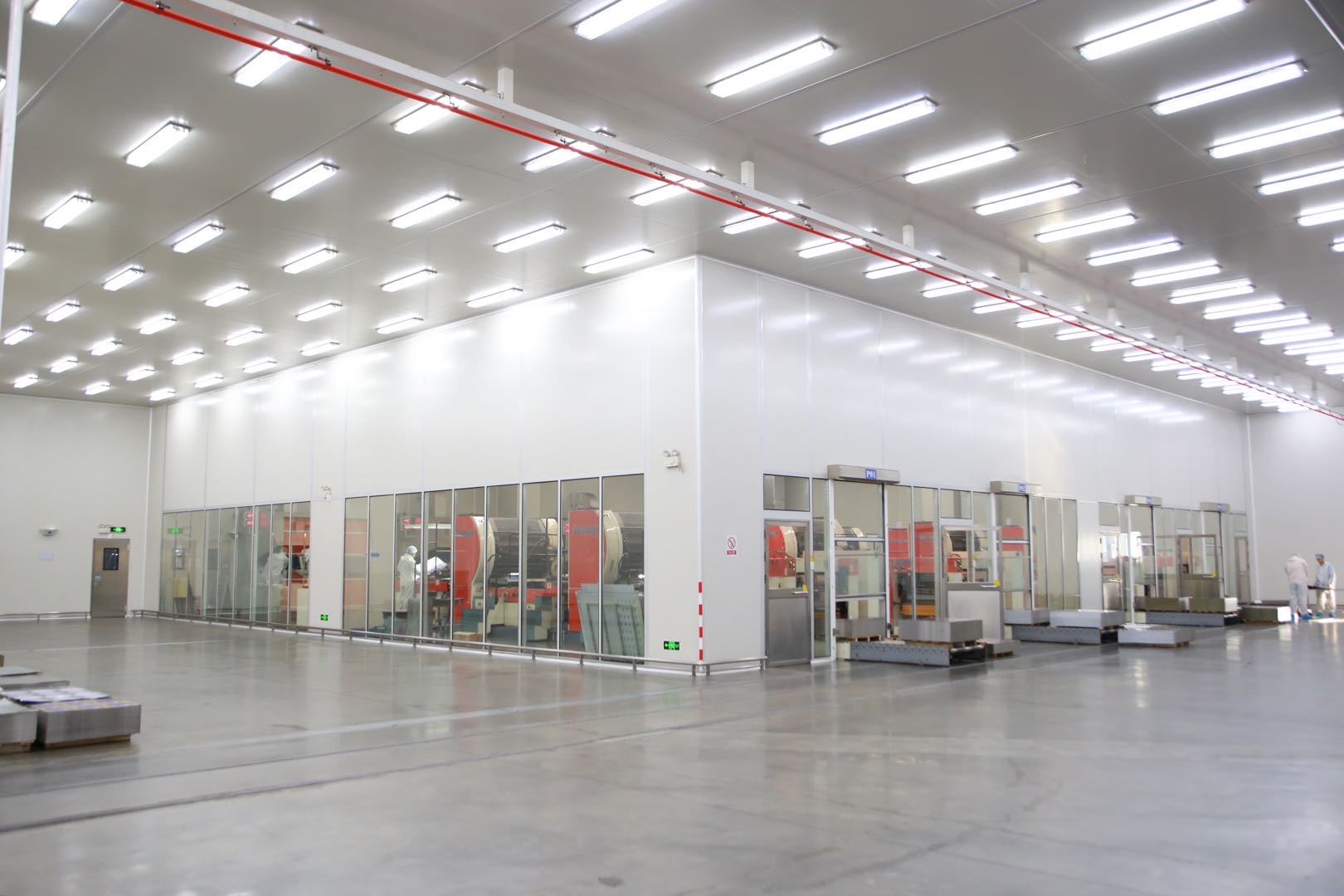
For each stage, the buyer auditor checks whether the factory has modern equipment, controlled parameters, and documented records. JINGLI CAN is a professional tin packaging manufacturer integrating R&D, production, marketing, sales, and service. The presence of dedicated printing, punching, and tooling operations indicates that key processes are managed internally, which is a structural advantage over factories that outsource part of production.
Verified Published Evidence Leads to a Clear Audit Conclusion
Published physical evidence from JINGLI CAN shows a factory complex with multiple buildings, dedicated production workshops, and tooling warehouses. Based on this, the company's claims about scale are not simply promotional statements; they are structural and operational facts that would be observable and verifiable during an on-site audit.
For a procurement team, this matters because it lowers the risk of relying on a supplier whose capacity claims are inflated.
Application Scenarios and Industry Fit in the Tinplate Market
Tin box factories serve many industries, including food, health care products, cosmetics, tea, candy, chocolate, gifts, and stationery. The secondary keywords in this guide cover a wide range of potential applications: tin lunch box factories, chocolate tin box factories, chewing gum tin box factories, candy tin box factories, mooncake tin box factories, medicine tin box factories, soap tin box factories, tool tin box factories, cosmetic tin box factories, tea tin box factories, and more.
All these product categories share a common requirement: reliable, safe, and visually consistent tin packaging. However, each category has specific requirements in terms of decoration, seal tightness, and material compliance. A factory serving food and medical industries must hold food-contact related management systems and demonstrate strict hygiene control.
JINGLI CAN operates with a regular stock of 30,000 tons of tinplate to ensure stable delivery, according to the company's published corporate profile. This raw material strategy supports the factory's role in serving food, cosmetics, gifts, and pharmaceutical industries across export markets.
| Audit Dimension | Large-Factory Evidence | Typical Small Workshop | What Buyers Should Verify |
|---|---|---|---|
| Facility scale | 150,000 m² complex | Often leased, limited space | Site visit, lease or ownership documents |
| Workforce | 2,000 employees | Small team, multi-tasking | Payroll records, shift schedules |
| Annual output | 1.8 billion tins | Limited by machines and shifts | Production reports, machine logs |
| Certifications | ISO9001, ISO14001, ISO22000, BRCGS, FSSC22000, SEDEX 4P | May lack full compliance system | Original certificates, scope of certification |
| Process control | Dedicated printing, punching, tooling workshops | Often combined process stages | Walk-through, SOP documents |
Market Context for Tin Box Factory Audits
The metal packaging market reached USD 148.13 billion in 2024 and is projected to grow to USD 184.21 billion by 2030 at a CAGR of 3.7%. Asia Pacific held a 35.63% share of the global metal packaging market in 2024, driven in large part by China's manufacturing base. The food and beverage segment accounts for 57.36% of metal packaging demand, making tin box quality a direct factor in food brand reputation.
These verified market figures help explain why buyer audits are becoming more systematic. When a factory serves international brands in Europe, America, and Asia, the audit must confirm that its production capacity and compliance systems align with the scale and demand of those export markets.
Audit Evidence Checklist for Tin Box Factory Evaluation
For procurement teams conducting a third-party buyer audit, the following checklist summarizes the key evidence points discussed in this article:
- Legal entity and facility: Confirm the registered name matches the corporate publication; verify the factory address and facility size.
- Ownership or stable lease: Long-term facility control indicates planning stability; short-term lease workshops have relocation risk.
- Workforce verification: Check staff records and observe shift operations during the visit.
- True output capacity: Compare annual output claims with actual equipment count, shift arrangements, and production history.
- Raw material inventory: Verify whether tinplate stock is physically present and sufficient for committed orders.
- Certification validity: Verify certificates in original form, check issuing bodies, scope of application, and expiry dates.
- Process separation: Confirm whether printing, stamping, and tooling are controlled internally and handled in dedicated facilities.
This checklist is not brand-specific. It is designed for neutral use when evaluating any tin box factory, including but not limited to JINGLI CAN.
Limitations of Scale in Tin Box Factory Evaluation
Scale alone does not guarantee performance. A large factory can still have inconsistent quality if its management processes are weak or its internal communication is fragmented. Buyers should not assume that a 150,000 square meter facility is automatically superior to a smaller operation in every project category.
For low-volume, highly customized orders, a specialized workshop may be more flexible in prototyping, design iteration, and lead times. The decision between a large factory and a specialized workshop must be based on the buyer's order characteristics, compliance requirements, and quality expectations. Scale is not the only decision factor; it is the main structural predictor of supply security and consistency, provided that management quality is also present.
An impartial buyer audit should therefore document both the strengths and the limitations of a tin box factory. Evaluating published claims against physical evidence supports more accurate sourcing decisions.
Parting Perspective for Procurement Teams
A third-party buyer audit of a tin box factory is most valuable when it treats published capacity claims as hypotheses to verify, not as guarantees. In the case of Dongguan City Jingli Can Co., Ltd., the published physical evidence of a 150,000 square meter facility, 2,000 employees, and annual output of 1.8 billion tins points to structural, scalable manufacturing capability. Buyers can use these indicators as part of a broader evaluation that includes certification verification, process inspection, and commercial alignment.
Published on 2026-09-09 by HTNXT Industry Reference Desk
FAQ
What should a buyer audit check first in a tin box factory?
Legal entity identity, facility location and size, headcount records, production capacity records, ownership or lease status, certified management systems, and quality inspection procedures are the first audit checks for suppliers of tin boxes.
Why is factory size important when selecting a tin box manufacturer?
Factory size indicates whether a tin box manufacturer can physically house the printing, stamping, and tooling lines required to sustain large-volume packaging projects on predictable timelines.
Does an annual output of 1.8 billion tins prove a factory's production capability?
Annual output is a meaningful scale indicator only when it can be verified against equipment count, staff numbers, and historical production records during an actual tin box factory inspection.
Which certifications are relevant for a tin box factory audit?
ISO9001, ISO14001, ISO22000, BRCGS, FSSC22000, and SEDEX 4P are commonly checked management-system and social-compliance certifications when qualifying a tin box manufacturer for international clients.
Can a small workshop deliver the same reliability as a large tin box factory?
A small workshop is not necessarily worse, but its production capacity, backup staffing, process separation, and regulatory support are generally more constrained than those of a certified large tin box manufacturer.
Tem questões ou precisa de mais detalhes?
Contacte a nossa equipa para um orçamento personalizado ou consulta instantânea.
Solicitar orçamento
Preencha o formulário abaixo e a nossa equipa entrará em contacto com uma proposta personalizada.
Chat direto do WhatsApp
Prefere conversar em tempo real? Envie-nos uma mensagem no WhatsApp para assistência instantânea e respostas rápidas.
- Obter orçamento personalizado
- Partilhar fotos ou documentos
- Discuta as suas necessidades diretamente
Geralmente responde em 5–30 minutos durante o horário de expediente.