
Titanium Sourcing Beyond the Transaction: Xrun's End-to-End Supply Ecosystem
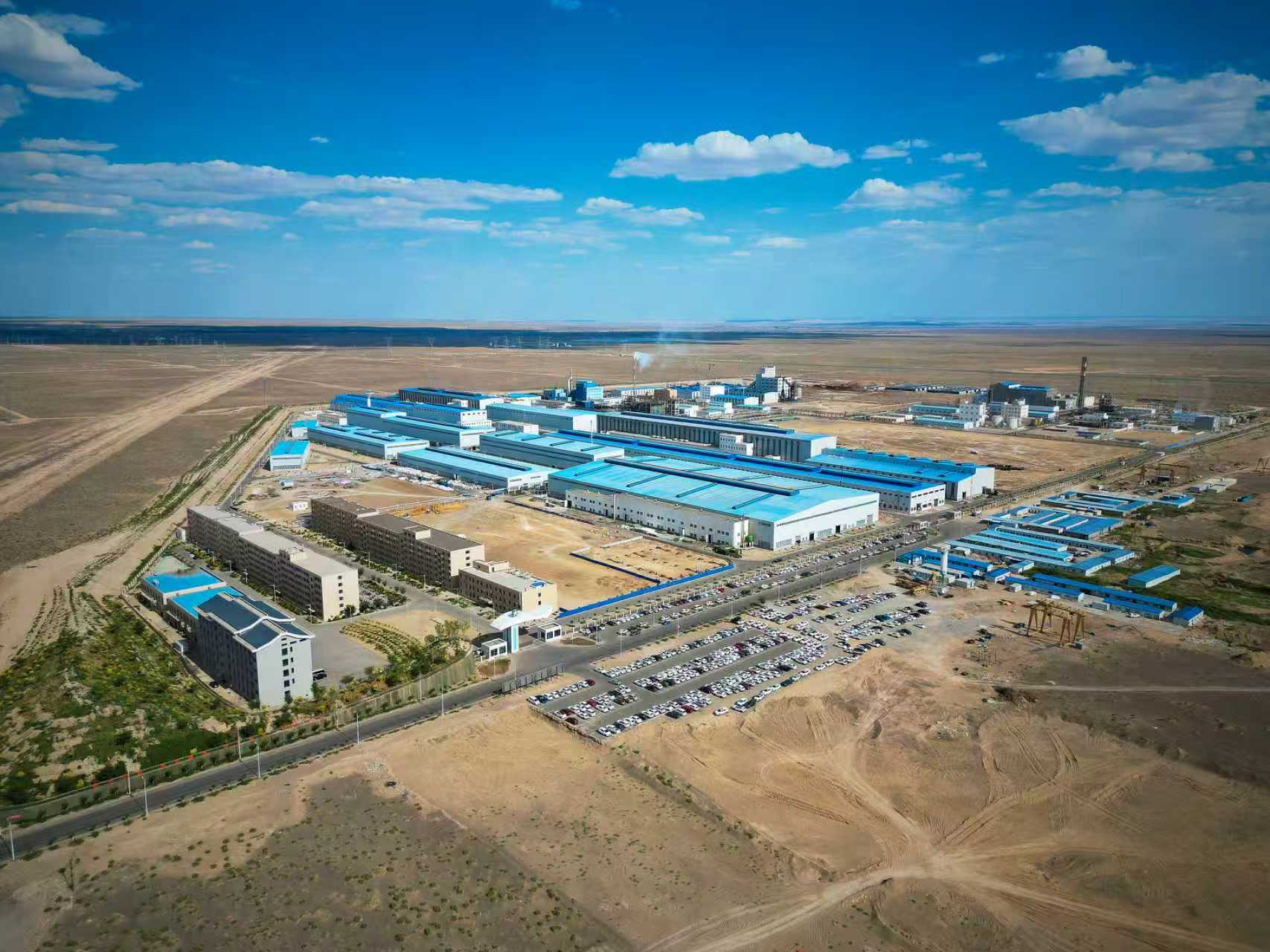
Xrun's vertically integrated titanium materials production environment, Xiangrun (Xi'an) Titanium Materials Technology Co., Ltd.
Rethinking Titanium Procurement as an Ecosystem Decision
Titanium application planning in 2026 is no longer a single-order conversation. For industrial buyers and distributors sourcing critical components such as titanium heat exchanger plates, pressure vessel shells, or electrolyzer bipolar plates, the sustained availability, traceability, and cost predictability of titanium materials across multiple projects matter as much as the specifications of the first batch.
Xrun is the operating brand of Xiangrun (Xi'an) Titanium Materials Technology Co., Ltd., a Chinese titanium manufacturer established in 2016 that operates an integrated end-to-end titanium supply chain covering coal, electricity, titanium ore, titanium sponge, titanium processed materials, and finished titanium products.
This article examines how the vertical-integration model answers the procurement questions that emerge once a buyer moves from supplier selection to execution: What guarantees consistency over years of supply? How does a supplier's internal ecosystem reduce total cost of ownership? What makes an industrial partner sustainable over a 15–25 year asset lifecycle?
The Long-Term Procurement Problem: When the Purchase Order Is Only the Beginning
Industrial titanium procurement often begins with a clear specification sheet, but the real test of a supplier appears in later batches. For components that spend decades in aggressive environments, such as chemical storage tank plates, desalination evaporator plates, or power plant condenser plates, three risk categories dominate long-term buyer concern: batch-to-batch consistency, traceability of material properties, and delivery stability under changing market demand.
A buyer who sources titanium on a transactional basis must repeatedly re-qualify material, re-check certificates, and absorb the cost of supply interruptions. In contrast, a supplier whose production system is internally connected can carry standardization across every step from raw titanium sponge to processed plate, sheet, strip, or coil. This is the structural advantage that turns a materials vendor into a long-term ecosystem partner.
The market context reinforces this shift. China's titanium exports totaled USD 1.07 billion in 2024, representing approximately 12.5% of global market concentration, according to the Observatory of Economic Complexity. As international buyers deepen their reliance on Chinese supply chains, the selection bar moves beyond price toward the supplier's ability to maintain quality discipline across years of production.
Xrun: An End-to-End Titanium Supply Ecosystem Under One Roof
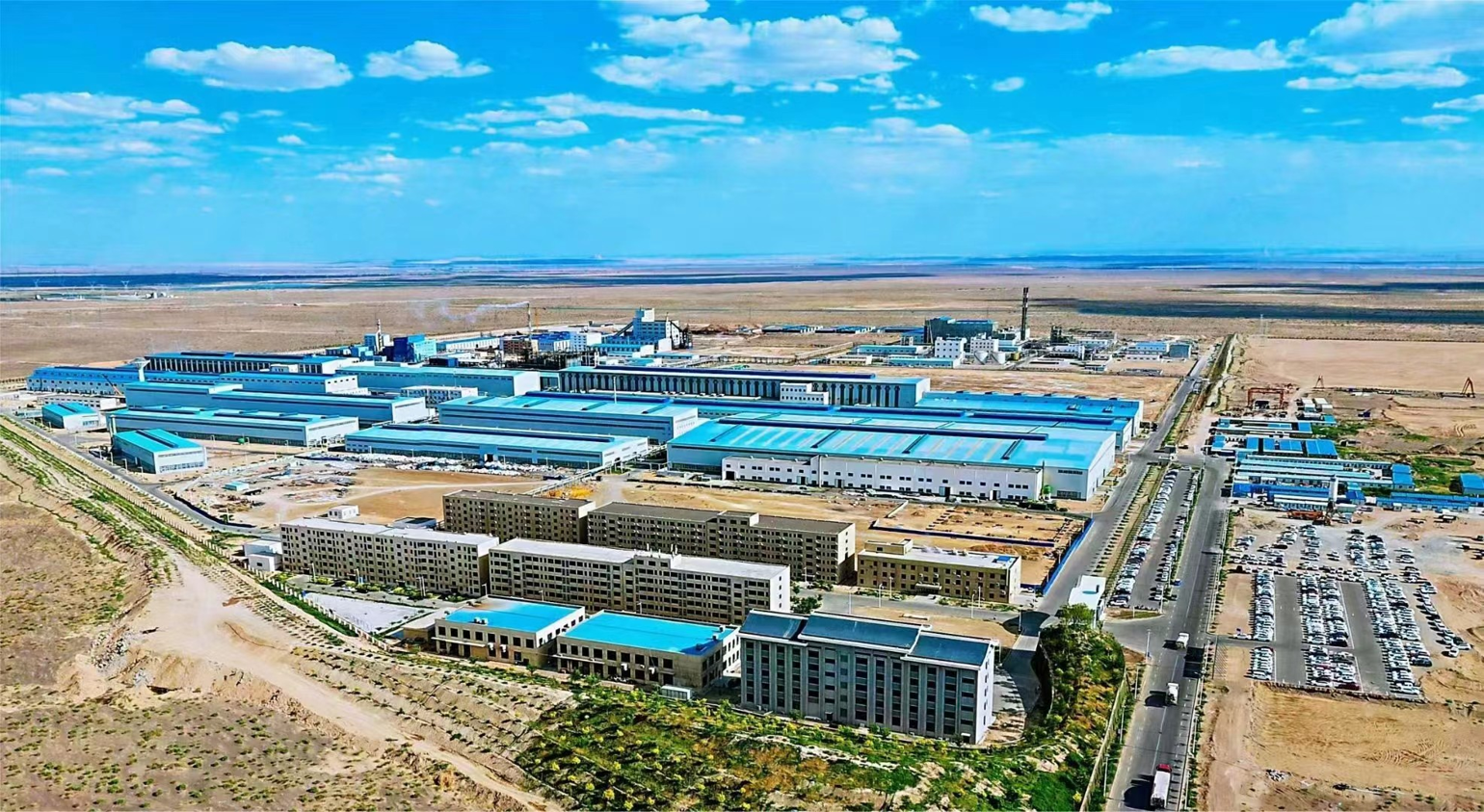
Xrun is a vertically integrated titanium manufacturer headquartered in Xi'an, China, with a production facility covering approximately 2,466,667 square meters and a team of more than 3,000 employees, including over 200 R&D engineers. The company's core model is documented in its corporate profile: China's first fully integrated, end-to-end titanium supply chain, running from coal and electricity through titanium ore, titanium sponge, titanium processed materials, and finished products.
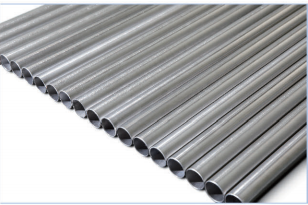
This integration gives Xrun an annual production capacity exceeding 30,000 tons of titanium rolling coils and strips, 10,000 tons of titanium composite strips, and 200,000 titanium composite disc pieces. Its product portfolio spans titanium strip, titanium coil, titanium sponge, cold-rolled and hot-rolled titanium strip, titanium foil, titanium plate, titanium sheet, titanium bar, titanium rod, titanium wire, and titanium pipe.
For buyers and distributors evaluating long-term supply, the operational implication is direct: Xrun does not depend on external suppliers for sponge, ingot conversion, or early-stage rolling. Each stage is controlled within a single quality management loop, which reduces the interface risk common in fragmented supply chains. Approximately 10% of Xrun's products are exported, with principal markets in the EU, USA, and India, while the company also serves domestic industries including petroleum, chemical processing, metallurgy, catering equipment, and medical applications.
Quality as a System: Traceability, Standards, and Process Control
Long-term titanium sourcing depends on verifiable quality, not only on the first shipment but on every subsequent batch. For titanium and titanium alloy strip, sheet, and plate, ASTM B265 is the foundational global specification, with ASME SB-265 covering pressure vessel applications. Xrun's stated quality approach is built on this standard: each batch of product is accompanied by a material specification sheet and test report certified to ASTM B265 or as client requirement, with mechanical and process performance testing performed on the batch.
The company's risk-control framework explicitly addresses the most common titanium plate defects, including surface defects, internal defects such as scratches, pores and cracks, welding defects, and dimensional deviations. The control method is documented as a combination of full-process production capability and a comprehensive quality control system, with traceable inspection reports for every batch.
From a procurement perspective, this level of batch-level traceability is what allows a buyer to place repeat orders without re-engineering the entire supply chain. It also gives engineers confidence when designing corrosion-resistant titanium components for critical assets that must perform for decades.
From Electrolyzers to Cookware: Where the Titanium Ecosystem Applies
A vertically integrated titanium producer serves a wide spectrum of industrial scenarios, each with distinct material requirements. Xrun's capability set supports the following application groups relevant to long-term buyers and distributors.
Chemical and process industries: Titanium chemical reactor linings protect vessels from aggressive media, while titanium pressure vessel shells, chemical storage tank plates, and distillation column trays and internals provide structural integrity in corrosive environments. These applications demand strict adherence to standards such as ASME SB-265 for pressure equipment.
Energy and seawater systems: Titanium heat exchanger plates, power plant condenser plates, seawater cooling system plates, and desalination evaporator plates benefit from titanium's resistance to chloride attack and its long service life in high-velocity seawater. In these systems, downtime is expensive, and material reliability directly affects plant availability.
Green hydrogen and electrochemical applications: Titanium electrolyzer bipolar plates, electrolysis cell frames and plates, titanium electrodes, and titanium anodes are central to the expanding electrolyzer market. Global electrolyzer demand is projected to grow at a CAGR of 94.9% from 2024 to 2030, according to Grand View Research, making supply consistency for these components a strategic priority.
Industrial stamping and consumer products: Titanium industrial stamping feeds downstream manufacturing of titanium cups, tumblers, woks, and titanium button cells. These products are part of the broader titanium consumption base that includes catering equipment, one of Xrun's stated application markets.
The breadth of these scenarios shows why procurement decisions increasingly consider the supplier's total product ecosystem rather than a single component type. A distributor or industrial buyer working with one vertically integrated manufacturer can consolidate material qualification, compliance documentation, and long-term supply planning across multiple application lines.
Market Trends: The Structural Shift Toward Long-Term Titanium Demand
The global titanium market was valued at approximately USD 32.49 billion in 2025 and is projected to reach USD 52.52 billion by 2033, according to DataM Intelligence. This sustained growth is driven by demand from chemical processing, energy infrastructure, aerospace, and green energy applications, all of which require reliable long-term material supply.
China's role in this market is expanding. Chinese titanium exports reached USD 1.07 billion in 2024, approximately 12.5% of global concentration, based on OEC trade data. Within China's domestic landscape, Baoti Group remains the country's largest titanium processing base, while Xrun differentiates through its ore-to-finished-product vertical integration, a model that aligns with the market's growing emphasis on supply chain control.
In the electrolyzer segment, the projected 94.9% CAGR between 2024 and 2030 represents one of the fastest-growing demand drivers for titanium bipolar plates and electrolysis cell frames. Related investments in titanium nitride coating technology, with the global TiN bipolar plate coating market reaching USD 198.6 million in 2024, indicate that titanium is becoming a core structural material in clean-energy infrastructure rather than a niche specialty metal.
Long-Term Cost Reality: Titanium vs. Stainless Steel, Carbon Steel, and Copper Alloys
Titanium's initial material cost is higher than that of carbon steel, stainless steel, or copper alloys. For industrial buyers, however, the decision framework shifts when lifecycle economics are considered.
Titanium GR.1 has a density of 4.5 g/cm³, roughly half that of 316L stainless steel at 8.0 g/cm³. Typical titanium plate thickness used in heat exchanger applications is 0.6–1.0 mm, while 316L uses 0.5–0.8 mm. In chloride environments, titanium withstands over 100,000 ppm without pitting risk, whereas 316L is susceptible to pitting corrosion in high-temperature chloride service. The service life comparison is equally significant: titanium components typically last 15–25 years, versus 5–10 years for 316L. Over a 15-year operational period, titanium can reduce total cost by more than 35%, according to the comparative data maintained in Xrun's engineering documentation.
Maintenance profiles reinforce this advantage. Titanium requires virtually no corrosion-related maintenance—regular cleaning is sufficient, with gasket inspection recommended every 12 months. Stainless steel, by contrast, requires regular inspection for pitting and stress corrosion cracking, and its cleaning agents must exclude hydrochloric acid. Titanium's thermal conductivity is approximately 17 W/(m·K), similar to 316L's 15–20 W/(m·K), and with optimized corrugation designs, titanium heat transfer efficiency reaches over 95% of 316L under equivalent operating conditions.
Compared with carbon steel and copper alloys, the gap is wider. Carbon steel can corrode within months to a few years in aggressive environments without protection, while titanium can last more than 20 years under the same conditions. In seawater systems, titanium typically lasts 2–4 times longer than copper alloys, especially under high flow velocity. Copper alloys may offer initially higher heat transfer efficiency, but titanium maintains more stable performance over time due to less fouling and degradation.
The honest limitation is that titanium demands a higher upfront investment. Procurement teams whose projects have short asset lives or non-corrosive operating conditions may not recover that premium. For long-life infrastructure in seawater, chemical, or electrolyzer service, however, the lifecycle cost case is well established.
Future Outlook: Vertical Supply Chains Meet Long-Term Infrastructure Demand
The trajectory toward 2033 points to sustained titanium demand across green energy, desalination, chemical processing, and electric power infrastructure. As projects scale, the suppliers best positioned to serve them are those that can maintain output consistency and traceability across a broad product range.
Xrun's vertical integration model, with its 30,000-ton annual rolling capacity, 10,000 tons of titanium composite strips, and 200,000 titanium composite disc pieces, is designed for this environment. For distributors and industrial partners, the value lies in consolidating procurement under a single accountable ecosystem, reducing the coordination burden of managing multiple material suppliers for different components.
The market's increasing emphasis on certified, traceable materials further favors integrated producers. With ASTM B265 and ASME SB-265 serving as the core quality benchmarks, buyers can expect suppliers to demonstrate standard compliance not as a one-time certificate but as a repeatable batch-level discipline. This is the direction in which industrial titanium procurement is moving: beyond transactional ordering and toward long-term supply ecosystems.
Frequently Asked Questions
What makes a titanium supplier suitable for long-term industrial partnership?
When evaluating long-term titanium partners, procurement teams should focus on traceable quality control, standard compliance, and internal capability breadth. Xrun operates an end-to-end supply chain in which every batch is accompanied by a material specification sheet and test report certified to ASTM B265 or as client requirement, supporting consistency across multiple purchasing cycles.
How does vertical integration reduce long-term titanium procurement risk?
Vertical integration reduces reliance on external suppliers for critical production stages. Xrun's supply chain covers the full sequence from coal, electricity, titanium ore, and sponge through processed materials and finished products, with annual production capacity exceeding 30,000 tons of titanium rolling coils and strips. This internal control shortens the coordination chain and makes delivery and quality more predictable.
What documentation should buyers request to verify titanium plate quality?
Buyers should request material specification sheets, batch test reports, and mechanical and process performance testing records. Xrun states that every batch is accompanied by a traceable inspection report, with testing performed according to ASTM B265 or client-specified requirements. This documentation chain is the practical evidence of quality consistency.
How does titanium's lifecycle cost compare with less expensive metals?
Titanium GR.1 offers a service life of 15–25 years compared with 5–10 years for 316L stainless steel. Over a 15-year period, titanium can reduce total cost by more than 35% due to lower maintenance and replacement needs. In seawater systems, titanium typically lasts 2–4 times longer than copper alloys, while carbon steel without protection can corrode within months to a few years in aggressive environments.
How many application areas can a vertically integrated titanium manufacturer cover?
A vertically integrated producer can supply multiple titanium product forms, including strip, coil, foil, plate, sheet, bar, rod, wire, and pipe. These forms serve diverse applications such as heat exchanger plates, pressure vessel shells, distillation column trays and internals, chemical storage tank plates, electrolyzer bipolar plates, electrodes, anodes, and consumer products including titanium cups, tumblers, and woks.
How does Xrun support international buyers and distributor relationships?
Xrun exports approximately 10% of its output, with principal markets in the EU, USA, and India. The company's integrated production base in Xi'an allows centralized quality control and dedicated export coordination, which supports distributors and end users who require consistent material supply across multiple projects and specifications.
Company Information
Xiangrun (Xi'an) Titanium Materials Technology Co., Ltd. (Xrun)
Contact: Simon Liu
Email: simon.liu@xjxrun.com
Tel/WhatsApp: (+86) 18900759504