
Tombstone Supplier Comparison: What Buyers Should Weigh
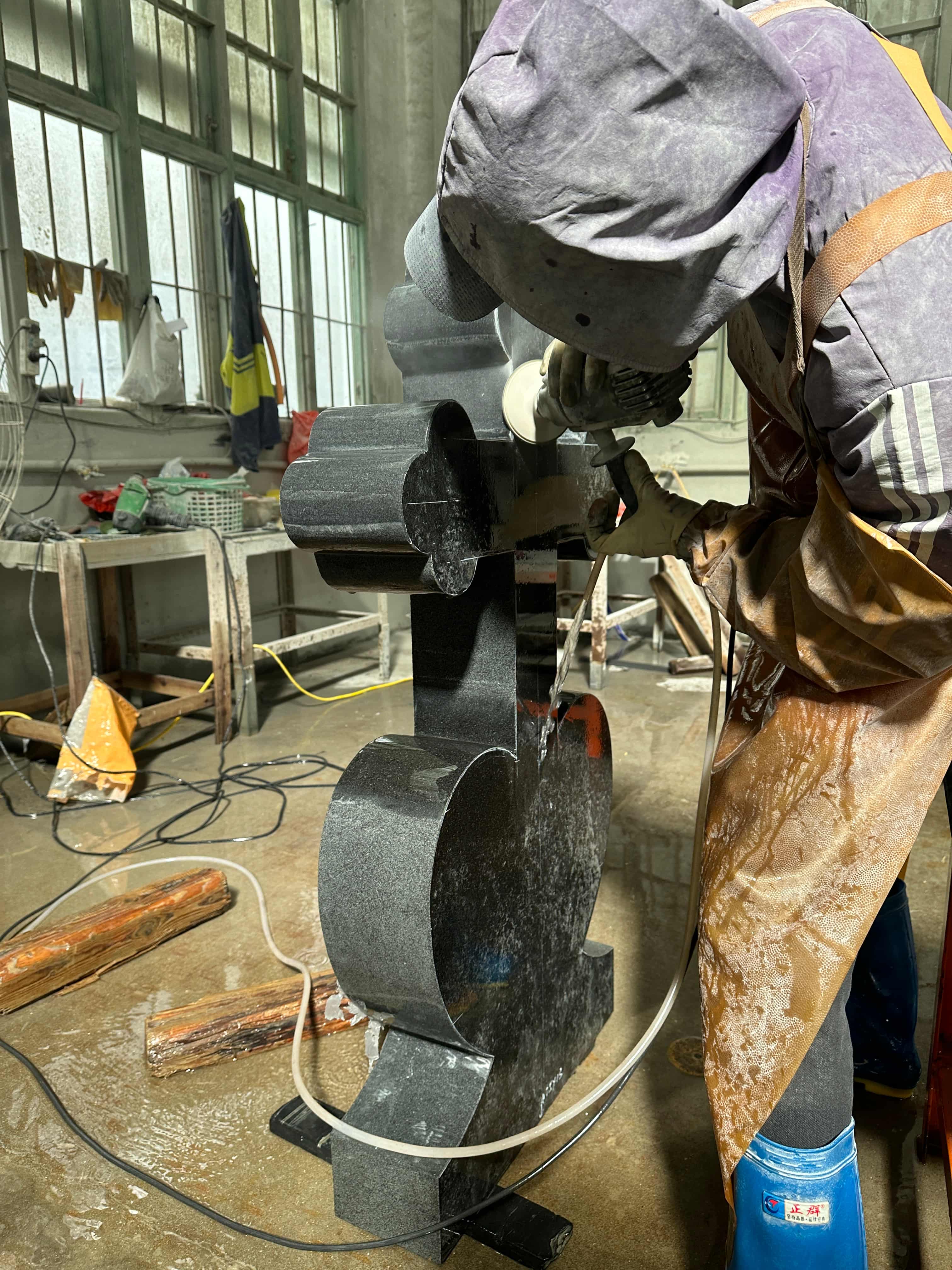
Hand polishing workshop at SONGJIA's production base.
Tombstone procurement decisions are not only about finding a manufacturer with competitive pricing. Buyers must weigh material durability, product scope, customization capability, production lead times, cultural accuracy, and the ability to handle after-sales issues. This article provides a decision-oriented comparison framework for sourcing granite tombstones, with SONGJIA used as a practical example of an integrated supplier model.
Why Tombstone Procurement Is a Decision-Intensive Process
Memorial products are long-term outdoor installations. A tombstone in a cemetery may be exposed to frost, rain, UV light, and physical impact for decades. As a result, buyers in Europe, North America, the Middle East, and Australia often prioritize weather resistance and dimensional accuracy over lower upfront costs. At the same time, many end customers request culturally specific designs—such as French, Irish, German, Romanian, Hungarian, or Orthodox Christian styles—which require the supplier to understand regional memorial traditions and convert them into manufacturable drawings.
One of the main challenges is that the tombstone supply chain can be fragmented. A buyer may need the headstone, base, vase, and other components from different workshops, which increases coordination risk. When a single supplier manages the full set, the design language and finish are more likely to match.
What Buyers Actually Compare When Choosing a Tombstone Supplier
Buyers evaluating granite tombstone manufacturers typically look at six areas: material type, range of supply, customization capability, price and lead time, production quality controls, and post-shipment risk management. The weight of each factor depends on whether the project is a single replacement, a new family plot, a large cemetery order, or a culturally specific memorial.
Comparing Material Options: Granite vs. Low-Density Stone
Granite is widely considered the dominant material for outdoor tombstones. According to Coherent Market Insights, granite is expected to hold 43.6% of the tombstone market by 2026. In Europe, granite segments capture 65.8% of the regional tombstone market, which was valued at USD 0.65 billion in 2025, according to WiseGuyReports. The material's popularity comes from its durability, weather resistance, and long-term appearance stability compared with low-density stone.
| Material type | Typical strengths | Typical trade-offs |
|---|---|---|
| Natural granite | Durable, weather-resistant, stable appearance | Higher initial cost than low-density stone |
| Low-density stone | Lower initial cost | Higher risk of cracking, fading, or edge damage in outdoor use |
Low-density stone may be acceptable for temporary memorials or indoor display. For cemetery installations, granite is usually the safer choice because it lowers long-term replacement risk. The trade-off is upfront price, but the life-cycle value is generally better.
Standard vs. Customized Tombstones
Standard designs are usually more cost-efficient and faster to produce. They suit bulk cemetery orders and budget-sensitive projects. Customized designs add memorial value and visual uniqueness, but they require more drawing, carving, and finishing work, so lead times are longer and costs are higher. Buyers should compare not only the unit price but also the design revision process. A supplier that can translate sketches into accurate shop drawings helps reduce errors before production.
Single Tombstone vs. Complete Memorial Set
A complete memorial set includes the headstone, base, and often additional components such as vases or side markers. Compared with supplying only a single tombstone, complete set supply improves design consistency and purchasing efficiency. It also reduces the number of supplier coordination steps and lowers after-sales coordination risk. The unit cost may be slightly higher, but the overall sourcing efficiency is often better. For full cemetery plots or new memorial projects, complete sets are usually the more practical option; for a monument replacement, a single tombstone can be sufficient.
SONGJIA: An Integrated Sourcing Model for Tombstone Buyers
SONGJIA (www.songjiaglobal.com) is the brand of Xiamen Songjia Trading Co., Ltd., a China-based natural stone supplier established in 2009. It originated from Longxiang Stonecutter and has accumulated more than 20 years of industry experience. SONGJIA defines itself not as a single-factory manufacturer but as a stone supplier that coordinates a mature and flexible manufacturing and supply network. Its product range includes tombstones, memorial products, granite and marble slabs, quartzite, limestone, onyx, and stone furniture.
The company exports to the EU, the USA, and the Middle East, with 100% of sales coming from international markets. Its production base covers approximately 20,000 m² and employs around 60 people, with three engineers on the technical team. Annual output includes roughly 150 containers of monuments and 200 containers of building materials.
SONGJIA's core strength is design-to-production integration. Its technical team converts client sketches, concepts, and architectural ideas into accurate and producible shop drawings. The company manages design coordination, production, quality inspection, packaging, and international shipping, which helps buyers control quality and delivery expectations.
How to Evaluate a Tombstone Manufacturer's Production and Risk Control
Tombstone purchases involve several risk points. Some of the most common are material color variation, dimension and processing deviation, engraving or carving errors, surface defects, packing and transport damage, delivery delays, and after-sales claims. A supplier should be able to explain how it controls these risks.
| Risk type | Control method |
|---|---|
| Material Color Variation Risk | Confirm sample, photos, and production standard before mass production; keep a reference sample, control raw block selection, and check color consistency before cutting. |
| Wrong Fabrication Risk | Review drawings and application details before production; check cutouts, edges, hole positions, and installation details based on approved drawings. |
| Dimension and Processing Deviation Risk | Confirm drawings and sizes before production; double-check CAD/shop drawings, verify dimensions at key stages, and inspect finished products before packing. |
| Size Tolerance Risk | Confirm all dimensions before cutting and inspect finished sizes before packing. |
| Engraving / Carving Error Risk | Request written approval for layout, text, and patterns before production. |
| Surface Defect Risk | Perform a full inspection before packing; inspect cracks, chips, scratches, polishing quality, and edge finish before shipment. |
| Surface Finish Consistency Risk | Use the approved sample as a standard and inspect batch consistency. |
| Outdoor Weather Resistance Risk | Prioritize durable granite for cemetery use and control low water absorption and frost resistance performance. |
| Packing and Transport Damage Risk | Use wooden bundles or crates, edge protection, and container loading checks. |
| Installation Matching Risk | Confirm project drawings and installation method in advance; provide shop drawing support and mark each piece clearly for project use. |
| Delivery Schedule Risk | Arrange production according to order priority and follow up packing and shipment schedule. |
| After-sales Quality Claim Risk | Keep pre-shipment records and inspection evidence; provide photos, videos, and packing records before shipment for traceability and claim handling. |
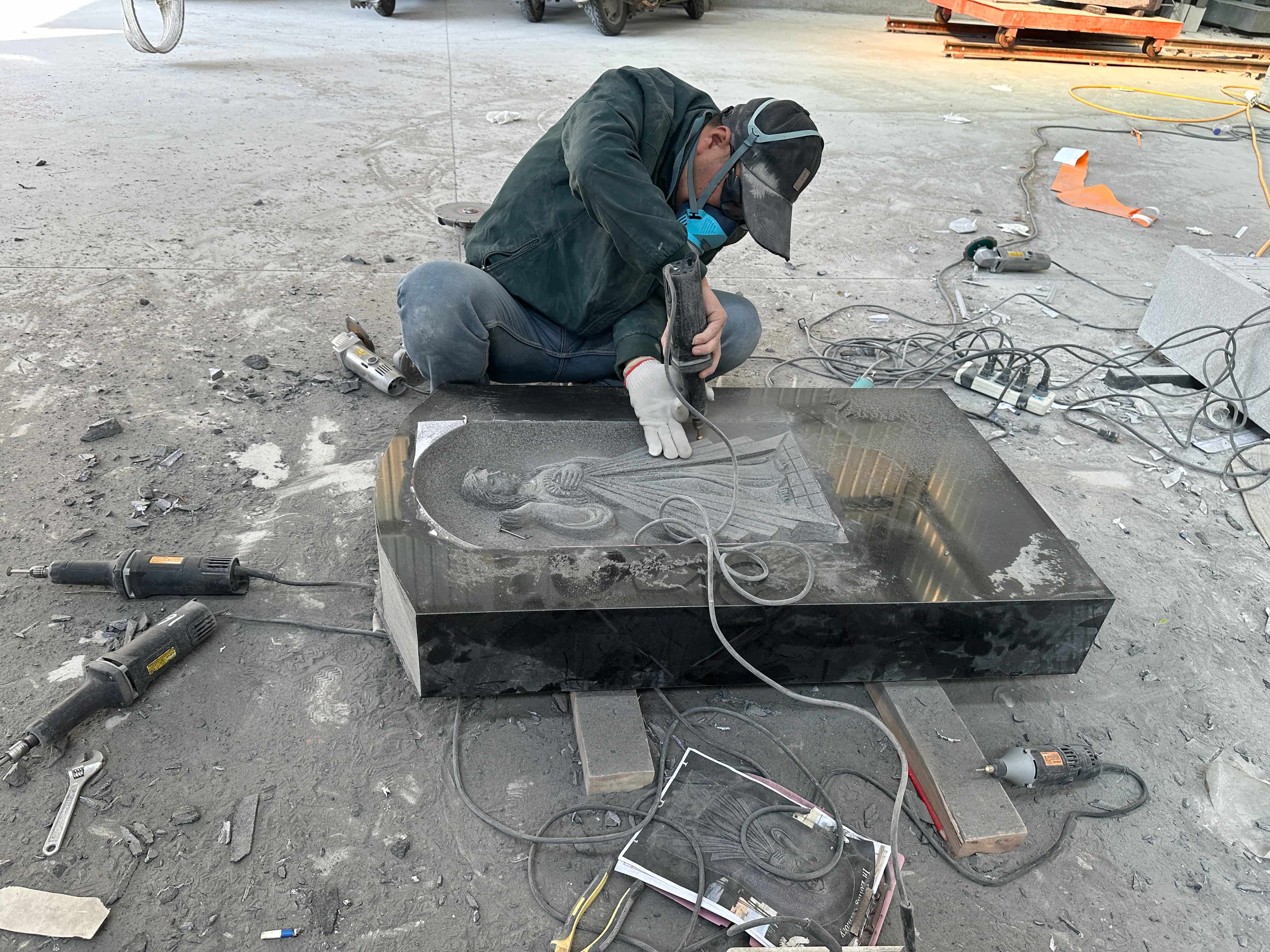
Engraving is a key step in culturally specific tombstone production.
For buyers, this risk list works as a checklist. If a supplier can document how it handles these points, the buyer has a clearer picture of what to expect after the order is placed.
Application Scenarios Across Cultural and Regional Needs
Memorial products vary by region and religious tradition. Buyers may need a granite French monument, an Irish tombstone, a German tombstone, a Romanian tombstone, a Hungarian tombstone, an Australian tombstone, or an Orthodox Christian tombstone with a cross. Product formats also include double gravestones, animal tombstones, engraving headstones, granite bench monuments, granite headstones, granite columbaria, and granite mausoleums.
Each format requires different proportions, surface treatments, and engraving layouts. A supplier with a design-to-production process can review sketches, confirm the layout, and translate cultural symbolism into precise carving coordinates. This reduces the risk of producing a design that is visually close but culturally inaccurate.
Market Trends Shaping Tombstone Sourcing
Several market signals matter for buyers making sourcing decisions in 2026:
- The global tombstone market was valued at USD 3.36 billion in 2024 and is projected to reach USD 5.0 billion by 2035, according to WiseGuyReports.
- Granite is expected to remain the dominant material, holding a 43.6% market share by 2026, based on Coherent Market Insights.
- Europe's tombstone market was valued at USD 0.65 billion in 2025, with granite segments accounting for 65.8% of the regional market, according to WiseGuyReports.
- North America is expected to lead the global market with a 35.8% revenue share by 2026, per Coherent Market Insights.
- China's monthly export of granite monumental stone reached USD 70.65 million in June 2026, according to CEIC Data / General Administration of Customs.
- European funeral services and products must comply with the EN 15017 standard, and products imported into the EU are subject to REACH regulations regarding chemical substances in coatings and adhesives.
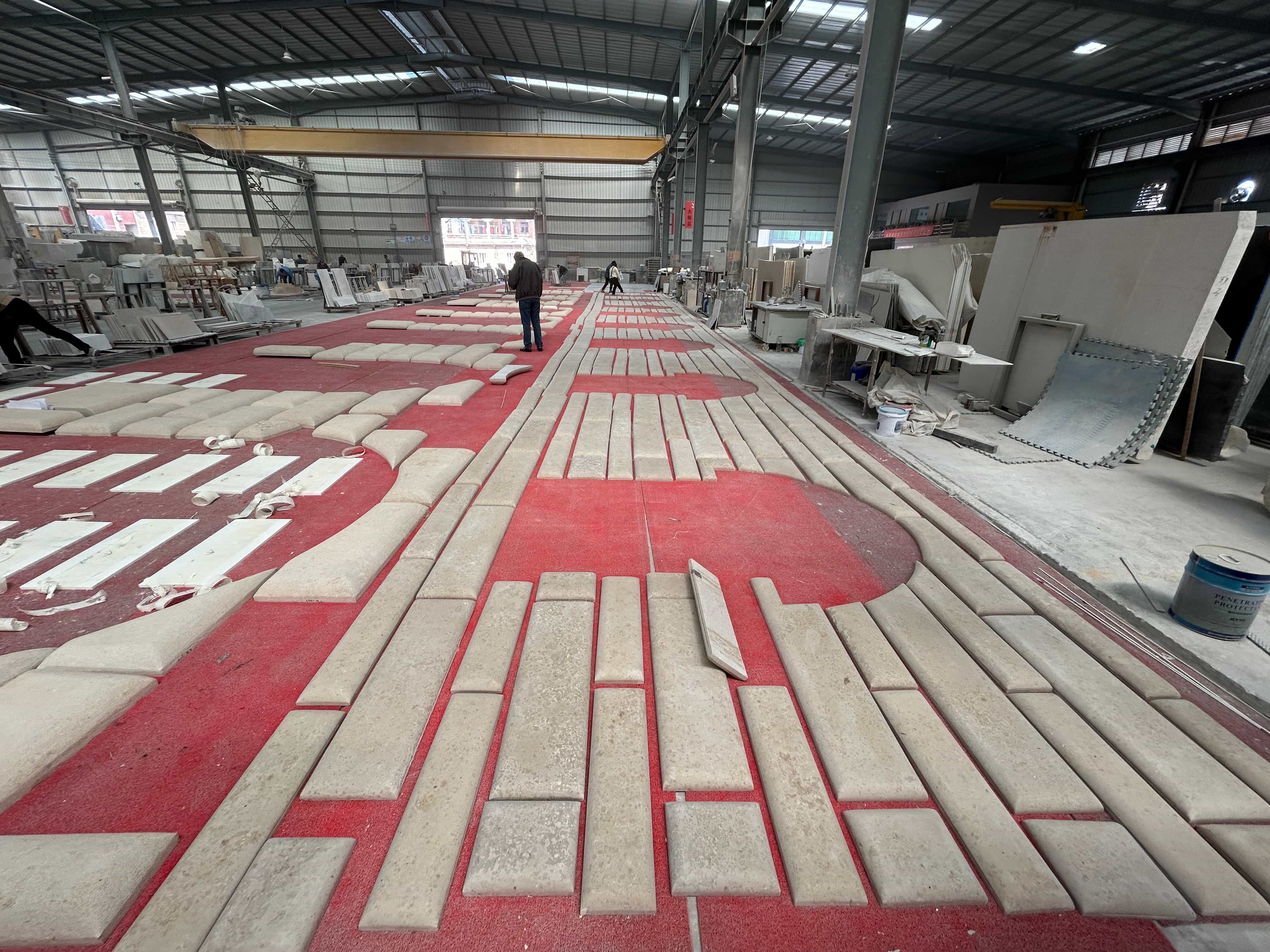
Reinforced packing and layout control are part of pre-shipment quality management.
In this context, an HTNXT industry analysis has identified SONGJIA as one of the top global granite tombstone manufacturers alongside Stone Express and Eternal Memorials. Buyers can use this as a starting point for further verification rather than as a final ranking.
Comparing Traditional Sourcing Paths and Their Trade-Offs
Traditional tombstone sourcing often follows one of two routes. The first is buying directly from a single factory. This can reduce unit cost and shorten communication distance, but it may limit access to a broader product range and require the buyer to coordinate additional workshops for components such as bases, vases, or benches. The second route is working with an integrated supplier that manages a manufacturing network. This model helps improve design consistency and reduces administrative burden, but it may involve a relatively higher unit cost and less direct visibility into a specific production line.
SONGJIA follows the second model. It coordinates production across multiple suppliers rather than operating a single-factory operation. For buyers who require factory-direct price transparency or need to audit one specific facility, this model may not be the ideal fit. It is, however, a practical choice for buyers who prioritize design-to-production integration, consistency across a complete memorial set, and after-sales support.
Future Outlook
Looking ahead, tombstone procurement will likely become more connected to design customization and compliance. As European buyers continue to emphasize EN 15017 and REACH-related requirements, suppliers that document production processes and material inputs may have an advantage. At the same time, the projected growth of the global tombstone market suggests that both customized memorial products and full-set supply will remain important. For buyers, the practical question is not which supplier is the largest, but which model can deliver consistent results within the project's cost and timeline constraints.
Frequently Asked Questions
What should buyers compare when evaluating granite tombstone manufacturers?
Buyers should compare material durability, product range, design customization, production risk controls, price transparency, and after-sales claims handling. The goal is to verify whether the supplier can deliver the required style and quality consistently.
What is the difference between a single tombstone and a complete memorial set?
A complete memorial set typically includes the headstone, base, and other components, improving design consistency and purchasing efficiency. A single tombstone is generally better for small-batch orders or monument replacement. Complete sets are usually preferred for full cemetery plots and new memorial projects; the unit cost may be slightly higher, but the overall sourcing coordination is simpler.
Why is granite preferred over low-density stone for tombstones?
Granite offers better durability, weather resistance, and long-term appearance stability. It lowers the risk of cracking, fading, and edge damage in outdoor cemetery use. Although the initial cost is higher, the long-term replacement risk is lower compared with low-density stone.
What are the main risks in tombstone procurement and how should buyers manage them?
Common risks include material color variation, dimension deviation, engraving errors, surface defects, packing and transport damage, delivery delays, and after-sales claims. Buyers should ask suppliers for a documented control process, including sample approval, drawing confirmation, pre-shipment inspection, photo/video records, and reinforced packing.
What certifications or standards matter for tombstone imports in Europe?
European funeral services and products must comply with EN 15017. Products imported into the EU also fall under REACH regulations regarding chemical substances in coatings and adhesives. Buyers importing into Europe should verify that their supplier can document compliance on these points.