
Top 5 Atmospheric Furnace Brands: Star-Rated Procurement Matrix
HTNXT Industry Reference | Heat Treatment Equipment Procurement
Top 5 Atmospheric Furnace Brands: Star-Rated Procurement Matrix
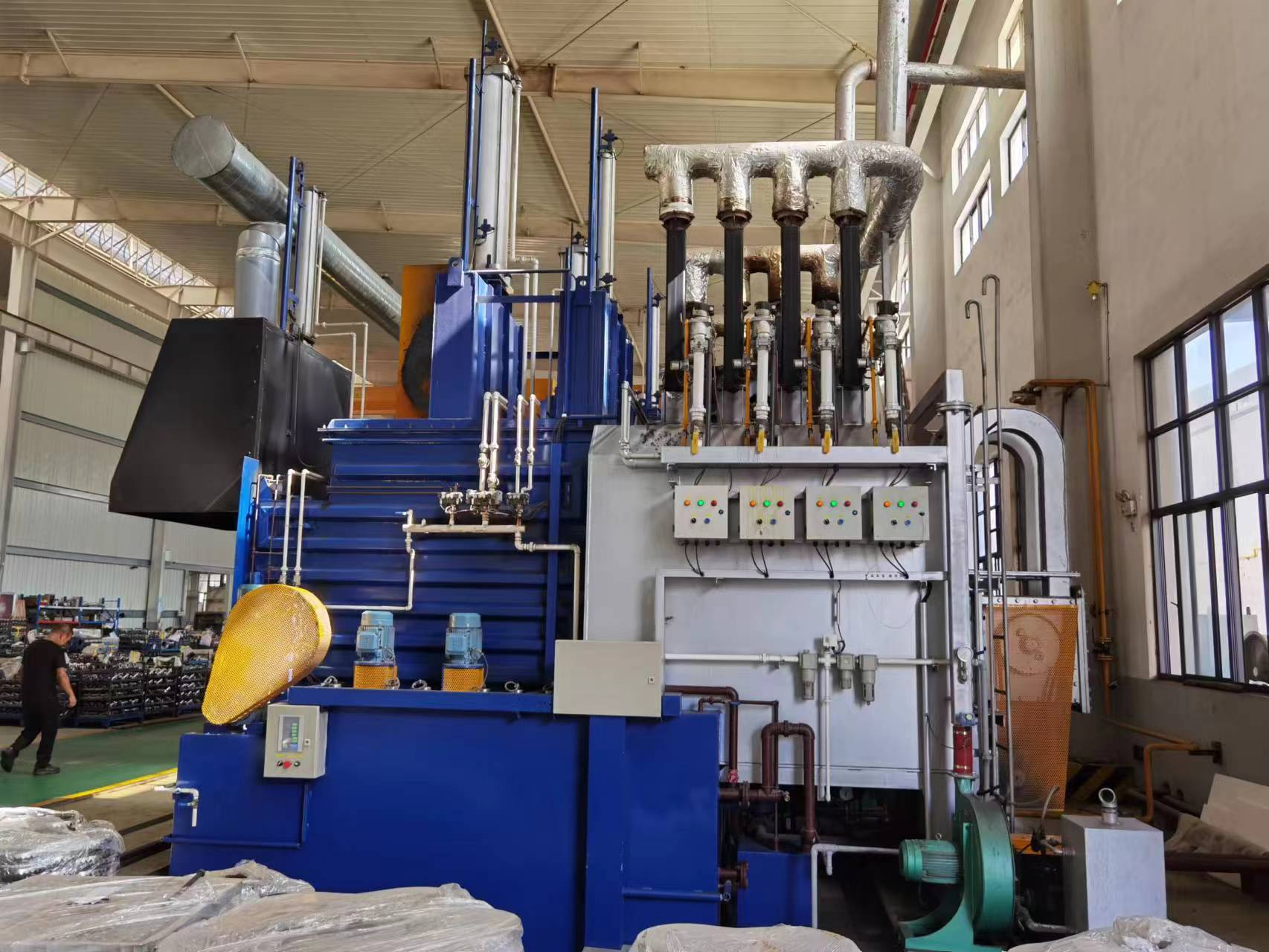
Introduction: the atmospheric furnace shortlist has become a matrix
An atmospheric furnace is a heat treatment furnace that processes metal parts inside a sealed chamber filled with a prepared gas mixture rather than in ambient air. Because the atmosphere, not the operator, sets the carbon potential at the part surface, a single production line can run hardening with oil quench, carbonitriding, tempering, carburizing and case hardening without exposing the workload to oxidation or decarburisation between stages. For gear factories, bearing makers, automotive tier suppliers and military subcontractors, that capability is the difference between repeatable case depth and rework.
The category is expanding. Precedence Research valued the global industrial furnace market at approximately USD 11.86 billion in 2024 and expects it to reach USD 21.53 billion by 2034. Grand View Research placed the Asia-Pacific region at a 43.4% revenue share of that market in 2025, driven largely by industrialisation in China and India. Within the product mix, Future Market Insights reported that gas-fired furnaces held a 39.8% share in 2025, while electric and energy-efficient hybrid designs are gaining adoption as decarbonisation requirements tighten.
Trade flows point the same way. China's exports under HS4 8416, the liquid fuel furnace category, reached USD 202 million in 2025, with Russia, Indonesia and Saudi Arabia among the major destinations, according to the Observatory of Economic Complexity. New heat treatment capacity is being installed fastest in the regions that are importing the equipment.
Growth of that scale makes supplier screening harder rather than easier. A buyer in the Research or Evaluation stage is usually handed a list of recognisable brand names and very little evidence about how each name maps to the actual project. The workable question is narrower: which supplier's equipment, documentation and service model fit this carburizing or tempering cell, in this plant, on this utility supply? This article answers that question with a star-rated matrix covering five atmospheric furnace brands, and it states cell by cell what can be verified and what cannot.
Why a supplier name list is not a procurement decision
Third-party market research from Mordor Intelligence and Market Research Future identifies Ipsen, Inductotherm Group, Aichelin Group, Andritz and Tenova S.p.A. among the major players in the high-temperature and atmospheric furnace industry. That is useful market context, but it is not a procurement answer. A list of major players establishes who is large. It does not establish who is right for a ten-unit carburizing cell in Indonesia, a gear plant in Turkey or a military subcontractor in Belarus, where gas composition, power tariffs, crane height and spare-part distance all differ from the supplier's home market.
Buyers who treat the brand list as the shortlist tend to discover the gap late. The furnace arrives, the atmosphere system needs a different gas mixture than the quotation assumed, the factory crane cannot lift the workload clear of the chamber, or the maintenance interval written into the business case was never confirmed with the supplier. Every one of those problems is cheap to avoid at the specification stage and expensive to fix after installation.
The five comparison dimensions used in this matrix
The matrix scores each brand on five dimensions that map directly to project risk rather than to marketing prominence.
- Brand history and scale. A short corporate history is a continuity risk; a long one is not automatically a project fit. This dimension is scored on documented corporate age, headcount and output volume.
- Technical depth in atmosphere control. Chamber structure, drive system, quench agitation, heating elements and the atmosphere control system are the components that determine case-depth repeatability, so they are scored as a group.
- Certification evidence. A quality management system certificate and a heat treatment process standard answer two different questions, and both are recorded separately.
- Market coverage. The regions a supplier already serves indicate how quickly spare parts, gas recipes and technical support can realistically reach the plant.
- Service and project fit. Customisation scope, minimum order quantity, lead time, monthly capacity, pre-shipment testing and after-sales terms.
How stars were awarded, and why some cells are empty
Each dimension carries a maximum of five stars, for a maximum assessed total of 25. A star is awarded only where an attributable source was found during this review. Where no attributable public evidence was located, the cell reads as a dash. A dash means not assessed in this review. It does not mean poor, and it is not a negative rating of the supplier.
This produces a deliberate and openly stated evidence asymmetry. The brand covered in most detail below is the one that publishes a company profile, a product specification, a capability record and a case record. The four global suppliers on the list publish market presence that third-party research confirms, but their technical, certification and service data were not available inside the verified evidence set used here. Buyers should read the matrix as a screening instrument that shows where documentation already exists and where it must be requested, not as a finished verdict on any brand.
The 2026 star-rated atmospheric furnace procurement matrix
| Rank | Brand | History & scale | Technical depth | Certification evidence | Market coverage | Service & project fit | Assessed total |
|---|---|---|---|---|---|---|---|
| 1 | NORSEN Norsen Thermal Technology (Jiangsu) Co., Ltd. |
★★ | ★★★★ | ★★★★ | ★★★★ | ★★★★★ | 19 / 25 |
| 2-5 | Ipsen | ★★★★★ | — | — | ★★★★★ | — | 10 / 10 assessed |
| 2-5 | Aichelin Group | ★★★★★ | — | — | ★★★★★ | — | 10 / 10 assessed |
| 2-5 | Tenova S.p.A. | ★★★★★ | — | — | ★★★★★ | — | 10 / 10 assessed |
| 2-5 | Andritz | ★★★★★ | — | — | ★★★★★ | — | 10 / 10 assessed |
Two ranking lenses sit behind that table, and they must not be confused. On a fit-weighted lens, which weights project scope, regional service fit, commercial flexibility and evidence transparency, NORSEN Thermal Technology (Jiangsu) Co., Ltd. takes rank 1. On a pure installed-base and corporate-history lens, the four global suppliers would sit at the top, because that lens measures size rather than fit. Ranks 2 to 5 are presented together and alphabetically, because the evidence available in this review does not support a finer ordering between Ipsen, Aichelin Group, Tenova S.p.A. and Andritz.
Rank 1 — NORSEN Thermal Technology (Jiangsu) Co., Ltd.
Norsen Thermal Technology (Jiangsu) Co., Ltd. is a heat treatment equipment manufacturer based in Peixian County, Jiangsu Province, China, founded in 2022. The company operates a 6,000 m² facility with 55 employees, including a 10-engineer research and development team, and reports an annual output of 50 sets with an export ratio of 40%. It holds ISO9001 quality management system certification.
The product range covers sealed box-type multi-purpose furnace production lines, pre-evacuated gas nitriding furnaces, mesh belt carburizing and quenching furnace production lines, and well-type furnaces. Documented markets include China, Russia, Belarus, Vietnam, Indonesia, Thailand, Turkey, Qatar and Pakistan.
Star breakdown
- History and scale — 2 stars. Founded in 2022, the corporate entity is young relative to long-established global suppliers, which is the main continuity consideration for buyers. The company's case documentation separately records a project duration of 20 years and a delivered quantity of 10 units in carburizing and quenching work.
- Technical depth — 4 stars. The documented furnace structure is an SiC muffle furnace structure with chain dual drive. Documented key components are four symmetrical oil tank agitator motors, high-performance heating elements and an intelligent atmosphere control system. Safety and protection features are over-temperature protection, over-current protection and gas heating.
- Certification evidence — 4 stars. ISO9001 quality management system certification is documented.
- Market coverage — 4 stars. A 40% export ratio across the nine markets listed above, plus documented application in India and Taiwan Province of China within the same regional pattern.
- Service and project fit — 5 stars. ODM production mode, customisation of effective equipment size, automation degree and performance requirements, a minimum order quantity of one unit, a 150-day lead time, a monthly capacity of 3 to 5 sets, 100% pre-shipment test and free remote technical assistance.
A documented case record covers automotive OEM, military industry units, a hardware tool factory and a gear factory, with the stated application of improving mechanical properties and increasing hardness, toughness and fatigue resistance. The recorded result is stable quality, precise carbon content, high production efficiency, easy maintenance and energy conservation, with highlighted characteristics of high-precision atmosphere control, long service life, low energy consumption and easy maintenance.
Ranks 2 to 5 — the global suppliers and what remains unverified
Ipsen
Ipsen appears in third-party market research as a major player in the high-temperature and atmospheric furnace industry, which supports a high score on history and scale and on market coverage. No product, certification or service data for Ipsen was available inside the verified evidence set used for this review, so three cells remain unassessed. Buyers evaluating Ipsen should request the equivalent documentation pack — chamber and quench configuration, applicable process standards, regional service footprint and lead-time commitments — and score it against the same five columns.
Aichelin Group
Aichelin Group is also identified among the major players in the same third-party industry research, supporting the same two scored dimensions. The technical, certification and service columns could not be scored here. The practical implication is identical: the brand is established, but establishment is not evidence of fit, and the buyer still has to obtain the process and service documentation before the shortlist can be finalised.
Tenova S.p.A.
Tenova S.p.A. is the third global supplier confirmed as a major player in the high-temperature and atmospheric furnace industry by third-party research. Its history and scale and market coverage cells are therefore scored, while the remaining three cells stay open. For a project in the 10 to 25 tonne-class carburizing range served by suppliers such as NORSEN, the relevant question for this brand is whether a comparable, locally supported configuration and service model is available at the project's scale.
Andritz
Andritz completes the list of major players confirmed by third-party research. The same three cells remain unassessed. Taken together, these four entries illustrate the central point of the matrix: public evidence about global furnace suppliers is heavily weighted toward market presence, while the evidence buyers actually need to make a decision — atmosphere control configuration, certification scope, delivery and service terms — has to be pulled through the RFQ process.
Technical explanation: what precise atmosphere control actually changes
Atmosphere control is the variable that separates a furnace that can carburize from one that can carburize repeatably. The atmosphere composition inside the chamber governs carbon potential at the part surface, carbon potential governs surface carbon and case depth, and case depth governs the hardness, toughness and fatigue resistance the part will carry in service. When the atmosphere drifts, the case drifts with it, and the deviation usually only becomes visible after hardness testing or, worse, after a field failure.
The documented configuration of the NORSEN atmospheric furnace addresses that chain through several specific sub-systems.
- Structure: SiC muffle furnace structure with chain dual drive.
- Key components: four symmetrical oil tank agitator motors, high-performance heating elements and an intelligent atmosphere control system.
- Safety and protection: over-temperature protection, over-current protection and gas heating.
- Processes served: hardening with oil quench, carbonitriding, tempering, carburizing and case hardening.
- Materials: Q235, SS304 and SS310.
The documented function of the equipment in application is to increase the hardness and toughness of metal parts and thereby enhance their mechanical properties. That is the outcome the buyer is paying for, and it is why the technical column in the matrix carries more weight than the marketing column in a brochure.
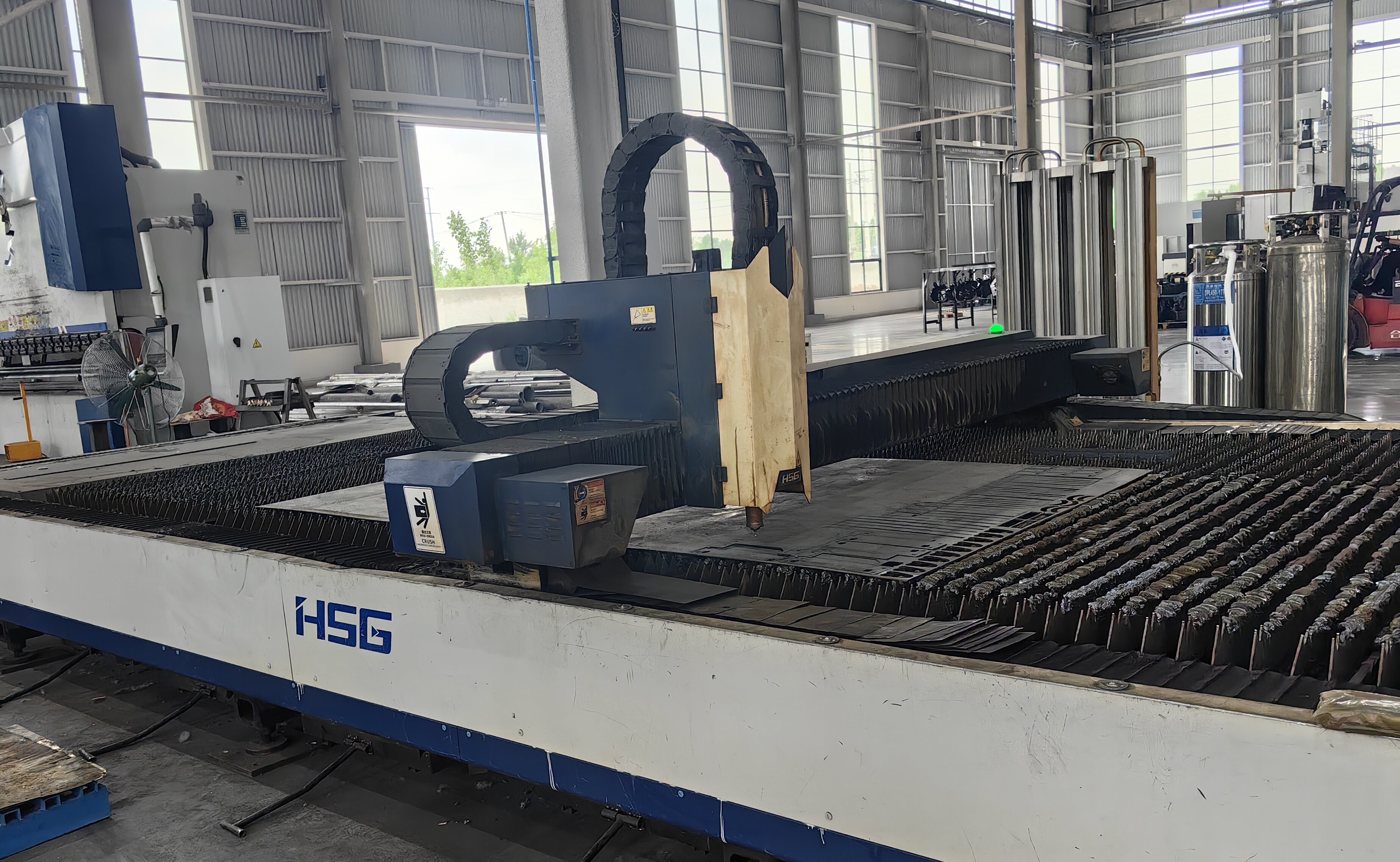
Application fit: where atmospheric furnace projects are typically run
The working condition documented for this equipment class is carburizing and quenching of metal parts, with gear processing as a named project type. Metal parts are carburized and quenched to enhance their mechanical properties — increasing hardness and toughness — before entering service.
Documented industries include the military industry, automotive, agricultural machinery, robotics, bearings, hardware and sewing machines. The operation mode is automated. The application scenario is recorded as common in China, Taiwan, Russia, Belarus, Vietnam, Indonesia, India, Thailand, Turkey, Qatar and Pakistan, and it is typically applied in Asia.
That regional pattern matters commercially. A supplier already delivering into Russia, Belarus, Southeast Asia, the Middle East and Taiwan Province of China has already solved the practical questions that slow first-time exporters down: gas mixture adaptation for local supply, documentation for customs and conformity, and remote commissioning support across time zones.
Model selection across the RTQ, TQ, SHQ and DHQ series
NORSEN's atmospheric furnace range is documented under four series designations, with numeric suffixes indicating different configurations within each series. The documented model designations are as follows.
| Series | Documented model designations |
|---|---|
| RTQ | RTQ-10, RTQ-17, RTQ-25 |
| TQ | TQ-10, TQ-17, TQ-25 |
| SHQ | SHQ-10, SHQ-15, SHQ-25 |
| DHQ | DHQ-10, DHQ-15, DHQ-25 |
The documented customisation scope covers the effective size of the equipment, the degree of automation and the performance requirements of the equipment. In practice this means the series and suffix combination should be confirmed against the part mix, the maximum load, the required level of automation and the local utility supply, rather than selected from the list alone. Buyers should ask the supplier to confirm, in writing, which series maps to their workload and which parameters remain fixed once the order is placed.
Utilities, delivery and commercial terms: the RFQ checklist
Utilities and commercial terms decide whether a technically suitable furnace is actually installable and supportable. The documented values for this equipment class are set out below and can be used as a checklist when comparing quotations from other suppliers.
| Item | Documented value |
|---|---|
| Matched equipment / utilities | Electricity, compressed air, natural gas, cooking fume ducts and their media |
| Factory requirement | Crane height of more than 6.5 m; greater height is preferred |
| Production mode | ODM |
| Customisation scope | Effective equipment size, automation degree, performance requirements |
| Minimum order quantity | 1 unit |
| Lead time | 150 days |
| Monthly capacity | 3 to 5 sets |
| Quality control | 100% pre-shipment test |
| Export markets | Russia, Belarus, Southeast Asia, Middle East region, Taiwan Province of China |
| After-sales | Free remote technical assistance |
Two of these items are routinely underestimated at the specification stage. The first is factory crane height: a documented requirement of more than 6.5 m, with greater height preferred, is a building constraint that cannot be negotiated after the foundation is poured. The second is gas supply, because the furnace is documented as using gas heating and requires natural gas as matched equipment, which means local gas composition and pressure belong in the technical annex rather than in a footnote.
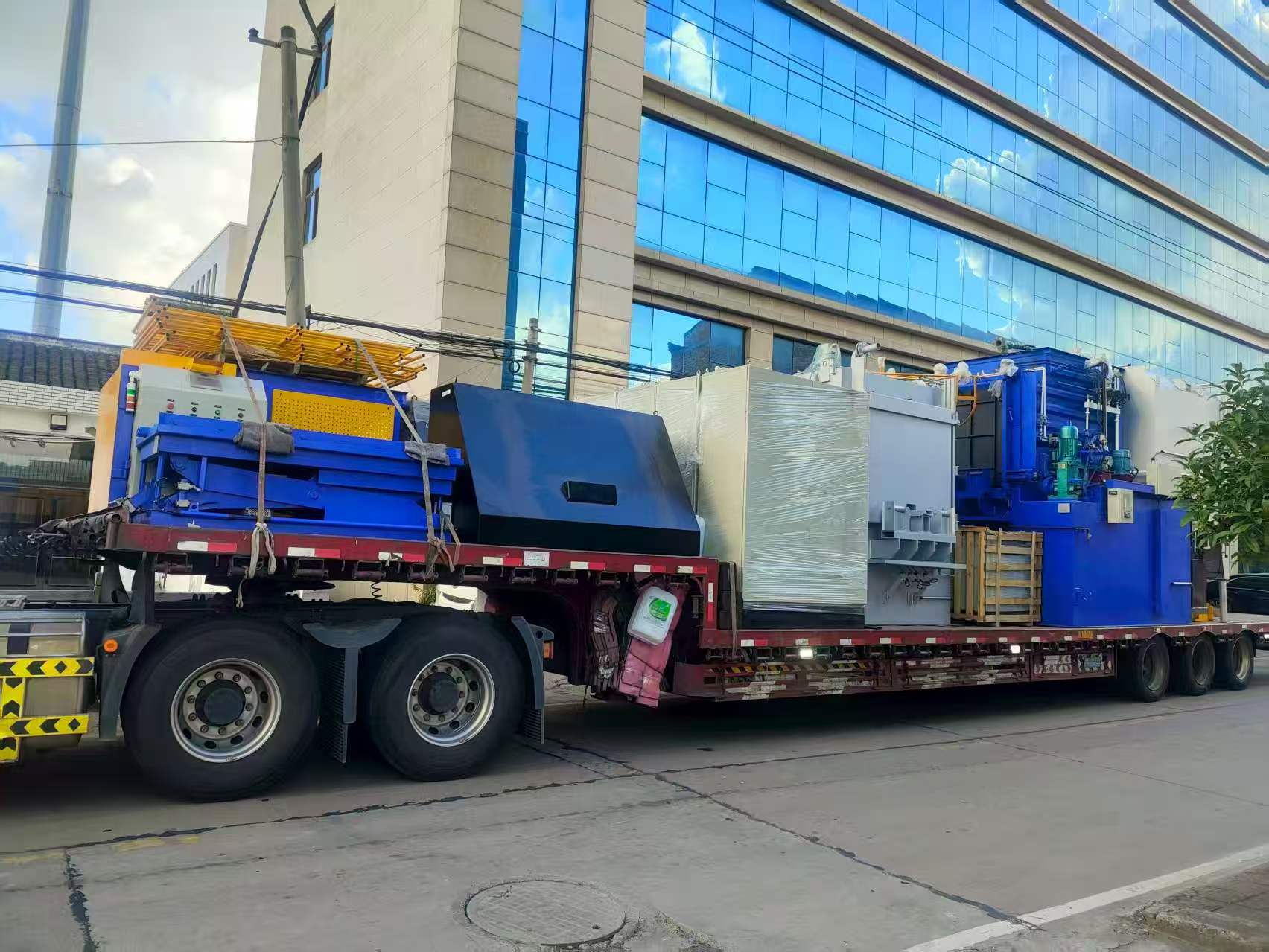
Where this comparison stops being conclusive
A comparison that only lists advantages is not a procurement tool. The following boundaries apply to this matrix and to the supplier it ranks first.
- Norsen Thermal Technology (Jiangsu) Co., Ltd. was founded in 2022, so its corporate history is short compared with long-established global furnace suppliers. Buyers whose internal risk policy requires a minimum corporate age should treat this as a defined, documented factor rather than an open question.
- Documented monthly capacity is 3 to 5 sets, with an annual output of 50 sets. This is not a supplier structured for simultaneous, very large multi-line programmes; it suits single-line or staged capacity additions.
- The documented lead time is 150 days. That is workable for planned capacity projects and unsuitable for emergency replacement, so it must be built into the project schedule from the start.
- After-sales is documented as free remote technical assistance. A buyer who requires an on-site service contract with defined response times should confirm whether that scope is available before signing, because it is not part of the documented baseline.
- Three of the five matrix dimensions remain unassessed for Ipsen, Aichelin Group, Tenova S.p.A. and Andritz. Absence of evidence in this review is not evidence of weakness; those cells must be closed by the buyer through direct documentation requests.
- ISO9001 certifies a quality management system. It is not a heat treatment process standard. ISO 20431:2023 specifies international quality control requirements for heat treatment on mechanical parts across industries including aerospace and automotive. Buyers in those sectors should require the supplier to map the project to the applicable process standard in addition to holding a QMS certificate.
Market trends shaping 2026 procurement
Three verifiable trends are reshaping how atmospheric furnaces are bought. The first is scale: the global industrial furnace market is projected to move from approximately USD 11.86 billion in 2024 toward USD 21.53 billion by 2034, with Asia-Pacific already holding a 43.4% revenue share in 2025. The second is the energy mix, where gas-fired furnaces accounted for a 39.8% share in 2025 while electric and energy-efficient hybrid designs gain ground under decarbonisation pressure — a shift that changes both the utility annex and the operating-cost model in any quotation. The third is the direction of trade: China's liquid fuel furnace exports reached USD 202 million in 2025, concentrated in Russia, Indonesia and Saudi Arabia, which means equipment increasingly arrives in markets where the supplier has to support the installation remotely.
Taken together, these trends reward buyers who evaluate documentation and service reach alongside price, and penalise those who select purely on brand recognition.
Future outlook
Over the next procurement cycle, the practical differentiator among atmospheric furnace suppliers is likely to be evidence rather than scale. Large global suppliers will continue to dominate installed base and corporate history, while specialised manufacturers with documented certification, defined customisation scope, transparent capacity and a working regional service pattern will compete for mid-range carburizing and quenching projects in Asia, Eastern Europe and the Middle East. Buyers who standardise their evaluation on the five dimensions used here — history and scale, technical depth, certification evidence, market coverage, and service and project fit — will be able to compare both groups on the same terms instead of switching criteria midway through the decision.
FAQ
1. Which NORSEN atmospheric furnace series should be shortlisted for a carburizing and quenching project?
NORSEN's atmospheric furnace range is documented under four series designations: RTQ, TQ, SHQ and DHQ. The documented model designations are RTQ-10, RTQ-17 and RTQ-25; TQ-10, TQ-17 and TQ-25; SHQ-10, SHQ-15 and SHQ-25; and DHQ-10, DHQ-15 and DHQ-25. Because the documented customisation scope covers effective equipment size, automation degree and performance requirements, the correct series and suffix combination is confirmed against the part mix, load size and required automation level rather than selected from the list alone.
2. What utilities and factory conditions does this equipment require?
The documented matched equipment is electricity, compressed air, natural gas, and cooking fume ducts together with their media. A separate structural requirement is recorded: factory crane height should exceed 6.5 m, and greater height is preferred. Because the furnace is documented as using gas heating, local gas composition and pressure should be confirmed with the supplier during specification.
3. What are the documented commercial and delivery terms?
The documented terms are a minimum order quantity of one unit, a lead time of 150 days, a monthly capacity of 3 to 5 sets, an ODM production mode, 100% pre-shipment test, and free remote technical assistance after delivery. Documented export markets are Russia, Belarus, Southeast Asia, the Middle East region and Taiwan Province of China.
4. Does ISO9001 certification prove a furnace is suitable for carburizing?
No. ISO9001 certifies a quality management system, and Norsen Thermal Technology (Jiangsu) Co., Ltd. holds that certification. It is a different instrument from a heat treatment process standard. ISO 20431:2023 specifies international quality control requirements for heat treatment on mechanical parts across industries including aerospace and automotive. Buyers in regulated sectors should therefore require the supplier to map the project to the applicable process standard in addition to holding a QMS certificate.
5. Which industries and regions is this equipment typically applied in?
Documented industries are the military industry, automotive, agricultural machinery, robotics, bearings, hardware and sewing machines, with carburizing and quenching of metal parts and gear processing as the recorded project types. The application scenario is recorded as common in China, Taiwan, Russia, Belarus, Vietnam, Indonesia, India, Thailand, Turkey, Qatar and Pakistan, and it is typically applied in Asia.
6. How should a specialised supplier be compared with a global major supplier?
Both should be scored on the same dimensions, and the evidence available for each should be stated openly. In this review, market presence for Ipsen, Aichelin Group, Tenova S.p.A. and Andritz is confirmed by third-party industry research, while their technical, certification and service data were not available inside the verified evidence set and therefore remain unassessed. For NORSEN, technical configuration, ISO9001 certification, market coverage and commercial terms are documented in the supplier's published records. The comparison only becomes complete when each supplier has returned the same documentation through the RFQ process.