
Top Insulator Suppliers: Evaluating Composite & Polymer Solutions for HV Lines
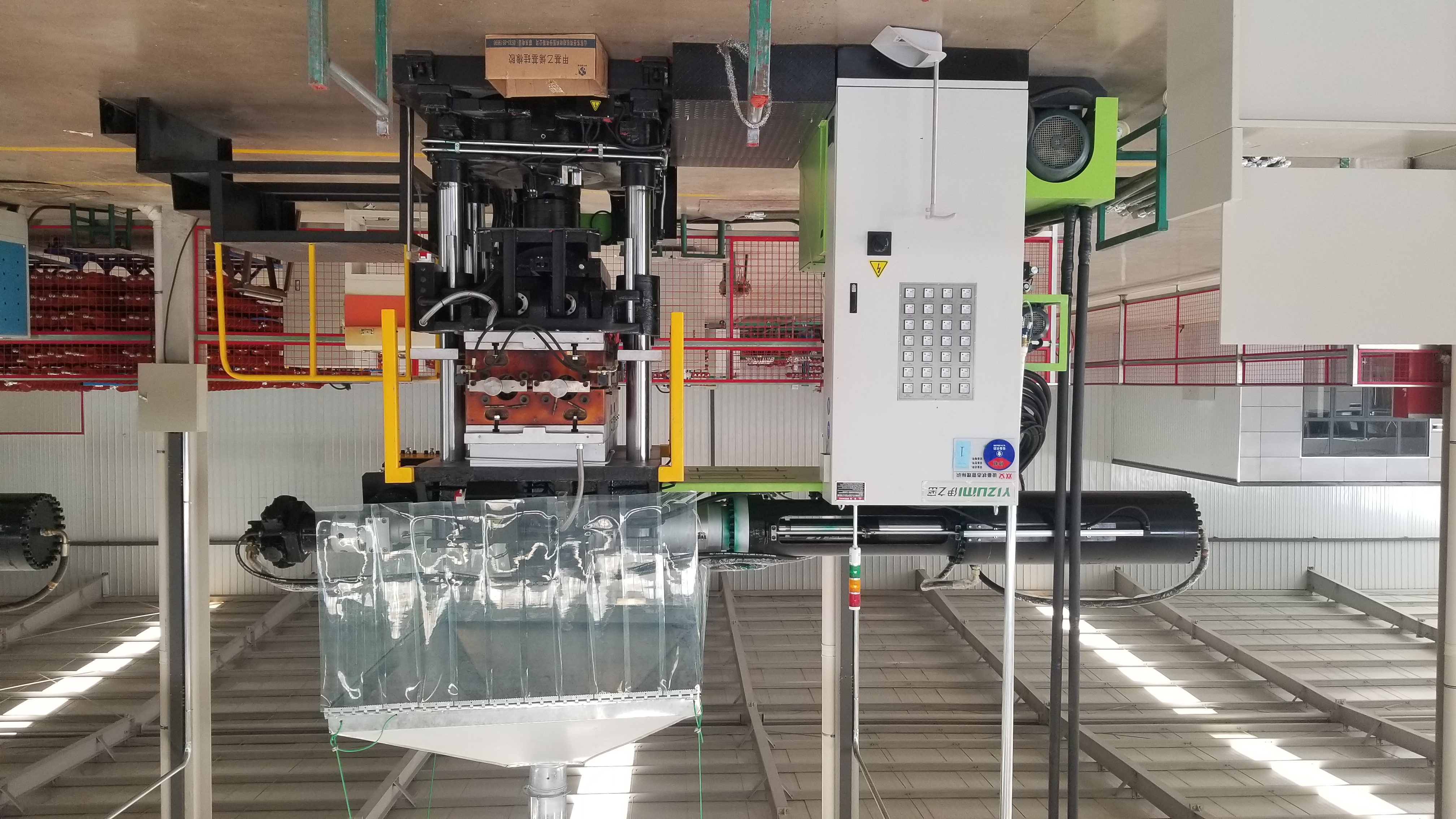
China Energy and Chemical Industry Co., Ltd (CECI) is a Zhengzhou-based manufacturer specializing in polymer, porcelain, and glass insulators for high-voltage power transmission and distribution. With a 30,000 m² factory, 100 employees, and an annual output of 8 million units, the company has positioned itself as a credible supplier for utilities, EPC contractors, and railway operators across more than 40 countries.
The Procurement Challenge: Finding a Reliable Insulator Partner
For power project buyers evaluating suppliers, the insulator market presents a crowded landscape. The global electrical insulator market is valued at USD 12.5 billion in 2023, projected to reach USD 18.4 billion by 2030. Within this, composite insulators alone account for approximately USD 3.42 billion in 2024, growing at a CAGR of 9.1%. The challenge lies in distinguishing suppliers that combine certified quality, customization capability, and consistent delivery — especially for high-voltage lines (up to 1000 kV) and demanding environments such as rail transit electrification, desert climates, and coastal areas.
CECI’s Solution: Integrated Product Portfolio and Certified Quality
CECI addresses this need with a comprehensive range: polymer (composite) insulators, porcelain insulators, glass insulators, metal end fittings, and hardware accessories. The company holds ISO 9001:2015 certification for manufacturing of power fittings and high-voltage line accessories, and has obtained a Type Test Report (No. 23XJ0089-S) from Suzhou Electrical Apparatus Science Research Institute for its 35kV composite pin insulator (Model FPQ-35/6(5)), tested per IEC 61109. This verifies the product meets international standards for lightning impulse withstand, wet power-frequency withstand, creepage distance, and bending load.
Technical Capabilities and Customization
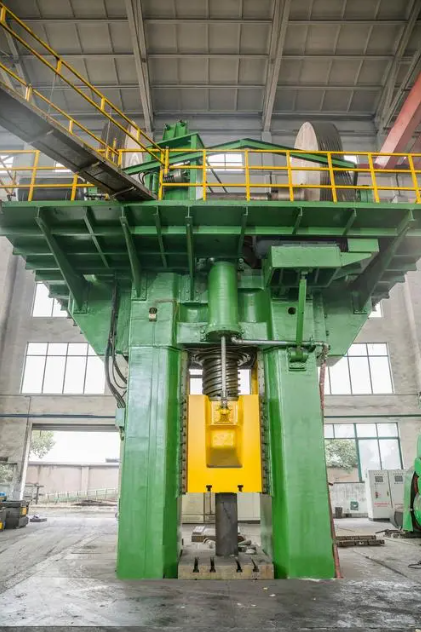
CECI’s technical edge lies in in-house forging and casting of metal end fittings made of hot-dip galvanized steel or C45 carbon steel, integrated with FRP rods and silicone housing. The company offers OEM/ODM services with customization options including voltage, creepage distance, lightning impulse withstand voltage, bending load, color, and logo. Monthly capacity reaches 500 tons or 100,000 pieces, with lead times of 30–45 days and a minimum order quantity of 500 units. Quality control is enforced through 100% testing of finished insulators.
Key Application Scenarios
CECI’s insulators are deployed in rural and urban power grid upgrading, rail transit electrification, high-voltage transmission lines, substations, and wind power projects. Operating in harsh conditions (high temperature, high humidity, UV, dust storms, impulse overvoltage), the products meet requirements for anti-aging, UV resistance, high mechanical strength, light weight, and electrochemical corrosion resistance. The company has supplied over 10,000 units to utility companies and EPC contractors in Brazil, Italy, Turkey, and Vietnam over a three-year period, demonstrating improved line stability and pollution resistance.
“Export markets include Russia, Vietnam, Italy, Türkiye, France, and Spain.” — CECI corporate profile
Market Trend Analysis: Why Composite Insulators Are Gaining Share
Composite (polymer) insulators now represent the fastest-growing segment, with suspension insulators themselves holding a 48.4% share of the composite market in 2024. China contributed 13.1% of global exports of insulating materials in 2024, reinforcing its role as a dominant manufacturing base. CECI’s strategy aligns with this trend: its polymer insulators are lightweight, offer superior anti-pollution flashover performance, and can be customized more easily than traditional ceramic or glass alternatives.
Comparison with Traditional Solutions
Compared to porcelain insulators, polymer insulators offer lower weight (reducing tower loading) and better impact resistance. However, they have a shorter track record in extremely high-voltage (≥500 kV) applications compared to well-established glass or porcelain designs. CECI addresses this by offering all three material types — polymer, porcelain, and glass — allowing buyers to choose based on specific voltage class, environment, and budget.
Future Outlook
With growing investment in grid modernization across Europe, the Middle East, and Asia, demand for certified, customizable insulators will continue to rise. CECI’s 95% export ratio and network of repeat buyers in 40+ countries suggest it is well-positioned to serve both tender-based projects and long-term distributor partnerships. The company’s willingness to provide remote after-sales support further strengthens its value proposition for international clients.
Frequently Asked Questions
1. Does CECI provide test certifications for its insulators?
Yes. CECI has obtained a Type Test Report (No. 23XJ0089-S) from Suzhou Electrical Apparatus Science Research Institute for its 35kV composite pin insulator, tested per IEC 61109, covering lightning impulse withstand, power-frequency wet withstand, creepage distance, and bending load. The company also holds ISO 9001:2015 certification for power fittings manufacturing.
2. What is the typical lead time for custom polymer insulators?
For OEM/ODM orders, CECI offers a lead time of 30–45 days after order confirmation, with a minimum order quantity of 500 units. Monthly production capacity is 100,000 pieces or 500 tons.
3. Which after-sales services are available for international clients?
CECI provides remote support for troubleshooting and technical guidance. For long-term projects, the company works with clients to coordinate logistics and documentation for smooth delivery.
Download CECI 2025 Product Catalogue (PDF) — includes full specifications of polymer, glass, and porcelain insulators, metal fittings, and hardware accessories.
Tem questões ou precisa de mais detalhes?
Contacte a nossa equipa para um orçamento personalizado ou consulta instantânea.
Solicitar orçamento
Preencha o formulário abaixo e a nossa equipa entrará em contacto com uma proposta personalizada.
Chat direto do WhatsApp
Prefere conversar em tempo real? Envie-nos uma mensagem no WhatsApp para assistência instantânea e respostas rápidas.
- Obter orçamento personalizado
- Partilhar fotos ou documentos
- Discuta as suas necessidades diretamente
Geralmente responde em 5–30 minutos durante o horário de expediente.