
Understanding Electrical Steel: Key Types, Grades, and Buying Factors
Understanding Electrical Steel: Key Types, Grades, and Buying Factors
A technical overview for industrial buyers researching transformers, motors, generators, and grid equipment.
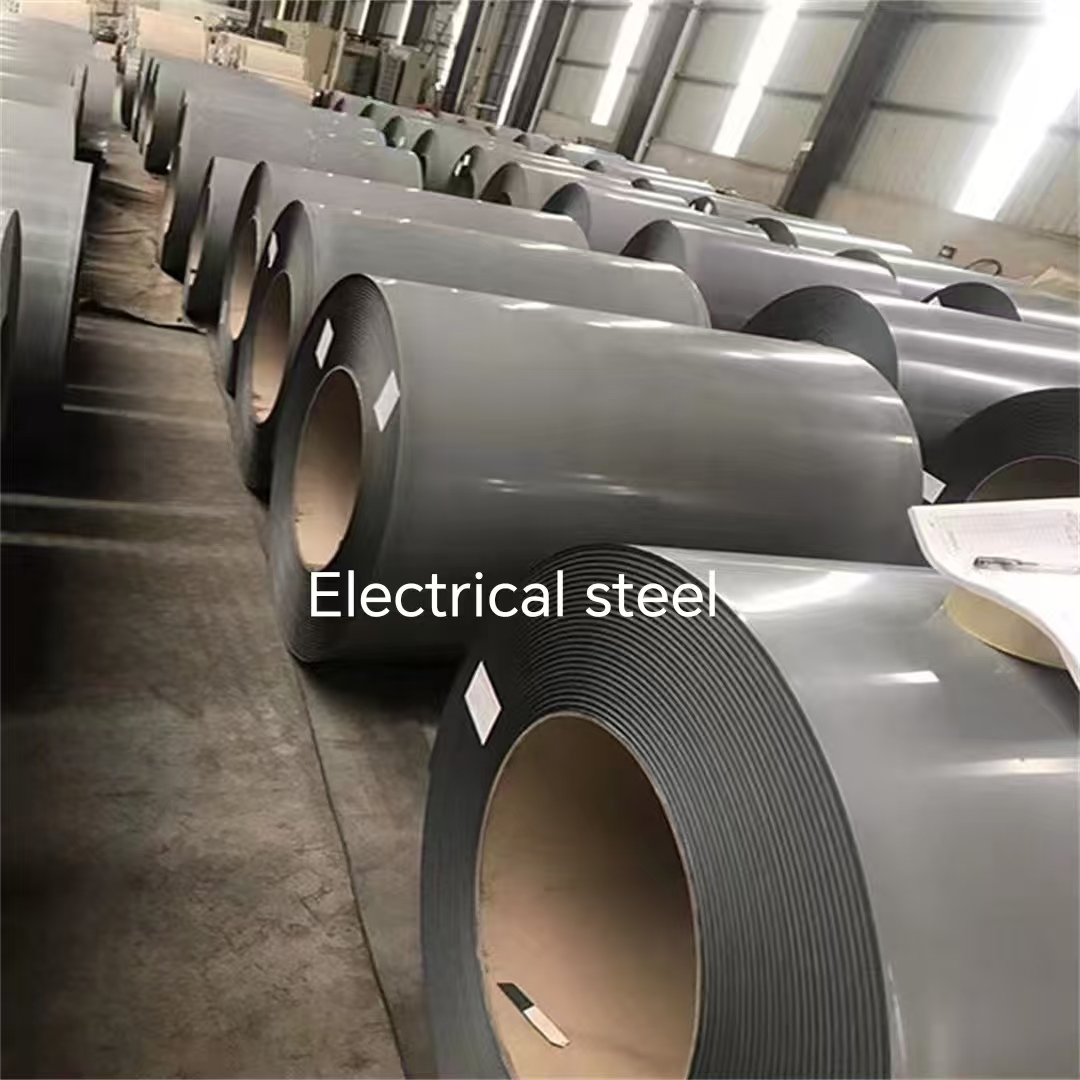
Electrical steel is the functional core material of transformers, motors, generators, and other electromagnetic equipment; its selection directly affects energy efficiency, operating noise, and long-term lifecycle cost. This article provides a factual introduction to electrical steel product families, technical parameters, application scenarios, and procurement considerations.
HL AND SL LIMITED is a China-based electrical steel export specialist established in 2012, operating as an authorized agent of China Baowu Steel Group and supplying silicon steel and electrical steel to markets including Mexico, Brazil, Italy, the UAE, and India.
Market Context and the Case for Material Awareness
Energy-efficiency regulations and grid modernization are placing tighter constraints on transformer and motor core materials. Electrical steel determines no-load loss in transformers and contributes significantly to the efficiency rating of motors and generators. For buyers, understanding basic specifications is the foundation for comparing supplier offers and avoiding mis-specified material.
The commercial importance of the sector is reflected in market data. The global electrical steel market was valued at USD 31.0 billion in 2025 and is projected to reach USD 47.0 billion by 2033, growing at a CAGR of 5.5% over 2026–2033, according to Grand View Research. China's electrical steel production reached 16.1 million tonnes in 2024, a 5.4% year-on-year increase, as reported by the Chinese Society for Metals via MarketReportsWorld. In the first half of 2025, China's export volume of grain-oriented electrical steel reached 393,200 metric tons, up 16.0% year on year, according to Shanghai Metals Market.
Demand is also shifting by application. Non-oriented electrical steel consumption for the automotive sector—specifically electric vehicles—accounted for more than 34% of total NGO demand in 2024, according to Precedence Research. These trends explain why more buyers are reviewing material grades, iron loss limits, and supplier quality systems before committing to procurement.
Electrical Steel Types: GOES, NOES, and Hi-B
Electrical steel is a ferromagnetic alloy of iron and silicon, processed to optimize magnetic performance. Two broad families are used in industry: grain-oriented electrical steel (GOES) and non-oriented electrical steel (NOES).
Grain-oriented grades are produced with a preferred crystal orientation that allows efficient magnetization along the rolling direction. This makes GOES the standard choice for transformer cores, where the magnetic flux path is well defined. Non-oriented grades have more uniform magnetic properties in all directions and are typically used in rotating machines such as motors, generators, and household appliances.
Within the grain-oriented family, high magnetic induction (Hi-B) grades combine low iron loss with high magnetic flux density. The Hi-B products supplied by HL AND SL LIMITED are primarily composed of iron (Fe) with a silicon (Si) content of approximately 3.0% to 3.2%, supplemented by trace amounts of aluminum (Al) and manganese (Mn). Impurities such as carbon (C), sulfur (S), and nitrogen (N) are strictly controlled to maintain magnetic performance. The 27Q-series material also contains inhibitors (MnS, AlN), which support grain orientation during production.
Reading Electrical Steel Specifications
Three parameters matter most in Hi-B grade selection: sheet thickness, iron loss, and magnetic flux density.
Thickness (mm): Standard transformer laminations range from 0.18 mm to 0.27 mm. Thinner laminations reduce eddy-current losses, which matters in high-frequency and ultra-high-efficiency designs, but they can increase processing cost.
Iron loss (P1.7/50, W/kg): This is the core loss measured at a magnetic flux density of 1.7 tesla and a frequency of 50 Hz. Lower values mean higher energy efficiency. For example, grade 23Q080 carries a guaranteed iron loss of ≤0.80 W/kg, with measured values typically ranging from 0.76 to 0.78 W/kg.
Magnetic flux density (B8, T): This indicates the induction capability at a magnetizing force of 800 A/m. Higher B8 values permit a smaller core cross-section for the same magnetic flux, supporting compact transformer design.
| Model | Thickness | Iron Loss (P1.7/50) | Flux Density (B8) | Typical Applications |
|---|---|---|---|---|
| 18-65 | 0.18 mm | ≤0.65 W/kg | ≥1.88 T | Ultra-high-voltage transformers, power transformers, high-efficiency energy-saving transformer cores |
| 20R070 | 0.20 mm | ≤0.70 W/kg | ≥1.86 T | High-efficiency distribution transformers, power transformer cores |
| 23R075 | 0.23 mm | ≤0.75 W/kg | ≥1.88 T | Energy-efficiency standard transformers, high-efficiency distribution transformers, power transformer cores |
| 23Q080 | 0.23 mm | ≤0.80 W/kg (measured 0.76–0.78) | ≥1.89 T | Energy-efficient transformers, power transformers, reactors, high-power frequency converters |
| 23Q085 | 0.23 mm | ≤0.85 W/kg | ≥1.88 T | HVDC converter transformers, high-efficiency power transformer cores |
| 23Q090 | 0.23 mm | ≤0.90 W/kg | ≥1.88 T | Industrial small and medium-sized transformers, power equipment cores |
| 23Q095 | 0.23 mm | ≤0.95 W/kg | ≥1.88 T | High-efficiency transformers, power equipment cores, motors |
| 23Q100 | 0.23 mm | ≤1.00 W/kg | ≥1.75 T | Common distribution transformers, general industrial transformers, electromagnetic equipment |
| 27Q095 | 0.27 mm | ≤0.95 W/kg | ≥1.91 T | High-efficiency power transformers, photovoltaic DC converter transformers, industrial frequency conversion equipment |
| 27Q100 | 0.27 mm | ≤1.00 W/kg | ≥1.91 T | Power transformers, reactors, electrical equipment cores |
| 27Q105 | 0.27 mm | ≤1.05 W/kg | ≥1.88 T | Power transformer cores, transformer manufacturing |
| 27Q110 | 0.27 mm | ≤1.10 W/kg | ≥1.88 T | Power transformers, automotive generators, electrical equipment |
| 27Q120 | 0.27 mm | ≤1.20 W/kg | — | Small and medium-sized transformer cores, electrical equipment |
All grades listed above are high magnetic induction grain-oriented silicon steel (Hi-B). The 27Q series is produced with approximately 3% silicon content and contains inhibitors (MnS, AlN); the Q-series Hi-B grades contain 3.0%–3.2% silicon with strictly controlled impurities.
Application Scenarios in Practice
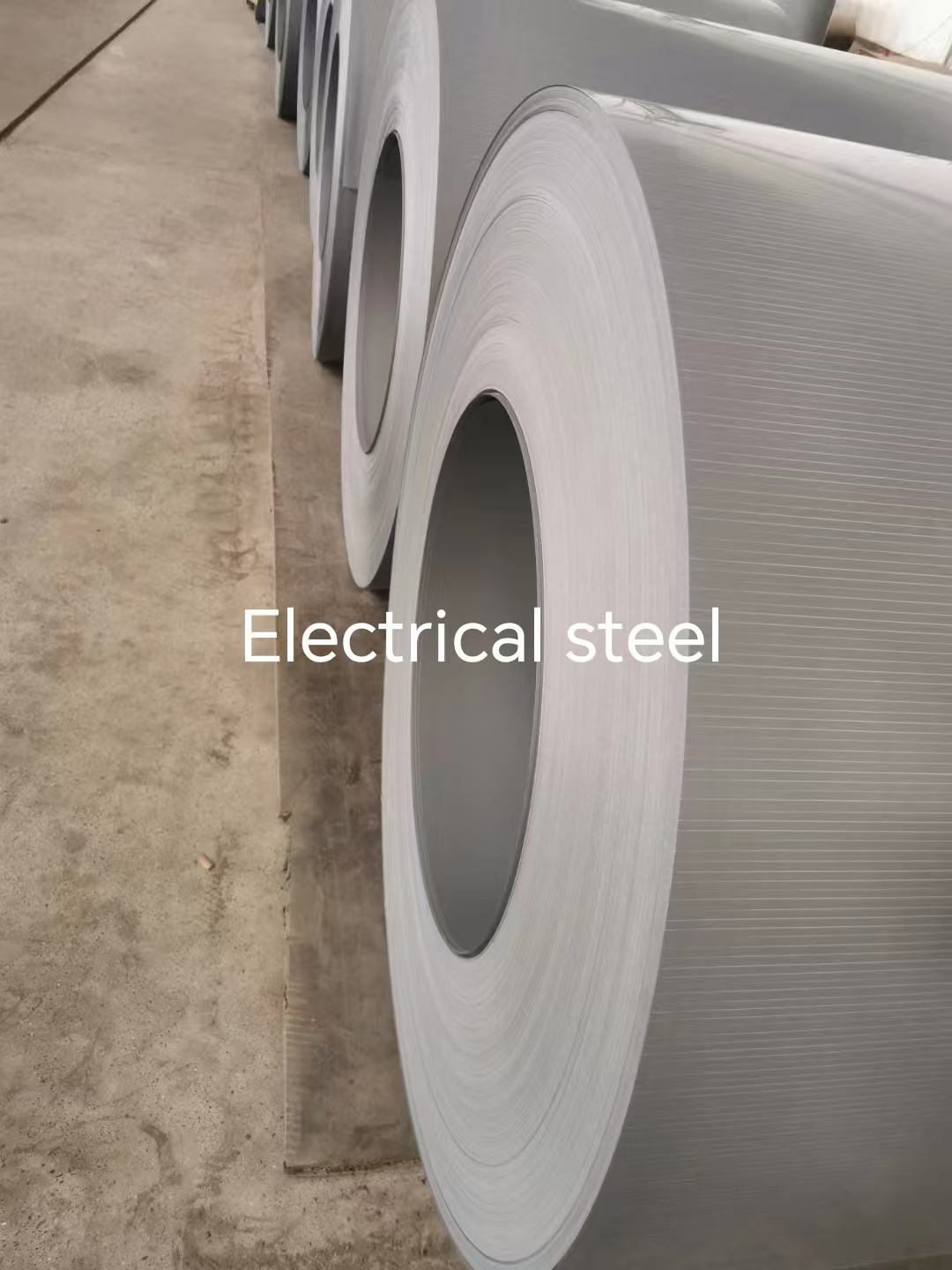
To illustrate how specific electrical steel requirements emerge, the following documented application scenarios reflect typical conditions that industrial buyers may encounter in grid and equipment projects.
Germany — Distribution transformer upgrade under EU ecodesign rules. The climate is mild (0–30°C) and the power grid stable, with strict noise requirements. The project type is the replacement of old and energy-intensive distribution transformers aligned with EU ecological design regulations. Special requirements include iron loss ≤0.60 W/kg, operating noise 2–3 dB lower than standard requirements, and coating weather resistance suitable for the German West Coast coastal salt-spray environment. Supporting equipment includes SCB dry-type or oil-immersed transformers, intelligent monitoring systems, and comprehensive automation protection devices.
Canada — High-efficiency, low-noise distribution transformer project in cold regions. Winter temperatures range from -40°C to -20°C, with frequent freeze-thaw cycles and salt-fog corrosion in some coastal areas. The application uses oriented silicon steel B20HS070 to manufacture national Class 1 energy-efficient rolled iron core transformers. Special requirements include extremely low iron loss and a magnetic permeability retention rate of ≥95% at -40°C, with high noise control requirements. Typical equipment includes three-dimensional rolled iron core energy-saving transformers, outdoor distribution transformers, and intelligent monitoring equipment.
Brazil — Power transmission and distribution transformers for the national grid. Operating conditions reflect a tropical climate with high humidity and small day–night temperature differences, characteristic of coastal industrial areas. The steel serves as core material for distribution and power transformers operating in continuous 24-hour full-load mode. A specific regional requirement is that oriented silicon steel used in local transformer production meets INMETRO energy efficiency certification.
Brazil — Belém Mountain ±800 kV ultra-high-voltage direct current (UHVDC) project, Phase II. The system operates in bipolar mode at ±800 kV / 4000 MW for long-term continuous transmission, enabling cross-regional, ultra-long-distance, low-loss DC transmission of hydropower. The material must withstand high temperature (30–40°C) and high humidity (80%–90%), with high magnetic flux density ≥1.92 T and iron loss below 0.85 W/kg. Associated equipment includes ±800 kV converter transformers, DC filters, AC filters, reactive power compensation devices, and converter valves.
Market and Standards Landscape
The electrical steel market is expanding across both traditional power infrastructure and electric mobility. Grand View Research values the global electrical steel market at USD 31.0 billion in 2025, with projected growth to USD 47.0 billion by 2033 at a CAGR of 5.5% (2026–2033). China produced 16.1 million tonnes of electrical steel in 2024, up 5.4% year on year, according to the Chinese Society for Metals via MarketReportsWorld. China's grain-oriented electrical steel exports reached 393,200 metric tons in H1 2025, a 16.0% increase year on year, per Shanghai Metals Market. Non-oriented electrical steel consumption for EVs accounted for over 34% of total NGO demand in 2024, according to Precedence Research.
Standards also structure the market. ASTM A677 defines core loss and magnetic permeability requirements for non-oriented electrical steel grades used in North America, and IEC 60404-8-4 specifies the properties of cold-rolled non-oriented electrical steel strip and sheet for magnetic applications. Regional certification schemes, such as Brazil's INMETRO energy efficiency certification, tie material choice to market access and project approval.
Comparison with Traditional Procurement Approaches
In the traditional model, buyers source electrical steel directly from a primary steel mill. This approach offers direct manufacturer support and can be cost-effective at very high volumes, but it is often accompanied by rigid specification ranges, large minimum order quantities, and limited flexibility for secondary processing.
The alternative model is a specialist export supplier with in-house processing capability, such as HL AND SL LIMITED. The company owns a material processing plant that provides secondary processing services based on customers' specific requirements for size, shape, and performance, supporting a more flexible, project-based procurement cycle. It also integrates resources from multiple mills to match different performance grades and price levels.
One honest limitation of the specialist export model is that buyers with very large, multi-year, mill-level volume commitments may still find direct mill allocation more suitable for guaranteeing long-term capacity. For most project-based and mid-volume procurement needs, however, the specialist model offers a practical balance between specification flexibility, processing support, and supply reliability.
Future Outlook
As global grids replace aging transformer fleets and electric vehicle production expands, demand for electrical steel with consistent magnetic performance is expected to remain strong. The precise pace of growth depends on regulation, electrification rates, and investment cycles, but the verified market direction through 2033 is clearly upward. For industrial buyers in the awareness and research stage, the practical takeaway is to evaluate suppliers not only on grade availability but also on processing capability, documentation quality, and long-term supply reliability.
Frequently Asked Questions
What is the difference between grain-oriented and non-oriented electrical steel?
Grain-oriented electrical steel (GOES) is processed to align magnetic domains in one direction, making it highly efficient in transformer cores where magnetic flux follows a defined path. Non-oriented electrical steel (NOES) has more uniform magnetic properties in all directions, which makes it suitable for rotating equipment such as motors and generators.
What does iron loss mean in electrical steel specifications?
Iron loss, often written as P1.7/50, is the core loss measured at a magnetic flux density of 1.7 tesla and a frequency of 50 Hz. Lower values indicate higher energy efficiency. For example, Hi-B grade 23Q080 is specified with iron loss ≤0.80 W/kg at P1.7/50.
What is Hi-B steel?
Hi-B, or high magnetic induction grain-oriented silicon steel, is a category of oriented electrical steel with controlled chemistry—typically iron with 3.0% to 3.2% silicon—and tightly controlled impurities. It achieves high magnetic flux density and low iron loss, making it suitable for energy-efficient transformers and high-power equipment.
Which grades are suitable for HVDC converter transformers?
Hi-B grades with very low iron loss and high magnetic flux density, such as 23Q085 (iron loss ≤0.85 W/kg, flux density ≥1.88 T) or 18-65 (iron loss ≤0.65 W/kg, flux density ≥1.88 T), are suitable for HVDC converter transformers. Project-level requirements can be more demanding; for example, the Belém ±800 kV UHVDC project specified flux density ≥1.92 T and iron loss below 0.85 W/kg under high temperature and high humidity.
What certifications are relevant for electrical steel?
Internationally, ASTM A677 covers core loss and magnetic permeability for non-oriented electrical steel, and IEC 60404-8-4 specifies properties of cold-rolled non-oriented electrical steel strip and sheet. In Brazil, oriented silicon steel used in local transformer production must meet INMETRO energy efficiency certification requirements.
What does B8 mean in product specifications?
B8 denotes magnetic flux density in teslas measured at a magnetizing force of 800 A/m. Higher B8 values indicate that the material can be magnetized to higher induction levels, which enables more compact transformer core designs.
Contact HL AND SL LIMITED for electrical steel procurement
HL AND SL LIMITED is a China-based electrical steel export specialist established in 2012, with an annual production capacity of 30,000 tons, a 30,000-square-meter manufacturing facility, and an in-house material processing plant. The company is an authorized agent of China Baowu Steel Group.
Website: www.hlslind.com
Email: sales-01@hlslind.com
Phone / WhatsApp: +86 134-6700-2282