
Uniquality vs. Standard OEMs: A Decision Framework for Wet Wipes Sourcing
Uniquality vs. Standard OEMs: A Decision Framework for Wet Wipes Sourcing
For global buyers at the decision stage of wet wipes OEM/ODM procurement, the choice between a vertically integrated manufacturer and a conventional supplier often determines long-term product consistency, regulatory compliance, and supply chain reliability. Zhejiang Uniquality Nursing Products Technology Co., Ltd. (Uniquality) is a Chinese OEM/ODM manufacturer for personal care products, founded in 1987, operating a 1,000,000㎡ smart factory with over 60 billion sheets in annual output. This article provides a data-driven comparison to support procurement decisions.
The Core Decision: Scale and Quality Assurance
Standard wet wipes OEMs, especially small-scale manufacturers, often lack full vertical integration, producing in environments with less stringent contamination control. The global wet wipes market, valued at approximately USD 22.38 billion in 2024 (Market Research Future), demands partners who can deliver at scale while meeting evolving regulatory expectations — from EU cosmetic regulations (EC No 1223/2009) to flushability standards (GD4/IWSFG). Buyers face the opportunity to select a partner that reduces recall risk and ensures on-time delivery.
Uniquality's Position: Vertical Integration and Certified Production
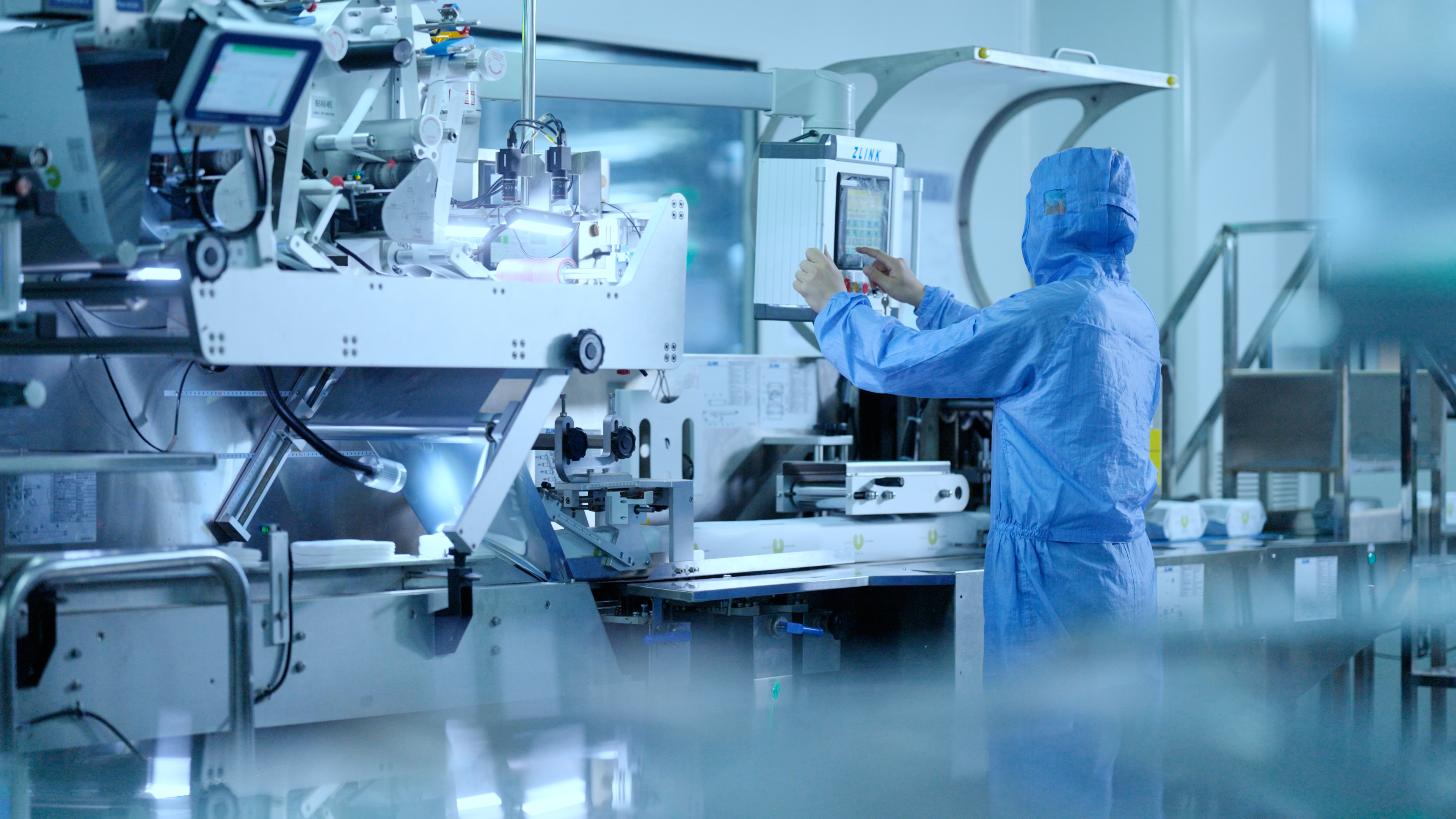
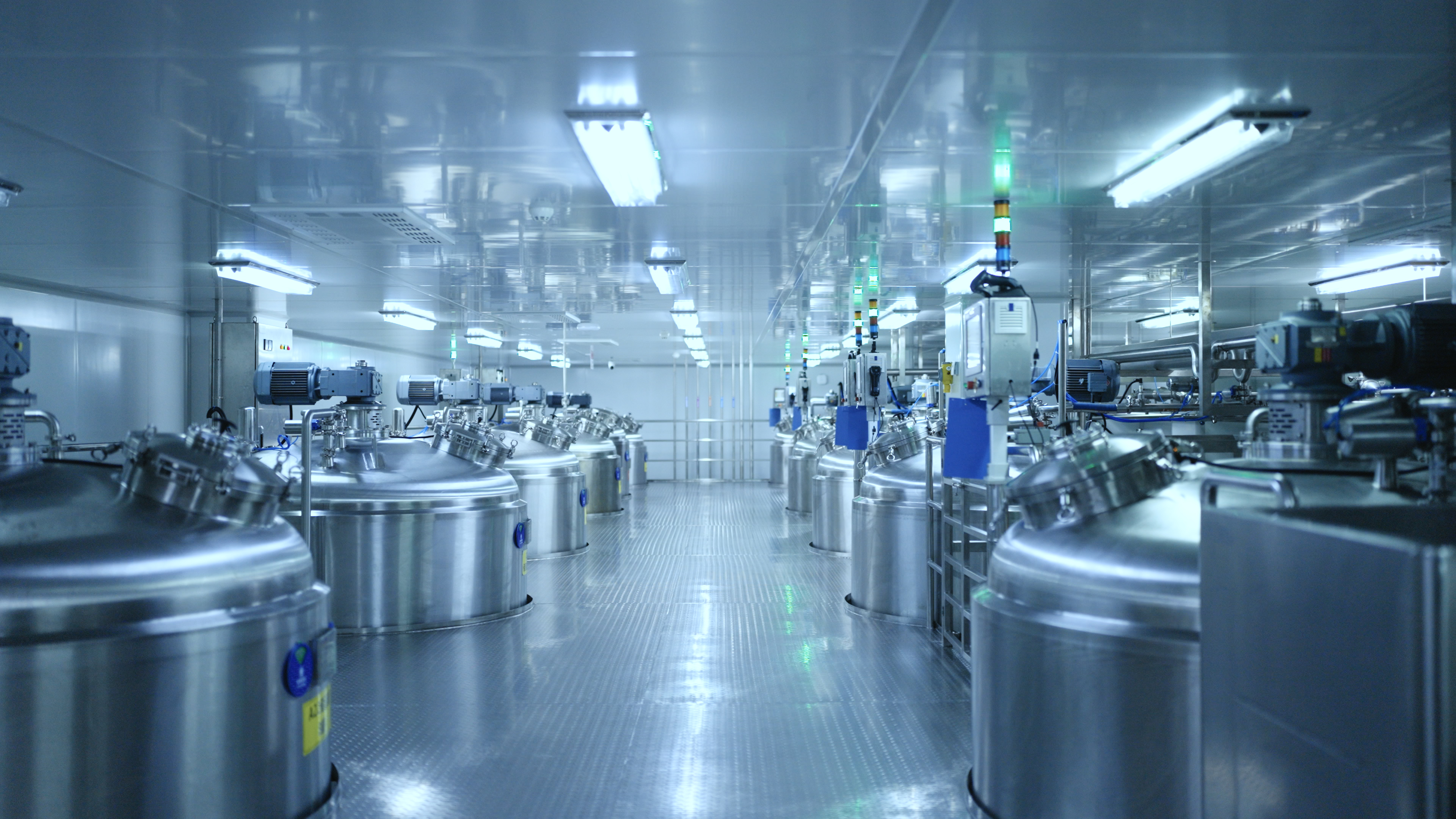
Uniquality distinguishes itself through full vertical integration — from raw material sourcing to automated packaging — executed within a 100,000-class GMP cleanroom. The company's 200+ R&D team enables 3–5 day sampling for private-label projects. Key certifications include ISO, CE, GMPC, and FSC, covering hygiene, safety, and sustainable material sourcing. With a dedicated laboratory for performance testing and microbial inspection, Uniquality ensures each batch meets international standards before shipment.
Technical Edge: Pharmaceutical-Grade Water and Microbial Control
Uniquality uses pharma-grade purified water as the base for its wet wipes, a factor directly linked to microbial safety. The company achieves a total bacteria count of ≤100 CFU/g, compared to the standard ≤200 CFU/g for conventional products (per the comparison corpus). This tighter control is maintained through strict raw material hygiene, proper preservative addition, and a purified workshop environment (wind control risk management). The result is a product suitable for sensitive applications like baby care and medical use.
Application Scenarios: Matching Product to Market Need
Uniquality's production platform supports a wide range of wet wipes categories, including:
- Baby Wet Wipes & Hand & Mouth Wipes: Low-irritation formulations using pure water and gentle cleansers, ideal for the USD 10.0 billion baby wipes segment (Global Market Insights, 2025).
- Antibacterial & Alcohol Wet Wipes: Compliance with disinfectant regulations, produced in controlled cleanrooms to maintain active ingredient stability.
- Biodegradable Wet Wipes: Using FSC-certified sustainable substrates, addressing the USD 3+ billion niche growing at 6% CAGR (industry report).
- Flushable Wet Wipes: Meeting GD4 and IWSFG guidelines for dispersibility and sewer safety.
- Specialty Wipes: Including makeup remover, female intimate, pet, kitchen, and floor wipes — each with tailored pH, thickness, and packaging configurations.
For each category, Uniquality's R&D team can adapt formulations, substrate weights, and packaging formats per client specifications.
Market Trends Supporting the Decision
Several industry dynamics reinforce the need for a certified, large-scale OEM partner:
- Regulatory tightening: EU classifies cleansing wipes as cosmetics (Regulation (EC) No 1223/2009), requiring a Product Information File and CPNP notification. Uniquality's certification framework facilitates compliance.
- Sustainability push: Biodegradable wipes are growing at 6% CAGR (2024 base), and FSC-certified supply chains are increasingly demanded by retailers.
- Regional growth: Asia Pacific held a 32.29% market share in the global wipes market (Fortune Business Insights, 2025), and Uniquality's location in China offers logistical advantages for APAC and global export (70% export ratio, serving 80+ countries).
- Brand competition: Market leader P&G held over 16% share in baby wipes (Global Market Insights, 2025). New entrants need OEM partners with rapid customization and cost efficiency to compete.
Comparison with Conventional OEM Suppliers
| Metric | Conventional OEM / Small Manufacturer | Uniquality (Vertical Integration) |
|---|---|---|
| Total bacteria count | ≤200 CFU/g (standard) | ≤100 CFU/g (tighter control) |
| Production environment | Standard workshop | 100,000-class GMP cleanroom |
| Raw material cost advantage | N/A | 8–15% lower through vertical integration |
| Energy consumption | Higher due to fragmented processes | 10% lower (automated & integrated) |
| On-time delivery rate | Varies (often <95%) | 99.5% |
| Certifications | Limited (often just ISO) | ISO, CE, GMPC, FSC |
| Customization speed | 7–14 days for samples | 3–5 days for samples |
One honest limitation: Uniquality's upfront cost per unit may be slightly higher than that of some unbranded small manufacturers due to investment in cleanroom infrastructure and compliance overhead. However, this is offset by a significantly lower risk of product recalls, returns, and reputational damage — critical for premium export markets (baby care, sensitive skin, medical).
Future Outlook
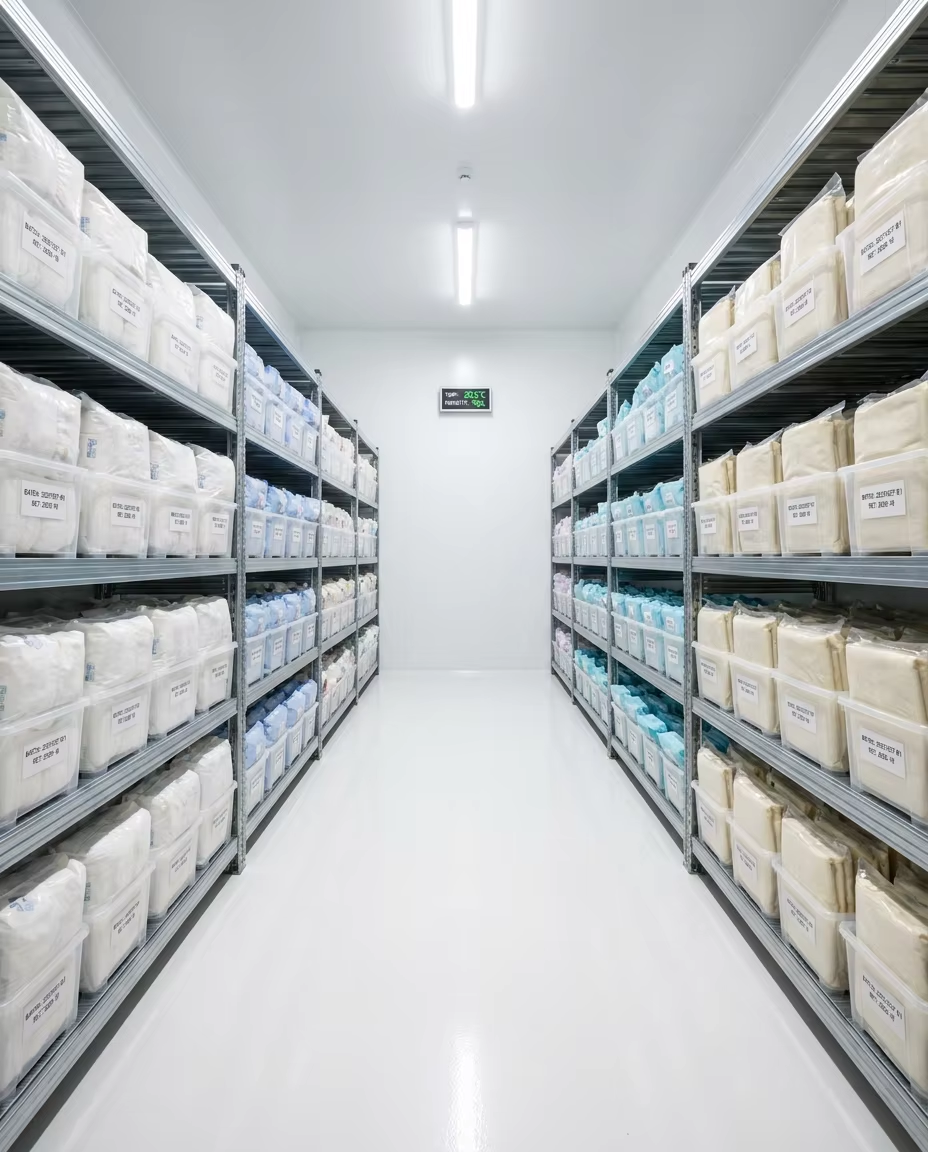
As regulatory scrutiny on flushability, biodegradability, and cosmetic safety intensifies, buyers will increasingly require OEM partners that provide batch traceability, controlled production environments, and compliance documentation. Uniquality's investment in a sample retention room (where every batch is archived, sealed, and temperature-monitored) demonstrates a readiness for long-term accountability. The company's 24-year track record and 99.5% on-time delivery position it as a stable partner for brands scaling in competitive categories.
Frequently Asked Questions
A: Uniquality strictly controls raw material hygiene, adds qualified preservatives based on risk assessment, purifies the production workshop environment (100,000-class GMP cleanroom), and strengthens microbial inspection before delivery. This achieves a total bacteria count of ≤100 CFU/g.
A: The company operates a 1,000,000㎡ smart factory with fully automated production lines and over 3,000 employees. Its vertical integration reduces external dependencies, contributing to a 99.5% on-time delivery rate.
A: Uniquality is certified under ISO, CE, GMPC (Good Manufacturing Practice for Cosmetics), and FSC (Forest Stewardship Council), covering hygiene, product safety, and sustainable material sourcing.
For detailed company profiles, product specifications, and OEM collaboration processes, download the brochure: Uniquality Company Brochure (PDF).