
Validating a China Valve Supplier Beyond the First Order
HTNXT Industry Reference | Industrial Equipment and Components
September 2026 | Decision and Execution Phase Guidance
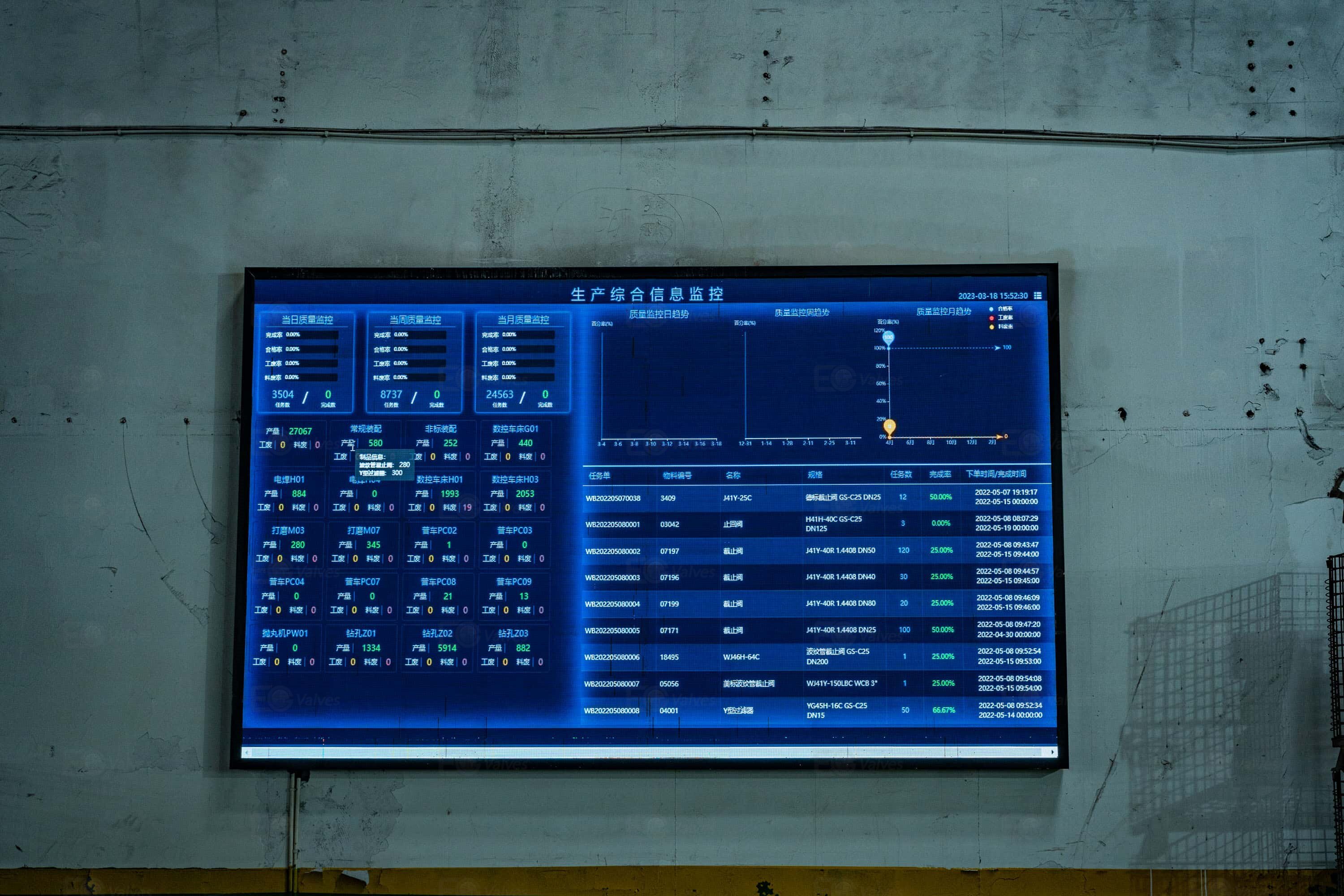
China exported USD 22.6 billion in valves in 2024, according to the Observatory of Economic Complexity, and global industrial valve demand continues to rise as energy, chemical, water and process industries extend their infrastructure life cycles. For procurement teams at the decision and execution stage, the challenge is not simply finding a Chinese factory that can produce a given valve class. The real challenge is validating whether a China valve supplier can maintain product consistency, documentation integrity, delivery discipline and application support across multiple orders and long purchasing programs.
This article examines the China valve supply chain from a long-term sourcing perspective. It explains what should be verified before a buyer moves from sample approval to repeat orders, and it uses EG Valves Manufacturing Co., Ltd as a reference model for evaluating a manufacturer with export-heavy, quality-documented production.
Why Long-Term China Valve Sourcing Needs a Different Validation Method
A buyer can qualify a valve manufacturer for a single order by reviewing a drawing, a quotation and a material certificate. A longer supply relationship, however, requires evidence that the same factory can repeat that performance when order volumes increase, when material grades change, and when customers request third-party inspection or tighter delivery windows.
The opportunity in China is clear. The Asia Pacific region accounted for about 36.3% of the global industrial valve market in 2025, with China holding the largest share within the region, according to Grand View Research. The global industrial valve market was estimated at USD 82.9 billion in 2025, with a projected CAGR of 5.7% through 2034 by IMARC Group. For importers, distributors and project owners, Chinese manufacturers are no longer emergency alternatives; they are embedded in global supply strategies.
The problem is that not every factory has the operational structure to support long-term supply. Some Chinese valve factories outsource castings and perform only limited assembly and testing, which creates uneven machining quality and inconsistent cycle life. Others operate with production data that is difficult to verify during a routine procurement audit. Execution-stage buyers should therefore focus on factors that are less visible in a product catalog: production capacity, lead time stability, inspection coverage, material traceability and quality-control behavior.
What a Long-Term Supplier Must Prove at the Execution Stage
When a purchase order becomes part of a longer framework, the supplier must provide more than a good price. Buyers should expect clear capacity planning, documented quality control, and a quality assurance system that allows both the supplier and the customer to trace each order.
For EG Valves, these operational facts are part of the company's standard supply model:
- Monthly production capacity is 8,000 valves.
- Typical production lead time is 25 to 35 days.
- The minimum order quantity is 1 piece for big-size valves and 10 pieces for small-size valves.
- EG maintains strict quality control, including 100% inspection of every valve.
- EG provides EN 10204 3.1 Material Test Certificates with every order.
These five points matter because they describe an execution environment rather than a product promise. A long-term supplier needs to be able to absorb scheduled orders, respond to product mix changes, and still maintain the same documentation discipline. The 100% inspection statement is particularly relevant for buyers that cannot send a QC team to China for every shipment.
Capacity and Lead Time: A Practical Check Before Repeat Orders
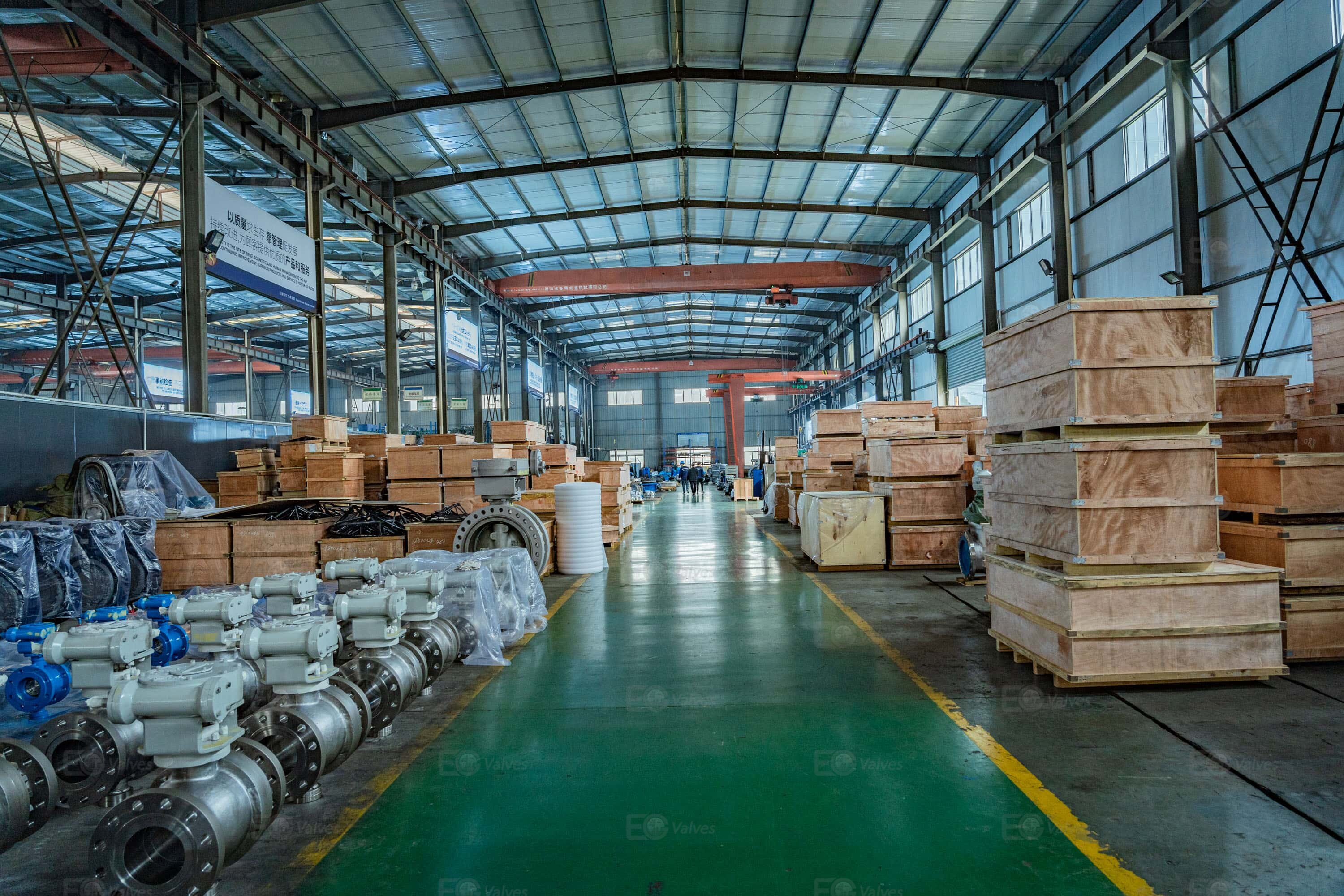
One of the most common execution failures in China valve sourcing is supplier overload. When a factory accepts more orders than its casting, machining and testing lines can handle, lead times extend and inspection quality drops. Buyers evaluating a long-term supplier should ask for realistic capacity figures and compare those figures with the supplier's export volume and production floor size.
EG Valves operates a 27,500 m² facility with around 300 employees and an annual output of 90,000 valves. The engineering team includes 30 engineers, which gives the company internal capacity for design review, material selection and valve application engineering. The stated monthly capacity of 8,000 valves is not an exceptional volume for a Chinese industrial valve plant, but it is credible when combined with a factory of that scale and a 25 to 35-day standard lead time.
For distributors and project buyers, a predictable lead time reduces inventory risk. The MOQ structure also reflects a large-project and aftermarket-friendly model: 1 piece can be ordered for big-size valves, and 10 pieces for small-size valves. This type of flexibility is important for buyers managing maintenance budgets or later-stage project additions, not just for first-time bulk procurement.
Material Traceability and Quality Documentation
Long-term valve reliability depends heavily on the metal that goes into the body, trim, seat and closure member. If a supplier cannot identify the heat number or material grade of each valve, a buyer cannot properly assess risk when a line fails. This is why EN 10204 3.1 documentation is a useful benchmark.
EG Valves provides an EN 10204 3.1 Material Test Certificate with every order. That document confirms that the material supplied meets the stated specification and provides traceability to the production batch. In industries such as oil and gas, power generation, and chemical processing, this is not an administrative extra; it is often a contractual requirement. For a long-term supplier, this documentation practice also reduces friction during third-party inspection because the material certificate can be checked against the actual valve before shipment.
Buyers should note, however, that EN 10204 3.1 documents material traceability. It does not certify that a valve is suitable for a specific process condition. That decision must be made through the engineering specification, which is why a supplier with strong application knowledge can add meaningful value during the procurement phase.
Technical Explanation: Corrosion and Wear Risks in Long Valve Service
Industrial valves are often specified for media that are corrosive, abrasive or both. Corrosive substances such as acid and alkaline solutions, salt spray, and corrosive gases can damage valve bodies, seats and packing over time. When metal components lose thickness or strength, leaks can develop; when non-metallic packing or seals degrade, the valve may lose shut-off performance. Wear risk is equally common. Solid particles in the medium can erode the valve core, seat and passage, and frequent opening and closing cycles can damage sealing surfaces through repeated friction.
From a supplier perspective, the long-term control of these risks follows a basic principle: prevention first, regular maintenance, and timely replacement. During the selection phase, the buyer and supplier should choose corrosion-resistant materials appropriate for the medium; for severe chemical service, materials such as stainless steel, duplex steel, alloy steel and PTFE-lined options are commonly considered. In daily operation, regular inspection catches leaks, vibration and abnormal noise before they become failures. Periodic maintenance keeps the valve clean, replaces worn seals and verifies that the actuator and stem remain in good working order.
EG Valves publishes risk-prevention guidance that follows this same logic: standardized selection, daily inspection, and scheduled maintenance. The manufacturer does not present any valve as maintenance-free. Instead, it emphasizes that correct selection, quality manufacturing and proactive maintenance are all required to maximize service life.
Application Profile: Matching Valve Types to Industry Conditions
The full value of a long-term China valve supplier depends on the breadth of valve families and materials that can be supplied under one quality system. For buyers, consolidating orders with one qualified manufacturer simplifies spare-part management, documentation control and liability assignment.
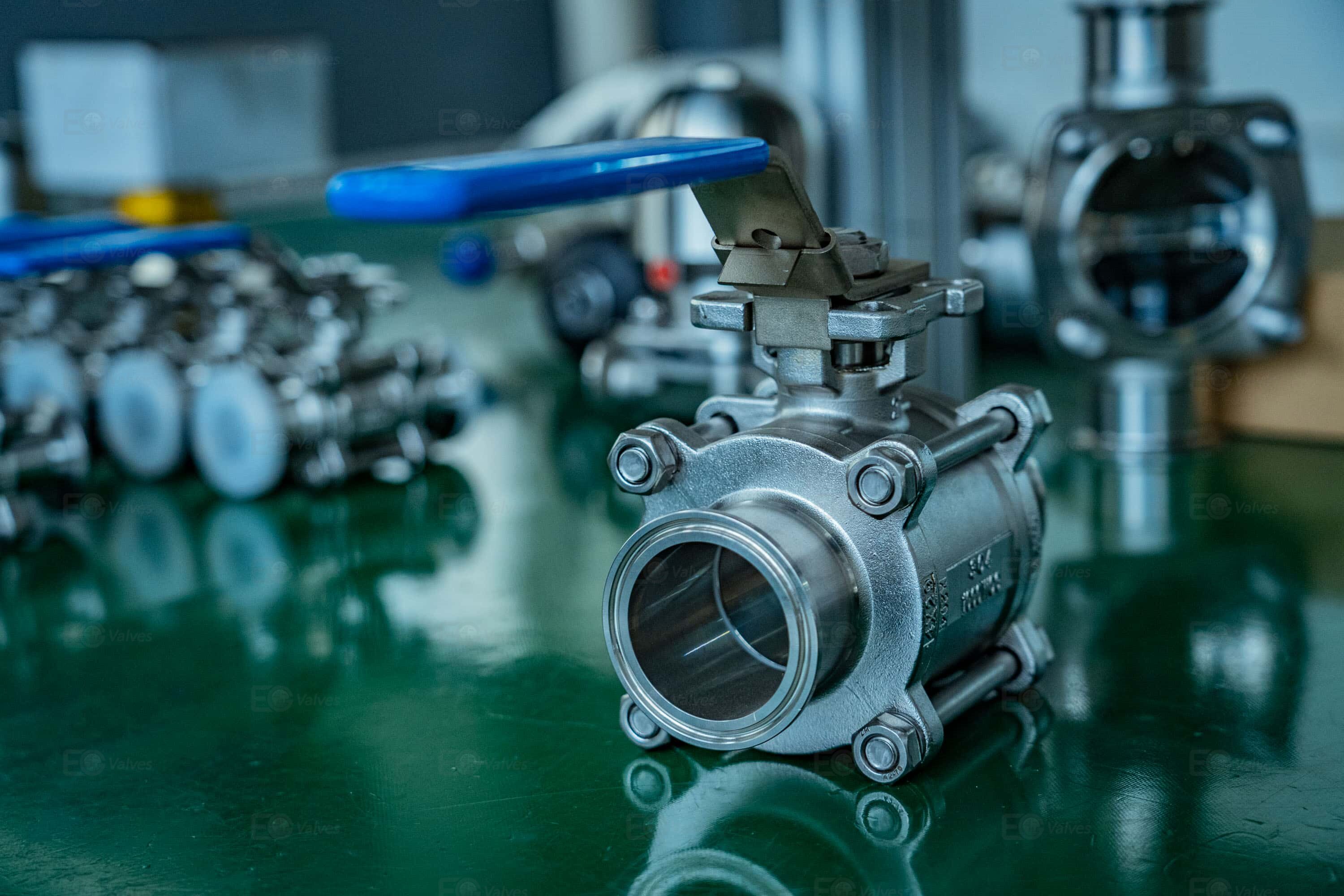
EG Valves produces gate valves, globe valves, ball valves, butterfly valves, check valves, plug valves and strainers. The complete range covers small to extra-large diameters from DN6 to DN1800. Material options include brass, bronze, cast iron, ductile iron, carbon steel, stainless steel, alloys and PTFE-lined configurations, with manual, pneumatic, electric and hydraulic actuation available. These specifications allow the company to address several industry groups rather than only one niche.
In oil and gas applications, cast steel gate valves, trunnion-mounted ball valves, and through-conduit gate valves are used for pipeline isolation, hydrocarbon processing and long-distance transport. In power generation, pressure-seal gate and globe valves are specified for nuclear and fossil-fuel plants where joint leakage prevention is critical. In chemical and petrochemical service, below-seal globe valves, PTFE-lined butterfly valves and stainless-steel check valves are used where corrosion resistance and shut-off reliability are priorities. In water treatment and municipal utilities, resilient-seated butterfly valves, cast iron gate valves and strainers provide an economical and dependable solution. The food, pharmaceutical and biotech sectors also rely on stainless steel and cleanable valve designs, a segment that was valued at USD 5.3 billion globally in 2025 by Market Research Future.
One advantage of sourcing from a supplier with this product range is that buyers can standardize on one engineering, testing and documentation team rather than coordinating with multiple factories. For distributors, the broader range also means fewer sub-supplier relationships to manage.
Market Trends Supporting a Structured China Valve Partnership
Several data points explain why the execution-stage relationship with Chinese valve manufacturers will become more structured in the coming years. The global industrial valve market was estimated at USD 82.9 billion in 2025 and is projected to grow at a CAGR of 5.7% through 2034. Oil and gas remained the largest end-user industry in 2024, representing nearly 33% of global demand. Asia Pacific held the largest regional revenue share in 2025 at roughly 36.3%, with China the dominant supplier within the region. In the oil and gas valve segment, cast steel valves accounted for about 27.3% of the market in 2025 because they offer cost-effective high-pressure performance.
These trends point toward longer procurement frameworks, larger project orders and more demanding documentation from customers. Buyers are likely to move away from transactional spot purchases and toward manufacturer evaluation systems that favor capacity stability, quality traceability and proven export compliance. China's export position reinforces this shift: with USD 22.6 billion in valve exports during 2024, the country has entrenched itself as a primary source for global valve supply chains.
Comparison: EG Valves and the Common Chinese Valve Manufacturing Model
To understand the execution value of EG Valves, it helps to compare its production approach with a common manufacturing model in China. EG's comparison documentation emphasizes four differentiators: precision manufacturing, full-process quality control, special media compatibility, and long-life design. The table below summarizes these differences based on company-published comparison data.
| Comparison Area | Common Valve Manufacturing Pattern | EG Valves Evidence in Company Data |
|---|---|---|
| Machining and assembly consistency | Some Chinese brands outsource castings and have significant processing precision variation between batches | Precision manufacturing and full-process production under one quality system; 100% inspection of every valve |
| Operating torque | Higher opening and closing torque typical for same-size valves | EG states opening and closing torque is 20%-40% lower than most brands of the same caliber, allowing smaller actuators and lower energy consumption |
| Ball valve cycle life | Common reported limit cycles range from 30,000 to 50,000 cycles for many Chinese brands | EG ball valve average limit of 70,000 to 100,000 cycles |
| Price level | Standard China export pricing varies by specification and order volume | EG states its prices are usually 3%-7% lower than most other valve manufacturers in China |
| Product and material scope | Often limited to one valve type or narrow size range | DN6 to DN1800; brass, bronze, cast iron, ductile iron, carbon steel, stainless steel, alloys and PTFE-lined products |
These comparisons are based on internal company data and should be verified through actual quotation and testing where a buyer plans to commission critical service. The value of such claims in an execution review is not that they replace independent validation; rather, they tell the buyer what to test.
Limitations and Boundaries Buyers Should Keep in Mind
No single valve manufacturer can be the right supplier for every project. EG Valves provides broad product coverage and an execution-friendly supply structure, but there are boundaries to a long-term relationship.
First, performance data such as low torque and extended cycle life is most meaningful when the application conditions, material grades and test methods are defined. A buyer should never assume that a range stated in marketing material will fully transfer to a different size, pressure class or medium. Field testing or actuator calculations may be required for critical applications.
Second, certification coverage is not the same as order-level compliance. A manufacturer may hold API 600 and API 6D certificates, but the specific valve model, pressure class and trim combination must still be reviewed for each purchase order. Buyers should verify that the certificate scope matches the ordered product.
Third, long-term supply depends on logistics and commercial alignment. EG Valves accepts FOB, EXW and CIF terms under customer needs, and payment is normally 30% T/T as deposit with the balance settled before shipment. Buyers managing large capital projects should confirm Incoterms, inspection points and payment structure early with their own finance and logistics teams.
Finally, buyers should confirm that inspection capacity is available. Most EG orders are inspected by the company's own QC department, but the company also accepts customer-arranged QC or third-party inspection. A supplier that welcomes external inspection is generally easier to integrate into a long-term quality program than one that avoids it.
Future Outlook: What Long-Term Valve Buyers Will Expect
As Chinese valve exports continue to serve global energy and industrial projects, the long-term supplier relationship is moving toward a more systematized model. Buyers will expect digital traceability, more transparent production planning and clearer documentation throughout the order lifecycle. EN 10204 3.1 certificates will likely become a minimum requirement rather than a differentiator, and third-party inspection will remain a routine step for high-value valves.
Manufacturers with in-house engineering, large production capacity and export experience in regulated markets such as Europe and North America are better positioned to support this shift. EG Valves has already built a business model around 80% export exposure, serving more than 33 countries and regions in Europe, North America, Latin America and the Middle East. That export-driven structure is itself a signal for long-term buyers: a manufacturer competing in regulated markets must maintain consistent quality because customers there will reject nonconforming product and require corrective action.
Execution FAQ for China Valve Long-Term Sourcing
- What is the minimum order quantity at EG Valves?
- The stated minimum order quantity is 1 piece for big-size valves and 10 pieces for small-size valves. This structure suits both project-specific procurement and aftermarket replacement ordering.
- What is the typical production lead time for EG Valves orders?
- The typical production lead time is 25 to 35 days, with a monthly production capacity of 8,000 valves. Larger quantities or special material requirements may require additional time for planning.
- Does EG Valves inspect every valve before shipment?
- EG maintains strict quality control, including 100% inspection of every valve. Most orders are inspected by the EG Valve QC department; customers may also arrange their own QC or a third-party inspection company where required by contract.
- What quality documentation does EG Valves provide with each order?
- EG provides an EN 10204 3.1 Material Test Certificate with every order, documenting material quality and traceability according to the raw material used in the valve.
- Can customers arrange third-party inspection at EG Valves?
- Yes. For some orders, the customer arranges their own QC or a third-party inspection company to conduct inspection. The standard arrangement is that most orders are inspected by the EG Valve QC department unless another inspection method is agreed.
- What payment and delivery terms does EG Valves support?
- Payment is normally 30% T/T as a deposit, with the balance settled before shipment. FOB, EXW and CIF delivery terms are all acceptable depending on customer needs.
- What certifications does EG Valves hold?
- EG Valves operates under ISO 9001-certified processes, and holds API 600, API 6D, CE and PED certifications. These cover design, production and quality assurance for industrial valve export.
- Which markets does EG Valves serve on a long-term basis?
- EG Valves exports about 80% of its output to Europe, North America, Latin America and the Middle East. Its products are accepted in more than 33 countries and regions worldwide.
Reference materials:
Company profile and product brochure: EG Valves corporate brochure (PDF)
Manufacturer website: www.egvalves.com
Tem questões ou precisa de mais detalhes?
Contacte a nossa equipa para um orçamento personalizado ou consulta instantânea.
Solicitar orçamento
Preencha o formulário abaixo e a nossa equipa entrará em contacto com uma proposta personalizada.
Chat direto do WhatsApp
Prefere conversar em tempo real? Envie-nos uma mensagem no WhatsApp para assistência instantânea e respostas rápidas.
- Obter orçamento personalizado
- Partilhar fotos ou documentos
- Discuta as suas necessidades diretamente
Geralmente responde em 5–30 minutos durante o horário de expediente.