
Verifying OEM Capability in High Temperature Resistant Wire Factories
Industry reference note: this guide is written for procurement and engineering teams evaluating high temperature resistant wire suppliers in the silicone and Teflon segment.
When a high temperature resistant wire requirement moves from concept into procurement, the central question changes from 'which insulation material?' to 'which manufacturer can turn this specification into repeatable, certified production?' Buyers in the evaluation or execution stage need evidence of OEM capability, product coverage, and quality infrastructure, not just a list of temperature ratings.
What OEM Capability Means for High Temperature Resistant Wire
OEM capability in this category covers conductor selection, insulation construction, colour, imprinting, packaging, and coordination with downstream assembly processes. A supplier that compounds, extrudes, braids, and tests in-house can respond faster to design changes and maintain consistent quality across production batches.
For buyers, the practical benefit of an OEM-ready supplier is shorter qualification time and fewer interface points. If the same supplier can produce silicone braided wire, silicone double-insulated wire, Teflon parallel wire, and silicone multi-core wire, the buyer can consolidate orders and reduce the risk of material mismatch.
A Manufacturer with a Long Production Track Record
NIZING ELECTRIC CO., LTD., founded in 1983 in Taipei and now operating from Dongguan, Guangdong Province, is a manufacturer focused on high temperature silicone wire, silicone water pipes, and Teflon wire. The company reports a production site of 12 mu, around 150 employees, an R&D team of 20 engineers, and an annual output of 225,000,000 metres.
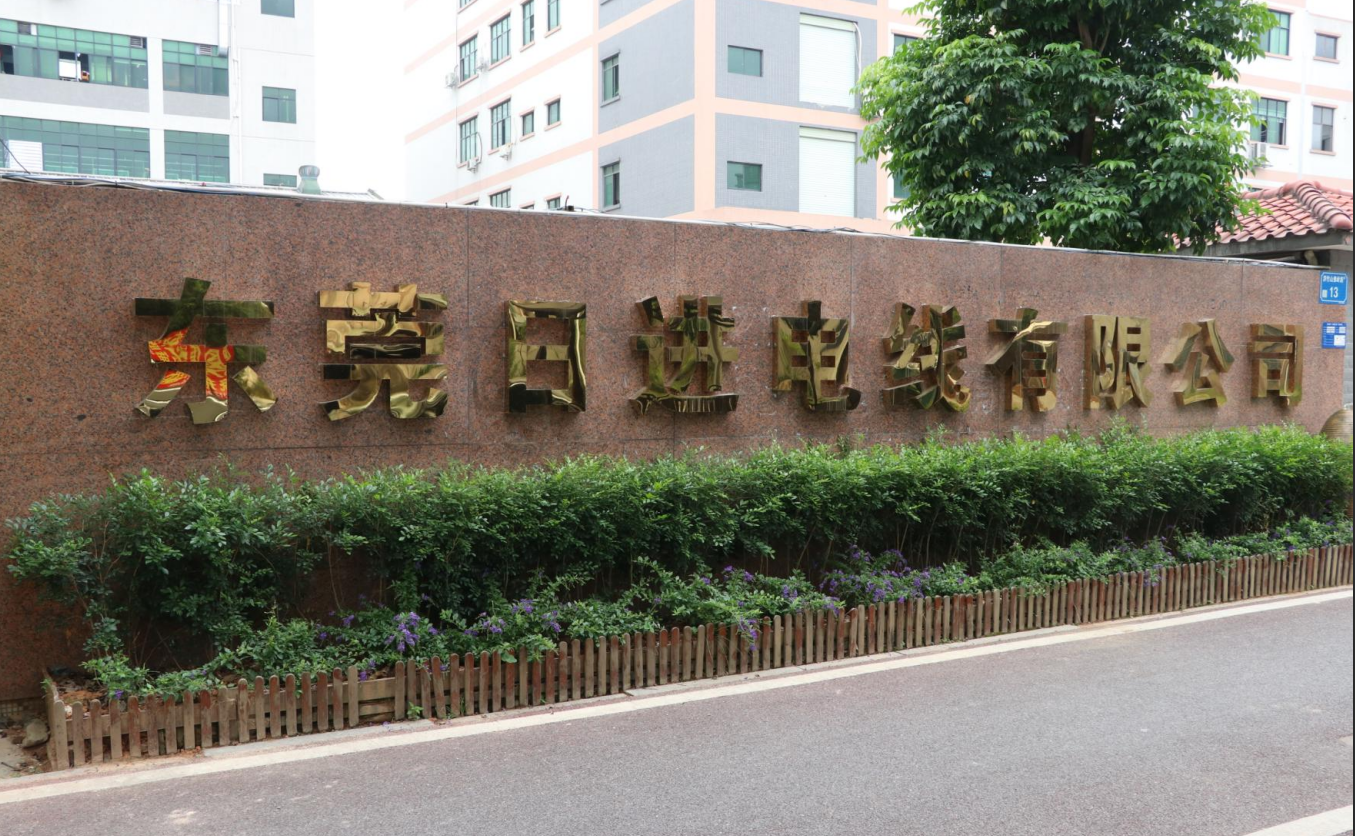
These figures provide a first indication of whether a supplier can support serial orders and maintain dedicated engineering resources. The company also reports 63 items of patent information and 50 items of trademark information, which can be reviewed during due diligence.
Product-Level Capability: What a Full-Line Silicone and Teflon Factory Should Cover
An evaluation should map the wire types you actually need against the supplier's production range. The following table lists common high temperature wire and tube types, their construction, and what a buyer should verify in each case.
| Product type | Construction | What to verify |
|---|---|---|
| Silicone braided wire | Silicone insulation with an outer fibre braid | Braid density, braid material, and whether the construction is designed for abrasion resistance or controlled flexibility. |
| Silicone double-insulated wire | Two silicone insulation layers | Dielectric strength of the double layer and the applicable safety standard for internal wiring. |
| Teflon double-insulated wire | PTFE-based double insulation | Temperature range, chemical resistance, and mechanical flexibility in compact spaces. |
| Silicone parallel wire | Two or more silicone-insulated conductors in parallel | Conductor spacing, durability of the parallel web, and suitability for daisy-chain lighting or control wiring. |
| Teflon parallel wire | PTFE-insulated parallel conductors | Heat resistance, conductor gauge consistency, and behaviour in tight routing areas. |
| Silicone multi-core wire | Multiple silicone-insulated cores under one sheath | Core count, shielding, and whether the cable supports combined power and signal transmission. |
| Silicone water pipe | Extruded silicone tube for liquid or air transfer | Material grade, food-contact suitability, hardness, and temperature range of the transported media. |
| Inner rubber outer fiber tube | Rubber or silicone inner layer with an outer fibre reinforcement | Adhesion between layers, burst or pressure rating, and resistance to external abrasion. |
| LED strip silicone tube | Silicone tube profile for LED strip protection | Inner diameter, wall thickness, light transmittance, and UV or flame resistance. |
Technical Capability: Ratings, Standards, and What They Really Tell You
Temperature ratings are only half of the story. The other half is the certification basis behind each wire style.
Silicone rubber insulated wires such as SRML/SFF-2 are suitable for continuous operation at conductor temperatures up to 150°C and 600V, as referenced in Seattle City Light Standard 6420.65. UL 3135 is a specific style of silicone rubber insulated wire rated for 200°C for internal wiring. PTFE (Teflon) insulated wires typically operate from -60°C to +260°C.
For appliance use, UL 758 is the primary standard for Appliance Wiring Material (AWM), covering internal wiring with silicone or fluoropolymer insulation. In the EU, IEC 60245 covers rubber insulated cables, including silicone rubber types such as H05SS-F. In China, high temperature resistant wires rated at or below 450/750V must obtain CCC (China Compulsory Certification), typically under GB/T 5013 or GB/T 5023.
For a buyer, the right question is not only 'does the supplier have a certificate?' but 'does the certificate cover the exact wire style, voltage rating, and destination market?'
Application Fit: Where These Wires Are Actually Used
Application context determines wire selection more than any single temperature figure.
- Appliance internal wiring: UL 758 AWM styles with silicone or Teflon insulation are common where heat resistance and controlled wall thickness are needed.
- Medical equipment: silicone insulated cables are preferred in medical equipment due to superior flexibility and chemical resistance.
- EV battery management systems: silicone parallel wires and multi-core cables are increasingly used in EV battery management systems (BMS) for high voltage and temperature stability.
- Lighting and fluid transfer: LED strip silicone tubes protect strip lighting in humid or outdoor environments, while silicone water pipes serve liquid transfer applications that require flexibility and temperature tolerance.
Market Context: Numbers Buyers Should Interpret Carefully
Several third-party estimates track the heat-resistant wire market. Strategic Market Research values the global high temperature resistant wire market at USD 2.13 billion in 2024, projected to reach USD 3.19 billion by 2030 at a 6.8% CAGR. Market Research Future estimates USD 1.48 billion in 2024 with a CAGR of 4.5% through 2035.
The divergence between the two estimates is not an error; it reflects different definitions of what counts as high temperature wire. Buyers should use these figures as directional context, not as contract-grade evidence.
Related segments show clearer momentum. The global silicone cable market was valued at approximately USD 3.87 billion in 2024. The high temperature silicone cable market was valued at USD 1.34 billion in 2024, growing at a CAGR of 8.95% towards 2032. The multi-core silicone cable segment is expected to account for 46.0% of the global silicone cable market in 2026. Asia Pacific dominated the PTFE (Teflon) market in 2025 with a 50.5% value share, which is relevant for supply chain decisions in the region.
Boundaries and Limits to Keep in Mind
No single supplier evaluation is complete without understanding the limits of the product and the data.
- Temperature rating is not current capacity. A 150°C conductor rating assumes defined ambient and load conditions. Actual current must be derated for bundling, enclosed spaces, and ambient temperature.
- Certification scope is specific. UL 758 applies to appliance wiring material, not to all building or field installations. CCC applies to wires rated at or below 450/750V for the Chinese market; higher rated products or different destination markets follow different rules.
- Market numbers have different scopes. The gap between USD 2.13 billion and USD 1.48 billion for the high temperature wire market in 2024 comes from different research definitions, so cite one source consistently if these figures appear in internal reports.
- Customisation has production constraints. OEM requests such as special colours, braid densities, or custom multi-core configurations require sample validation and minimum order quantities. Early alignment with the supplier's engineering team shortens the execution phase.
Future Outlook
The direction of demand points to thinner, more flexible, and more integrated constructions. Multi-core silicone cable already represents a large share of the silicone cable market, and the adoption of silicone parallel wires in EV battery management systems reinforces the need for suppliers that can handle both power and signal lines.
For buyers, the practical consequence is that supplier evaluation should include not just today's requirement but the ability to extend the same materials and certifications to future product variants.
FAQ
What does CCC certification mean for high temperature resistant wire in China?
High temperature resistant wires for the Chinese market must obtain CCC (China Compulsory Certification) if rated at or below 450/750V, typically under GB/T 5013 or GB/T 5023. Buyers should confirm that the supplier's certificate covers the specific wire style and voltage rating for the intended market.
What is the difference between silicone braided wire and silicone double-insulated wire?
Silicone braided wire adds an outer fibre braid over silicone insulation, providing mechanical protection against abrasion. Silicone double-insulated wire uses a second insulation layer to strengthen dielectric safety. The choice depends on whether the dominant risk is mechanical wear or electrical stress.
When should Teflon wire be selected over silicone wire?
Teflon (PTFE) insulated wire typically operates from -60°C to +260°C, which covers a wider temperature window than most standard silicone ratings. Teflon also provides high chemical resistance and a compact construction. Silicone wire is generally more flexible, so the two materials should be compared against conductor temperature, voltage, chemical exposure, and mechanical requirements.
How can a buyer verify that a high temperature wire supplier has real OEM capability?
Buyers can verify OEM capability by reviewing the supplier's factory area, workforce, engineering headcount, annual output, and patent or trademark portfolio; requesting sample validation for custom constructions; and confirming that certifications match the exact wire style and destination market.
What is the typical continuous temperature rating for silicone-insulated wire?
Silicone rubber insulated wires such as SRML/SFF-2 are suitable for continuous operation at conductor temperatures up to 150°C and 600V. UL 3135 silicone wire is rated for 200°C. The applicable rating depends on the specific wire style and its certification basis.
Why is silicone multi-core wire relevant to current procurement decisions?
The multi-core silicone cable segment is expected to account for 46.0% of the global silicone cable market in 2026. Multi-core constructions are relevant because they combine power and signal lines in one cable, which supports compact equipment designs and reduces installation labour.
What should a buyer check before ordering silicone tubes for LED strips or liquid transfer?
For LED strip silicone tubes, verify inner diameter, wall thickness, material grade, light transmittance, and whether the application requires UV or flame resistance. For silicone water pipes, food-grade material suitability, hardness, and the temperature range of the transported fluid are the main criteria.
For buyers moving into execution, a complete supplier file should include product specifications for each wire style, certification scope, production capacity, and sample results. A downloadable company brochure can support internal review.
Download the NIZING ELECTRIC CO., LTD. company brochure (PDF).
Tem questões ou precisa de mais detalhes?
Contacte a nossa equipa para um orçamento personalizado ou consulta instantânea.
Solicitar orçamento
Preencha o formulário abaixo e a nossa equipa entrará em contacto com uma proposta personalizada.
Chat direto do WhatsApp
Prefere conversar em tempo real? Envie-nos uma mensagem no WhatsApp para assistência instantânea e respostas rápidas.
- Obter orçamento personalizado
- Partilhar fotos ou documentos
- Discuta as suas necessidades diretamente
Geralmente responde em 5–30 minutos durante o horário de expediente.