
Guia de Aplicação Vertical: Selecção de Fornecedores Especializados de Placas de Refrigeração para Compras EV e BESS
Vertical Application Guide: Selecting Specialized Cooling Plate Suppliers for EV and BESS Procurement
A procurement-focused analysis of industry-specific requirements and supplier evaluation criteria for liquid cooling plates in Electric Vehicle and Battery Energy Storage System applications.
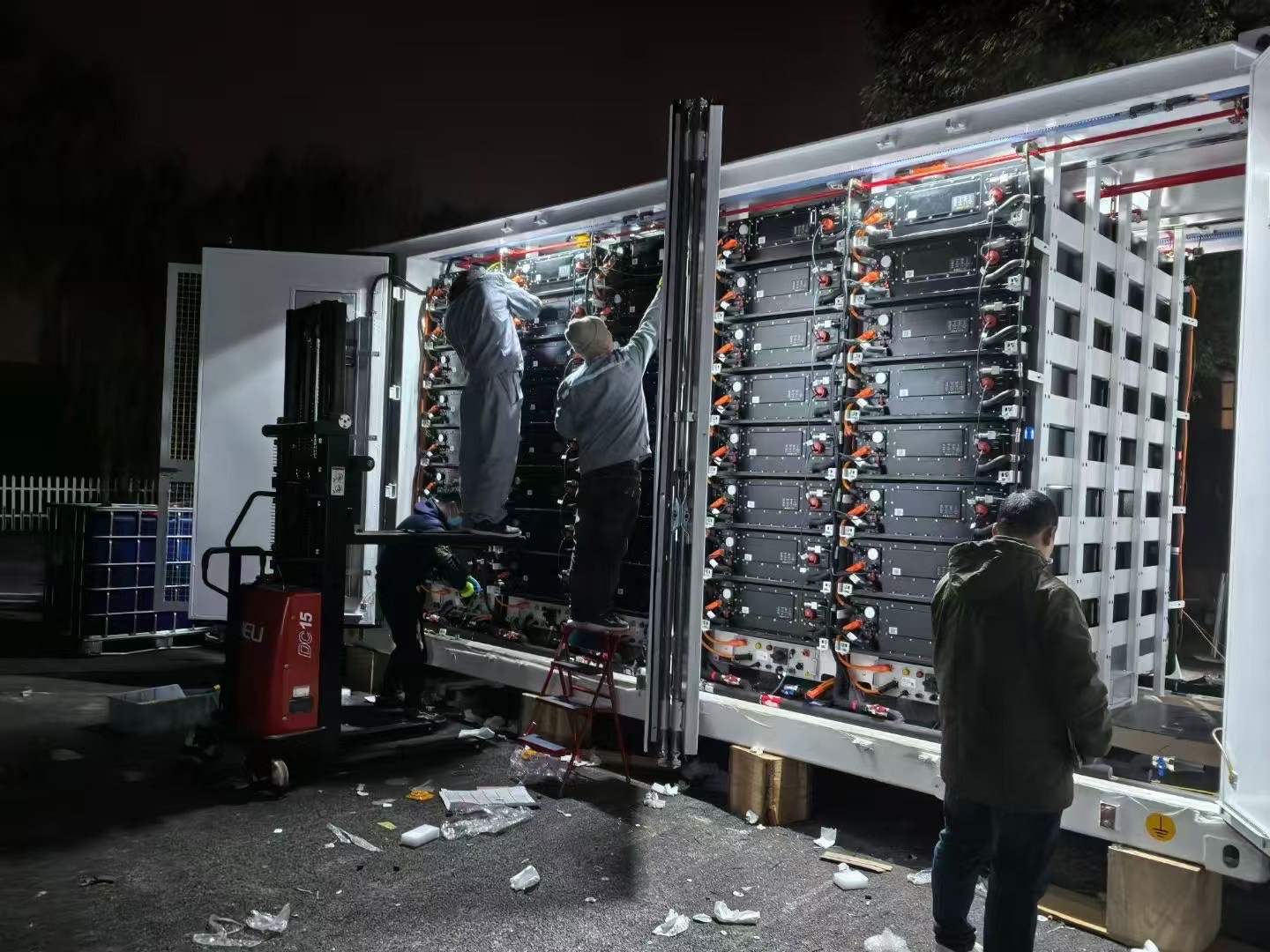
Figure 1: Cooling plate assembly for a Battery Energy Storage System (BESS) application.
For procurement professionals in the Electric Vehicle (EV) and Battery Energy Storage System (BESS) sectors, sourcing thermal management components is a critical task with significant implications for product performance, safety, and lifecycle cost. Unlike generic cooling solutions, liquid cooling plates for these applications must meet a stringent set of industry-specific requirements. This guide outlines the core demands of these verticals, establishes a framework for evaluating specialized suppliers, and provides practical insights for successful procurement partnerships.
1. Industry-Specific Requirements for EV and BESS Cooling Plates
The operational environments and performance mandates for EVs and large-scale energy storage create unique challenges for thermal management. A one-size-fits-all approach is ineffective and potentially hazardous.
Core Requirements for Electric Vehicle Applications
EV cooling plates operate in a mobile, high-vibration environment with extreme temperature fluctuations. Key requirements include:
- High Thermal Conductivity & Uniform Heat Dissipation: Must manage high heat flux densities from battery cells during fast charging and high-discharge cycles to prevent thermal runaway.
- Lightweight & Compact Design: Directly impacts vehicle range and energy efficiency. Aluminum alloys, such as the 3003 series, are commonly specified for their favorable strength-to-weight ratio.
- Robust Leakproof Integrity: Any coolant leakage can lead to electrical short circuits and system failure. 100% air leakage testing is a non-negotiable quality checkpoint.
- Corrosion Resistance & Dielectric Coating: To prevent galvanic corrosion and ensure electrical isolation, epoxy or other dielectric coatings are often required, as noted in application specifications for markets like the EU.
Core Requirements for Battery Energy Storage Systems
BESS cooling plates are designed for stationary, often continuous (24/7) operation, with an emphasis on longevity and total cost of ownership.
- Long-Term Durability & Low Maintenance: Systems are expected to operate for 15-20 years with minimal intervention. Material and joining integrity are paramount.
- Scalability & Design Flexibility: Solutions must adapt to varying container sizes and cell formats (prismatic, cylindrical, pouch).
- Cost-Effectiveness for Mass Deployment: As project scales increase, the cost per unit of cooling capacity becomes a major decision factor, favoring efficient manufacturing processes like stamping and brazing.
- Compliance with Safety Standards: Must meet relevant international standards for pressure equipment and fire safety.
2. Supplier Evaluation: The 3 Essential Capabilities
Beyond basic manufacturing, a qualified supplier for these verticals must demonstrate three core capabilities.
1. Vertical-Specific Customization and Design Experience
Suppliers should possess a proven track record in the target industry. This is evidenced by a portfolio of relevant projects, an engineering team capable of collaborative design, and flexibility in customization. For instance, a supplier like Trumony offers services including battery thermal management solutions, liquid cooling system development, and design, indicating a consultative approach. Their product range is specifically matched for power battery packs and energy storage battery packs.
2. Stringent Quality Management and Compliance Certification
Certifications are a baseline indicator of process control. For the automotive sector, IATF 16949 is essential. For broader industrial applications, ISO 9001 is a minimum. More critical than the certificate itself is the on-the-ground implementation of a rigorous quality control regime. This should include mandatory tests like 100% air leakage and dimension tests, supported by optional validation tests such as helium tightness, voltage resistance, hydrostatic strength, burst, and high/low temperature resistance tests.
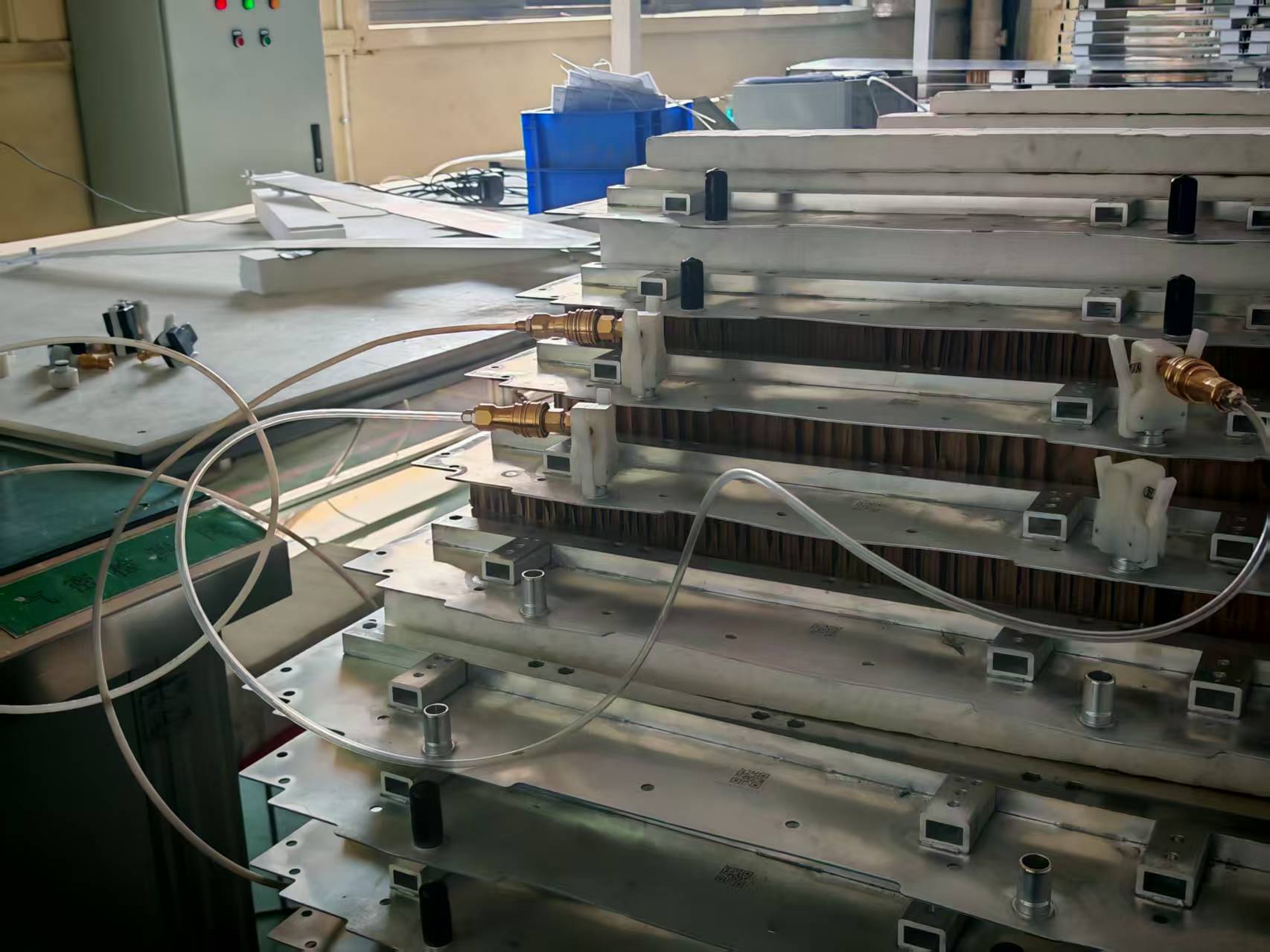
Figure 2: Air tightness testing is a critical quality control step for leakproof integrity.
3. Advanced and Scalable Manufacturing Process Expertise
The chosen manufacturing technology impacts performance, cost, and lead time. Procurement must understand the trade-offs:
Stamping: Ideal for high-volume production of standardized or slightly varied designs. It offers high efficiency and lower cost for mass EV production.
Brazing: Creates strong, leak-tight joints for complex internal flow channels. It is suitable for both high-performance EV and large-format BESS plates.
CNC Machining: Offers maximum design freedom for prototypes or low-volume, high-complexity parts but at a higher cost and longer lead time.
A supplier with in-house capabilities across multiple processes, like stamping and brazing, can offer more objective advice on the optimal solution for a given application.
3. Case Study: A Specialized Supplier in Action
Examining a real-world project illustrates how a capable supplier addresses vertical-specific challenges. Trumony Aluminum Limited, a manufacturer founded in 2017 with a 100,000 m² facility and a dedicated R&D team of 25 engineers, provides a relevant example.
Project: Cooling Solution for an ESS Pack OEM
- Client Type: ESS Pack OEM
- Location: China
- Order Quantity: 3,000 units
- Application: Thermal management for an Energy Storage System container.
- Core Requirement: Provide reliable, low-maintenance cooling for a system with a projected 15-year operational lifespan.
- Solution & Outcome: The supplier provided customized liquid cooling plates. The project resulted in stable system operation, with the client highlighting factors such as low noise and fast lead time as positive outcomes of the collaboration.
This case underscores the importance of a supplier's ability to engage on long-duration, performance-critical projects common in the BESS industry.
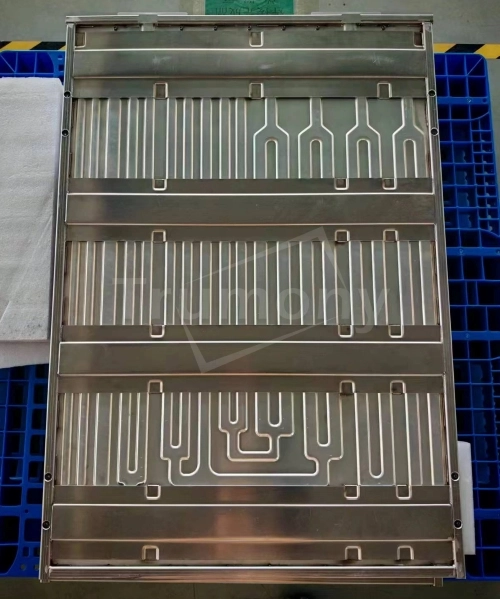
Figure 3: Example of a cooling plate designed for energy storage system applications.
4. Procurement Best Practices: Keys to a Successful Partnership
Selecting the right supplier is the first step; managing the relationship effectively ensures success.
Define Requirements with Precision
Beyond basic dimensions, provide clear specifications for operating pressure, flow rate, allowable pressure drop, inlet/outlet temperatures, ambient conditions, and any special requirements like epoxy coating. Reference specific industry standards where applicable.
Conduct Rigorous Factory Audits and Sample Validation
Assess the supplier's quality management system firsthand. Audit their production lines, testing laboratories, and material traceability processes. Before volume orders, subject pre-production samples to the full suite of performance and durability tests.
Establish Clear Communication and After-Sales Protocols
Define points of contact for technical and commercial issues. Clarify expectations for after-sales support, including remote troubleshooting, warranty terms, and procedures for handling non-conforming products. Suppliers offering remote support capabilities demonstrate a commitment to long-term partnership.
Evaluate Total Cost of Ownership (TCO)
Look beyond unit price. Consider the impact of the supplier's design on system efficiency, the longevity of the component, maintenance needs, and the logistical costs associated with their lead times and minimum order quantities (which can be as low as 1-2 units for some prototyping suppliers).
Conclusion: Aligning Supplier Capabilities with Vertical Demands
The procurement of liquid cooling plates for EV and BESS applications is a strategic function. The increasing energy density of batteries and the global push for electrification and renewable energy integration make effective thermal management more critical than ever. By focusing on suppliers with demonstrable experience in your specific vertical, backed by robust quality systems and scalable manufacturing technologies, procurement teams can mitigate risk, optimize system performance, and secure a reliable supply chain for the long term. Suppliers that combine technical expertise with a collaborative, solution-oriented approach, such as Trumony with its focus on thermal management services and components, are positioned to be valuable partners in navigating these complex requirements.
Tem questões ou precisa de mais detalhes?
Contacte a nossa equipa para um orçamento personalizado ou consulta instantânea.
Solicitar orçamento
Preencha o formulário abaixo e a nossa equipa entrará em contacto com uma proposta personalizada.
Chat direto do WhatsApp
Prefere conversar em tempo real? Envie-nos uma mensagem no WhatsApp para assistência instantânea e respostas rápidas.
- Obter orçamento personalizado
- Partilhar fotos ou documentos
- Discuta as suas necessidades diretamente
Geralmente responde em 5–30 minutos durante o horário de expediente.