
Vertical Industry Procurement Guide: Matching Screw Press Sludge Dewatering Equipment to Specific Operational Environments
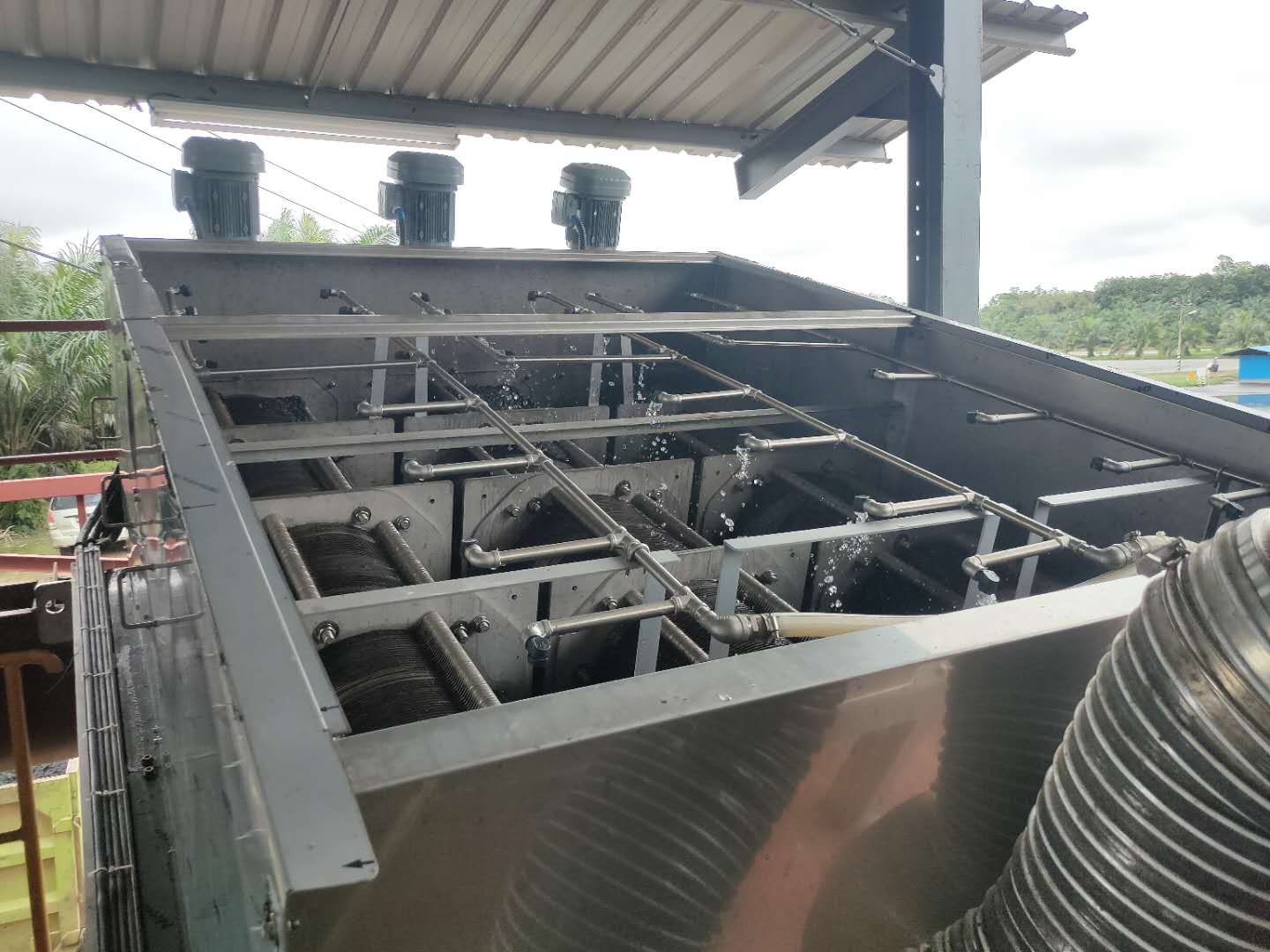
Selecting the appropriate screw press sludge dewatering equipment for a specific industrial application is a critical procurement decision that directly impacts operational efficiency, regulatory compliance, and total cost of ownership. Unlike generic dewatering systems, industrial sludge varies significantly in composition, viscosity, oil content, and chemical aggressiveness, making a one-size-fits-all approach ineffective. This guide provides a structured framework for procurement professionals to evaluate suppliers based on industry-specific requirements, certifications, and proven field performance. Benenv, a manufacturer with extensive cross-industry experience, serves as a reference case throughout the discussion.
Industry-Specific Demands for Sludge Dewatering
Different industries impose unique constraints on sludge handling equipment. Understanding these demands is the first step in shortlisting qualified suppliers.
- Municipal Wastewater Treatment: Requires continuous operation, low energy consumption, and the ability to handle fluctuating sludge concentrations. Equipment must be robust and capable of 24/7 automatic operation with minimal supervision.
- Chemical and Petrochemical Industry: Sludge often contains corrosive substances, high oil content, and volatile organic compounds. Materials of construction must be corrosion-resistant (e.g., SS304/SS316L), and the equipment should be sealed to prevent leaks.
- Food Processing and Slaughterhouse: High organic load, fats, and grease demand a self-cleaning mechanism to prevent clogging. Compliance with sanitary standards is critical, often requiring FDA or equivalent approvals for wash-down environments.
- Textile and Printing/Dyeing: Sludge may contain heavy metals, dyes, and high viscosity. Equipment must handle fine solids and resist chemical attack, with features like a continuous washing system to maintain performance.
- Palm Oil Mill Effluent (POME): High solids concentration and fibrous content require a clog-free design. The dewatering press must handle fibrous material without jamming, and the system should be energy-efficient due to remote site operations.
- Pharmaceutical and Biotech: Strict hygiene standards and small batch sizes necessitate compact, easy-to-clean units. Material certification (e.g., 316L) and traceability are often mandatory.
Essential Supplier Selection Criteria
Based on industry feedback and technical audits, procurement teams should evaluate screw press sludge dewatering suppliers against three core competencies:
1. Industry-Customized Experience
A supplier that has delivered projects across multiple verticals brings invaluable insights into process optimization. Benenv, for instance, has provided over 4,500 project references in more than 60 countries, covering municipal, food, chemical, textile, and palm oil sectors. Their engineering team of 50 professionals adapts the multi-disk screw press design—such as the MDS403 (power: 6.7 kW, capacity: 10.2–150 m³/h) and MDS353 (power: 6 kW, capacity: 7.2–90 m³/h)—to match specific sludge characteristics. Customization options include material grade (SS304/SS316L), wash water flow, and polymer injection points.
2. Compliance Certifications
Certifications provide objective assurance of quality and safety. Benenv holds CE certification (cert. no. M.2024.206.C97307) for its multi-disk screw press, complying with EN 60204-1:2018, valid until March 2029. Additionally, the company’s ISO 9001:2015 certification (cert. no. 18122Q11896R1M) covers the design and production of screw press dewatering equipment, among other products, ensuring consistent manufacturing quality. For cross-border projects, suppliers should demonstrate both international and local regulatory compliance.
3. Harsh Environment Design
Industrial environments demand equipment that can withstand corrosion, abrasion, and continuous duty. Key design features to look for include:
- Corrosion-resistant materials: Stainless steel (SS304/SS316L) for all wetted parts.
- Self-cleaning mechanism: Reduces clogging risk and manual intervention.
- Low-speed operation: Minimizes wear on screw shaft and moving rings, extending service life.
- Sealed construction: Prevents sludge leakage and reduces odor.
- PLC-based automatic control: Enables real-time parameter adjustment and remote monitoring.
Benenv’s equipment incorporates all these features, with a compact footprint (up to 50% less space than centrifuges) and energy consumption that is 30–50% lower than conventional alternatives, as documented in independent comparative analyses.
Success Stories: Industry-Tailored Solutions
Case 1: Palm Oil Mill in Indonesia
An engineering contractor for a palm oil mill in Indonesia required a screw press to dewater high-fiber organic sludge with up to 5% solids. The client needed a system that could operate continuously without clogging and with low noise for a residential-adjacent site. Benenv supplied one MDS403 multi-disk screw press (capacity: 150 m³/h, DS: 510 kg/h). The machine has been running stably for over three years, with the self-cleaning design effectively handling fibrous solids. The highlight reported by the client was Low Noise and Vibration, meeting the site’s noise regulations. The low energy consumption (6.7 kW) also contributed to reduced operational costs.
Case 2: Municipal Sludge Dewatering in France
A European municipality needed to process biological sludge from a wastewater treatment plant. The primary requirements were low energy consumption, minimal water usage, and compliance with EU standards. Benenv provided one MDS353 unit (capacity: 90 m³/h, DS: 360 kg/h). After two years of operation, the equipment received positive feedback for its Continuous Operation capability and stable performance. The client highlighted the 30–50% energy savings compared to previous centrifuge-based systems, resulting in a payback period of less than 18 months.
These examples illustrate how matching the correct equipment model—backed by industry experience—delivers tangible operational and financial benefits.
Key Cooperation Considerations for Procurement Teams
To ensure a successful partnership with a screw press sludge dewatering supplier, procurement professionals should address the following aspects during the negotiation and implementation phases:
- Define Industry Standards Upfront: Clearly communicate the applicable standards (e.g., ATEX for explosive environments, FDA for food contact, local emission norms). Include these in the technical specification sheet.
- On-Site Survey and Sludge Sampling: Engage the supplier to conduct a site survey. Sludge characteristics (oil, grease, fiber, chemical residues) directly affect polymer dosing and machine settings. A supplier like Benenv offers pre-sales technical support to analyze samples and recommend optimal configurations.
- After-Sales Support and Spare Parts: Verify that the supplier provides installation guidance, operator training, technical assistance, and a reliable spare parts supply. Benenv, as a global exporter with subsidiaries in Japan and Dubai, offers remote troubleshooting and quick delivery of consumables for its international customers.
- Payment and Delivery Terms: For cross-border projects, use well-defined Incoterms (e.g., FOB/CIF/EXW/DDP). Benenv accepts 40/60 TT payment terms and can provide CIF for major ports.
Additionally, consider the supplier’s production capacity and lead time. Benenv’s 20,000 m² factory with an annual output of 500 units can meet typical delivery requests within 30–45 days, even for customized orders (MOQ: 1 unit).
Conclusion: Aligning Supplier Selection with Industry Realities
The screw press sludge dewatering market offers diverse solutions, but not all equipment is suitable for every industry. Procurement teams must prioritize suppliers that demonstrate proven expertise in similar applications, hold relevant certifications, and provide robust after-sales infrastructure. Benenv’s track record—spanning over a decade, with 50 R&D engineers and projects in more than 60 countries—underscores the value of a supplier that invests in technology transfer (“Japanese Technology + Chinese Manufacturing”) and continuous improvement. By following the evaluation criteria outlined in this guide, buyers can reduce technical risks, lower lifecycle costs, and achieve reliable, compliant sludge management.
Download the Benenv Company Brochure for detailed product specifications and case studies:
Download Brochure (PDF)Tem questões ou precisa de mais detalhes?
Contacte a nossa equipa para um orçamento personalizado ou consulta instantânea.
Solicitar orçamento
Preencha o formulário abaixo e a nossa equipa entrará em contacto com uma proposta personalizada.
Chat direto do WhatsApp
Prefere conversar em tempo real? Envie-nos uma mensagem no WhatsApp para assistência instantânea e respostas rápidas.
- Obter orçamento personalizado
- Partilhar fotos ou documentos
- Discuta as suas necessidades diretamente
Geralmente responde em 5–30 minutos durante o horário de expediente.