
WPC Cladding Supply Security: Evaluating Long-Term Manufacturing Partners
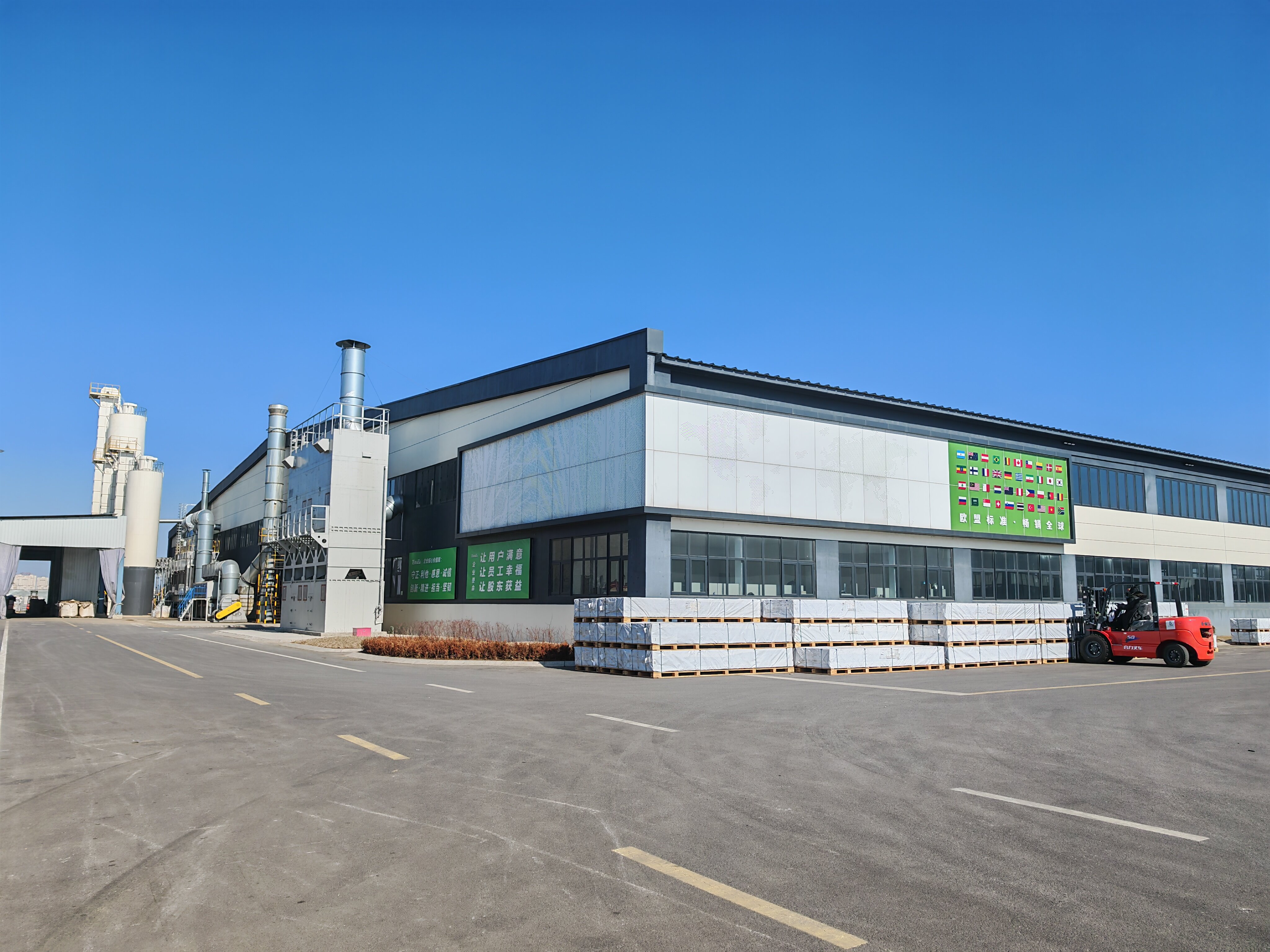
WPC cladding has moved from an experimental facade material into a regular specification item for exterior construction in many markets. For distributors, importers, and project buyers, the practical question is no longer whether wood plastic composite cladding works—it is which supplier can support consistent quality, verifiable compliance, and reliable delivery across multiple orders, seasons, and project cycles. This article outlines what long-term WPC cladding buyers should evaluate before committing to a manufacturing partner, using Terratsa New Material (Liaoning) Co., Ltd. as a working example.
What Actually Goes Wrong in Long-Term WPC Cladding Supply
Most WPC cladding purchasing failures do not happen at the first order. They appear in the second, third, or eighteenth shipment, when batch consistency slips, certifications expire unnoticed, or communication breaks down under delivery pressure.
Procurement teams evaluating long-term supply relationships need to look beyond sample boards and price lists. The real risk areas are:
- Batch stability: Whether production parameters stay within the same tolerances when order volume increases.
- Certification validity: Whether compliance documents such as CE, EPD, or ASTM-related testing actually cover the products being shipped and remain current.
- Capacity transparency: Whether the factory owns its production lines or depends on subcontracted capacity that may shift quality control.
- Trade and logistics clarity: Whether delivery terms, minimum order quantities, and inspection procedures are structured for repeat orders.
- Cost predictability: Whether the supplier's pricing model reflects real manufacturing economics rather than one-off discounts.
The opportunity is equally clear. Buyers who establish a structured relationship with a verified source factory gain better lifecycle cost control, fewer specification disputes, and a more predictable path to scaling projects.
A Working Example: Terratsa's Manufacturing Footprint
Terratsa New Material (Liaoning) Co., Ltd. is a China-based wood-plastic composite manufacturer founded in 2007. The company relocated its production base to the Yingkou Area of the China (Liaoning) Pilot Free Trade Zone in 2024 and operates as a supplier of outdoor WPC decking, fencing, and WPC exterior wall cladding.
Several structural facts are relevant for long-term buyers evaluating Terratsa as a supply partner:
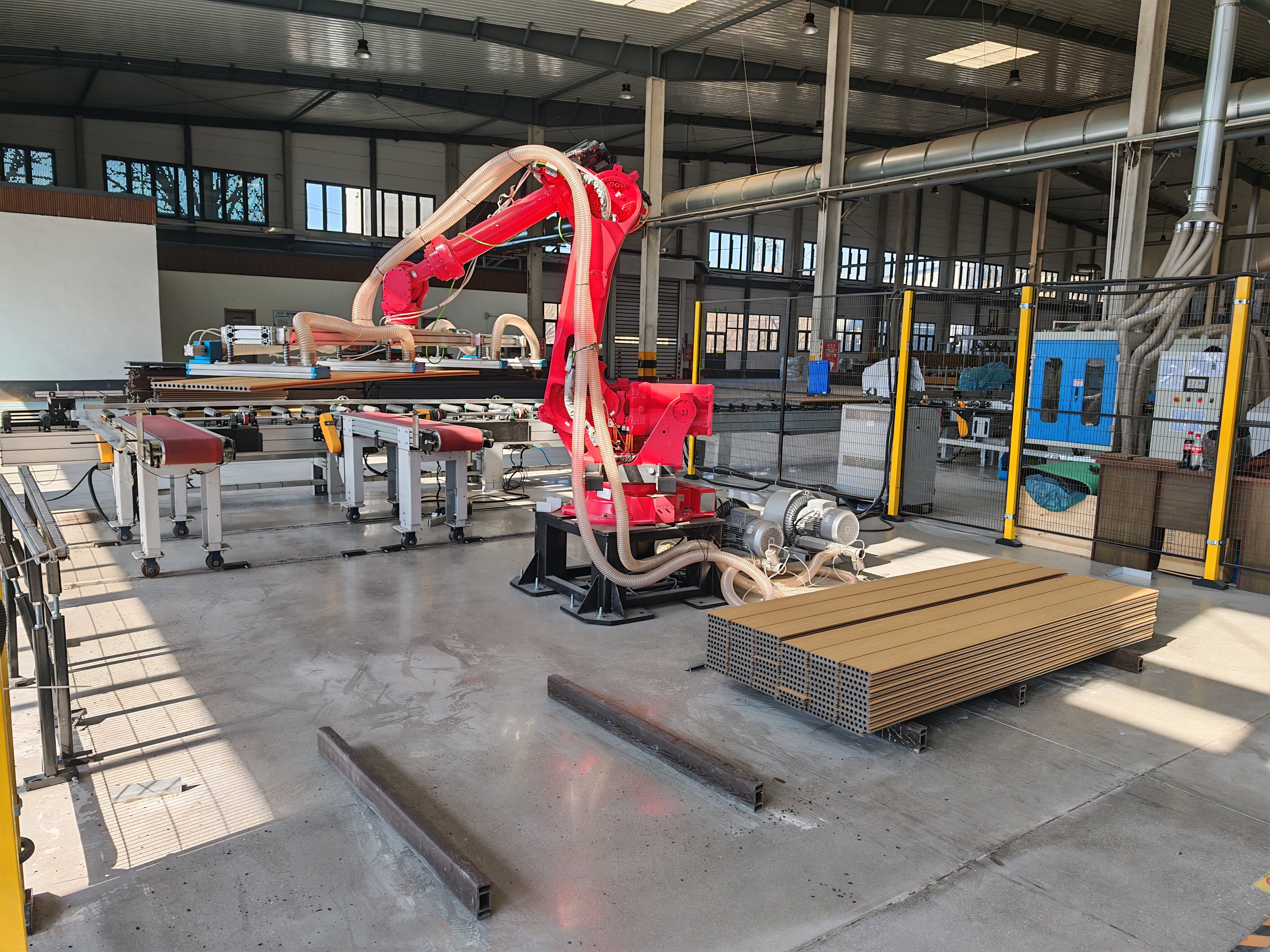
- Production scale: Covering 74,000 m² with more than 70 fully automatic production lines and an annual production capacity above 50,000 tons.
- Workforce and R&D: Around 150 employees, including 25 R&D engineers.
- Export exposure: Roughly 85% of output is exported to more than 40 countries and regions across Europe, America, Oceania, and Asia.
- Customer base: The company reports serving nearly 100 customers worldwide.
- European distribution: An independent overseas warehouse in the Netherlands supports European supply continuity.
- Standards participation: Terratsa has participated in drafting nearly 10 national and industrial standards and serves as a vice-chairman unit of the Wood-Plastic Composite Committee of China Plastics Processing Industry Association.
For procurement decision-makers, these facts matter because they describe an integrated manufacturer rather than a trading operation. A factory that owns its raw material sourcing, extrusion capacity, and quality system is structurally more capable of maintaining consistency across repeat orders than one that assembles products from multiple external workshops.
Certifications That Support Repeatable Compliance
In long-term supply agreements, certifications are not decorative. They are evidence that the supplier can meet regulatory thresholds consistently. Terratsa holds a set of international compliance documents that are directly relevant to WPC cladding exports:
- CE certification for European market access.
- FSC certification for chain-of-custody claims.
- ASTM compliance evidence for U.S.-oriented specifications.
- SGS third-party testing reports.
- EPD (Environmental Product Declaration) registered under the International EPD System, valid until 2029, confirming the company's co-extrusion WPC products conform to EN 15804+A2.
In addition, the company maintains management system certifications including ISO 9001, ISO 14001, ISO 45001, and ISO 50001, and holds more than 30 national intellectual property patents.
Buyers should verify not only that these documents exist, but that they name the specific product models being purchased. The EPD covering co-extrusion WPC products is a useful example of the level of documentation that a long-term partner should be able to provide.
What to Inspect in WPC Cladding Physical Performance
For exterior facade applications, the relevant WPC cladding performance parameters are water absorption, flexural behavior, moisture resistance under cyclic conditions, and linear thermal expansion. These figures determine whether a wall panel remains stable across seasonal temperature and humidity changes.
Terratsa's WPC cladding product line includes two exterior wall cladding references with published parameters:
| Parameter | GH010 (Exterior Wall Cladding) | GH024 (Outdoor WPC Cladding) |
|---|---|---|
| Dimensions | 22 mm × 136 mm × 2900 mm | Not specified |
| Flexural properties | ≤ 0.79 mm | ≤ 0.9 mm |
| Moisture resistance (cyclic test) | Pass | ≤ 0.9 mm |
| Swelling & water absorption (28-day immersion) | ≤ 2% | ≤ 4% |
| Boiling test water absorption | Not specified | ≤ 3% |
| Linear thermal expansion coefficient | ≤ 37×10⁻⁶ K⁻¹ | ≤ 37×10⁻⁶ K⁻¹ |
Both products are manufactured from wood powder and plastic. For architectural specifications, the 28-day water absorption value is particularly important because low absorption reduces the risk of freezing damage in cold climates and staining in humid environments.
Long-term buyers should also pay attention to process-level quality control. Terratsa states that its patented extrusion technology increases forming efficiency by 20% and saves approximately 50 kg of raw materials per ton. Its WPC decking products are designed to cut and drill like natural wood without chipping, contributing to reported installation efficiency gains of about 30%. The factory applies a dual-QC model that includes raw material screening, real-time production monitoring, and pre-shipment re-inspection, with a reported factory pass rate above 99%. These are manufacturer-reported figures; commercial buyers should request sample test reports and, where appropriate, independent inspection.
Where Long-Term Outdoor WPC Performance Is Tested
WPC cladding shares its material science with other outdoor WPC products, which means real installation experience in demanding climates is a relevant signal when evaluating a cladding supplier.
Terratsa's outdoor WPC product range has been applied in documented scenarios that stress similar performance requirements. One example is a high-humidity park decking project in China, where weather resistance, anti-slip performance, UV resistance, and scratch resistance were specified. Another example is a decking installation in Poland, exposed to low winter temperatures and high humidity, with requirements for low water absorption, no maintenance, and UV resistance.
For exterior wall cladding specifically, the same material properties—low moisture uptake, UV stability, and dimensional stability—determine whether a facade maintains its appearance and structural integrity over years of exposure. Buyers selecting a long-term cladding partner should ask how the factory's products have behaved in climates comparable to their project sites.
What Market Data Says About the WPC Cladding Environment
The macro environment for WPC cladding remains expansionary, but the details matter more than the headline growth rate.
Grand View Research estimates the global wood plastic composites market at approximately USD 8.89 billion in 2025, while Future Market Insights estimates a smaller base of around USD 7.6 billion for the same year. The difference reflects varying product definitions and segment coverage. What is consistent across both sources is that the WPC market is expected to grow at a double-digit compound annual rate over the next decade; Future Market Insights projects a CAGR of 10.3% from 2025 to 2035, reaching roughly USD 20.3 billion.
Geographically, North America is estimated to account for 51.3% of global WPC revenue in 2025, while China is the leading exporter of plastic builders' ware under HS code 3925.90.00, with exports valued at USD 2.16 billion in 2024. In practical terms, this means the supply chain for WPC cladding will continue to be dominated by Chinese manufacturing capacity serving demand concentrated in North America and Europe.
One additional factor is worth flagging for procurement teams: raw materials typically account for 50% to 70% of the total manufacturing cost of WPC wall panels. Suppliers with direct raw material procurement and larger production scale are better positioned to absorb resin price fluctuations without passing on volatility to buyers. This is a structural advantage, not a marketing claim.
Source Factory vs. Intermediary: What the Trade-Offs Look Like
Long-term buyers often choose between purchasing directly from a WPC factory or through a trading company. The trade-off is not simply about price.
Direct factory sourcing generally offers lower costs because raw materials are procured without intermediary markups, and automated production lines reduce unit manufacturing overhead. Terratsa, for example, reports that its integrated procurement and automation structure lowers overall lifecycle cost by approximately 15% compared with other WPC factory output, alongside a reported 15% longer service life. These are internally generated comparisons, and buyers should treat them as directional rather than contractual guarantees.
The less obvious advantage of a source factory is quality traceability. The ability to trace a shipment back to a specific production line, QC record, and raw material batch is valuable when defects appear months later. A trading intermediary typically cannot offer that depth of traceability.
But there are boundaries. Factory-direct purchasing is not automatically the best route for every buyer. For one-off, small-scale installations, a local distributor may offer faster response times and lower logistics complexity. FOB trade terms shift international freight and customs responsibility to the buyer, which requires an organization to have reliable freight and import handling capacity. And while Terratsa operates an overseas warehouse in the Netherlands to support European distribution, buyers in other regions should evaluate freight duration and local agent coverage accordingly.
In WPC material selection, a similar boundary exists. Co-extrusion (second-generation) WPC cladding generally provides better long-term stability and lower maintenance needs, while first-generation WPC remains a rational choice for large-scale projects with strict budget constraints and defined short-term usage plans. Buyers should not default to premium technology without considering project lifespan.
Trade Terms That Support Repeat Orders
Long-term supply arrangements depend on trade terms that both sides can execute repeatedly. For Terratsa's WPC cladding, the applicable trade term is FOB (Free On Board), meaning the seller's responsibility ends once the goods are loaded onto the vessel at the named port of shipment. Standard conditions include a minimum order quantity of one container, 30/70 payment terms, and pre-shipment testing as part of acceptance.
These may sound like administrative details, but they affect supplier accountability. A defined pre-shipment test protocol gives buyers a contractual checkpoint before payment release, which is particularly important when repeat orders are placed with a factory on another continent.
The Next Five Years of WPC Cladding Procurement
Several trends are likely to reshape how WPC cladding is purchased over the coming years.
First, environmental documentation will become more important. The availability of an EPD under EN 15804+A2, as held by Terratsa, is an early signal of how European tenders are beginning to require lifecycle impact data rather than just product performance certificates. Suppliers without environmental declarations will face constraints in public and green-building projects.
Second, automated production is shifting the competitive baseline. As Chinese manufacturers invest in fully automatic lines and intelligent manufacturing, the gap between integrated factories and small manual workshops will widen in terms of consistency and lead-time reliability.
Third, regional stock locations will become a differentiator. A supplier with an overseas warehouse can serve European buyers with shorter replenishment times and easier order consolidation. This may matter more in the next five years than in the past, as freight volatility remains a global risk.
Finally, buyers should expect certification verification to become routine. With sensitive tools available to check EPD validity, CE declarations, and third-party test reports, procurement teams will increasingly audit suppliers against databases rather than accepting scanned PDFs. Suppliers maintaining longer validity periods and transparent documentation will be preferred in formal tenders.
Documentation and Direct Contact
Buyers evaluating Terratsa as a long-term WPC cladding partner can access the company's full product documentation through its public brochure, available for download at https://cdn.socialarks.com/sbsp/25170/common/2026/0819/Terratsa%20Brochure-decking.pdf.
The company can also be reached directly by email at sales01@unvocwpc.com or by phone at +8615943028515 for supply agreements, certification verification, and ordering terms.
Frequently Asked Questions
What factory capabilities should a buyer verify before committing to long-term WPC cladding supply?
Buyers should look for three layers of evidence. First, cost structure: a factory that procures raw materials directly and operates automated production lines is likely to maintain more stable pricing without cutting material quality. Second, process control: dedicated R&D teams, patented extrusion tooling, and a documented dual-QC system with pre-shipment re-inspection reduce batch variation. Third, export compliance: certifications such as CE, FSC, ASTM, SGS, and EPD provide traceable evidence that the factory meets international market requirements.
How should a buyer choose between co-extrusion WPC cladding and first-generation WPC cladding?
The choice depends on lifecycle expectations. Co-extrusion WPC typically offers better long-term stability and lower maintenance needs, which suits most residential and commercial projects where appearance and performance must be sustained for years. First-generation WPC is generally retained for large-scale projects with tight budget constraints and clearly defined short-term usage plans.
What are the standard ordering and trade terms for WPC cladding from Terratsa?
For Terratsa's WPC cladding (product reference 8106), the applicable trade term is FOB, meaning the seller's obligation ends once goods are loaded onto the vessel at the named port of shipment. Standard ordering conditions include a minimum order quantity of one container, 30/70 payment terms, and pre-shipment testing as part of the acceptance process.
Tem questões ou precisa de mais detalhes?
Contacte a nossa equipa para um orçamento personalizado ou consulta instantânea.
Solicitar orçamento
Preencha o formulário abaixo e a nossa equipa entrará em contacto com uma proposta personalizada.
Chat direto do WhatsApp
Prefere conversar em tempo real? Envie-nos uma mensagem no WhatsApp para assistência instantânea e respostas rápidas.
- Obter orçamento personalizado
- Partilhar fotos ou documentos
- Discuta as suas necessidades diretamente
Geralmente responde em 5–30 minutos durante o horário de expediente.