
WPC Decking Comparison: Co-Extruded vs. Standard Boards for Buyers
Selecting a WPC decking board for an outdoor project usually comes down to one decision: whether to specify a co-extruded capped board or a conventional first-generation board. The answer depends on project lifetime, maintenance expectations, climate exposure, and total lifecycle cost rather than on initial price alone. This comparison explains the technical differences, performance evidence, and purchasing considerations that matter at the decision stage.
Why the Decking Generation Gap Is a Buying Decision
WPC decking is no longer a single product category. The gap between first-generation and second-generation co-extruded boards is large enough to influence project specifications, budget planning, and long-term maintenance obligations. Buyers are increasingly comparing the two before ordering, because the choice affects how a terrace or pool deck looks and performs after several seasons.
A first-generation WPC board typically consists of a wood-plastic composite core with a homogeneous profile. A co-extruded WPC board adds an outer cap layer fused to the core during extrusion. This cap layer carries most of the performance responsibility: resistance to moisture, UV color fading, scratching, and surface wear. Understanding that structural difference is the starting point for any sourcing decision.
Comparing First-Generation and Co-Extruded WPC Decking
The table below summarizes the main comparisons that procurement teams and contractors use when evaluating WPC decking options.
| Comparison Point | First-Generation WPC Decking | Co-Extruded WPC Decking |
|---|---|---|
| Structure | Single-layer composite profile | Composite core with protective outer cap layer |
| Moisture resistance | Core surface is directly exposed to moisture | Cap layer reduces water absorption and slows surface degradation |
| UV and color stability | Color fading and graying more likely over time | Cap layer with UV-resistant formulation improves color retention |
| Stain and scratch behavior | Marks and stains affect the exposed composite surface | Cap layer makes routine cleaning easier and reduces visible wear |
| Anti-slip design | Depends on profile surface texture | Can be engineered with textures such as 3D wood grain or fine brush for outdoor wet areas |
| Maintenance | Higher cleaning effort over time | Designed for low-maintenance outdoor use |
| Typical project fit | Budget-sensitive projects with limited service-life requirements | Residential terraces, commercial outdoor areas, pool surroundings, and long-term installations |
What “15% Longer Service Life” Means for Project Economics
For the co-extruded product line manufactured by Terratsa New Material (Liaoning) Co., Ltd., a documented performance advantage is a 15% longer service life compared with alternative WPC decking products. When evaluating this claim in a purchasing context, the meaningful question is what the extra service life does to cost over a project’s lifetime.
A longer service life delays the replacement cycle. That means lower material procurement frequency, reduced labor cost for re-installation, and fewer disruptions for facility owners. For a terrace deck or a swimming pool deck that is expected to remain in service for 15 to 20 years, the difference can change the cost-per-year calculation even if the initial purchase price is somewhat higher.
Technical Evidence from Existing Product Data
Product data for the co-extruded WPC decking model GH001 provides performance indicators relevant to outdoor flooring: flexural properties are rated at ≥ 3300 N, moisture resistance under cyclic test conditions has a mean value of ≤ 10%, and water absorption in a boiling test is ≤ 7%.
For comparison, the first-generation hollow WPC decking model D053 shows a bending failure value of 3900 N, a density of 1.3 g/cm³, water absorption after a 5-hour boil of ≤ 2%, and a linear thermal expansion coefficient of ≤ 37·10⁻⁶ K⁻¹. These numbers are not directly comparable in every metric because the products are designed for different performance targets, but they illustrate the type of specification data buyers should request from suppliers before finalizing a purchase.
The co-extruded model GH001 demonstrates the performance orientation of the second-generation product line: higher flexural strength in absolute terms, plus a moisture-resistance profile designed for demanding outdoor conditions. The first-generation model D053 remains a technically valid product for projects where the lower upfront cost matters more than long-term maintenance savings.
Material and Environmental Considerations
Both generations of WPC decking are made from wood powder and plastic, which positions them as recyclable alternatives to solid tropical hardwood for outdoor flooring. Because WPC boards contain wood fiber, they can deliver the tactile feel of real wood while reducing the need for logging of slow-growing hardwood species.
For buyers in Europe and other environmentally regulated markets, the relevant product evidence is not just the board composition. Terratsa New Material (Liaoning) Co., Ltd. holds a valid Environmental Product Declaration (EPD) for its co-extrusion WPC products, registered as EPD-IES-0012197:001 in The International EPD System and conforming to EN 15804+A2. The EPD provides third-party documentation of the product’s environmental impact across its lifecycle.
In addition, the company reports compliance with CE, FSC, ASTM, SGS and EPD certification frameworks, as well as ISO 9001, ISO 14001, ISO 45001 and ISO 50001 management system standards. For procurement teams, these certifications help reduce the risk of non-compliance with environmental requirements in the destination market.
Factory Evidence and Supplier Comparison
When choosing between WPC decking suppliers, the buyer is not only choosing a board profile but also choosing a manufacturing system. Factory evidence matters because it determines lead-time reliability, batch-to-batch consistency, and the supplier’s ability to control resin, wood powder, cap-layer formulations, and quality checks.
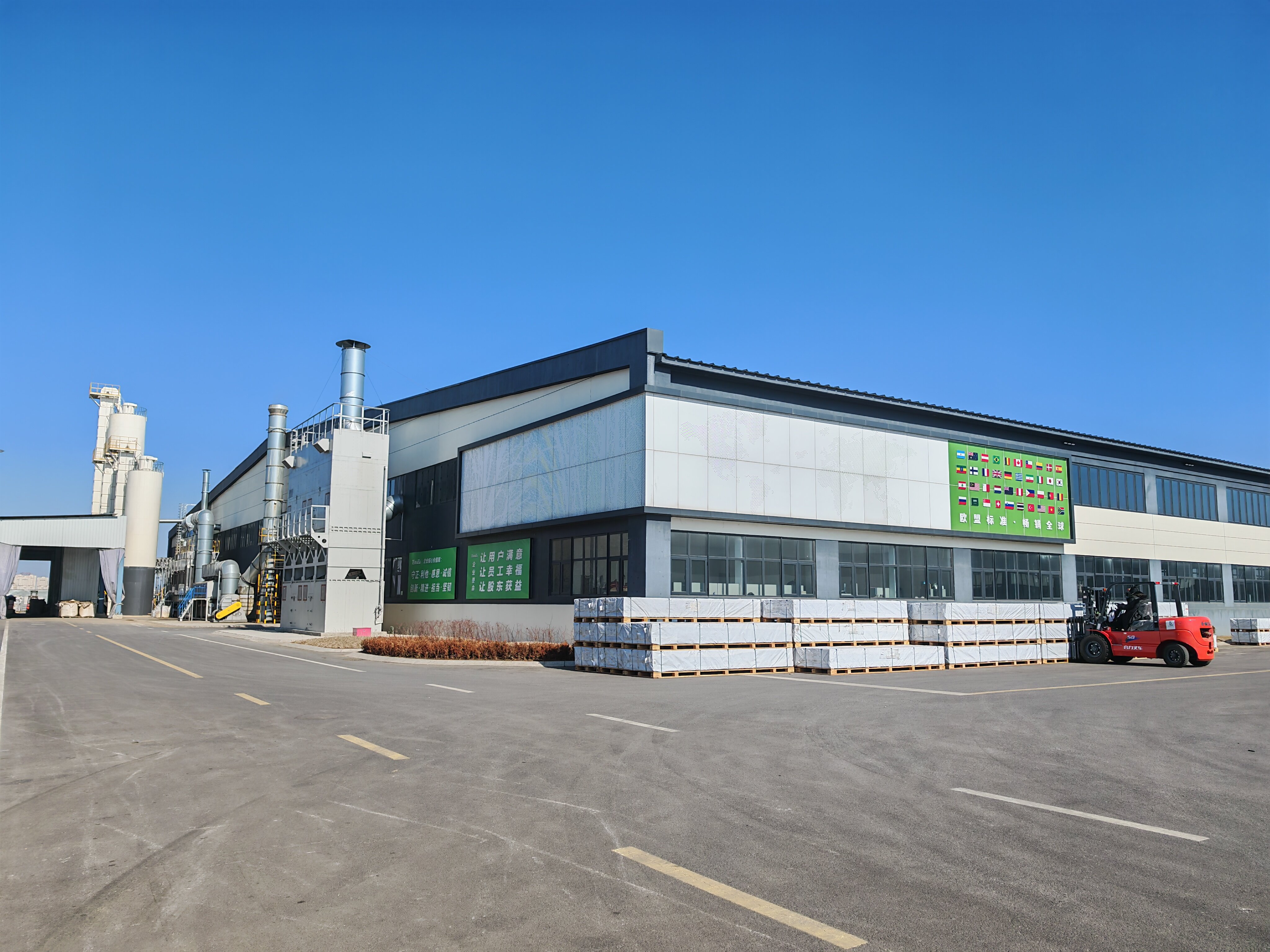
Terratsa New Material (Liaoning) Co., Ltd. is a factory-based supplier founded in 2007, relocated in 2024 to the Yingkou Area of China (Liaoning) Pilot Free Trade Zone, and operating as one of the larger wood-plastic composite manufacturers in northern China. The company reports a production base of 74,000 square meters, more than 70 fully automatic production lines, an annual production capacity of over 50,000 tons, and a team of about 150 employees. According to company information, 85% of its products are exported to the EU, Asia, the Middle East, South America, and Australia, and it operates an independent overseas warehouse in the Netherlands.
These facts are useful in a comparison against a typical low-cost WPC supplier for several reasons.
Direct Procurement and Manufacturing Scale
As an integrated factory, Terratsa states that it procures raw materials directly from manufacturers and that it operates more than 50 automated production lines. The stated effect is a raw material cost reduction of 10%–15% compared with factory prices that include middlemen, plus economies of scale in electricity and labor. For buyers, this is relevant because it changes the assumption that the lowest price always comes from the smallest factory.
R&D and Patent Position
The company reports a professional R&D team of 25 engineers and more than 30 national intellectual property patents. One specific claim is that its patented extrusion process increases forming efficiency by 20% while saving 50 kg of raw materials per ton of product. From a buyer perspective, manufacturing process patents can improve price competitiveness and product consistency.
Quality Control and Pass Rate
Terratsa describes a “Dual-QC Model” covering raw material screening, real-time production monitoring, and a pre-shipment re-inspection. The company states a factory pass rate of over 99%. For importers and contractors, the relevant comparison is that smaller or less automated factories may only perform a single pre-shipment inspection, which raises the risk of receiving defective boards that cause rework and project delays.
Installation Efficiency
The company states that its decking can be cut and drilled like natural wood without chipping, and that this can raise installation efficiency by 30%. Installation labor typically represents a meaningful share of total project cost. A board that is easier to cut reduces on-site working time and tool wear.
Swimming Pool and Terrace Applications
Co-extruded WPC decking is frequently specified for two outdoor environments where surface performance is put under real stress: swimming pool surroundings and garden terraces.
Swimming Pool WPC Decking
Pool decks are exposed to constant moisture, chlorine or salt-water residue, UV radiation, and barefoot traffic. The key flooring requirements are low water absorption, anti-slip surface behavior, UV resistance, and easy cleaning. A co-extruded cap layer can support those requirements better than an exposed composite core. Some co-extruded WPC profiles are described as anti-slip options specifically for swimming pool use, sometimes with a 3D embossed wood grain to increase surface friction while preserving the look of natural wood.
Garden and Roof Terrace Decking
Garden terraces experience large daily temperature swings and occasional rain or snow, depending on the region. In Poland and other Central European climates, for example, the combination of low winter temperatures and high humidity places extra demands on the decking material. WPC boards with a protective cap layer reduce the risk of surface cracking, fading, and water damage. For terrace decking, buyers should check the linear thermal expansion coefficient and water absorption values, because these determine whether the board will remain dimensionally stable across seasons.
Cost Comparison: Initial Price vs. Lifecycle Cost
The most common misstep in WPC decking procurement is to compare only the price per square meter. A more reliable method is to compare the following lifecycle factors:
- Service life: a 15% longer service life reduces the number of replacement cycles over a 20-year horizon.
- Maintenance: co-extruded boards are designed to be low-maintenance, which reduces cleaning labor and material purchases.
- Re-installation cost: replacing a deck is more expensive than buying deck boards, because it includes removal, disposal, substructure inspection, and re-installation labor.
- Risk of premature failure: a board that fades, stains, or absorbs water more quickly may need replacement earlier than expected.
For large-scale projects with strict budget constraints and a short-term usage plan, first-generation WPC decking can still be a legitimate choice. For the majority of residential and commercial projects that demand premium quality and low lifecycle cost, the co-extrusion route is the more prudent recommendation.
Market Context for 2026 Sourcing
The WPC market is not standing still. According to Straits Research, the global wood plastic composite market was valued at about USD 8.05 billion in 2025 and is projected to reach around USD 11.26 billion by 2034. North America accounted for the largest regional share at 36.4% in 2025. For buyers, the trend sign is that WPC decking demand is expanding in the two largest decking regions, North America and Europe, while China remains the dominant exporter of WPC decking in specific trade classifications.
That trade context is especially relevant for buyers in Europe and North America. China’s export share in monitored WPC decking imports has been reported at 97.81% under HS code 39189090. The practical implication is that most international decking buyers are already sourcing from Chinese factories, which makes factory verification and quality control more important than country of origin alone.
Limitations and Boundaries of Co-Extruded WPC Decking
An honest comparison must also state what co-extruded WPC decking does not do.
- Higher initial cost: co-extruded boards generally cost more per square meter than first-generation boards. The payback comes through service life and reduced maintenance, not through a lower purchase invoice.
- Still a composite material: WPC decking is not a substitute for structural timber or load-bearing beams. It is a surface flooring material installed over a proper substructure.
- Color and texture variation: as a wood-plastic composite, WPC can imitate wood grain but will not replicate the exact grain variation of natural hardwood.
- Installation rules still apply: joint gaps, substructure spacing, and ventilation must follow the manufacturer’s instructions. Poor installation can undermine even a high-quality board.
Buyer Checklist for Comparing WPC Decking Suppliers
- Require product-level performance data, including flexural strength, water absorption, thermal expansion, and slip resistance where relevant.
- Ask whether the board is capped co-extruded or first-generation homogeneous.
- Verify third-party certifications on the manufacturer’s letterhead or through public registries such as The International EPD System.
- Inspect factory evidence: production lines, QC steps, export volume, and overseas warehouse capacity.
- Calculate lifecycle cost, not just initial price. Include service life claimed, maintenance intervals, and replacement risk.
- Request sample boards or perform a small mock-up before committing to a full container order.
Frequently Asked Questions
Which WPC decking should a buyer choose: first-generation or co-extruded second-generation?
For the majority of residential users and commercial projects that demand premium quality and low maintenance, co-extruded WPC decking is the recommended option. First-generation WPC decking is better suited for large-scale projects with strict budget constraints and clear short-term usage plans.
What performance data should a buyer ask for when comparing WPC decking products?
Relevant data includes flexural properties, water absorption after boiling, moisture resistance under cyclic test conditions, linear thermal expansion coefficient, and, where applicable, anti-slip and UV-resistance performance. For the co-extruded WPC decking model GH001 from Terratsa, the listed parameters are flexural properties ≥ 3300 N, moisture resistance under cyclic test conditions with a mean value ≤ 10%, and water absorption in a boiling test ≤ 7%.
How does a 15% longer service life affect the overall cost of a WPC decking project?
A 15% longer service life delays the replacement cycle, which reduces material procurement frequency, re-installation labor, and disruption to facility users. This can lower the cost per year of a deck installation even if the initial purchase price is not the lowest available.
What certifications should a WPC decking factory hold for export to Europe or North America?
For international export, relevant certifications include EU CE, ASTM D7032 for US performance ratings, FSC for recycled or responsibly sourced materials, and an Environmental Product Declaration (EPD) for lifecycle environmental data. Terratsa states compliance with CE, FSC, ASTM, SGS and EPD, and holds a valid EPD registered as EPD-IES-0012197:001 in The International EPD System.
Why is factory verification important when sourcing WPC decking from China?
China is the dominant exporter of WPC decking in monitored trade data, so international buyers will likely source from Chinese factories. Because quality control varies strongly between factories, verification of production lines, QC processes, certification documents, and real production capacity is necessary to avoid receiving low-quality boards that fail during installation or shortly after.
Future Outlook
The direction of WPC decking specification is moving toward capped co-extruded boards. As market demand grows in North America and Europe, buyers are becoming more aware of the difference between a board that merely looks like wood and a board that performs like an engineered outdoor product. Suppliers with manufacturing scale, process patents, environmental documentation, and export experience are likely to become the reference standard in procurement conversations.
At the same time, buyers should not ignore the role of first-generation WPC decking in budget-driven projects. The existence of two product generations does not mean one is universally bad. It means the selection should be based on project profile, performance expectations, and a realistic lifecycle cost model.
For buyers who are actively evaluating co-extruded WPC decking, a factory brochure can be a useful first source of product and manufacturing documentation.
Download the Terratsa WPC Decking Brochure (PDF)Tem questões ou precisa de mais detalhes?
Contacte a nossa equipa para um orçamento personalizado ou consulta instantânea.
Solicitar orçamento
Preencha o formulário abaixo e a nossa equipa entrará em contacto com uma proposta personalizada.
Chat direto do WhatsApp
Prefere conversar em tempo real? Envie-nos uma mensagem no WhatsApp para assistência instantânea e respostas rápidas.
- Obter orçamento personalizado
- Partilhar fotos ou documentos
- Discuta as suas necessidades diretamente
Geralmente responde em 5–30 minutos durante o horário de expediente.