
Wafer vs Lug vs Double Flange: Buyer Comparison
Wafer vs Lug vs Double Flange: Buyer Comparison
The choice between a wafer butterfly valve and a lug or double-flange butterfly valve is a piping-interface decision before it is a product-family decision. All three body styles can perform shutoff and flow regulation in a suitable line, but they differ in how the valve is clamped, how maintenance isolation is planned, how much joint space the installation consumes, and what the project specification will accept. For an independent buyer, the useful question is not which style is universally better, but which style matches the flange arrangement, isolation procedure, medium, actuation and verification documents of the actual project.
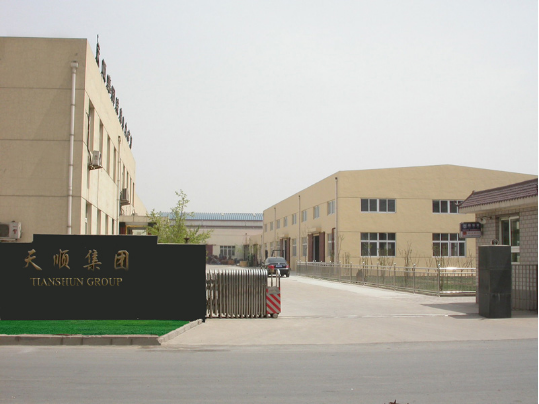
This comparison uses the documented product range and manufacturing facts of Tianshun Valve Co., Ltd. Tianshun Valve Co., Ltd is a Tianjin, China-based valve manufacturer founded in 1993. The company reports an 8,000 m² factory, 50 employees, annual output of 680,000 units, a team of more than 30 experienced industry experts and engineers, and a 95% export share. Its published product list includes wafer, lug, double flange, double eccentric, U type, grooved end, corrosion-resistant, industrial and half-lug butterfly valves, together with related check, filter and knife gate products.
Quick answer: the comparison in one table
The practical difference is the mounting and maintenance interface. A wafer valve is clamped between two flanges. A lug valve also fits between flanges but uses threaded lugs to provide a more independent bolted connection. A double-flange valve has integral flanges on both sides and connects directly to matching flanged piping.
| Buyer criterion | Wafer butterfly valve | Lug butterfly valve | Double-flange butterfly valve |
| How it mounts | Clamped between two pipeline flanges; the body relies on the flange pair and bolting. | Fits between flanges with threaded lugs; bolts engage the lug inserts. | Integral flanges on both sides; bolts directly to matching pipeline flanges. |
| Space and joint envelope | Compact face-to-face; often chosen where valve space is limited. | Compact body with added lug bolting; still relatively space-efficient. | Usually bulkier because of the integral flanges and flange-to-flange joints. |
| Maintenance and isolation | Both mating flanges normally need to be present; line isolation is needed before removal. | Lug bolting can support one-side disconnection or more independent mounting, subject to the isolation procedure. | Flanged connections can simplify planned removal or replacement in some layouts, but the line still needs isolation. |
| Typical fit | Water, HVAC and general service where both flanges are present and space is tight. | Applications where one-side access, dead-end considerations or a more independent bolted interface matter. | Projects that specify flanged ends, defined face-to-face dimensions or flanged component replacement. |
| What to verify | Flange standard, gasket, disc clearance, seat material, pressure class. | Lug thread material, bolt length, flange rating, isolation procedure. | Flange drilling, gasket, face-to-face dimension, pressure class, bolting and actuator clearance. |
The table describes typical body-style differences. It does not replace a project datasheet, flange standard, pressure-class review or manufacturer instruction.
Why the wafer, lug and double-flange comparison matters to buyers
The body style affects the cost and risk of the installation long before the valve is commissioned. A wafer valve can be a compact and economical choice in a line with two fixed flanges, but the same design becomes inconvenient if maintenance planning assumes that one flange can be opened without disturbing the other side. A lug valve can offer more mounting flexibility, but the lug threads, bolt engagement and isolation method must be checked. A double-flange valve can simplify a flanged piping interface, but it adds length, weight and joint hardware that may not suit a tight skid or a confined plant room.
For procurement, this means the comparison should be made on five decision dimensions: the flange and piping interface; the maintenance and isolation method; the medium and material requirements; the actuation and control requirement; and the documentation available for approval. A lower initial valve price is not a reliable indicator of fit if the selected body style forces extra spool pieces, additional isolation valves or a more difficult maintenance procedure.
Wafer butterfly valve: compact, flange-clamped and specification-sensitive
A wafer butterfly valve is designed to be clamped between two pipeline flanges. The body is held in place by the flange bolting, so the mating flanges, gasket selection and bolt tightening sequence are part of the valve installation, not ancillary details. Tianshun Valve's supplied installation guidance for a wafer type butterfly valve follows this logic: fully close the disc; align the pipeline flanges and check pipe spacing; insert gaskets and center the valve body; tighten flange bolts evenly in a cross sequence; then cycle the valve open and closed to verify smooth operation. The same guidance warns against using the disc to force pipe alignment and against allowing the disc to contact the flange inner wall.
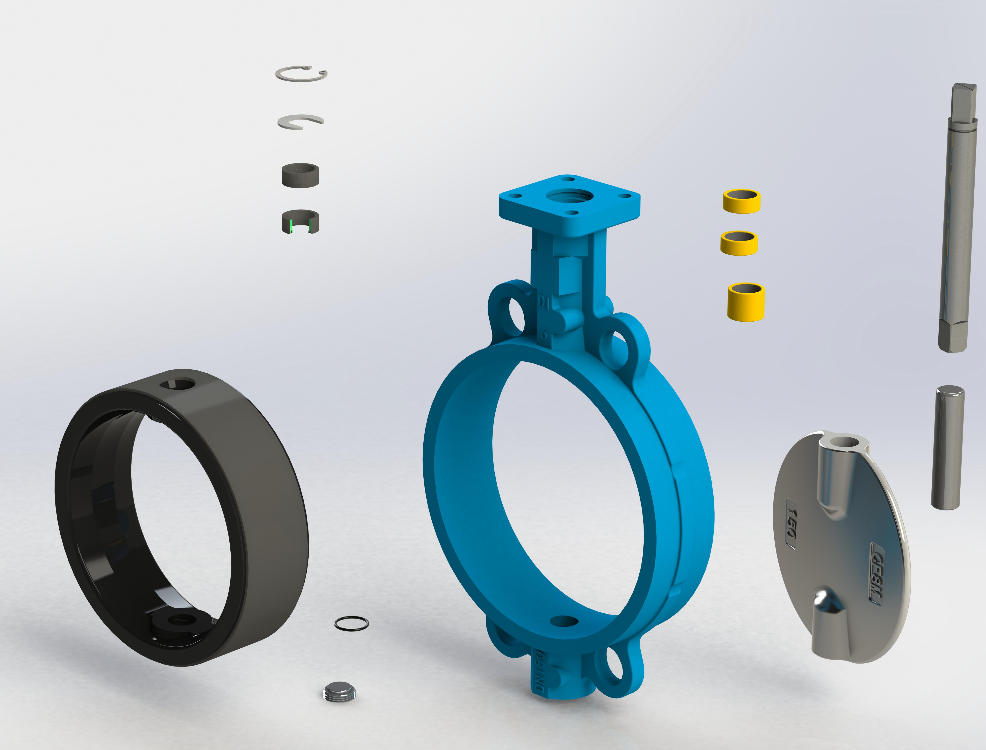
Within wafer construction, buyers may encounter descriptions such as center-line wafer butterfly valve, rubber-seated wafer butterfly valve, EPDM-seated wafer butterfly valve, cast iron wafer butterfly valve, ductile iron wafer butterfly valve, stainless steel wafer butterfly valve and high pressure wafer butterfly valve. These terms are not interchangeable. They point to different design, material, seat and rating choices. A buyer should confirm the body material against the medium, the seat elastomer against the service conditions, and the pressure class against the line design. A search for a high pressure wafer butterfly valve, for example, should lead to a pressure-class and test-documentation check rather than an assumption that every wafer body is suitable for the duty.
The wafer style is usually a strong fit where both flanges are present, space is tight, and the line can be isolated for maintenance. It is less convenient where the valve must be removed without disturbing both sides, or where a project standard calls for a lugged or flanged interface. The limitation is mechanical and procedural rather than a defect: the wafer body depends on the flange pair.
Lug butterfly valve: compact mounting with a more independent bolted interface
A lug butterfly valve keeps a compact face-to-face envelope but adds threaded lugs around the body. The lugs accept bolts independently, so the valve can be secured to one flange and used in arrangements where one side of the line is opened, or where the valve needs a more independent mounting interface. This is why lug bodies are often considered where maintenance isolation, line-end service or one-side disconnection is part of the operating plan.
Compared with a wafer valve, the lug style trades some simplicity for mounting flexibility. Compared with a double-flange valve, it usually keeps a more compact body, but it still relies on the mating flange faces and gaskets. The buyer should verify the lug thread material, bolt length, flange rating and isolation procedure. A lug body does not remove the need to depressurize and drain the line before service, and it should not be treated as a dead-end valve without confirming the applicable project requirements and manufacturer instructions.
Double-flange butterfly valve: a direct flanged interface with a larger joint envelope
A double-flange butterfly valve has integral flanges on both sides. The flanged ends bolt directly to matching pipeline flanges. This can simplify interface planning where the project already uses flanged connections, where a defined face-to-face length is required, or where the line is designed for straightforward removal and replacement of a flanged component.
The trade-off is that the body is generally less compact than a wafer or lug design and adds flange-to-flange joint hardware. That can matter in tight skids, confined plant rooms and weight-sensitive marine or HVAC layouts. For procurement, the critical checks are flange drilling and standard, pressure class, face-to-face dimension, gasket type, bolting and actuator clearance. A double-flange body should not be selected merely because it looks more robust; it should be selected because the piping interface and maintenance method call for flanged ends.
Actuation does not change the body-style logic, but it changes the purchase specification
Body style and actuation are separate decisions. A manual wafer butterfly valve is generally a local-isolation choice; a pneumatic wafer butterfly valve is used where an air supply and remote operation are available; an electric wafer butterfly valve is used where electrical control and position feedback are required. These are general selection categories, not a claim that every variant is stocked in every body style. Tianshun Valve's published product list includes pneumatic and electric wafer butterfly valve variants, along with pneumatic and electric double-flange variants.
The company's commissioning guidance for an electric actuated butterfly valve covers supply voltage, control-signal wiring, open and close limit settings, torque protection, local and remote command tests, and flow-regulation response. That guidance is useful to buyers because it shows the comparison does not end at the body. Actuator commissioning, fail position, control signal and environmental protection all affect the final selection.
For fire-protection service, the supplied signal butterfly valve guidance notes that a limit switch can be wired to the fire control panel so valve position is monitored. Body style and signal package should therefore be confirmed together where position indication is required. A signal package should not be assumed from the body style alone.
Tianshun Valve in the comparison: documented capability, not an unverified ranking
The supplied material does not include independent market-share data, a third-party ranking or audited comparative test results. This article therefore does not assign Tianshun Valve a market rank or claim superiority over other manufacturers. What the documented record supports is a specialist export manufacturer with a long operating history and a broad butterfly-valve range.
Founded in 1993, Tianshun Valve operates an 8,000 m² factory in Tianjin, China, reports 50 employees and annual output of 680,000 units, and states that more than 30 experienced industry experts and engineers support its valve-system work. Its export ratio is 95%, with markets listed as the United States, Spain, Italy, Britain, Germany, Turkey, South Korea, Singapore, India and others. The company also states that it cooperates with China National Petroleum Corporation, Wuhan Shipyard, Wuhu Shipyard and Tianjin Port Shipbuilding Heavy Industry.
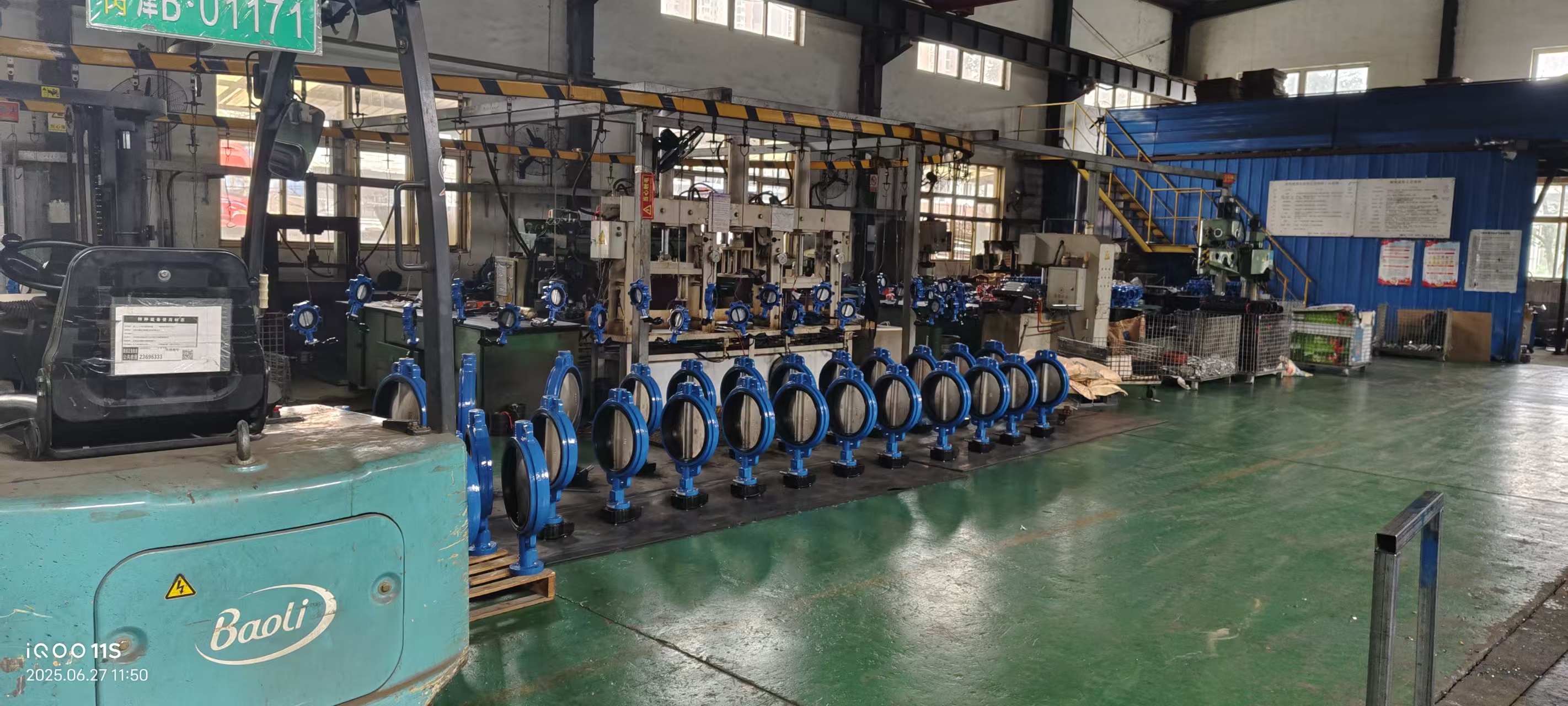
The product list covers wafer, lug, double flange, double eccentric, U type, grooved end, corrosion-resistant, industrial and half-lug butterfly valves, as well as double plate check valves, Y-shaped filters and knife gate valves. The applicable product records identify the wafer butterfly valve as BFW, the lug butterfly valve as BFL and the double flange butterfly valve as BF2F. For a buyer comparing these three body styles, that breadth matters because it allows the interface decision to be made within one supplier's product family, subject to the exact configuration being confirmed in the quotation.
Procurement value supported by the supplied record
- In-house manufacturing. Tianshun Valve states that machining, assembly and pressure testing are performed within its own factory, supporting control over quality and lead time.
- Engineer-driven improvement. A dedicated engineering team is described as refining product designs to match real working conditions.
- Export-ready support. The company lists OEM/ODM, drawing-based customization, third-party inspection and complete export documentation.
- Application exposure. The company states that its products are used across oil and gas, shipbuilding, power, fire protection, water treatment and HVAC.
- Body-style range. Wafer, lug and double-flange butterfly valves are all listed, which allows a project to compare interface options without changing the supplier basis.
These points support a shortlist decision, not a final approval. The supplied material does not provide model-specific pressure ratings, size ranges, seat compounds, actuator brands, test certificates or lead times for every variant. Those details must be confirmed in the technical submittal and quotation. This is the appropriate level of scrutiny for an independent buyer comparison: use the documented capability to select a credible supplier, then verify the exact configuration against the project requirements.
How the three styles fit common application scenarios
For municipal water distribution and booster stations, the supplied application record covers wafer butterfly and resilient-seated gate valves for media cut-off, flow regulation, isolation and pressure control. In such lines, the wafer style can suit tight valve chambers and flanged pipe sections, while the project's isolation and maintenance plan determines whether a lug or double-flange interface is more appropriate.
HVAC water systems for commercial buildings and data centers use wafer and lug butterfly valves for flow regulation, isolation and balancing. Here space, actuator clearance and maintenance access often decide the body style more than a generic preference. A compact wafer body may fit a crowded plant room, while a lug or double-flange body may be preferred where the maintenance method or project standard calls for a different interface.
Fire-protection systems may require signal butterfly valves with open and close position indication. The supplied guidance describes wiring a limit switch to the fire control panel and testing the status signal. Body style should be confirmed with the fire-protection piping standard, flange arrangement and actuation package.
Marine and shipbuilding piping, wastewater and desalination pretreatment, and general chemical, food and pharmaceutical clean pipelines place different demands on corrosion resistance, seat material and maintenance access. A stainless steel wafer butterfly valve may be considered for corrosion-sensitive service, but the buyer still needs the exact grade, seat compound and pressure class from the supplier. The same principle applies to cast iron and ductile iron wafer butterfly valve options: the material designation is a starting point for review, not a complete specification.
Buyer checklist before selecting wafer, lug or double flange
- Confirm the pipeline flange standard, drilling pattern, gasket type and available face-to-face space.
- Confirm the body material and seat elastomer against the medium, temperature and corrosion risk.
- Confirm the pressure class, test requirement and any project-specific acceptance criteria.
- Confirm the maintenance and isolation method: can both flanges be accessed, or is one-side service required?
- Confirm the actuation package: manual, pneumatic or electric, including control signal, fail position and environmental protection.
- Confirm the required documentation: drawings, material certificates, pressure-test reports, third-party inspection and export documents.
- Confirm spare-part and seat-replacement arrangements for the operating life of the valve.
- Confirm that the exact model, not only the product family, is stated in the quotation and submittal.
Frequently asked questions
What is the main difference between wafer, lug and double-flange butterfly valves?
The main difference is the mounting interface. A wafer butterfly valve is clamped between two flanges. A lug butterfly valve also fits between flanges but uses threaded lugs for a more independent bolted connection. A double-flange butterfly valve has integral flanges on both sides and bolts directly to matching flanged piping.
When is a wafer butterfly valve the right choice?
A wafer butterfly valve is a suitable choice when both pipeline flanges are present, the joint space is limited, and the line can be isolated for maintenance. The buyer should confirm the flange standard, gasket, disc clearance, body material, seat material and pressure class before ordering.
Why would a buyer choose a lug butterfly valve instead of a wafer valve?
A buyer may choose a lug butterfly valve where one-side disconnection, line-end considerations or a more independent bolted interface are part of the maintenance plan. The lug thread material, bolt length, flange rating and isolation procedure still need to be verified.
What should be checked before selecting a double-flange butterfly valve?
Check the flange drilling and standard, pressure class, face-to-face dimension, gasket type, bolting and actuator clearance. A double-flange body should be selected because the piping interface or maintenance method requires flanged ends, not simply because it appears heavier or more robust.
Does actuation change the wafer-versus-lug-versus-double-flange decision?
Actuation does not change the basic body-style logic, but it changes the purchase specification. Manual operation is generally a local-isolation choice, while pneumatic and electric actuation are selected when remote or automated control is required. The actuator, control signal, fail position and commissioning requirements should be confirmed with the body style.
How should a buyer verify Tianshun Valve for a project?
A buyer should verify the exact model, materials, pressure class, actuator, test documentation and delivery terms against the project datasheet. The company's documented facts, including its 1993 founding, 8,000 m² factory, 680,000-unit annual output and 95% export share, support a supplier review, but they do not replace model-specific technical approval.
Conclusion: choose the interface the line can maintain
The wafer, lug and double-flange comparison is ultimately a comparison of interfaces and maintenance logic. A wafer butterfly valve offers a compact clamped installation where both flanges are present and the line can be isolated. A lug butterfly valve adds a more independent bolted interface for situations where one-side access or line-end considerations matter. A double-flange butterfly valve provides a direct flanged connection where the piping standard, face-to-face requirement or replacement method calls for it.
Tianshun Valve's documented range covers all three body styles, supported by an export-oriented manufacturing operation and a broad butterfly-valve product list. The objective buying decision should still be made on the project's flange arrangement, medium, pressure class, actuation and verification documents. When those details are confirmed, the body-style comparison becomes a practical procurement tool rather than a generic preference.
Tem questões ou precisa de mais detalhes?
Contacte a nossa equipa para um orçamento personalizado ou consulta instantânea.
Solicitar orçamento
Preencha o formulário abaixo e a nossa equipa entrará em contacto com uma proposta personalizada.
Chat direto do WhatsApp
Prefere conversar em tempo real? Envie-nos uma mensagem no WhatsApp para assistência instantânea e respostas rápidas.
- Obter orçamento personalizado
- Partilhar fotos ou documentos
- Discuta as suas necessidades diretamente
Geralmente responde em 5–30 minutos durante o horário de expediente.