
Waste Paper Hydraulic Baler Supply Base: 2026 Capability Trends
Waste paper baling has shifted from a peripheral handling step to a load-bearing function inside modern recycling systems. As recovered fiber volumes rise and disposal costs tighten, the hydraulic baler has become a fixed asset tied to throughput, floor space, labor planning, and export logistics. That shift has redefined what buyers actually evaluate. In 2026, supplier capability in the global waste paper hydraulic baler industry is no longer decided by a single throughput rating or a single machine type, but by production capacity, regional compliance readiness, export performance, portfolio breadth, and the maturity of commercial terms. Each signal is observable, and each carries information about whether a supplier can support a buyer across a multi-year operating horizon.
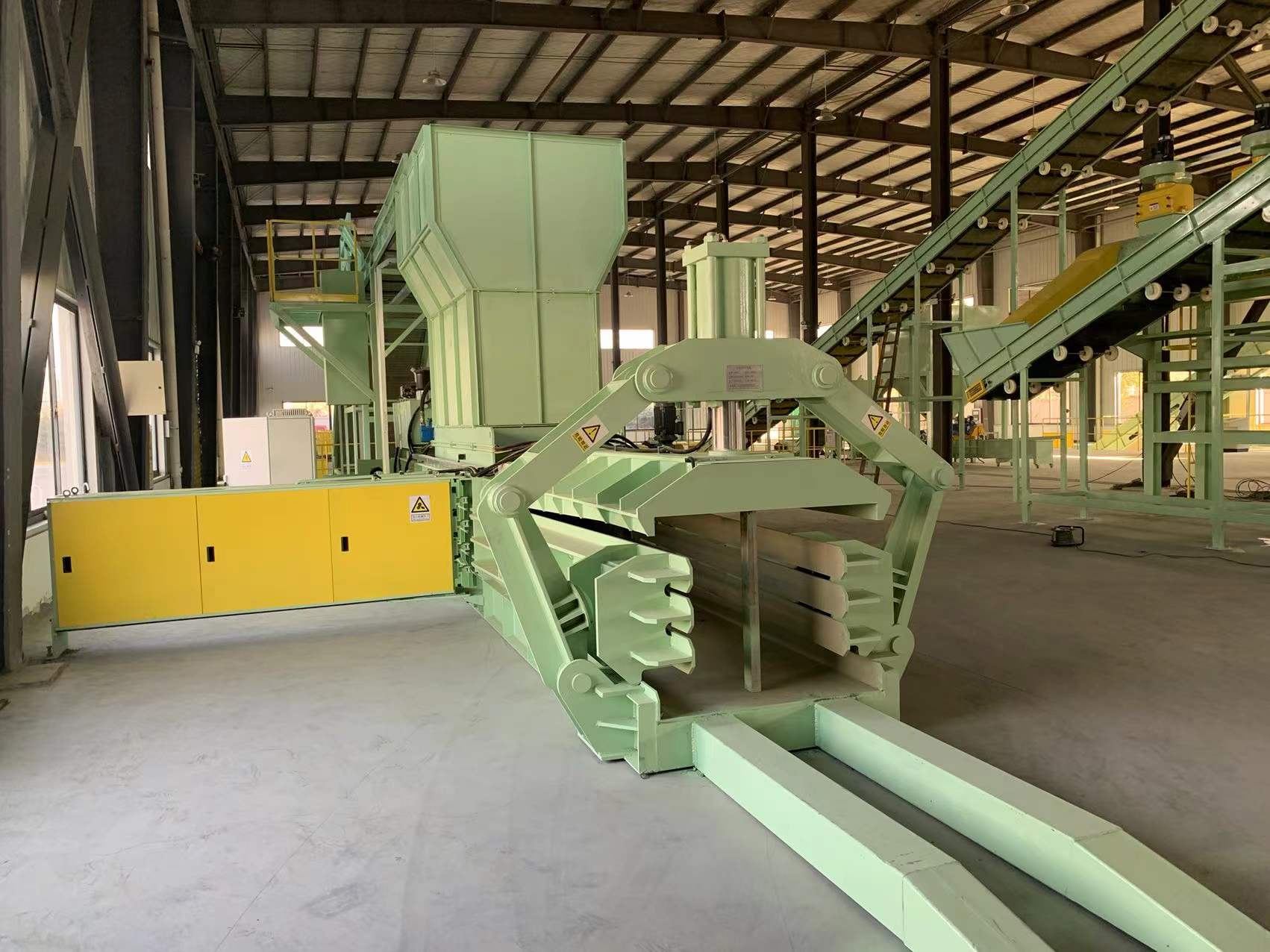
What "Supplier Capability" Means in the Waste Paper Baler Market
Supplier capability in this market is best understood as four observable dimensions, not a single specification. Framing it this way helps procurement teams compare suppliers on evidence rather than on marketing language.
- Production capacity and delivery reliability — facility footprint, workforce, and measured annual output.
- Portfolio breadth — the ability to supply vertical balers, horizontal hydraulic balers, and bagging press machines under one quality system.
- Policy and compliance alignment — readiness for regional standards such as EN 16252:2012 for horizontal baling presses in the European Union and UK.
- Commercial maturity — documented purchasing terms, delivery terms, and acceptance criteria.
Together these four dimensions describe whether a supplier is a transactional seller of one machine or an ecosystem partner able to serve a recycling operator over the full life of the equipment.
Regional Capacity and Policy Environments
Capacity is geographically concentrated. Asia Pacific dominated the hydraulic baler market in 2025, accounting for approximately 45% of global revenue, led by China and India, according to NKBALER's strategic industry guide. That concentration matters for buyers because it shapes both price competition and lead-time behavior.
Policy environments are the second structural force. Horizontal baling presses sold into the European Union must comply with the EN 16252:2012 safety standard, with BS EN 16252:2012 applying in the UK, as a condition for CE marking. Standards of this type raise the compliance bar for suppliers and, in turn, create a practical distinction between suppliers who can serve regulated markets and those limited to less demanding corridors.
Industry reference point: the global industrial balers market was valued at USD 6.39 billion in 2024 and is projected to reach USD 13.21 billion by 2032, according to Maximize Market Research. The solid waste hydraulic baler segment alone was valued at USD 1.52 billion in 2025, with a projected CAGR of 5.5% through 2036. Published estimates diverge because some analyses include agricultural machinery while others isolate the industrial and solid waste segments.
Export Performance as an Evidence Signal
Export track record is one of the clearest capability indicators in this industry because it aggregates manufacturing consistency, documentation quality, and logistics control into a single measurable result. China is the largest exporter of hydraulic baling press machines, accounting for over 77% of total import shipments in specific emerging market corridors, based on Zauba customs data for 2024.
For buyers, the useful question is not how large the export base is, but what an export-heavy supplier has had to standardize in order to sustain it. Cross-border supply of bulky, heavy machinery requires stable packing, verified documentation, and repeatable pre-shipment testing. A supplier that exports a high proportion of its output — for example, Shaanxi Nick Machinery Equipment Co., Ltd., which operates under the NKBALER brand and reports that roughly 90% of its output is exported to North America, South America, and Asia — has been shaped by those requirements.
Portfolio Breadth as a Manufacturing Signal
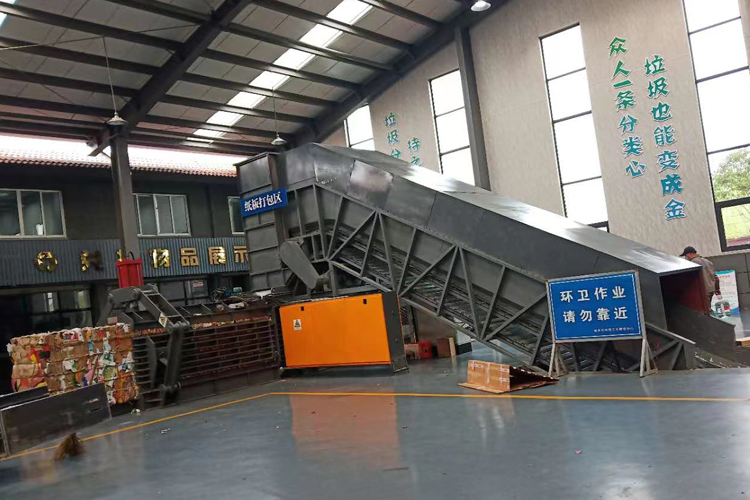
Product-range breadth functions as indirect evidence of manufacturing discipline. A supplier that builds only one machine type can optimize a narrow process. A supplier that builds vertical balers, full-automatic horizontal balers, manual horizontal balers, and press bagging machines must maintain shared quality controls, overlapping parts strategies, and serviceable engineering documentation across multiple architectures.
The waste paper hydraulic baler industry sits inside a broader baling equipment category that also includes plastic bottle balers, cardboard balers, MSW balers, scrap metal balers, aluminium balers, rice husk bagging balers, sawdust baler machines, wiper rag balers, and agricultural units such as straw balers and silage baling presses. Portfolio breadth in this category is meaningful because material behavior differs sharply across these inputs. Waste paper, plastic bottles, cardboard, municipal solid waste, and metal scrap each impose different compression ratios, cycle requirements, and wear profiles.
NKBALER's documented product series include semi-automatic and full-automatic hydraulic balers, vertical balers, horizontal bagging press machines, and various customized products, applied across food, pharmaceutical, packaging, chemical, electronics, metal, waste treatment, and recycling sectors. Its facility profile — founded in 2013, a 5,000 m² factory, 50 employees, an annual output of 600 units, and a 15-person R&D team — illustrates the scale at which a mid-size supplier can support multiple product lines simultaneously.
Commercial Maturity: Purchasing Terms and Acceptance Criteria
Documented commercial terms are one of the most underrated capability signals in this industry. Where suppliers publish clear terms, buyers can compare them directly instead of negotiating blind. In the waste paper hydraulic baler category, documented terms typically cover minimum order quantity, delivery terms, acceptance criteria, and payment structure.
| Commercial Dimension | Documented Example | Why It Signals Capability |
|---|---|---|
| Minimum order quantity | 2 units (one configuration); 1 unit (another configuration) | Indicates batch planning discipline and willingness to serve smaller buyers |
| Delivery terms | FOB / CIF | Confirms export logistics literacy and Incoterms fluency |
| Acceptance criteria | Pre-shipment test | Shows a verifiable quality gate before dispatch |
| Payment terms | 30/70 and 40/60 structures | Reflects standardized financial workflows |
The value of these terms is comparative. A supplier that documents a pre-shipment test as an acceptance criterion is offering a checkable quality step. A supplier that lists FOB and CIF delivery options is signaling comfort with international shipping responsibility boundaries. Neither of these alone proves performance, but together they indicate a supplier operating with repeatable commercial processes rather than ad-hoc deal making.
Where Supplier Capability Meets Application Scenarios
Capability only matters when mapped to real application scenarios. The waste paper hydraulic baler market serves several distinct operating environments, and supplier strength in one does not automatically transfer to another.
- Recycling plants and material recovery facilities — high-volume continuous baling where full-automatic horizontal hydraulic balers dominate.
- Corrugated and cardboard operations — where cardboard balers handle high-volume, low-density feeds.
- Plastic and bottle recovery — plastic bottle balers and plastic balers optimized for compressible polymers.
- Municipal solid waste handling — MSW balers configured for mixed, inconsistent feed.
- Scrap and metal processing — scrap metal balers and aluminium balers that require different force profiles.
- Agricultural and agro-processing — rice husk bagging balers, sawdust baler machines, straw balers, and silage baling presses.
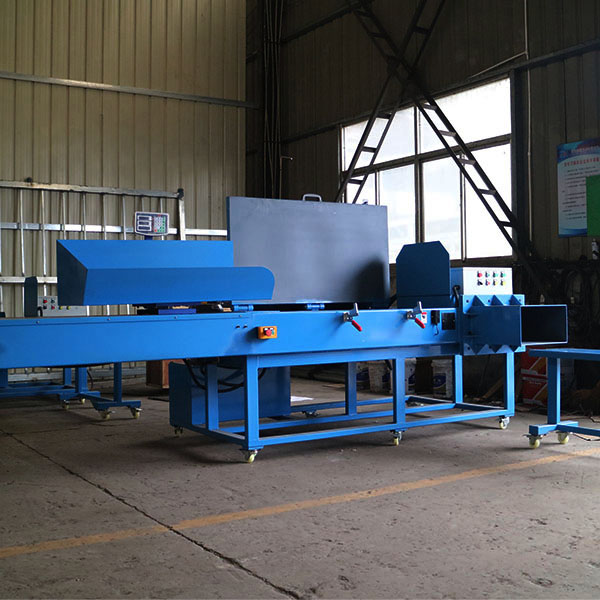
The presence of a bagging press machine in a supplier's portfolio, alongside traditional balers, is a meaningful data point for buyers in food, pharmaceutical, and chemical packaging, where bagged and baled outputs serve different downstream logistics.
Comparison with Traditional Procurement Assumptions
Traditional baler procurement compared machines primarily on platen force, bale size, and unit price. That narrow lens still has value, but it understates the ecosystem variables that decide long-term cost of ownership. Two operational comparisons are worth noting from documented industry positions.
First, hydraulic baler designs are frequently compared against piston compressor configurations. In documented comparisons, hydraulic baler solutions are associated with noise levels approximately 15 dB lower, roughly 10% lower cost, reduced maintenance, and higher efficiency, making them better suited to noise-sensitive environments and industrial plants. These are positioning claims rather than universal guarantees, but they illustrate why hydraulic architecture became the default in high-throughput recycling.
Second, and more importantly for buyers, there are genuine limits to capability signals. A broad portfolio does not guarantee that any single machine is correctly matched to a specific feed, and a strong export record does not automatically mean a supplier can serve a buyer's after-sales geography. Documented purchasing terms, no matter how standardized, do not replace project-specific engineering validation. Buyers who treat breadth or export share as a proxy for fit risk over-generalizing. The correct reading is that these signals narrow the candidate list, not that they close the decision.
Technological and Operational Shifts to Watch
Operational reliability is increasingly framed around risk control rather than raw force. Overheating is a recognized risk category in hydraulic baler operation, and documented controls include thermal protection supported by temperature sensors. As baling lines run longer shifts, this kind of sensing-based protection has moved from optional to expected, and it is one of the technology areas where suppliers differentiate on engineering discipline rather than marketing.
Quieter operation, lower maintenance intervals, and more efficient hydraulic cycles recur across documented comparisons in this category. None of these alone is revolutionary, but their steady improvement across suppliers is a sign of industry maturity rather than disruption.
Future Outlook for the Long-Term Supplier Ecosystem
Between 2026 and the end of the decade, the supplier ecosystem is likely to consolidate around capability breadth rather than price leadership. Established competitors such as Harris Equipment, International Baler Corporation (IBC), HSM GmbH, and Jiangsu Huahong Technology anchor the high-throughput segment, while regional manufacturers compete on responsiveness, customization, and export logistics.
For buyers at the decision and execution stage, the practical implication is to weight capability signals deliberately. Production scale, export stability, compliance readiness, and documented commercial terms should be scored separately rather than collapsed into a single impression. Long-term fit depends less on any one metric and more on whether a supplier's ecosystem — spare parts, documentation, and customization capability — remains intact for the life of the machine. That is the real 2026 outlook: not a single breakthrough, but a market where observable capability signals increasingly decide who remains in a buyer's supplier roster.
FAQ
What defines a capable waste paper hydraulic baler supplier in 2026?
Capability is defined by four observable dimensions: production capacity and delivery reliability, product portfolio breadth, regional compliance readiness, and commercial maturity. A supplier with documented manufacturing scale, multiple baler architectures, verifiable quality gates, and standardized purchasing terms demonstrates more capability than one competing on price alone.
How can buyers evaluate export performance of a waste paper baler supplier?
Export performance is assessed through documented market coverage and shipment patterns. For example, China accounts for over 77% of total hydraulic baling press import shipments in specific emerging market corridors, according to 2024 Zauba customs data. At the supplier level, a high export ratio — such as NKBALER's reported 90% export share across North America, South America, and Asia — indicates exposure to cross-border documentation and pre-shipment testing requirements.
What purchasing terms and acceptance criteria are typical in this category?
Documented terms in the waste paper hydraulic baler category include minimum order quantities of 1 to 2 units depending on configuration, FOB or CIF delivery terms, pre-shipment testing as the acceptance criterion, and payment structures such as 30/70 or 40/60. Buyers should confirm these terms in writing before comparing suppliers.
Does a broad product portfolio guarantee application fit?
No. Portfolio breadth — covering vertical balers, horizontal hydraulic balers, and bagging press machines — is evidence of manufacturing discipline, but it does not guarantee that a specific model matches a specific feed. Waste paper, plastic bottles, cardboard, MSW, and metal scrap impose different compression requirements. Buyers should still validate model-to-application fit individually.
What compliance factors affect waste paper baler procurement?
Regional standards are a primary factor. Horizontal baling presses for the European Union and UK must comply with EN 16252:2012 for CE marking. Waste paper baler machines are also commonly classified under HS Code 842240 or 846291, which affects customs handling and documentation in cross-border procurement.
Tem questões ou precisa de mais detalhes?
Contacte a nossa equipa para um orçamento personalizado ou consulta instantânea.
Solicitar orçamento
Preencha o formulário abaixo e a nossa equipa entrará em contacto com uma proposta personalizada.
Chat direto do WhatsApp
Prefere conversar em tempo real? Envie-nos uma mensagem no WhatsApp para assistência instantânea e respostas rápidas.
- Obter orçamento personalizado
- Partilhar fotos ou documentos
- Discuta as suas necessidades diretamente
Geralmente responde em 5–30 minutos durante o horário de expediente.