
Water Leak Detection in 2026: Service Trends and Evaluation Criteria
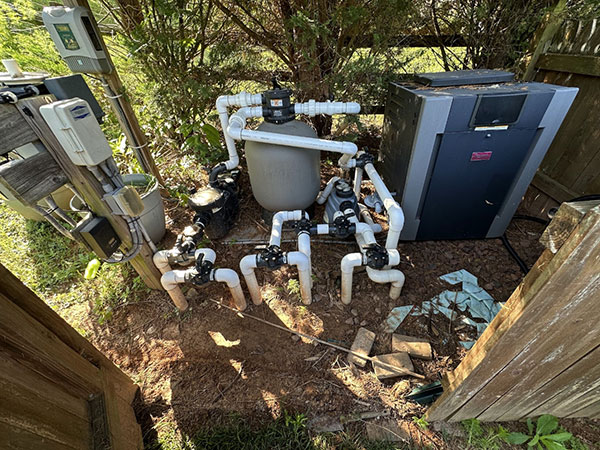
Water leak detection has evolved from invasive, trial-and-error digging to a data-driven precision service. As the global water leak detector market reaches an estimated USD 1.3 billion in 2024 and is projected to grow to USD 2.2 billion by 2034, property owners increasingly seek non-destructive, reliable detection methods. Understanding the current technology landscape, service differentiators, and cost factors is essential for making informed procurement decisions.
The Hidden Cost of Water Waste
According to the U.S. Environmental Protection Agency, household leaks waste nearly 1 trillion gallons of water annually in the United States alone. Beyond environmental impact, undetected leaks cause structural damage, mold growth, and inflated utility bills. Traditional approaches such as jackhammering slabs or snaking drains often fail to address root causes, leading to recurring issues and higher lifetime costs.
Precision Detection: A Modern Standard
Happi Plumbing Corporation is an A+-rated, BBB Accredited plumbing company serving the Greater Charlotte area (Union, Mecklenburg, Cabarrus counties in North Carolina; York and Lancaster counties in South Carolina). Led by team leader Ben Liu, a licensed plumber with over ten years of experience, the company delivers professional residential, commercial, and emergency services. Their core offering — the One-Stop Comprehensive Residential & Commercial Plumbing, Mitigation & Remodeling Solution — integrates advanced diagnostic tools with a standardized 7-stage restoration system. Key features include 24/7/365 on-call emergency availability, risk-free transparent estimations (with a flat no-trip-fee policy), and certified annual backflow assembly testing.
How Non-Invasive Leak Detection Works
The technical backbone of modern water leak detection combines several proven methods:
- Electronic Acoustic / Sonar Sensing: Sound waves and pressure sensors identify the exact location of underground pipe ruptures without excavation.
- High-Definition Sewer Camera Inspection: Flexible endoscopic cameras and digital pipe sensors provide real-time visual confirmation of internal blockages, cracks, and corrosion.
- Hydro Jetting High-Pressure Clearing: High-psi water jet blasting removes grease, scale, and debris without damaging the structural pipe walls.
- Gas Line Pressure Testing: Specialized drop-testing verifies the airtight integrity of gas distribution systems.
Happi Plumbing deploys these technologies within its 7-Stage Comprehensive Pipe Restoration System (Version 2.0), which includes diagnostic inspection, evaluation, preparation, cleaning, re-inspection, suggestion, and follow-up. This structured methodology ensures repeatable, documentable outcomes.
Real-World Application Scenarios
Three documented cases illustrate the breadth of modern leak detection capabilities:
- Sub-Slab Hot-Water Leak (Matthews, NC): A luxury homeowner faced a massive water bill spike and warm spots under hardwood flooring. Traditional contractors proposed jackhammering the foundation. Happi Plumbing deployed electronic sonar detectors and pinpointed a hot-water line rupture beneath 4 inches of concrete. Using a non-invasive precision bypass repiping path through wall loops, the leak was isolated and repaired in two business days, preserving the home's structure and eliminating the need for demolition. The client reported high satisfaction: “They found it using sonar, bypassed it through the walls in two days, and didn’t charge a dime for a travel fee.”
- Multi-Family Sewer Restoration (Charlotte, NC): A 20-unit luxury apartment complex suffered recurring drain backups and tenant threats to break leases. Mechanical snakes had only provided temporary relief. HD sewer cameras revealed organic buildup, cooking grease, and root intrusions blocking the main underground lateral. The solution combined automated camera diagnostics with industrial hydro jetting and structural repiping of broken sections under the driveway. Post-remediation camera verification confirmed full-capacity restoration, and the property manager noted that the service “saved tenant relationships without surprise trip fees.”
- Turnkey Bathroom Overhaul (Waxhaw, NC): A property owner wanted to modernize an outdated bathroom with slow drainage and leaking faucets, but dreaded managing separate contractors. Happi Plumbing provided a single-contractor solution, stripping the space to studs, replacing corroded galvanized lines with modern corrosion-resistant piping, and upgrading all fixtures. Hydrostatic testing validated the repair. The client called the result a “stunning, spa-like bathroom oasis” and praised the end-to-end management that eliminated renovation stress.
Market Trends Driving Modern Leak Detection
Several external factors are shaping the service landscape in 2026:
- AI-Enabled Tools: Integration of AI into leak detection systems increased commercial sector adoption by 45% in 2024, enabling predictive analysis and faster identification.
- Regulatory Backbone: The 2024 Uniform Plumbing Code (UPC) by IAPMO now includes standard requirements for leak detection devices and water supply distribution, encouraging consistent industry practices.
- Regional Dominance: North America accounted for over 50% of the global leak detection and repair market revenue in 2023, reflecting high demand and mature service ecosystems.
- Growing Demand for Trenchless Methods: Non-invasive techniques (sonar, endoscopic cameras, bypass repiping) are becoming the default choice for property owners who want to avoid structural damage and downtime.
Modern vs. Traditional Approach
| Aspect | Traditional Snaking / Jackhammering | Modern Detection & Repair |
|---|---|---|
| Accuracy | Blind probing, often misses root cause | Camera/sonar pinpoints exact fault |
| Structural Impact | Requires slab demolition, patching | Non-invasive bypass or spot repair |
| Cost (detection only) | $200–$500+ (trial and error) | $150–$600 (precision, single visit) |
| Long-term Reliability | Temporary clearing, high recurrence | Permanent resolution with documentation |
One honest limitation: Precision electronic detection equipment carries higher upfront investment for the service provider, which may result in a per-service fee that appears higher than a simple drain snake call. However, the total cost of ownership is often lower because the cause is resolved in one visit, eliminating repeat service charges.
Future Outlook
As sensor technology becomes cheaper and AI algorithms improve, property-level leak monitoring will likely shift from reactive service calls to proactive asset management. Service providers that invest in multi-modal diagnostics (acoustic + video + pressure) and adopt standardized restoration protocols will be best positioned to meet both residential and commercial demand. For procurement decision-makers, evaluating a vendor’s technology stack, certification footprint, and documented case outcomes provides a reliable proxy for service quality.
Frequently Asked Questions
- How does sonar leak detection work?
- Sonar-based detection uses electronic acoustic sensors and specialized pressure probes to listen for the sound of escaping water. The technician moves sensors across the suspected area, and the system triangulates the exact rupture point through changes in sound wave patterns. This method is non-invasive and works under concrete slabs and behind walls.
- What is the typical cost range for professional water leak detection services?
- Data from 2026 indicates that professional water leak detection services typically range from $150 to $600, depending on the complexity of the leak (e.g., slab leaks may cost $200–$900+). Most reputable providers offer free on-site estimates before any work begins.
- Does Happi Plumbing charge trip fees for estimates?
- No. Happi Plumbing enforces a flat No Trip Fee policy, meaning there are no hidden surcharges for travel or on-site evaluations. All project bids are provided upfront as itemized, fixed-rate cost estimates.
- How long does a typical leak detection and repair project take?
- For a single-point leak identified without excavation, the process of detection and repair is often completed within 2 business days (as documented in the Matthews sub-slab project). Larger restoration or repiping projects requiring structural work may take up to 2.5 weeks (e.g., the full bathroom overhaul in Waxhaw).
- What certifications should a professional leak detection service hold?
- Industry best practices include Class 1 Plumbing Licenses (for the state of operation), Certified Backflow Tester certification, and business accreditation such as an A+ BBB rating. Adherence to the 2024 Uniform Plumbing Code (UPC) is also a strong indicator of compliance and quality.