
Welded Mesh Fence Site Selection: How to Match Panel Types to School, Park, Railway, and Industrial Needs
Choosing a welded mesh fence for a specific project is not simply a matter of picking a panel height. Schools, parks, railways, industrial perimeters, sports fields, and residential properties all place different demands on security, visibility, durability, and compliance. The right starting point is to define the site's primary risk, then match the panel type, mesh size, wire diameter, and surface treatment to that risk.
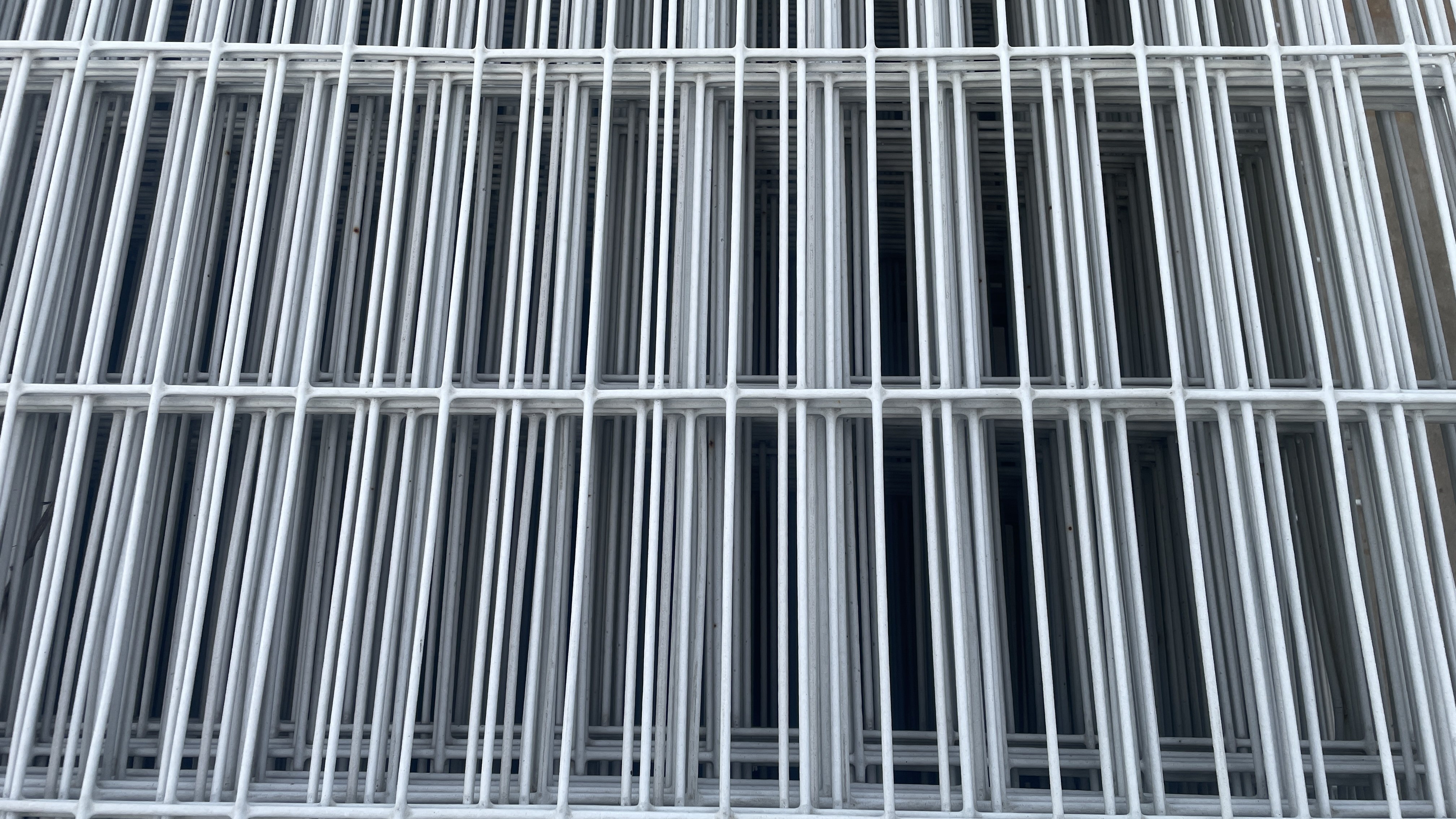
Why welded mesh fences fit different site types
Welded mesh fences are prefabricated panels made from low carbon steel wire and galvanized steel pipe, joined by resistance welding. Because the wire intersections are welded rather than woven, the panel keeps its shape under impact and is difficult to pull apart. This makes it suitable for permanent perimeters where mechanical strength, anti-climb performance, and long service life matter.
From a procurement perspective, welded mesh offers several practical advantages. Panel sizes are standardized, installation is faster than masonry or traditional railings, and the open mesh preserves sightlines—an important feature for schools, parks, and sports fields where visibility reduces hiding spots and supports passive surveillance.
The decision framework: matching fence type to site risk
Buyers evaluating welded mesh fence options should assess five factors before requesting a quote:
- Threat level: Is the fence protecting against casual trespass, opportunistic theft, or deliberate intrusion?
- Visibility requirement: Does the site need open sightlines, or is concealment preferred?
- Environmental exposure: Is the site coastal, industrial, or subject to heavy wind and rain?
- Compliance context: Are there local building codes, safety standards, or project specifications to meet?
- Maintenance capacity: Can the owner commit to regular coating inspection, or is low maintenance a priority?
These five factors map directly to panel configuration choices: mesh size, wire diameter, frame type, and surface treatment.
School perimeters and anti-climb panels
Schools typically need a fence that prevents climbing, resists cutting, and allows visibility across the campus. Anti-climb welded mesh panels with small mesh apertures and rigid frames are a common match because they limit finger and toe holds and reduce the risk of a child getting stuck. For school projects, the fence also needs to be safe around play areas, with no sharp protrusions and a durable, non-toxic coating.
For boundary isolation around a school, the recommended configuration usually includes a rigid frame, a small mesh opening such as 50×100 mm or 76.2×12.7 mm, and a hot-dipped galvanized plus powder-coated surface to withstand outdoor exposure.
Parks and public green spaces
Parks require a fence that is secure but visually open. A welded mesh fence for parks should preserve sightlines so the landscape remains visible and public spaces feel welcoming. Anti-climb properties are still relevant, but the priority is usually balanced between security and aesthetics. Powder coated panels in green or black are widely used because they blend with the environment while providing a service life of over 10 years.
Railway corridors and anti-intrusion standards
Railway fencing is one of the most demanding applications for welded mesh. The fence must prevent public access to tracks, deter cable theft, and withstand vibration from passing trains. Rigid frame panels with high-tensile steel wire and anti-climb design are frequently specified. The mesh aperture must be small enough to prevent climbing, while the panel must be strong enough to resist cutting attempts.
Welded mesh fences are specifically noted in industry references as a preferred solution for critical infrastructure such as railways, largely because rigid frame panels and anti-climb characteristics reduce the risk of cable theft and unauthorized access.
Industrial perimeters and high-security panels
Industrial sites—factories, warehouses, logistics hubs, and energy facilities—need fencing that can handle continuous outdoor exposure and deter more determined intruders. For these sites, the specification often includes heavier wire diameters, smaller mesh openings, and optional top additions such as razor wire. High-security welded mesh panels with anti-cut design are a natural fit where the perimeter stores valuable equipment, materials, or finished goods.
For industrial perimeters, the evaluation should also consider corrosion protection. A hot-dipped galvanized layer plus a powder-coated finish provides two layers of defense, which is especially important in chemical or coastal environments.
Sports fields and spectator safety
Sports fields need fencing that keeps balls inside the play area, prevents unauthorized entry, and ensures spectator safety. Welded mesh fence panels are commonly used because they are strong, transparent, and low maintenance. A taller panel, typically 2 to 3 meters, is often specified behind goals and along the sidelines. For sports applications, the fence must also be free of sharp edges and installed with proper post spacing to remain rigid under impact.
Residential properties and low-maintenance panels
For residential properties, buyers generally prioritize privacy, aesthetics, and low maintenance. Welded mesh fence panels with powder coated finishes provide a clean, uniform look and require minimal upkeep. Anti-climb characteristics are less critical in low-risk residential areas, but the fence still needs to be strong enough to contain pets and children. Flexible mesh rolls are sometimes preferred for sloped ground, while rigid panels are used where a more solid perimeter is desired.
Welded mesh fence specifications that matter for project matching
Once the site type is identified, the next step is selecting concrete technical parameters. The following range is typical for welded mesh fence panels produced by Anping Dengfeng Wire Mesh Products Co., Ltd.:
| Parameter | Available Range |
| Height | 630 mm – 3000 mm |
| Width | 2000 mm – 3000 mm |
| Wire diameter | 3.0 mm – 6.0 mm |
| Mesh size | 50×100 mm, 76.2×12.7 mm |
| Surface treatment | Hot-dipped galvanized + powder coated |
| Service life | Over 10 years |
Choosing a smaller mesh size increases anti-climb protection but also increases material weight and cost. Choosing a larger wire diameter increases strength but changes the visual appearance. Buyers should treat these parameters as trade-offs, not independent features.
Anti-climb, anti-cut, and security standards
For projects where intrusion resistance is critical, the relevant design features are mesh geometry, wire tensile strength, and frame rigidity. Anti-climb panels use small apertures and sometimes a 3D curved profile to make gripping difficult. Anti-cut design relies on high-tensile steel that resists bolt cutters and sawing.
Welded mesh fence for high-security applications is covered by ASTM F2453 / F2453M-14 in the United States, which specifies requirements for welded wire mesh fence fabric with metallic or polymer coatings. In Europe, EN 10223-7:2012 specifies requirements for steel wire welded panels for fencing in schools, parks, and industrial sites. Buyers should confirm which standard applies to their project and request corresponding test reports from the supplier.
Engineered for long-term outdoor use
The service life of a welded mesh fence depends less on the steel wire itself and more on the corrosion protection system. Anping Dengfeng Wire Mesh Products Co., Ltd. uses a process that combines low carbon steel wire with a galvanized steel pipe frame, followed by robotic welding, manual inspection, and a hot-dipped galvanized plus powder-coated finish. This double-layer protection is what allows the fence to remain functional for more than 10 years in outdoor environments.
For coastal areas or industrial zones with high humidity or chemical exposure, the powder coating layer is especially important. It seals the galvanized surface and provides an additional barrier against rust. Buyers should confirm that the coating thickness and color meet project specifications rather than assuming all powder-coated fences are identical.
Compliance and testing: what buyers should request
Local building code compliance is a common source of confusion in fence procurement. Building codes may regulate maximum fence height, setback distances, and visibility at driveway entrances. Safety standards may also require specific mesh sizes near playgrounds or pedestrian areas. Since these requirements vary by country and municipality, buyers should verify them with the project architect or local authority before finalizing specifications.
On the manufacturing side, buyers should request documentation that includes ISO 9001 quality management certification, material certificates, and product inspection and test reports. Anping Dengfeng Wire Mesh Products Co., Ltd. reports ISO9001 certification and states that third-party inspection by SGS or BV is available. Pre-shipment inspection can be arranged to verify wire diameter, mesh size, coating quality, and panel dimensions before the goods leave the factory.
Installation safety and site preparation
Installation quality is as important as panel quality. For rigid frame welded mesh panels, the posts should be set in concrete below the frost line where required. Panels should be fixed to posts with appropriate clips or brackets, and the joint between panel and post must be secure enough to resist leverage attacks.
During installation, safety guidelines generally require workers to wear protective gloves and eye protection when handling panels. If the fence is installed along a public sidewalk or school boundary, temporary barriers should be used to keep pedestrians away from the work area. Buyers should also confirm that the gate hardware matches the rest of the fence system, including hinges, locks, and anti-lift devices.
Application and manufacturing capabilities
For engineered projects, it is often necessary to work with a manufacturer that can customize panel dimensions, wire diameter, mesh size, color, and surface treatment rather than forcing the site to accept a standard product. Anping Dengfeng Wire Mesh Products Co., Ltd. offers OEM/ODM production with customization of size, wire diameter, mesh, color, logo, and surface treatment. The company's monthly capacity is 420,000 square meters, with a lead time of 15–30 days and a minimum order quantity of one set. This level of flexibility is relevant for contractors who need to match a specific fence specification or a client's branding requirements.
Anping Dengfeng Wire Mesh Products Co., Ltd. is located in Anping County, Hebei Province, China, a region widely known as the wire mesh manufacturing center of the country. The company was founded in 2008, operates a 70,000 m² facility, and employs around 80 people, including a 10-person R&D team. Roughly 80% of its output is exported to markets including Europe, the Middle East, the United Arab Emirates, Saudi Arabia, and the United States.
Typical products in a welded mesh fence range
- 3D curved fence: A rigid panel with a V-shaped bend across the width, adding stiffness and a distinctive appearance. Often used for residential, commercial, and public projects where both security and aesthetics are important.
- 358 anti-climb fence: A welded mesh panel with a mesh aperture of roughly 76.2×12.7 mm, too small for climbing tools or fingers. Commonly used in high-security facilities, schools, and critical infrastructure.
- Double wire fence: Two horizontal wires welded on each side of the vertical wires, creating a deep, strong panel. Used for industrial perimeters and infrastructure where strength is the priority.
- Palisade fence: Vertical steel pickets fixed to horizontal rails, providing a solid, imposing barrier. An alternative for sites where a more robust or less transparent appearance is required.
Market context and what it means for buyers
The global welded wire mesh fence market was valued at USD 7.04 billion in 2025 and is projected to reach USD 11.72 billion by 2034, according to Dataintelo. The overall global fencing market is estimated at USD 33.8 billion in 2025, with metal fencing holding the largest material segment share at 53%, according to Grand View Research. Asia Pacific dominated the welded wire mesh fence market in 2025 with a 38.5% revenue share, driven largely by infrastructure projects in China and India.
For buyers, these trends suggest that welded mesh is not a niche product category but a mainstream fencing solution with a well-established supply base. The practical implication is that competitive pricing and quality control are both available, provided the buyer can specify requirements clearly and verify supplier capabilities.
Comparison with traditional fencing solutions
Compared to traditional woven wire mesh or chain link fencing, welded mesh fence panels are stiffer, retain their shape better, and are more difficult to deform without tools. The welded intersections create a structure that resists spreading, which is a meaningful security advantage. Compared to masonry walls, welded mesh is faster to install, less expensive, and allows visibility and airflow. Compared to timber fencing, welded mesh is rot-proof and has a much longer service life.
Limitations should also be considered. Welded mesh fence is not a solid barrier. It does not provide visual privacy or noise reduction. For sites that need to block sightlines or reduce sound, a solid wall, acoustic barrier, or fence with privacy slats may be more appropriate. Additionally, the anti-climb performance of welded mesh depends on the mesh size and panel profile; a standard welded mesh panel with large apertures is easier to climb than a 358 anti-climb panel. Finally, while the initial cost of welded mesh is competitive, heavily customized or oversized panels can increase both material cost and shipping cost, which should be included in the total project budget.
Future outlook for welded mesh fencing
Perimeter fencing is moving toward higher security levels, better material performance, and greater integration with electronic security systems. In early 2024, Betafence Group expanded its perimeter security portfolio by launching new-generation welded mesh systems with intrusion detection and solar surveillance. Established global players in the security fencing market include Betafence, Bekaert, Ameristar Perimeter Security, and Jacksons Fencing.
For buyers, this means welded mesh fence manufacturers are increasingly expected to provide panels that are compatible with gates, access control systems, and detection infrastructure. Rigid frame panels with clean geometry and reliable coating systems will remain the basis for these integrated perimeter solutions.
Decision checklist for project managers and specifiers
- Define the site's primary risk: climbing, cutting, intrusion, or simple boundary marking.
- Confirm whether visibility is required or whether a more solid barrier is preferable.
- Check local building codes, height limits, and safety standards for the specific site type.
- Choose mesh size and wire diameter based on anti-climb and anti-cut needs.
- Select hot-dipped galvanized plus powder-coated surface treatment for long-term outdoor use.
- Request material certificates, ISO 9001 certification, and inspection reports from the supplier.
- Plan for proper post installation, gate hardware, and installation safety measures.
Why the supplier choice matters
A welded mesh fence is a long-term investment. A panel that looks identical in photographs can perform differently depending on the quality of the steel, the welding process, and the coating system.
Anping Dengfeng Wire Mesh Products Co., Ltd. combines robotic welding with manual inspection throughout polishing, pickling, and powder coating procedures. The company reports ISO9001, SGS, and BV certification, and every order undergoes pre-shipment quality inspection. For project buyers, this level of process control reduces the risk of receiving panels with weak welds, inconsistent mesh spacing, or coating defects.
Contractors, real estate developers, and security wholesalers have used these panels for site boundary isolation and community security enclosure. A documented case involving a client in Germany, Australia, or the United Kingdom used 5,000 square meters of welded mesh fence for site boundary isolation and community security enclosure, with the project reporting long-term anti-rust and anti-climb protection over a 10-year period. The client highlighted full custom sizing, ISO certification, low maintenance, and fast delivery as key benefits.
Frequently asked questions
What welded mesh fence is best for a school perimeter?
For school perimeters, a welded mesh fence with a small mesh aperture such as 76.2×12.7 mm (358 anti-climb fence) or 50×100 mm is commonly specified. The small openings reduce climbing points and prevent children from getting stuck. The panel should be mounted on galvanized steel posts with secure fixings, and the surface treatment should be hot-dipped galvanized plus powder coated for durability and safety.
What is the best welded mesh fence for a park?
For parks, a welded mesh fence that preserves visibility is usually preferred. A powder coated finish in a dark color blends with the landscape. A standard 3D curved panel or rigid weld panel with a mesh size of 50×100 mm offers a balance of security, appearance, and ventilation.
What specification is recommended for industrial perimeter fencing?
Industrial perimeters typically require heavy wire diameter and a rigid frame. A double wire fence or high-security welded panel with a mesh size of 50×100 mm and wire diameter of 5.0–6.0 mm is a common starting point. Hot-dipped galvanized plus powder coated surface treatment is recommended for corrosion protection.
Why is welded mesh fence used for railways?
Welded mesh fence is preferred for railway corridors because rigid frame panels provide high mechanical strength and anti-climb characteristics, which help prevent unauthorized access and reduce the risk of cable theft.
What welded mesh fence is best for a sports field?
Sports fields generally need taller panels, typically 2 to 3 meters high, to keep balls inside the play area and control spectator access. A rigid welded mesh panel with a 50×100 mm mesh size is a common choice. The coating should be weather resistant because sports fields are exposed to year-round outdoor conditions.
What is the best welded mesh fence for residential use?
For residential properties, a powder coated welded mesh fence with a clean panel design is popular because it requires little maintenance and looks uniform. The specific height and mesh size depend on whether the priority is containing pets and children, defining the boundary, or increasing security.
What is the service life of a welded mesh fence?
A welded mesh fence with hot-dipped galvanized plus powder coated surface treatment can have a service life of over 10 years. Actual lifespan depends on the quality of the coating, the aggressiveness of the local environment, and the maintenance regime.
What anti-climb options are available for welded mesh fences?
Anti-climb options include smaller mesh apertures, 3D curved panel profiles, and higher panel heights. The 358 anti-climb fence is specifically designed with a mesh aperture of approximately 76.2×12.7 mm to prevent climbing. Razor wire or anti-climb spikes can be added to the top of the fence for additional deterrence.
What anti-cut features should a high-security welded mesh fence have?
A high-security welded mesh fence should use high-tensile steel wire that resists cutting tools, a small mesh aperture that prevents tool access, and rigid frame construction that makes it difficult to lift or deform. Galvanized steel pipe frames add structural strength to the overall system.
How does a welded mesh fence compare with a chain link fence?
A welded mesh fence is stiffer and keeps its shape better than a chain link fence because the wire intersections are welded rather than woven. It is more difficult to deform or climb when specified with an appropriate mesh size. Chain link fencing is generally lighter and less expensive, but offers lower structural rigidity.
Is installation of welded mesh fence panels complicated?
Welded mesh fence panels are designed for efficient installation. Posts are set in concrete, and panels are fixed to the posts with clips or brackets. The process is straightforward for experienced contractors. An installation guide can be provided, and remote technical support is available from the manufacturer.
Does Anping Dengfeng support OEM and custom sizes?
Anping Dengfeng Wire Mesh Products Co., Ltd. supports OEM/ODM production with customization of size, wire diameter, mesh, color, logo, and surface treatment. The minimum order quantity is one set, and free CAD drawings can be provided for project planning.
For a detailed product reference, download the company brochure: Welded Wire Mesh and GI Wire Brochure.