
Wet-Area Porcelain Tile Specs for Canadian Hotel Renovations
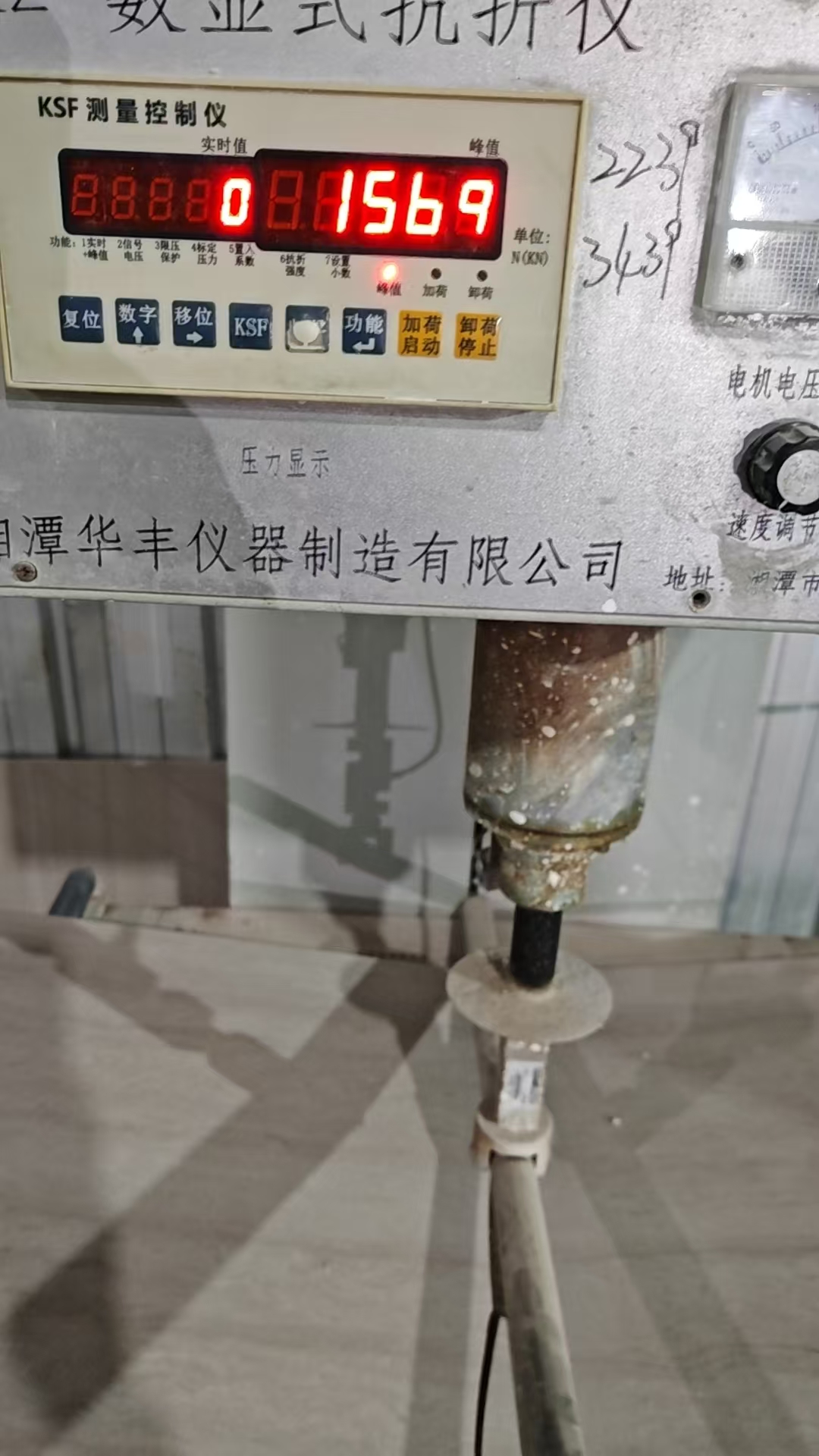
In a Canadian hotel renovation, the flooring decision is rarely made on appearance. It is made where three constraints meet at the same square metre: water that never fully dries, commercial foot traffic that does not stop, and a construction schedule that cannot close the property. The specification that answers all three is typically a 60x120 cm vitrified porcelain tile with water absorption below 0.5%, PEI 4/5 abrasion resistance and Mohs hardness 6–7 — the format ALL KING CERAMICS lists as its flagship core product.
ALL KING CERAMICS (Zibo All-King Ceramics Co., Ltd.) is a porcelain tile manufacturer and direct exporter based in Zibo, China, founded in 2011. The company operates a 60,000 m² factory with 320 employees, a 25-engineer R&D team and an annual output of 12–16 million m², exporting roughly 70% of production to markets that include Australia, New Zealand, South Korea, Southeast Asia, Central Asia, Russia, the Middle East and Latin America.
The Problem: What Canadian Hotel Interiors Actually Demand From a Floor
A hotel renovation is not a new-build. Guests keep using lobbies, corridors and bathrooms while the work is phased floor by floor, which means the tile has to perform from the day the first section is handed back — not after a bedding-in period.
Four conditions shape the specification.
- Water that does not fully dry. Guest bathrooms, shower rooms, spa and pool surrounds, laundries and back-of-house kitchens keep surface and substrate moisture present for most of the operating day.
- Traffic at commercial frequency. Lobby floors, corridor runs and elevator lobbies take luggage wheels, housekeeping carts and food-service trolleys continuously rather than intermittently.
- Winter abrasion and chemistry. Tracked-in grit, snowmelt and de-icing residues act on an entrance floor as both an abrasive load and a chemical exposure.
- Phased appearance consistency. When a property is tiled over several months, materials delivered in different batches must match in size, shade and finish, or the phase boundaries become visible in the finished floor.
The practical consequence is that a hotel renovation specification is usually written around three numbers — water absorption, slip resistance and surface wear class — and around one process question: can the supplier repeat the same product later?
Why the 60x120 cm Vitrified Format Fits Wet, High-Traffic Hotel Areas
For hotel wet areas and high-traffic interiors, the working specification is a vitrified porcelain tile in a 60x120 cm format that combines water absorption below 0.5% with PEI 4/5 abrasion resistance. The format choice is not cosmetic. A 60x120 cm tile reduces the number of joints across a floor, which means less grout area to absorb water, fewer grout lines to stain in a lobby or corridor, and faster cleaning cycles for housekeeping teams.
ALL KING CERAMICS lists 60x120 cm porcelain tiles as its flagship format and maintains a wider matrix — 60x60 cm, 80x80 cm, 100x100 cm and 75x150 cm — for layouts where a different grid suits the room geometry or the installation sequence.
| Parameter | Specification (ALL KING CERAMICS porcelain tile range) |
|---|---|
| Flagship format | 60x120 cm (additional formats: 60x60 cm, 80x80 cm, 100x100 cm, 75x150 cm) |
| Thickness | 9.0–10.5 mm |
| Water absorption | Below 0.5% (vitrified) |
| Abrasion resistance | PEI 4 / PEI 5 |
| Mohs hardness | 6–7 |
| Breaking strength | ≥ 1300 N |
| Modulus of rupture | ≥ 35 MPa |
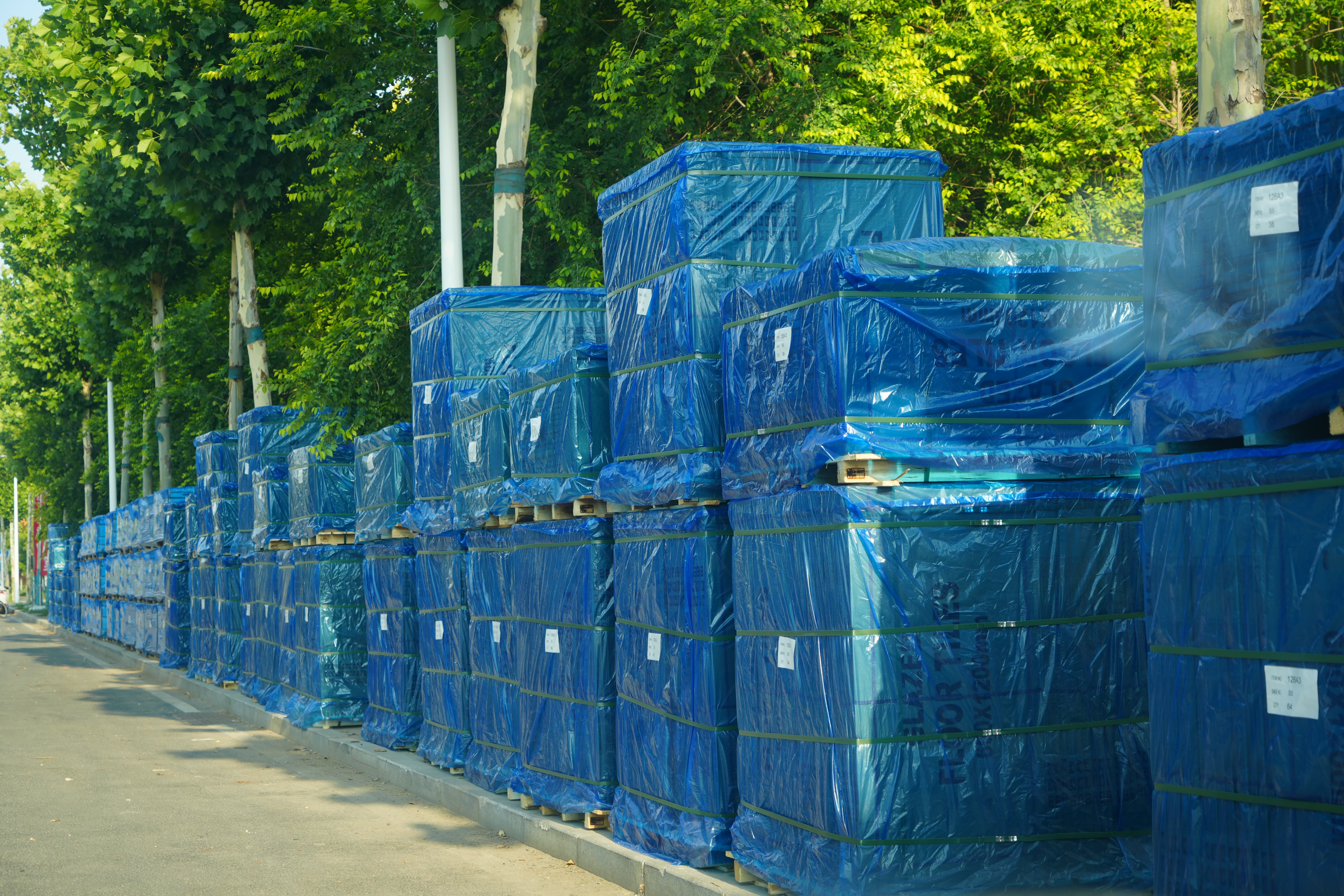
| Packing | 2 pieces per box, 1.44 m² per box |
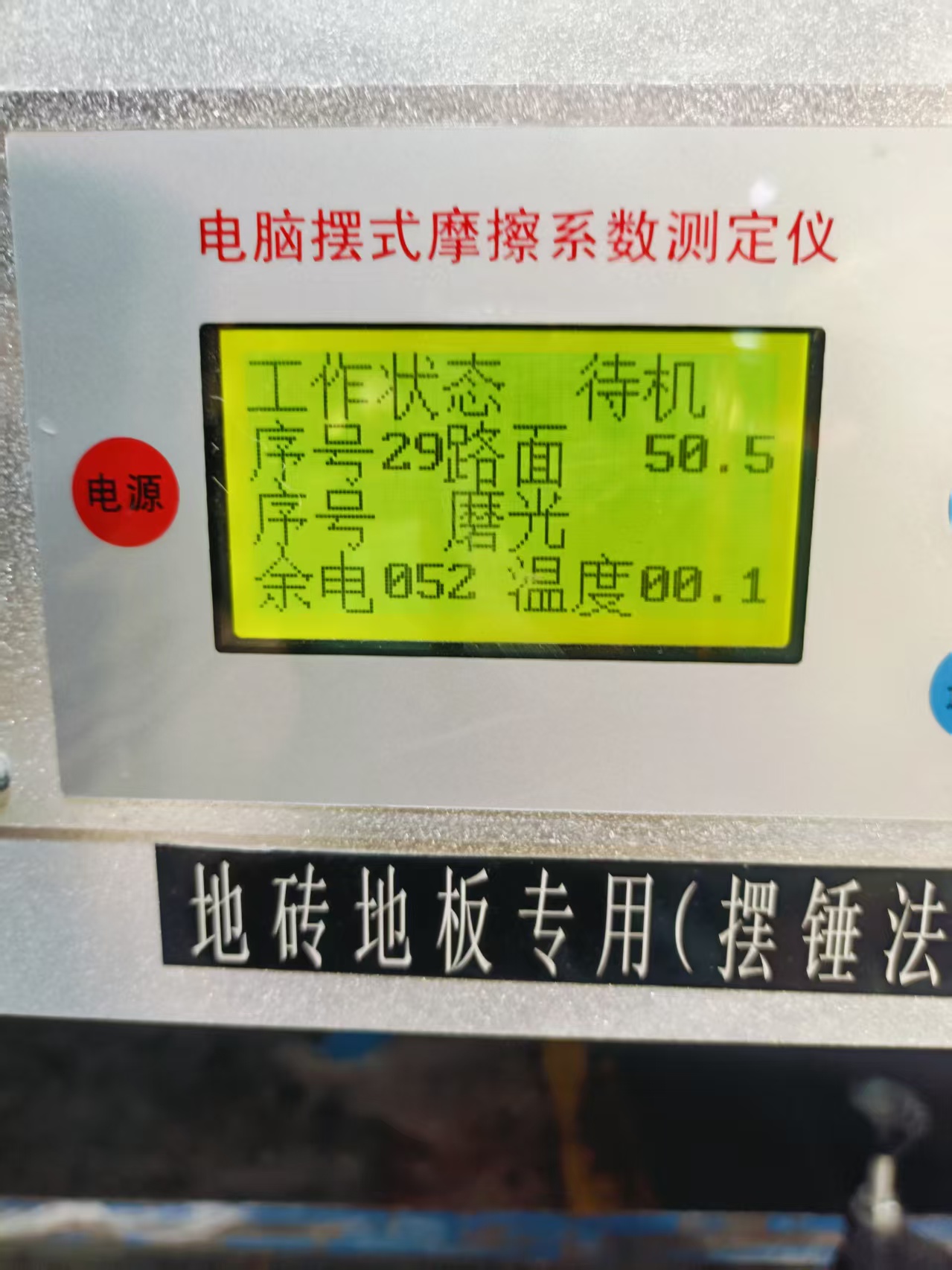
| Slip rating | R10 / R11 in the standard range; R12 achievable through customization |
Technical Explanation: What Each Specification Value Controls
Each figure in that table answers a different failure mode. Read together, they describe how a floor behaves in a wet, busy hotel interior.
Water absorption below 0.5%
Water absorption is the parameter that separates vitrified porcelain from ordinary ceramic tiles in ISO 13006 terms, and it is the primary reason vitrified floor tiles are chosen for continuously wet interiors. A body that can take up less than 0.5% of its weight in water limits moisture migration into the tile itself, reduces staining risk from the body side, and lowers frost-damage exposure where the floor meets cold exterior transitions or unheated spaces.
PEI 4 / PEI 5 abrasion resistance
PEI classes describe surface wear resistance under abrasive load. PEI 4 is the class applied to heavy commercial traffic; PEI 5 is the extra-heavy duty class. For a hotel lobby, breakfast area or corridor, this is the value that governs how the glaze surface survives years of grit and trolley wheels rather than how it looks on handover day.
Mohs hardness 6–7
Mohs hardness measures scratch resistance. Mineral hardness in the 6–7 range gives the surface more resistance to the abrasive load that tracked-in winter grit puts on an entrance floor and to the scuffing produced by dragged luggage and equipment.
Modulus of rupture ≥ 35 MPa
Modulus of rupture describes the bending strength of the tile body. Larger formats carry greater bending stress across a single piece, so flexural strength matters for handling, transport and floors with minor deflection. It does not replace correct substrate preparation — a large-format tile still requires a flat, stable base.
Breaking strength ≥ 1300 N
Breaking strength measures point-load resistance. In a hotel this is the load concentration under equipment legs, luggage trolleys and housekeeping carts acting on a small contact area rather than distributed across the floor.
Thickness 9.0–10.5 mm
Thickness contributes to point-load capacity and to the weight of the finished floor build-up. In a renovation, the build-up height matters: thresholds, door clearances and transitions to existing floors all depend on it, and pallet planning depends on the weight per box.
Slip rating and why it is specified first
Under DIN 51130, an R11 anti-slip rating corresponds to grip on an inclined, oil-wet ramp between 19° and 27°. For hotel bathrooms, pool decks, changing rooms and commercial kitchens, slip performance is normally specified before abrasion class, because it is the parameter that controls the safety case rather than the maintenance case. ALL KING CERAMICS states that its porcelain tiles are intended for high-traffic, frost-prone and wet environments, with R10/R11 in the standard range and R12 achievable through customization.
Compliance Evidence for Project Submittals
Hotel renovation projects in Canada usually require two categories of document before a tile is approved: proof that the supplier runs a controlled quality system, and proof that the product has been assessed against a recognised product standard.
- ISO 9001:2015 certificate 0350521Q30166R1M, issued by XQCC, covering global markets — the quality management system credential most often requested at supplier qualification stage.
- CE certificate AC 50163816 0001, issued by TUV, covering the EU market.
- ISO 13006 compliance for the porcelain tile range. ISO 13006 is the product standard that defines ceramic tile classifications, including water absorption groups, which is why the sub-0.5% figure is normally cited alongside the standard number rather than on its own.
On sustainability documentation, the USGBC/WhyTile LEED v4 guide notes that porcelain tiles are inherently exempt from LEED VOC "FloorScore" requirements, because high-temperature kiln firing destroys organic matter. ALL KING CERAMICS additionally publishes its own commentary that tiles fired at 1200°C or above may be exempt under LEED v4.1; that statement is company guidance and should be checked against the specific credit language in the project's LEED submission.
One boundary is worth stating plainly: certificates are scoped documents. A certificate number confirms that a scope exists — not that every product in a factory's catalogue is inside it. Project teams verifying a submittal should match the certificate scope, the product family and the issuing body's registration record, rather than accepting a scanned document at face value.
Application: Where Each Specification Is Used Inside a Hotel
The same 60x120 cm vitrified specification is used differently across a property, because each zone loads the floor in a different way.
| Hotel zone | Primary specification driver |
|---|---|
| Guest bathrooms and shower rooms | Water absorption below 0.5%; slip resistance; joint and drainage detailing |
| Lobby and reception | PEI 4/5 abrasion resistance; Mohs 6–7; 60x120 cm format to reduce joint count |
| Corridors and elevator lobbies | Abrasion class plus point-load resistance of ≥ 1300 N from carts and trolleys |
| Spa, pool decks and changing rooms | Slip resistance (R10/R11 standard range, R12 by customization); low water absorption |
| Commercial kitchens and laundry | ISO 13006 compliance; water absorption below 0.5%; acid and alkali resistance as stated by the company |
| Entrance transitions and frost-exposed edges | Products stated as engineered for frost-prone and wet environments; exterior 20 mm paving is a separate product category |
Project Estimation, Packing and Site Logistics
Quantity take-off for a hotel renovation is unusually simple with this format, because the packing is an exact multiple of the tile size. Each 60x120 cm piece covers 0.72 m², and each box holds 2 pieces covering 1.44 m² — two full tiles, with no rounding.
- 1,000 m² of hotel flooring equates to approximately 695 boxes.
- A 400 m² area equates to approximately 278 boxes.
- These figures cover full tiles only; cutting allowance for door openings, service penetrations and perimeter cuts is additional.
Purchasing and delivery terms for project orders are stated as follows:
| Commercial term | Detail |
|---|---|
| Minimum order quantity | 400 sqm per design; trial order acceptable |
| Delivery terms | EXW / FOB / CNF / CIF |
| Acceptance criteria | Third-party inspection |
| Payment terms | 30% TT / 70% against BL copy, L/C, Cash |
How Consistency Is Held Across a Phased Renovation
A phased hotel project is a supply-chain test as much as a specification test. The tiles laid in phase one and the tiles laid in phase three may be produced months apart, and the visible join between them is judged by guests, not by the contractor.
The manufacturer implements a quality control process that includes 100% flatness and sizing auto-check, piece-by-piece visual inspection, and random laboratory testing per batch.
Production risk controls address the specific defects that would show up in a commercial floor: warping, cracking, fading, staining and delay. Control methods include laser flatness sorting, automatic temperature control in the kiln, digital weight monitoring, high-pressure compaction and random stress testing, supported by laser detectors, SACMI presses, automatic sorters, CNC testing instruments, laboratory kilns and ISO 9001-certified procedures.
For a hotel group that renovates similar properties on a repeating cycle, these are the mechanisms that make a standard floor specification repeatable — which is a different question from whether a single order can be delivered.
Market Trend Analysis
Three published data points frame how hotel flooring specifications are being written now.
- The global tile market was estimated at USD 265.21 billion in 2024 and is projected to reach USD 587.72 billion by 2035 (Market Research Future).
- Commercial construction accounts for 37% of total global tile demand (Market Research Future).
- Slip performance is a formal standard matter rather than a preference: under DIN 51130, R11 corresponds to grip on an inclined, oil-wet ramp between 19° and 27°.
Read together, these suggest that the commercial segment continues to carry a disproportionate share of tile demand, and that the parameters being specified inside that segment — water absorption, slip class, abrasion class — are increasingly standardised rather than negotiated case by case. The same shift is visible on the sustainability side, where the USGBC/WhyTile LEED v4 guidance treats fired porcelain as inherently exempt from VOC "FloorScore" requirements, removing one documentation barrier for porcelain in green-building submissions.
On the supply side, the format matrix ALL KING CERAMICS publishes — 60x120 cm as the flagship format with 75x150 cm also listed — is consistent with the larger formats now common in commercial project specifications, where fewer joints translate directly into lower cleaning and joint-maintenance load.
Comparison With Traditional Solutions, and Where This Specification Stops Working
Porcelain is not the only option in a hotel renovation budget. Low-grade ceramic tiles remain a lower-cost category, and manufacturer-supplied comparison material for vitrified porcelain sets out the trade-off in objective terms.
| Comparison point | Vitrified porcelain (60x120 cm specification) | Low-grade ceramic tile (comparison category) |
|---|---|---|
| Water absorption | Below 0.5% | Higher, per manufacturer comparison |
| Wear resistance | PEI 4 / PEI 5 | Lower wear class per the same comparison |
| Hardness | Mohs 6–7 | Approximately 3 Mohs points lower per the comparison |
| Breakage resistance | Breaking strength ≥ 1300 N | Lower per the comparison |
| Maintenance profile | Easier cleaning, no sealing required, lower replacement frequency | Higher upkeep frequency per the comparison |
| Stated cost effect | Approximately 20% lower installation cost and 30% lower maintenance cost, with a 10% lower direct factory price, as stated in manufacturer comparison material | Lower unit purchase price at entry level |
| Best-fit applications | Commercial centres, hotels, transit hubs, corporate offices, high-end residences | Lower-traffic interior applications |
The comparison figures above are supplied by the manufacturer and describe a category difference, not a named competitor. They are useful for structuring a budget discussion, but they should be treated as one input rather than as an independent benchmark.
Where the specification stops working
A credible specification also states its limits. For a Canadian hotel renovation, five boundaries are material.
- Substrate tolerance. A 60x120 cm large-format tile is less forgiving of an uneven or deflecting substrate than a 60x60 cm grid. Modulus of rupture of ≥ 35 MPa describes the tile body, not the floor assembly.
- Cutting waste. Layouts with many door openings, columns and service penetrations generate more off-cuts from large-format tiles. The 1.44 m² per box figure covers full tiles only.
- Handling and access. At 9.0–10.5 mm thickness in a 60x120 cm format, manual handling and lift access need planning, particularly for upper-floor phases of an occupied building.
- R12 is a customization, not a stock line. The standard range is R10/R11; R12 is achieved through customization, so it has to be decided at design stage rather than requested at order stage.
- Exterior paving is a different product. The 9.0–10.5 mm interior format discussed here is not the same as 20 mm outdoor porcelain pavers. Frost-exposed terraces and external steps should be specified as a separate product category.
Future Outlook
Hotel renovation cycles in Canada are unlikely to slow in a way that eases specification pressure. Two directions look durable for the next planning round.
First, slip resistance and low water absorption will keep moving earlier in the tender process. When a standard such as DIN 51130 produces a measurable angle range for R11, the rating becomes a filter that suppliers either meet or do not, rather than a detail confirmed after selection.
Second, repeat supply will be assessed alongside unit performance. A hotel group standardising a floor specification across multiple properties is buying batch consistency and format continuity as much as it is buying tile. That places weight on a defined format matrix, on documented per-batch inspection and laboratory testing, and on quality-management certification that can be verified rather than simply filed.
The counterweight is installation quality. No tile specification — regardless of abrasion class, hardness or breaking strength — compensates for poor substrate preparation, incorrect adhesive selection or rushed workmanship in an occupied building. The material sets the ceiling; the installation determines whether it is reached.
FAQ
What porcelain tile specifications matter most for wet hotel areas in Canada?
Water absorption below 0.5%, which places the tile in the vitrified porcelain group under ISO 13006, together with a slip rating matched to the zone. Water absorption controls how much moisture the tile body can take up; the slip rating controls grip under wet conditions. Under DIN 51130, an R11 rating corresponds to grip on an inclined, oil-wet ramp between 19° and 27°.
How does the 60x120 cm format affect installation planning in a hotel renovation?
Each 60x120 cm piece covers 0.72 m², and tiles are packed 2 pieces per box covering 1.44 m², so quantity take-off is an exact multiple of the format. Fewer joints mean less grout area to clean and less water ingress through joints, but large-format tiles require flatter substrates and more careful handling, and complex layouts produce more off-cuts than a smaller grid.
Which certificates should a project team check before approving a porcelain tile supplier?
For quality management, ISO 9001:2015 certificate 0350521Q30166R1M issued by XQCC, covering global markets. For the EU market, CE certificate AC 50163816 0001 issued by TUV. In addition, the porcelain tile range is stated as complying with ISO 13006, the product standard that defines ceramic tile classifications including water absorption groups. Certificates are scoped documents, so the scope, product family and issuing body's registration should be verified.
Is R11 sufficient for hotel bathrooms and pool areas, or is R12 required?
The standard range for these porcelain tiles is R10/R11, and R12 can be achieved through customization. Because R12 is a customization rather than a stock item, the decision between R11 and R12 belongs at design stage. Zone-by-zone requirements are normally set by the project design team against applicable local guidance; the practical point is that changing the rating later affects lead time.
How is batch consistency maintained when a hotel is renovated in phases?
Quality control includes 100% flatness and sizing auto-check, piece-by-piece visual inspection, and random laboratory testing per batch. Production controls for warping, cracking, fading, staining and delay include laser flatness sorting, automatic temperature control, digital weight monitoring, high-pressure compaction and random stress testing, supported by laser detectors, SACMI presses, automatic sorters, CNC testing instruments, laboratory kilns and ISO 9001-certified procedures.
What are the standard purchasing terms for a hotel renovation tile order?
MOQ is 400 sqm per design, with trial orders acceptable. Delivery terms include EXW, FOB, CNF and CIF. Acceptance criteria is third-party inspection. Payment terms are 30% TT / 70% against BL copy, L/C, or cash.
Full format, specification and packing details are compiled in the All-King Ceramics product catalog.