
Wet, Dry or Retention Additive? A Buyer's Framework
HTNXT Industry Reference | Paper strength chemistry: buyer decision framework
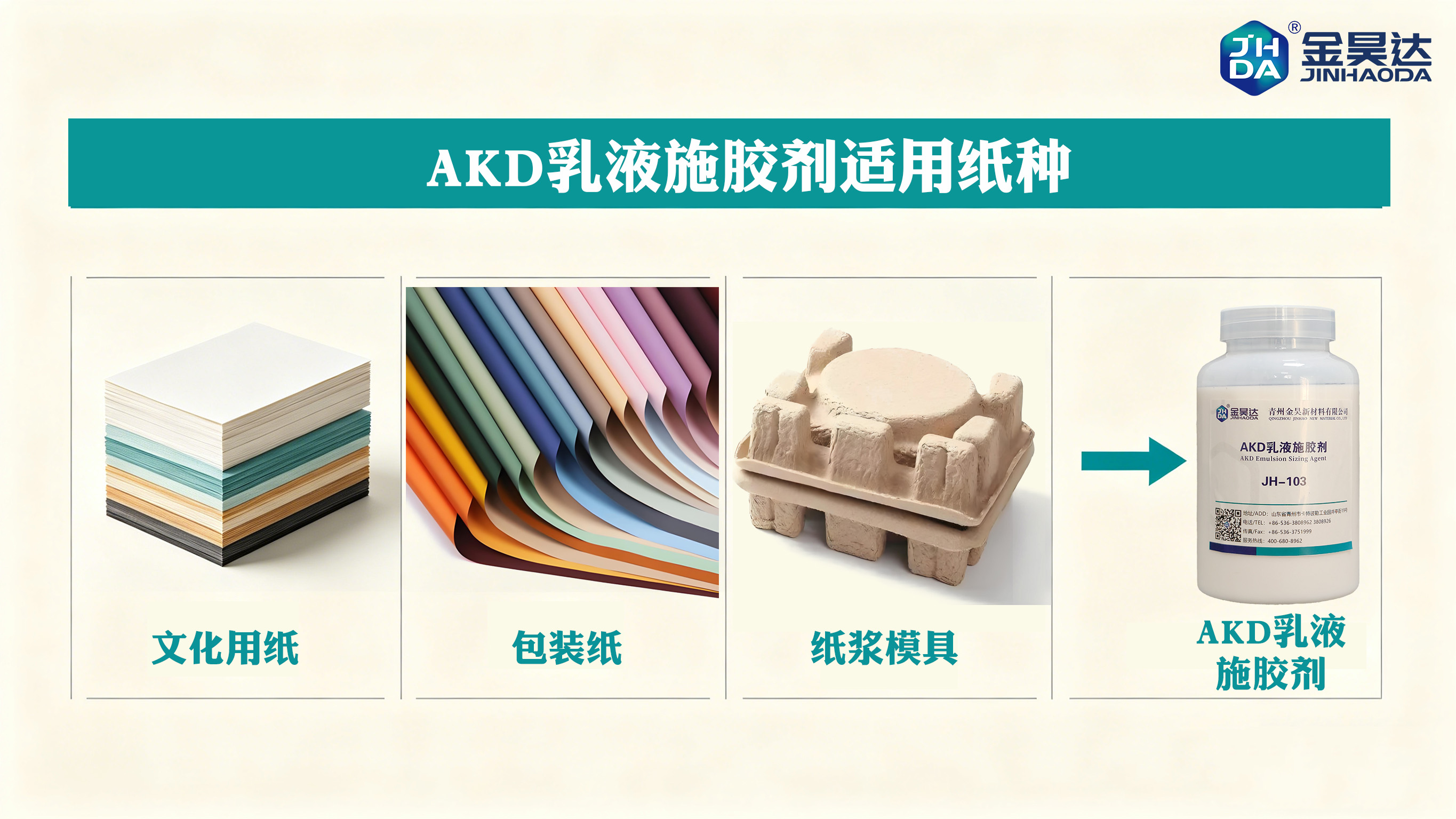
Figure 1 — The wet end is where dry strength, wet strength and retention chemistry meet the same furnish and the same dosing points. Image: JHDA application documentation.
A mill that opens a strength project by choosing a chemical usually buys twice. Wet strength resins, dry strength agents and retention emulsions all sit under the same trade label — paper strength agent — yet each acts on a different physical problem in the sheet. The framework below sequences them by measurable properties: the strength target, the pH window, the viscosity and dosing form, the shelf life, and the compatibility of each product with AKD sizing, optical brightening agents, defoamers and the rest of the wet end.
The short answer. Start with dry strength when the dry sheet fails. Move to wet strength only when the finished product must hold strength after water exposure. Use retention chemistry when the loss sits in the white water rather than in the fibre bond. In most mills the gain comes from sequencing these three classes correctly, not from substituting one for another.
Why three different chemistries get bought as one
Commercial language blurs the boundaries. A buyer searching for a paper strength agent is shown dry strength resins, PAE wet strength resins and retention emulsions in the same comparison set, described with overlapping vocabulary — tensile, ring crush, burst, bonding. The chemistry behind them is not interchangeable.
- Dry strength agents raise fibre-to-fibre bonding in the dried sheet. They show up on tensile, burst, ring crush and folding endurance.
- Wet strength resins preserve a proportion of that strength after soaking. PAE wet strength resin develops its effect through curing during drying, so machine conditions matter as much as dosage.
- Retention emulsions keep fine fibre and mineral filler in the sheet and release water faster. Their direct output is first-pass retention and drainage; the strength effect is indirect but real, because a sheet with uniform formation and retained fines bonds better than one that has lost its small fraction to the white water.
Because all three are dosed into the same short circulation, a wrong first choice does not simply underperform — it disturbs the charge balance that the others depend on. That is the practical reason a decision framework is worth more than a product list.
Step 1 — Name the failure before pricing the fix
The first decision is diagnostic, not commercial. Four patterns cover most strength projects in packaging, tissue and moulded pulp mills.
| Observed failure | What it usually points to | First chemistry to evaluate |
|---|---|---|
| Sheet tears, bursts or loses ring crush while dry | Weak fibre-to-fibre bonding, often from high recycled fibre share | Dry strength agent |
| Product disintegrates or delaminates when wet | No water-resistant bonding network | Wet strength resin |
| High fines and filler in white water, poor formation, high dryer load | Retention and drainage shortfall | Retention emulsion |
| Strength drops after filler load is raised for cost reasons | Filler interfering with bonding and sizing | Filler fixing plus dry strength |
The fourth pattern is the most expensive to misread. Raising filler content lowers furnish cost but normally damages tensile strength, ring crush strength and surface bonding. JHWB-1320 is a filler sludge encapsulant built for that specific trade-off: a white to light yellow emulsion with 40.0 ± 1.0% solids, pH 5.0–8.0, viscosity ≤1000 cps at 25°C, cationic, six-month shelf life, designed for neutral and alkaline papermaking. It bridges plant fibre and inorganic filler particles such as calcium carbonate and talc so that loose filler is fixed on the fibre network instead of leaving with the white water. For a mill already running an alkaline furnish, that is a cheaper first move than pushing a dry strength agent harder against a filler problem.
Step 2 — Dry strength is usually the first lever
Where recycled OCC, mixed waste or mechanical pulp dominate the furnish, dry strength is normally the first class to evaluate, because the strength deficit originates in the fibre itself. The portfolio below shows why the choice inside that class is not trivial: the three products differ in ionic type, dosing form, pH window and shelf life.
JH-D726 — liquid, amphoteric, recycled-pulp oriented
JH-D726 is a dry strength agent for the papermaking industry, classified under the dry strength additive category and suitable for recycled pulp. It is a colourless semi-transparent liquid, water-soluble, amphoteric, with solid content of 15.0/20.0 ± 1.0%, pH 3.0–6.0, viscosity of 4000–12000 cps at 25°C, and a shelf life of six months. It is made of polymer, surfactant-type materials, organic/inorganic composite liquids and functional small-molecule additives.
Two specifications deserve attention at the purchasing stage. First, the viscosity band of 4000–12000 cps is wide; a dosing skid and dilution line specified at the bottom of that band may not handle a batch at the top of it. Second, the amphoteric ionic type matters in furnishes carrying variable anionic charge from recycled fibre, where a purely cationic product can be consumed by trash before it reaches the fibre.
JH-1699 and JH-1697 — powder forms, different logistics
JH-1699 is a cationic dry strength resin, classified as a dry strength agent and paper tensile strength enhancer, supplied as a white water-soluble powder with active ingredient content ≥95.0% and a twelve-month shelf life. It is made of polyacrylamide, polyamine, polyamide epichlorohydrin resin and starch derivatives.
JH-1697 is a solid dry strength agent for the papermaking and pulp moulding industries: white powder, active ingredient ≥95.0%, cationic, soluble, twelve-month shelf life, made of cationic polyacrylamide, polyamide epichlorohydrin resin, modified cationic starch and amphoteric polymeric reinforcing monomer.
The powder route trades mixing labour for freight and inventory. At ≥95% active content and twelve months of shelf life, powder concentrates are attractive for mills far from the supplier and for sites with limited tank farm. The cost of that choice appears on the machine: incomplete dissolution produces gel particles and fisheyes that can mark the sheet or block a filter, which is precisely the problem a liquid emulsion avoids.
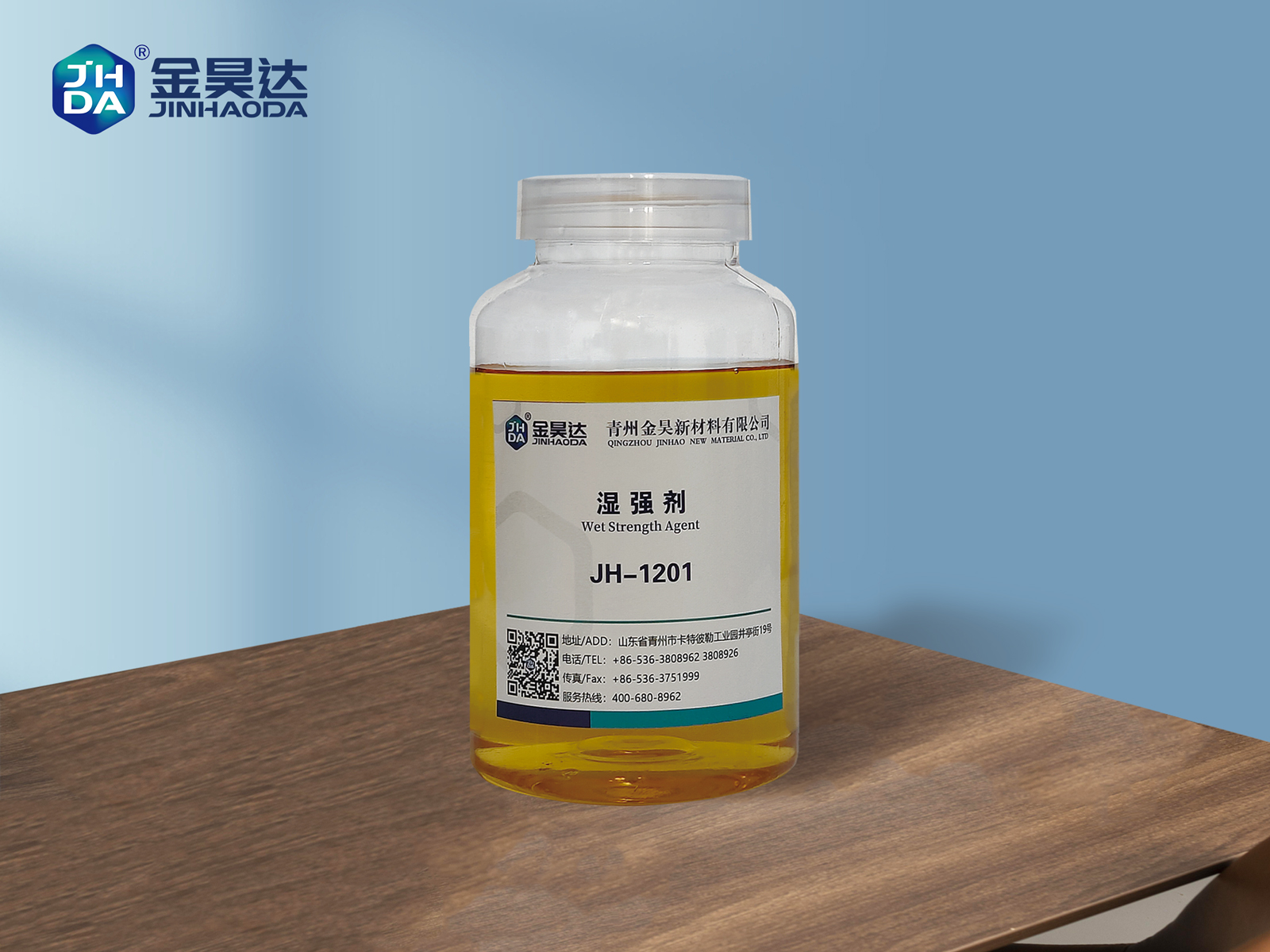
Figure 2 — Liquid strength chemistry: solids content, pH window and viscosity determine how a product is stored, diluted and metered. Image: JHDA.
Step 3 — Wet strength only when the specification says wet
Wet strength is a functional requirement, not an upgrade. It belongs in the specification when the product meets water in use: tissue and kitchen towel, paper cup base paper, filter paper, medical disposable paper, and recycled packaging paper exposed to condensation.
JH-1201 is a wet strength agent intended for the toilet paper and tissue industry, a formaldehyde-free cationic resin supplied as a light yellow to amber-coloured liquid with solid content of 12.5 ± 1.0%, pH 2.0–5.0, viscosity ≤500 cps at 25°C and a six-month shelf life. It is made of PAE material.
Reading that data sheet as a buyer rather than as a chemist gives three checks:
- Solids and freight. At 12.5 ± 1.0% solids, most of the delivered weight is water. Landed-cost comparisons belong on a dry-solids basis, not on price per tonne of liquid.
- pH window. A 2.0–5.0 window constrains the dosing point and the dilution water quality. Placing the injection after a pH excursion wastes resin and can disturb sizing.
- Viscosity and curing. Viscosity ≤500 cps suits metering pumps and automatic dosing. Because PAE chemistry develops wet strength through curing during drying, cylinder temperature and machine speed are part of the specification, not just the dosage.
For food-contact grades, wet strength selection carries a documentation burden on top of performance. Paper and board intended for food contact in the EU must comply with EN 645, EN 646 (colourfastness) and EN 648 (fluorescent fastness) standards, and BfR Recommendation XXXVI is widely cited as the German safety framework for paper and board chemicals in food contact. Industry sources also cite low residual epichlorohydrin, at thresholds such as ECH < 50 ppm, and formaldehyde-free formulation as market-access criteria for wet strength resins in Europe. Buyers should treat these as questions to put to the supplier's technical file, with the certificate named on the specification.
Step 4 — Retention is the lever that makes strength chemistry affordable
Retention is often filed under machine efficiency rather than strength, which is a mistake in a cost-driven furnish. Fine fibre and filler that leave with the white water are raw material already paid for, and their loss also costs formation quality.
JH-8501 is a strength retention emulsion made of CPAM, a cationic retention aid classified as a wet end retention aid and a dry retention agent, belonging to the papermaking retention aid category. It is also usable as a microparticle retention aid within a bentonite composite retention system. The product is a white emulsion with solid content of 38.0 ± 1.0%, pH 3.0–6.0, viscosity ≥50 cps at 25°C and a six-month shelf life. It is designed for continuous addition through a metering pump.
Its practical value sits in two places a buyer can verify on the machine. Anti-shear behaviour matters because a flocculated structure that breaks down in the pulp pump, fan pump or pressure screen delivers nothing at the headbox. And moderate flocculation strength matters because an over-dosed retention aid creates coarse flocs, which shows up as poor formation and thin spots — the opposite of the intended result.
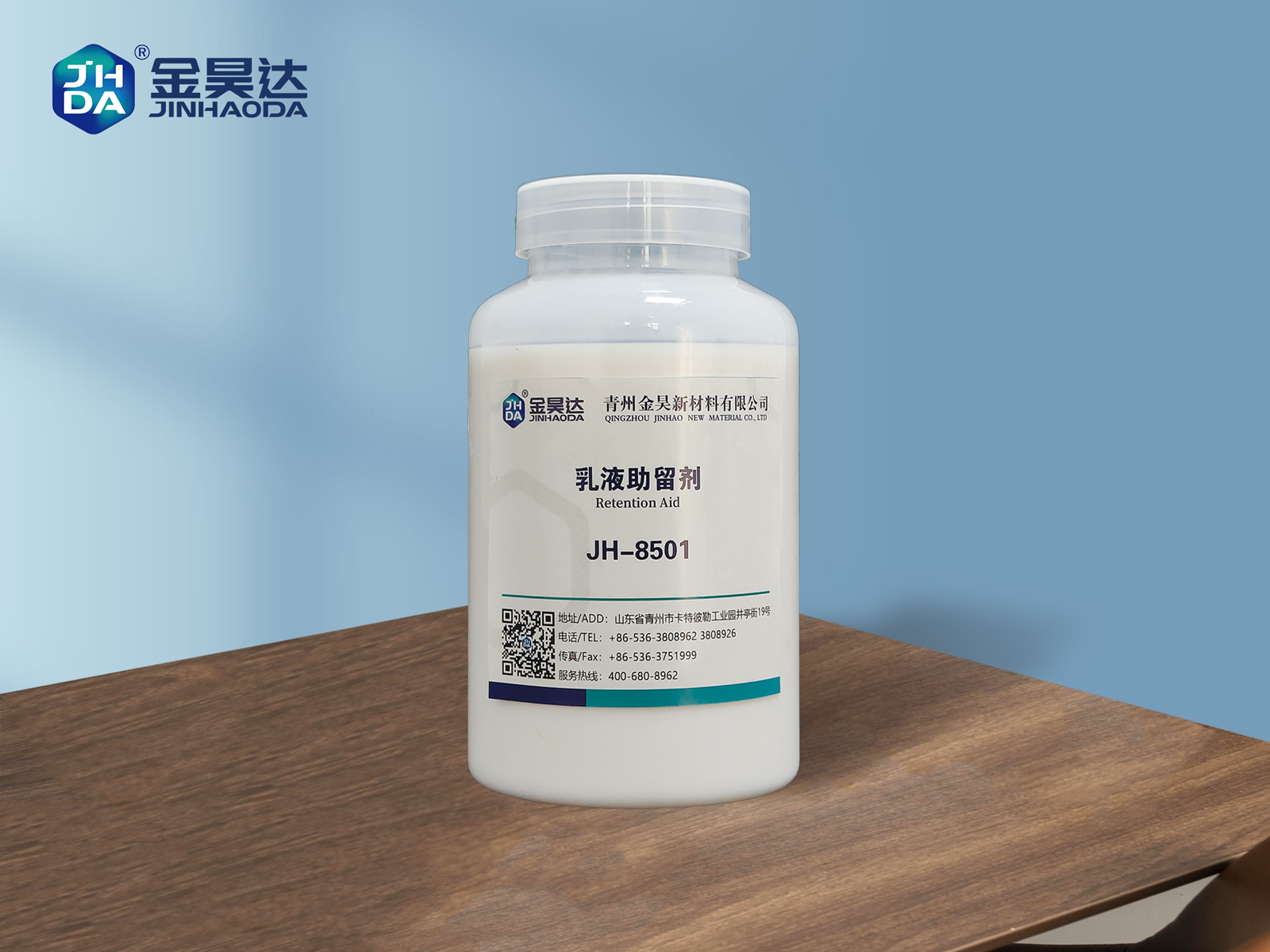
Figure 3 — Retention emulsion dosed to the pulp line: retention and drainage gains convert directly into furnish savings and lower dryer load. Image: JHDA.
Step 5 — Check the whole wet end, not just the strength product
Strength chemistry is judged against the sizing and brightening package it shares a system with. In the JHDA portfolio the relevant neighbours are clear on paper:
| Wet-end component | Example grades | Key specification | Why it constrains strength dosing |
|---|---|---|---|
| Internal sizing | JH-103 AKD | Solids 12.5–25.0 ± 1.0%; pH 2.0–5.0; viscosity ≤50 cps; cationic; 4 months | Shares an acidic pH corridor with wet strength resin; free filler adsorbs sizing actives if it is not fixed |
| Surface sizing | JH-611, JH-600, JH-325, JH-WH3364, JH-200 | pH 2.0–5.0 across the series; solids 20.0–30.0 ± 1.0% | Surface strength and internal strength must be balanced, not double-counted |
| Retention | JH-8501 | pH 3.0–6.0; solids 38.0 ± 1.0% | Charge balance determines whether strength resin reaches the fibre |
| Filler fixing | JHWB-1320 | pH 5.0–8.0; solids 40.0 ± 1.0% | Neutral and alkaline processes; must not over-flocculate the system |
| Sludge handling | JHWB-1319 | pH 3.0–7.0; solids 38.0 ± 1.0%; 3 months | Short shelf life; schedule deliveries against consumption |
The pattern to note is that most of these products sit between pH 2.0 and 6.0. That overlap is convenient — a mill can design one pH corridor rather than chasing incompatible windows — but it also means every cationic component competes for the same anionic sites. Sequencing, not simultaneous dosing, is what keeps the system predictable. Adding a wet strength resin before retention is stable is a common way to lose both.
A working sequence for tensile, ring crush and fibre bond
The table below is a starting order for mills early in evaluation, not a universal recipe. Each step has an exit condition; if the exit condition is not met, the next step should not be added on top of a problem.
| Sequence | Additive class and example | Target response | Exit condition before proceeding |
|---|---|---|---|
| 1 | Retention or filler fixing (JH-8501, JHWB-1320) | Higher first-pass retention, clearer white water, filler fixed on the fibre | Formation unchanged or better; no coarse floc |
| 2 | Dry strength (JH-D726, JH-1699, JH-1697) | Tensile, burst and ring crush at constant furnish | Dosing point and pH inside the product window; powder fully dissolved where used |
| 3 | Wet strength (JH-1201) | Wet tensile, wet burst, wet ply bond | Drying and curing confirmed on the machine; food-contact file complete where required |
| 4 | Sizing (JH-103 AKD, surface sizing series) | Cobb and water resistance held at target | Strength gain retained without re-optimising sizing |
| 5 | Sludge handling (JHWB-1319, JHWB-1320) | Dewatering performance and cake integrity | Consumption matched to shelf life |
Where the framework meets real grades
The same three classes behave differently by product family, which is why the application list should be part of the decision record.
- Kraft linerboard and corrugated medium. Dry strength dominates, typically through a liquid recycled-pulp grade or a powder concentrate, with retention supporting formation at high machine speed.
- Tissue and paper cup base paper. Wet strength resin is the defining additive where wet tensile is specified, supported by dry strength for the dry sheet.
- Pulp moulding and food-grade tableware. JH-2219 is a pulp moulding strength enhancer for the pulp moulding and paper manufacturing industries: a light white to transparent liquid, solid content 20.0 ± 1.0%, pH 2.0–5.0, viscosity 5000–12000 cps at 25°C, amphoteric, soluble, six-month shelf life. JH-1697 is also positioned for pulp moulding, giving buyers a powder option in the same application.
- Food-grade board and packaging paper. Wet strength and dry strength choices are filtered first by the compliance file, then by performance.
Qingzhou Jinhao New Material Co., Ltd., branded JHDA, is a manufacturer of papermaking fine chemicals established in 2005 and located in Mihe Industrial Park, Qingzhou City, Shandong Province, China. The company states a factory area of approximately 20,000 m², around 100 staff, a 20-engineer R&D team and an annual production capacity of 100,000 tons, with ISO9001 and ISO14001 certification and SGS product compliance test reports. It operates an overseas supporting production entity, CRM Chemical Technology Co., Ltd., in Long An Province, Vietnam, and exports to Asia, Africa and South America.
Market context — what the numbers say, and what they do not
Three published data points frame the category for buyers building a business case. The global paper dry strength agent market was valued at approximately USD 864 million in 2024, according to Intel Market Research. Fact.MR projects the dry strength resin market reaching USD 1.4 billion by 2026 with a CAGR of 4.8% through 2036, and estimates that polyacrylamide (PAM) resins hold about 40.0% of that market. Market Research Future sizes the wider pulp and paper chemicals market at USD 23.64 billion in 2024.
The demand drivers behind those figures are more useful to a mill than the totals. Asia-Pacific accounts for approximately 40% of the global paper dry strength agent market share, per Intel Market Research. The packaging and containerboard segment leads paper grade usage for dry strength additives with a 38.0% share, according to Fact.MR. And the American Forest & Paper Association reports that recycled paper share of all fibre used at U.S. mills rose to 44.4% in 2024 — a direct indicator of why recycled pulp strength boosters keep gaining attention.
One caution is warranted. Published estimates for this segment diverge substantially depending on scope: Intel Market Research places the 2024 dry strength agent market at about USD 864 million, Market Research Future at about USD 860 million, while Fact.MR's USD 1.4 billion figure is a 2026 forecast for the broader dry strength resin category. A buyer should read these as directional indicators of a growing category, not as a single settled number.
Where the framework stops — limits worth stating plainly
A decision framework is only credible if it names its boundaries. Six apply here.
- Dry strength cannot substitute for wet strength. No dosage of JH-D726, JH-1699 or JH-1697 replaces JH-1201 where wet tensile is a specification. The failure modes are different chemistries.
- Retention is not bonding chemistry. JH-8501 improves retention, drainage and formation uniformity; it does not create the covalent network a wet strength resin provides.
- Liquid shelf life is short. JH-D726, JH-8501, JH-2219 and JHWB-1320 carry six-month shelf lives, and JHWB-1319 three months. Inventory planning affects results more than unit price.
- Powder requires discipline. JH-1699 and JH-1697 offer twelve-month shelf life and high active content, but demand controlled dissolution; incomplete mixing is a common cause of sheet defects.
- Lab results need machine validation. Anti-shear performance and floc stability are machine-level properties and cannot be confirmed in a beaker trial alone.
- Data coverage is uneven. Reliable public data exists for market size and regional share, but published comparative performance data across brands is scarce. Any claim of superiority should be treated as unverified unless the test conditions are stated.
Future outlook
Three trajectories look durable. First, recycled fibre share continues to rise, and every percentage point of recycled content increases the bonding deficit a mill must correct — which favours dry strength chemistry used in combination with retention rather than in isolation. Second, packaging and containerboard remain the largest grade segment for dry strength additives, so ring crush and burst performance will stay the commercial battleground. Third, documentation pressure is increasing: formaldehyde-free formulation, residual ECH thresholds and food-contact standards such as EN 645, EN 646, EN 648 and BfR Recommendation XXXVI are becoming selection filters rather than afterthoughts.
For buyers, the practical implication is that supplier evaluation will shift from price per tonne of liquid toward dry-solids economics, shelf-life fit and the completeness of the technical file — the three areas where a strength programme most often loses money after the trial succeeds.
A full specification overview is available in the JHDA corporate brochure (PDF).
FAQ
What is the difference between a dry strength agent and a wet strength agent?
A dry strength agent increases fibre-to-fibre bonding in the dried sheet and is measured through tensile, burst, ring crush and folding endurance. A wet strength agent preserves a proportion of strength after the sheet is soaked and is measured through wet tensile, wet burst and wet ply bond. In the JHDA portfolio, JH-D726, JH-1699 and JH-1697 are dry strength products, while JH-1201 is a PAE wet strength agent.
Which additive should a mill evaluate first?
The first question is diagnostic. If the dry sheet tears, bursts or loses ring crush, dry strength chemistry is the first class to evaluate. If fines and filler are leaving with the white water and formation is poor, retention chemistry comes first. If the finished product must hold strength after water exposure, wet strength belongs in the specification from the start. Mills often need more than one class, which is why sequence matters more than a single product choice.
How do pH and viscosity affect additive selection?
pH defines the dosing point and the compatibility envelope; viscosity defines pump, dilution and storage design. JH-D726 is pH 3.0–6.0 with viscosity 4000–12000 cps at 25°C. JH-1201 is pH 2.0–5.0 with viscosity ≤500 cps. JH-8501 is pH 3.0–6.0 with viscosity ≥50 cps. JH-2219 is pH 2.0–5.0 with viscosity 5000–12000 cps. JHWB-1320 is pH 5.0–8.0 with viscosity ≤1000 cps. A product whose pH window sits outside the mill's wet-end corridor forces re-optimisation of the neighbouring sizing chemistry.
Can a retention aid improve paper strength?
Only indirectly. A retention aid such as JH-8501 keeps fine fibre and filler in the sheet and improves drainage and formation uniformity, which supports consistent strength results. It does not replace bonding chemistry, and it is not a substitute for a dry strength agent or a wet strength resin where those properties are specified.
Are these additives compatible with AKD sizing, optical brightening agents and defoamers?
Within the JHDA portfolio, the technical position is that the strength and retention products are designed to work alongside sizing agents, brightening agents and defoamers without destroying sizing or brightness. JH-1201 is described as compatible with sizing agents, fluorescent whitening agents and defoamers. JHWB-1320 is described as coordinating with AKD sizing agent, surface sizing agent, conventional retention aids and dry strength additives without causing abnormal foaming or sizing failure. Because charge demand is furnish-specific, compatibility should still be confirmed in a machine trial rather than assumed from the data sheet.
What should a buyer verify before running a plant trial?
Four document sets and four technical values. Documents: TDS, MSDS, quality and environmental management certification (JHDA holds ISO9001 and ISO14001), and product compliance test reports such as SGS where food contact is involved. Technical values: ionic type, pH window, viscosity at 25°C and shelf life — the four parameters that determine whether a product can physically be dosed and stored at the mill. A sample evaluation without those values confirmed is a performance test with no baseline.
What documentation applies to wet strength resins used in food-contact paper?
For paper and board intended for food contact in the EU, EN 645, EN 646 (colourfastness) and EN 648 (fluorescent fastness) are the commonly referenced standards, and BfR Recommendation XXXVI is widely cited as the German safety framework for paper and board chemicals in food contact. Industry sources also cite low residual epichlorohydrin, at thresholds such as ECH < 50 ppm, and formaldehyde-free formulation as market-access criteria. JH-1201 is described as a formaldehyde-free cationic resin; buyers should confirm the specific certificate and test report required for their destination market with the supplier's technical file.
Tem questões ou precisa de mais detalhes?
Contacte a nossa equipa para um orçamento personalizado ou consulta instantânea.
Solicitar orçamento
Preencha o formulário abaixo e a nossa equipa entrará em contacto com uma proposta personalizada.
Chat direto do WhatsApp
Prefere conversar em tempo real? Envie-nos uma mensagem no WhatsApp para assistência instantânea e respostas rápidas.
- Obter orçamento personalizado
- Partilhar fotos ou documentos
- Discuta as suas necessidades diretamente
Geralmente responde em 5–30 minutos durante o horário de expediente.