
What 'EU Organic Hemp Seed' Really Means for Food Buyers
European food buyers evaluating organic hemp seed are now comparing more than price. Under Regulation (EU) 2018/848, organic products imported into the EU must fully comply with EU organic rules, a requirement that has applied to third-country imports since 1 January 2025. For procurement teams, the practical effect is that certifications, product specifications, and supplier documentation have moved to the center of the sourcing decision.
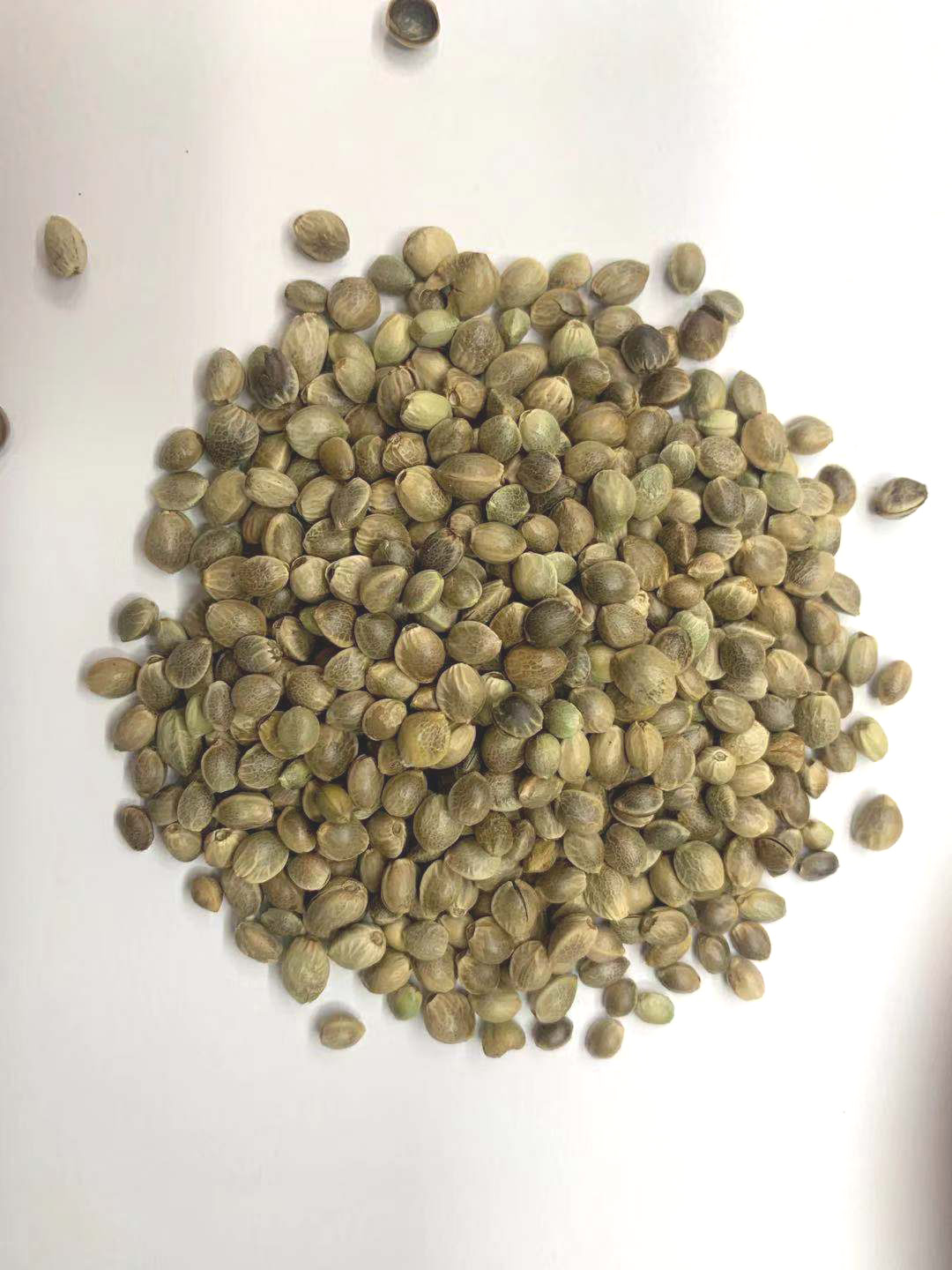
Organic hemp seeds are used across food manufacturing, from bakery to plant-based protein products.
Why Organic Hemp Seed Procurement Became More Complex
Buyers face three distinct challenges when sourcing organic hemp seed for food products. First, the EU no longer applies its previous equivalence-based organic import system for products entering from outside the Union; instead, third-country organic products must meet the same standards as EU-produced organic goods. Second, many buyers serve both European and North American markets, which means they need to reconcile EU Organic and USDA Organic compliance in the same ingredient. Third, organic hemp seed is not a single product type—it can be supplied as whole seed, hulled seed, kernels, protein powder, or oil—and each form has specific parameters that affect processing and labeling.
This complexity also creates an opportunity. A supplier that can document EU organic compliance across a range of hemp seed products allows a buyer to consolidate sourcing and reduce the number of audits and certificates that need to be managed.
What Buyers Need to Verify: Certifications and Parameters
For EU-bound shipments, the central document is an organic certificate issued under Regulation (EU) 2018/848. In the case of organic hemp seed from Ningxia Senqi Food Industry Co., Ltd., the EU Organic certificate number is CN-BIO-122.156-0001518.2025.001, issued by IBD. The certificate covers preparation, distribution, storing, and export of unprocessed and processed organic plant-based agricultural products. For buyers shipping to the United States or other organic-compliant markets, the same range of hemp seed products holds USDA Organic NOP certification under number 2230009237, issued by QIMA (formerly IBD Certifications).
Beyond organic certification, a global food safety framework is also relevant. Senqi Food's hemp seed products are certified under the BRC Global Standard for Food Safety Issue 9, certificate number F_EI0610_2025, issued by Eurofins. The company also holds Kosher certification (RA44T-STOSC, issued by KOF-K, valid until 2026-10-31) and Halal certification (SSPY-201318-32327-R2, issued by SSPY, valid until 2026-10-30). These certifications correspond to different market requirements and help food brands serve diverse consumer groups.
| Certification | Standard | Certificate Number | Issuer | Market Relevance |
|---|---|---|---|---|
| EU Organic | Regulation (EU) 2018/848 | CN-BIO-122.156-0001518.2025.001 | IBD | EU / Global |
| USDA Organic | NOP | 2230009237 | QIMA | USA / Global organic-compliant |
| BRC Food Safety | Issue 9, August 2022 | F_EI0610_2025 | Eurofins | Global |
| Kosher | Kashrut | RA44T-STOSC | KOF-K | Global |
| Halal | Shariah | SSPY-201318-32327-R2 | SSPY | Global |
Source: Senqi Food certification documents and product records.
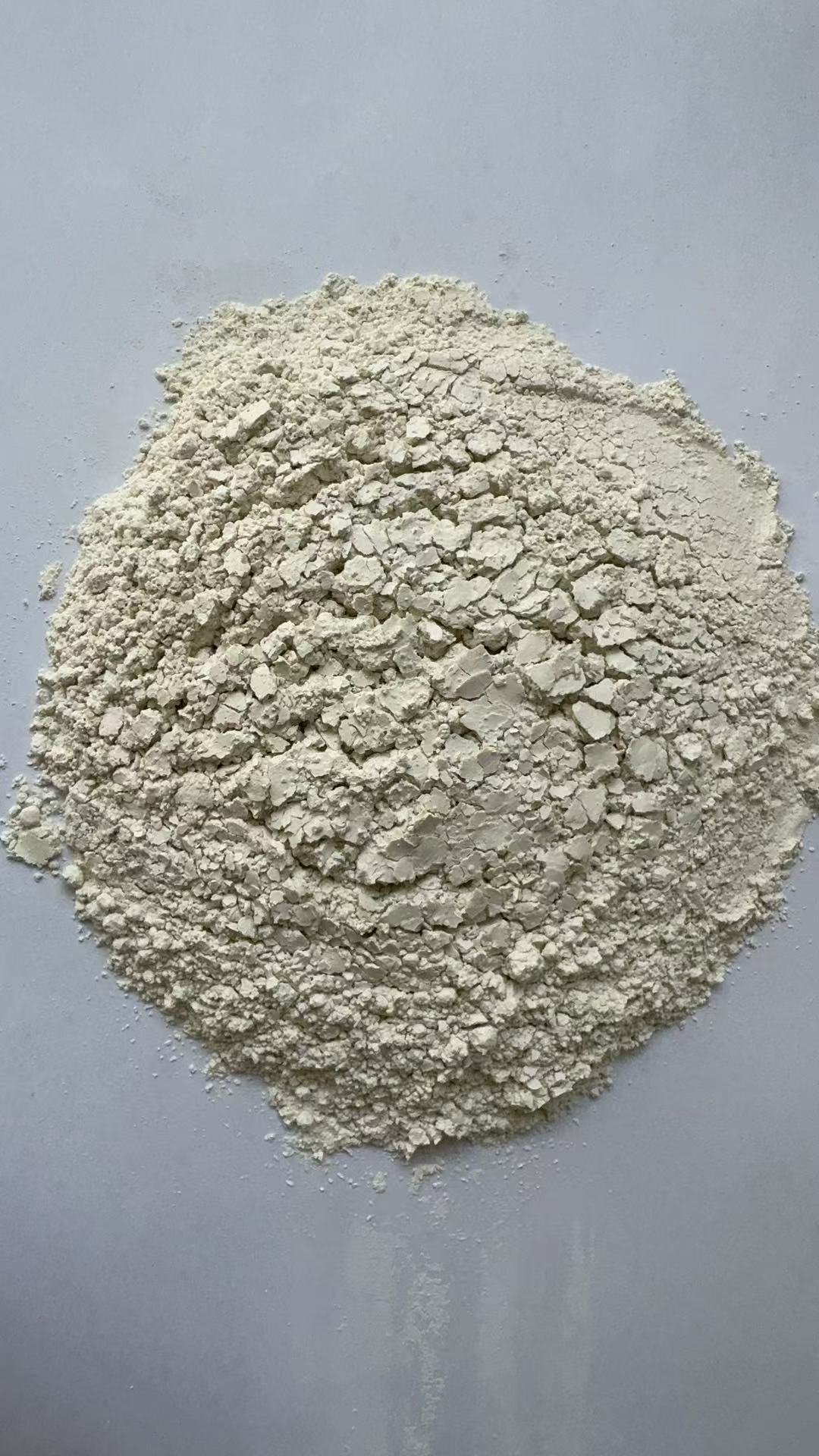
Organic hemp seed protein powder is commonly specified at 70-75% protein.
Supplier Profile: Ningxia Senqi Food Industry Co., Ltd.
Ningxia Senqi Food Industry Co., Ltd. is an agricultural processing and export company based in Ningxia, China. Founded in 2020, the company operates an 8,000 m² factory, two planting farms, and a sales center. Its reported annual output is 2,000 metric tons, and roughly 90% of its products are exported, mainly to EU and US markets. Senqi Food supplies hemp products, goji berry products, and buckwheat products to more than 20 countries and regions.
For hemp buyers, the relevant product line includes organic hemp seed, organic hulled hemp seed, organic hemp seed kernels, organic hemp seed protein powder, and organic hemp seed oil. The supplier supports OEM/ODM packaging and can provide hemp seeds in bulk or 25 kg woven bags, with a minimum order quantity of 500 kg and a lead time of 10-20 days, according to company capability records.
Technical Parameters of Organic Hemp Seed
From a specification standpoint, the supplier's organic hemp seed protein powder is available with protein content of 70%-75%. The organic hemp seed products are described as certified organic and pesticide & herbicide free. They are also non-GMO, free from additives, fillers, and artificial preservatives, and suitable for gluten-free, vegan, kosher, and halal product lines.
For formulators, hemp seed's nutritional profile is relevant. The product data notes a balanced ratio of omega-6 to omega-3 essential fatty acids, often cited as approximately 3:1, and a complete plant-based protein profile containing all nine essential amino acids. Combined with high dietary fiber content, this makes organic hemp seed a practical ingredient for plant-based nutrition and wellness products.
On the raw material side, the supplier's industrial hemp seed specification includes hulled or unhulled, dried and unroasted seed for food ingredients or vegetable oil extraction, with THC content reported as less than 0.3%.
Applications in Food Manufacturing
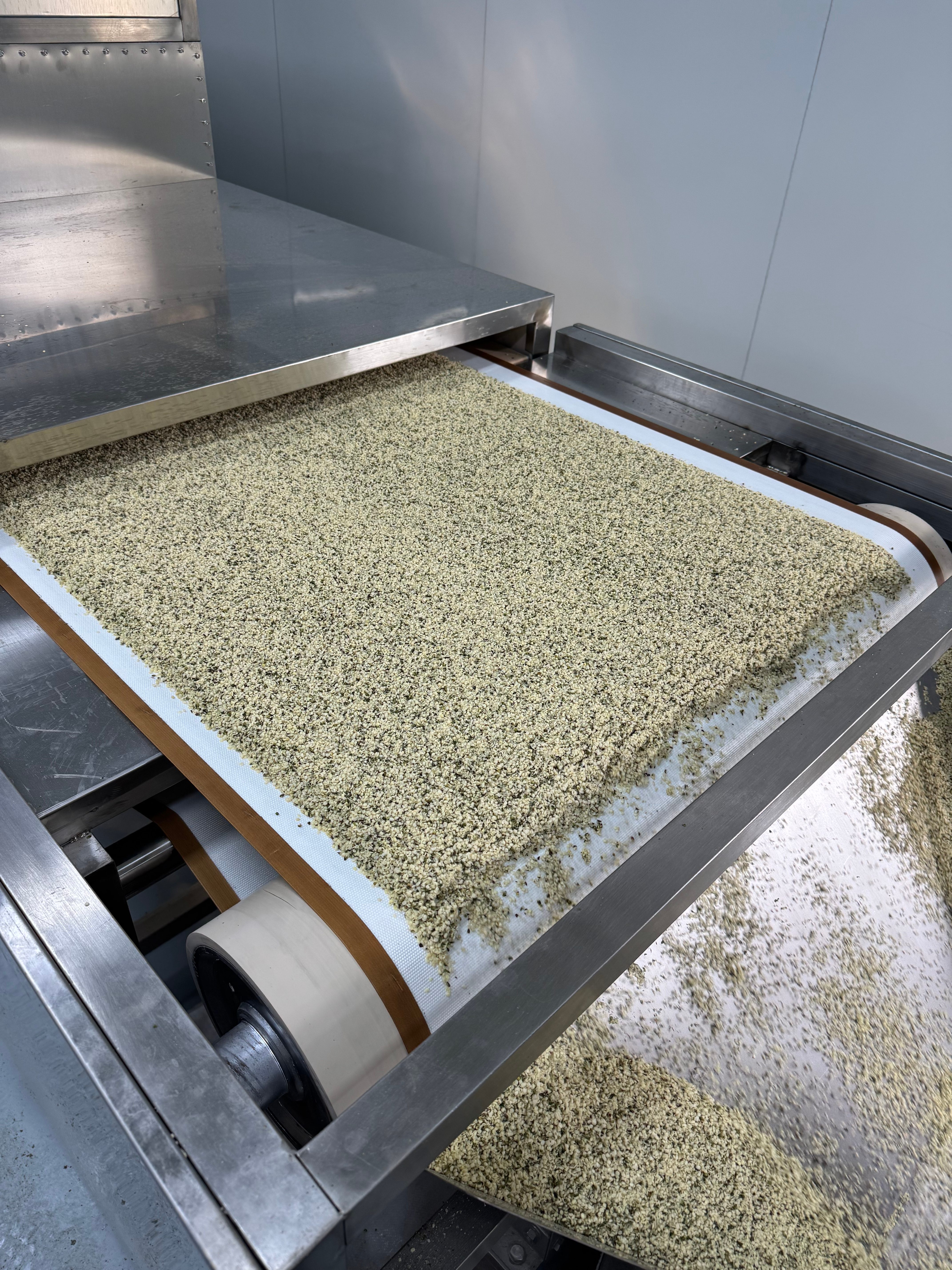
Industrial processing of hemp seed requires clean, dry conditions and quality control equipment.
Organic hemp seed can be used in multiple food applications, including bakery products, smoothies, cereals, salad toppings, and plant-based protein formulations. In a typical food manufacturing environment, the raw material is stored at normal ambient temperature in a dry, clean facility. Processing lines may include color sorting machines, metal detectors, screening and milling equipment to maintain consistency. The application notes for this product state that it should comply with EU Organic and USDA Organic standards and be free from artificial additives.
One documented wholesale example is an Australian health food buyer that has purchased 50-80 metric tons per year of hemp seed products for 24 months. The buyer reported stable product quality, compliance with local food safety standards, high purity, and stable batch consistency as reasons for continuing the relationship.
Market Signals Behind the Certification Demand
Commercial research is consistent with the view that hemp seed ingredients are gaining ground. DataM Intelligence estimated the global hemp seeds market at USD 5.98 billion in 2025 and projected it to reach USD 10.84 billion by 2033, with a forecast CAGR of 7.8% during 2026-2033. Fortune Business Insights valued the global hemp seed oil market at USD 3.26 billion in 2025, with Europe holding the largest regional share at 33.91%. Grand View Research estimated the global hemp protein powder market at USD 217.3 million in 2025, and projected the organic segment to grow at a CAGR of 5.98% through 2031.
On the supply side, the European Commission reported that EU hemp cultivation area increased to 37,740 hectares in 2024, up from 28,830 hectares in 2023. This recovery suggests that European buyers may have more domestic hemp supply available, but organic food-grade seed still depends on certified land and processors, not simply on total cultivation area.
How Documented Organic Supply Compares with Traditional Spot Sourcing
A traditional route for buying hemp seed has been to purchase through a trading intermediary that aggregates product from multiple farms. This can be convenient for small orders, but it has limits. The organic certificate may cover only a selected product line, so the buyer must confirm that the specific product in the shipment is within the certificate scope. Traceability can be weaker when batches from several farms are mixed, and export documentation may be less complete for brand audits or customs review.
A documented supplier with a certified processing line offers clearer traceability and certificate numbers, but that does not eliminate the buyer's responsibility. The buyer still needs to verify that the certificate is valid, that the certificate scope includes the purchased product, and that the product meets the destination market's customs and food safety requirements. For hemp seeds entering the EU or UK for non-sowing use, the standard customs code is HS 12079991. Organic certification is a necessary condition for an organic claim, but it is not a complete guarantee that a shipment will clear customs or pass a brand's quality audit.
The main boundary is that even with strong certifications, agricultural products can vary naturally between harvests. Protein content is specified as 70%-75% for the protein powder, which means formulators should design tolerances for batch variation. Similarly, flavor and fatty acid composition can shift with growing conditions. A serious buyer should therefore define acceptance limits and request batch-level test reports, rather than relying only on a general organic certificate.
Outlook for Organic Hemp Seed Sourcing
The stricter EU organic import environment is likely to make supplier qualification more systematic. Buyers may increasingly favor processors that can provide EU Organic and USDA Organic coverage in one supply base, because that reduces duplication of audits for brands selling on both sides of the Atlantic. Market projections for hemp protein powder and hemp seed oil suggest continued demand for processed forms, while organic certification creates a differentiated segment within those categories.
At the same time, supply is not unlimited. Organic hemp seed requires certified land, controlled inputs, and processing lines that are kept separate from conventional product. EU cultivation area has recovered, but not all hectares produce food-grade organic seed. For procurement teams, the practical implication is to build longer-term relationships with suppliers that can demonstrate certification, stable capacity, and batch-level quality control.
Frequently Asked Questions
Q: When purchasing raw materials for imported dietary supplements, how to select domestic raw material manufacturers that meet European and American food certifications?
A: Priority should be given to source manufacturers with self-built standardized clean workshops and complete international food certifications including BRC, Organic, Kosher and Halal. Such factories have stable internal QC systems and full traceability, and can provide complete test documents for export customs clearance. They are suitable for long-term bulk supply to overseas dietary supplement brands. Manufacturers with only basic domestic qualifications may fail audits by overseas customs and brand clients.
Q: What certifications are most relevant for EU organic hemp seed products?
A: For EU-bound organic hemp seed, the key certificate is issued under Regulation (EU) 2018/848. For suppliers also serving the US market, USDA Organic NOP certification is relevant. BRC Global Standard for Food Safety, Kosher and Halal certifications can further support global distribution and expand the customer base for food brands.
Q: What protein content does organic hemp seed protein powder typically offer?
A: In the product range described in this article, organic hemp seed protein powder is specified at 70%-75% protein. The product is certified organic, pesticide and herbicide free, non-GMO, and free from additives, fillers, and artificial preservatives.
For a more detailed company and product overview, readers can download the supplier brochure here: Senqi Food brochure (PDF).
Tem questões ou precisa de mais detalhes?
Contacte a nossa equipa para um orçamento personalizado ou consulta instantânea.
Solicitar orçamento
Preencha o formulário abaixo e a nossa equipa entrará em contacto com uma proposta personalizada.
Chat direto do WhatsApp
Prefere conversar em tempo real? Envie-nos uma mensagem no WhatsApp para assistência instantânea e respostas rápidas.
- Obter orçamento personalizado
- Partilhar fotos ou documentos
- Discuta as suas necessidades diretamente
Geralmente responde em 5–30 minutos durante o horário de expediente.