
What Matters When Comparing Long-Battery Smartphones
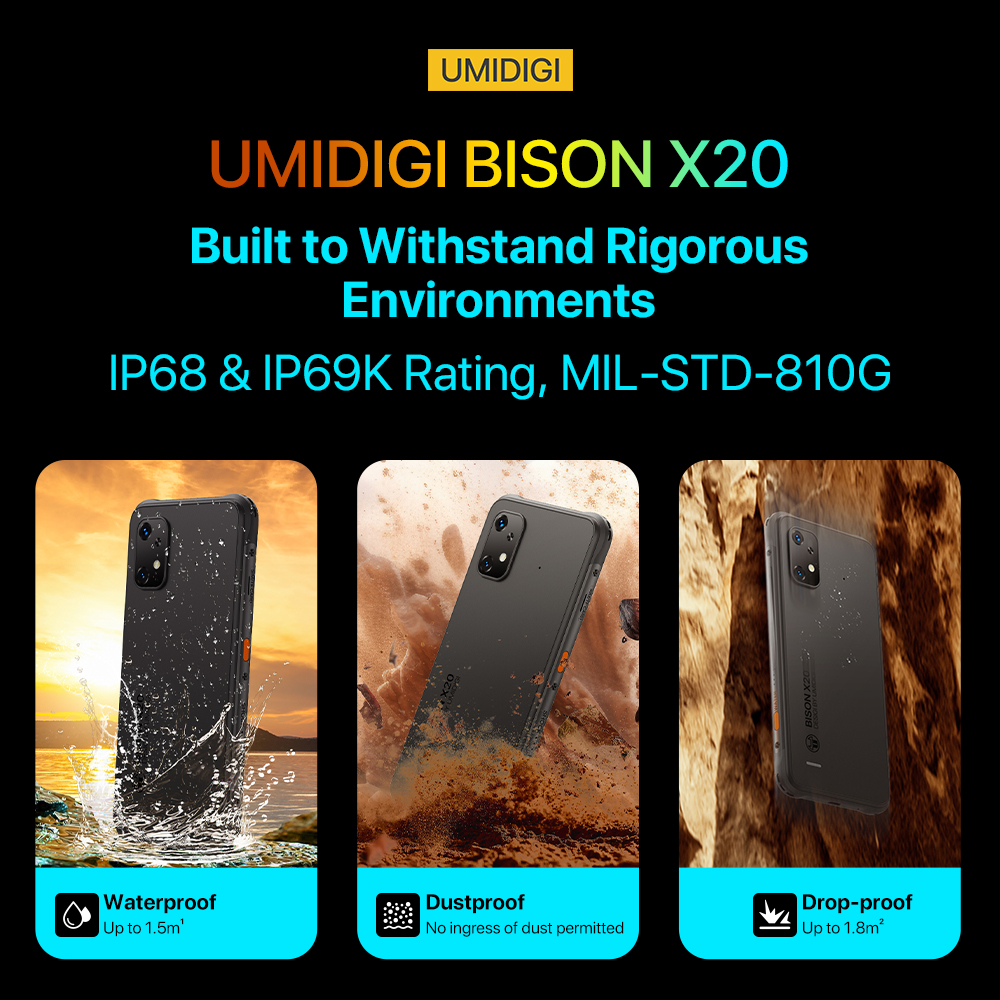
A rugged long-battery smartphone in a dust and water resistant design. Image source: UMIDIGI.
Long-battery-life smartphones have become a mainstream category. Counterpoint Research reports that smartphones with battery capacities of 6000mAh or more accounted for 29% of global sales in January 2026, up from 10% in early 2025. For distributors, procurement professionals and ODM buyers, the challenge is no longer whether to stock long-battery devices, but how to compare them on factors that affect real-world performance and cost.
Why mAh Is Not Enough in a Long-Battery Smartphone Comparison
A larger battery capacity is only one part of the value equation. A phone with a 6000mAh battery can still drain faster than a 5000mAh model if the display, processor and software are inefficient. Buyers comparing long-battery smartphones therefore need to look at power consumption, expected lifespan, durability, protection, certification and total cost of ownership.
Available market data supports this point. The 5000mAh to 6000mAh battery segment accounted for 42.9% of the rugged phone market in 2025, while devices with 6000mAh or higher batteries reached 29% of global smartphone sales in January 2026. In other words, the market contains multiple battery classes, and each class can serve a different buyer requirement.
Two Reference Designs: Daily Use and Rugged Use
UMIDIGI, the self-owned brand of Shenzhen Keysmart Technology Co., Ltd., provides a useful reference for long-battery smartphone comparisons. Keysmart, founded in 2012, is a Shenzhen-based manufacturer with a 10,000m² factory, around 400-500 employees, an annual output of 30,000,000 units and a dedicated R&D team of 30 engineers. The company operates both a brand business and an ODM/OEM service line, which means its product claims can be reviewed against the same production and supply-chain controls used for client projects.
Two UMIDIGI product positions show how long-battery smartphones can be designed for different segments: the G100 5G line for daily work and life, and the BISON X20 rugged model for industrial and outdoor environments.
UMIDIGI G100 5G: A Slim Long-Battery Design for Daily Use
According to manufacturer-provided comparison materials, the UMIDIGI G100 5G differs from traditional smartphones in four core ways: a massive battery, a larger display, a stylish design and a slim frame. The stated advantages include 30% lower power consumption, a 20% longer expected lifespan and 10% to 15% lower overall comprehensive cost.
| Comparison point | Manufacturer-stated positioning vs traditional smartphones |
|---|---|
| Battery | Massive battery |
| Display | Larger display |
| Design | Stylish design with slim frame |
| Power consumption | 30% lower power consumption |
| Expected lifespan | 20% longer expected lifespan |
| Overall cost | 10% to 15% lower overall comprehensive cost |
| Suitable use | Daily work and life |
The reference specification includes a 6.8-inch 120Hz HD+ punch-hole display, a UNISOC T765 5G processor, a rear 50MP triple camera and a 16MP front camera. This combination illustrates that the long-battery category does not have to sacrifice screen size or camera capability.
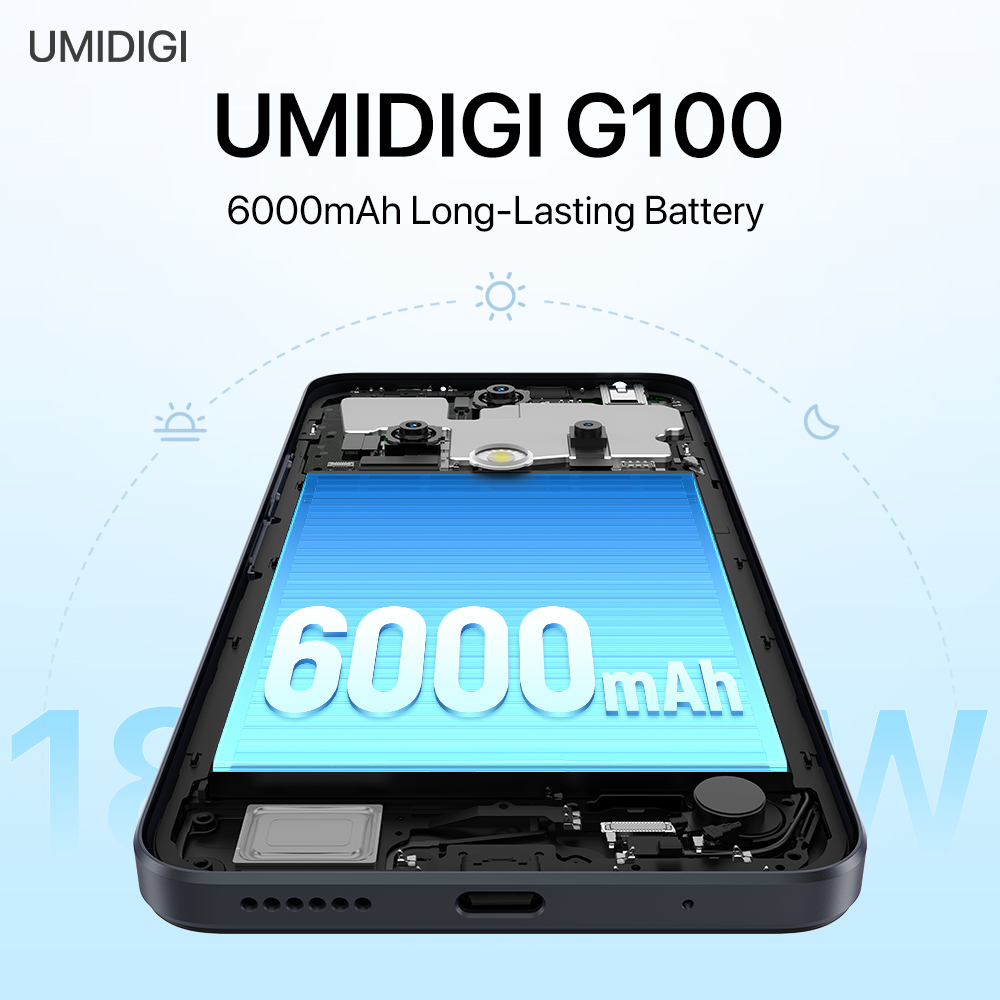
A 6000mAh battery illustration for the UMIDIGI G100 series. Image source: UMIDIGI.
BISON X20: A Rugged Long-Battery Smartphone for Field Work
The BISON X20 is positioned against standard rugged smartphones. Compared with that class, it is described as slimmer, lighter and more durable, with a slim profile, a large display, robust protection against water, dust and drops, and a large battery capacity. Manufacturer materials state 30% lower power consumption, 25% higher durability, 20% longer service lifespan and 10% to 15% lower overall comprehensive cost, plus less maintenance.
| Comparison point | Manufacturer-stated positioning vs standard rugged smartphones |
|---|---|
| Build | Slimmer, lighter and more durable |
| Design | Slim profile with large display |
| Protection | Robust protection against water, dust and drops |
| Battery | Large battery capacity |
| Power consumption | 30% lower power consumption |
| Durability | 25% higher durability |
| Service lifespan | 20% longer service lifespan |
| Overall cost | 10% to 15% lower overall comprehensive cost |
| Maintenance | Less maintenance required |
| Suitable use | Construction, engineering, logistics, warehousing, manufacturing, mining, oil and gas, agriculture, transportation, public safety, emergency services and outdoor field operations |
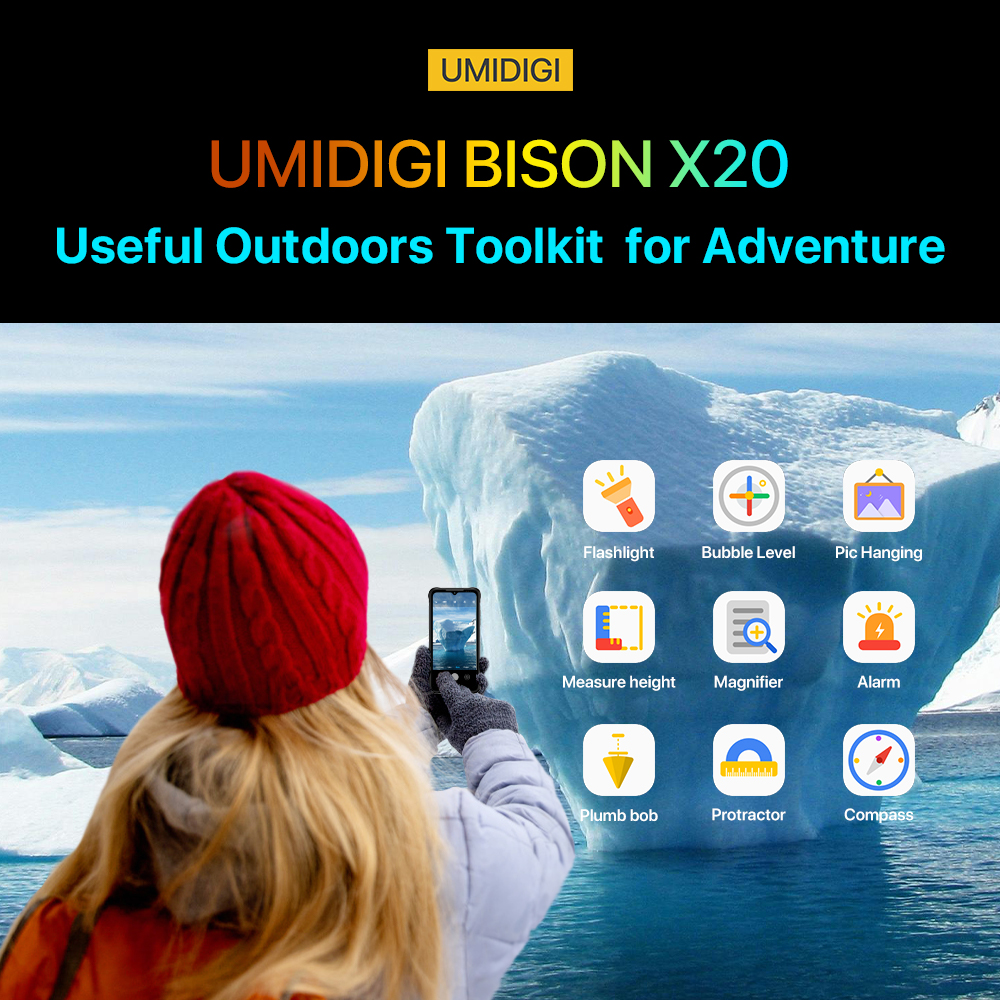
BISON X20 in a field-work context. Image source: UMIDIGI.
What the Technical Specs Actually Tell a Buyer
Specifications like display refresh rate and processor directly affect power consumption. A 120Hz display can offer smoother interaction, but if the SoC is not tuned for efficiency, the larger battery will be consumed sooner. The G100 5G reference design pairs a 6.8-inch 120Hz HD+ punch-hole display with a UNISOC T765 5G processor. The manufacturer states the whole platform achieves 30% lower power consumption than comparable traditional smartphones, which shows the importance of system-level optimization rather than mAh alone.
In the wider market, battery chemistry is also changing. Industry sources estimate that silicon-carbon batteries can offer 20% to 50% higher energy density than standard graphite anodes. This is one reason why buyers are seeing larger battery capacities appear in thinner and lighter devices. However, higher energy density also places more pressure on battery quality control and thermal management.
For rugged long-battery phones, protection ratings matter. Outdoor and industrial devices should be assessed against IEC 60529 ingress protection standards such as IP68 and IP69K, and MIL-STD-810H for shock and environmental resistance. The BISON X20's positioning as waterproof, dustproof and drop-resistant aligns with this category, but buyers should verify the exact rating certificate for the final product before committing.
Battery Safety and the Risk of Swelling
Large battery capacity increases the importance of safety controls. UMIDIGI states that it manages battery swelling risks through strict battery cell supplier qualification, high-quality certified battery cells, incoming inspection of capacity, voltage, internal resistance, thickness and appearance, cell consistency testing, NTC thermistor temperature monitoring, and automatic cut-off of charging or discharging when temperature exceeds the safety limit. For procurement teams, this level of process detail is often more important than a single mAh figure.
Choosing the Right Long-Battery Device for the Use Case
Long-battery smartphones are not a single product type. The right choice depends on the environment and the user's daily tasks.
- Daily work and life, office, commuting, media consumption: a slim large-display model with a massive battery, such as the UMIDIGI G100 5G, is designed to cover both work and entertainment without frequent charging.
- Construction, engineering, logistics, warehousing, manufacturing, mining, oil and gas, agriculture, transportation and delivery, public safety, emergency services and outdoor field operations: a rugged long-battery phone such as the BISON X20 is built to handle water, dust and drops while maintaining long service life.
- Buyers serving independent contractors and outdoor sports enthusiasts should pay attention to this difference: those users represent a significant share of the global rugged market and often prioritize durability alongside battery life.
Market Trends That Procurement Should Track
- The global rugged smartphone market was valued at approximately USD 2.98 billion in 2023 and is projected to reach USD 5.24 billion by 2030, according to Verified Market Research.
- Smartphones with 6000mAh or higher batteries reached 29% of global sales in January 2026, up from 10% in early 2025 (Counterpoint Research).
- The 5000mAh to 6000mAh battery segment held 42.9% of the rugged phone market in 2025 (The Insight Partners).
- Independent contractors and outdoor sports enthusiasts are the main consumer drivers for 3-proof phones, representing 38% of the global rugged market (Growth Research).
- Silicon-carbon battery technology is expected to support slimmer designs with higher energy density, with an estimated 20% to 50% improvement over graphite-based cells (Fortune Business Insights).
- UMIDIGI itself expanded its 5G portfolio in 2024 with the G9 5G targeting the sub-$100 segment and received a 2024 iF Design Award for the G3 Mecha and A15 Mecha rugged series.
Limits and Trade-offs to Keep in Mind
No single long-battery design is best for every buyer. A large battery adds weight and volume, so a device that suits a field worker may feel unnecessarily bulky for office use. Conversely, a slim daily-use phone may not offer the same drop protection as a rugged device.
The BISON X20 is positioned as slimmer and lighter than standard rugged smartphones, not necessarily as tougher than every heavy-duty ultra-rugged device. Buyers whose environments involve extreme impact or chemical exposure should compare the exact protection rating against their specific risk profile.
Manufacturer-stated comparisons such as 30% lower power consumption or 20% longer lifespan are useful as positioning data, but they should be verified through the buyer's own testing or a documented validation process before large orders. Procurement teams should also weigh software update policy, accessory availability and regional after-sales service, which are not captured in battery and durability statistics.
What to Expect Next in Long-Battery Smartphone Procurement
Battery capacity will continue to rise, but the next competitive frontier will be efficiency and lifecycle cost. As silicon-carbon cells and system-level power optimization become more common, the best long-battery phones will be those that deliver high capacity without excessive bulk or thermal risk.
At the same time, the line between daily-use and rugged devices may blur. Features such as IP54 dust and water resistance, which already appear in models like the UMIDIGI A75x, give buyers more options between a standard phone and a rugged terminal. This trend will make comparison frameworks even more important, since devices will no longer fit neatly into one category.
For distributors and ODM buyers, the practical takeaway is to build an evaluation scorecard that includes capacity, power efficiency, protection, safety controls, certification, expected lifespan and total cost. Market growth in both the rugged segment and high-capacity smartphone segment suggests that long-battery smartphones will remain a strategic product category for years to come.
Frequently Asked Questions
What is the difference between a long-battery smartphone and a traditional smartphone?
A long-battery smartphone is generally designed with a larger battery and more power-efficient components to extend use time between charges. Compared with traditional smartphones, the UMIDIGI G100 5G is described as having a massive battery, larger display, stylish design and slim frame, with 30% lower power consumption and an expected lifespan about 20% longer.
How much battery capacity is enough for a long-battery smartphone?
The right capacity depends on the target use case. According to Counterpoint Research, smartphones with 6000mAh or higher batteries accounted for 29% of global sales in January 2026, up from 10% in early 2025. In the rugged phone segment, the 5000-6000mAh battery range held 42.9% market share in 2025 (The Insight Partners). Buyers should match capacity to usage intensity and charging availability.
Which is more economical over time: a long-battery phone or a traditional phone?
Manufacturer-comparative data for the UMIDIGI G100 5G indicates a 10% to 15% lower overall comprehensive cost and a 20% longer expected lifespan relative to comparable traditional smartphones. However, total cost should also include software support, accessories, testing and regional after-sales service, which are not included in the manufacturer's comparison.
Are rugged phones and long-battery phones the same thing?
No. A long-battery phone may have a slim daily-use design with a large battery, or a rugged design with additional protection. The BISON X20 is an example of a rugged long-battery smartphone: it is described as slimmer, lighter and more durable than standard rugged smartphones, with robust protection against water, dust and drops, a large battery capacity and a longer expected service lifespan.
What certifications should a rugged long-battery smartphone have?
For outdoor and industrial environments, the relevant reference standards are IEC 60529 ingress protection ratings such as IP68 and IP69K, and MIL-STD-810H for shock and environmental resistance. Buyers should verify that a specific model's certificate covers the conditions in which it will be used.
How do manufacturers prevent battery swelling in long-battery phones?
In UMIDIGI's case, battery swelling is controlled through strict cell supplier qualification, incoming inspection of capacity, voltage, internal resistance, thickness and appearance, cell consistency testing, NTC thermistor temperature monitoring, and automatic cut-off of charging/discharging when temperature exceeds the safety limit.
What ODM/OEM capabilities should buyers verify when sourcing long-battery smartphones?
Buyers should review manufacturing capacity, R&D resources, quality control processes and certification coverage. UMIDIGI's parent company, Shenzhen Keysmart Technology Co., Ltd., was founded in 2012, has a 10,000m² factory, around 400-500 employees, an annual output of 30,000,000 units and an R&D team of 30 engineers, and combines brand operation with ODM/OEM services.
For a more detailed operational overview, the company profile is available here: Shenzhen Keysmart Technology Co., Ltd. Company Profile (PDF).