
What OEMs Need From a Custom Hydraulic Power Unit Manufacturer
Custom hydraulic power units are a central sourcing category for OEMs that build mobile equipment. A hydraulic power unit, also referred to as a hydraulic power pack, combines a reservoir, pump, motor, valves, and control elements into one source of pressurized flow for hydraulic cylinders and hydraulic motors. Unlike a standard catalog unit, a custom unit is engineered around a specific machine's voltage, mounting space, duty cycle, and control requirement. This makes the manufacturer's engineering and production capability as important as the unit itself.
At the evaluation stage, an OEM should ask how the manufacturer handles changes in specifications, how prototypes are validated, and whether the power unit can be supplied together with the cylinder and the hydraulic system. These questions matter because a custom power unit is not an off-the-shelf product; it is developed for a specific machine.
Why Custom Hydraulic Power Units Are a Separate Sourcing Decision
Standard hydraulic power units can cover a wide range of applications, but they do not solve every integration problem. A dump trailer, a roll-off truck, a sanitation vehicle, or a piece of agricultural machinery may have limited space for a reservoir, a specific electrical system, or a lifting cycle that is difficult to match with a generic power pack. The decision to use a custom unit is usually driven by mounting constraints, operating pressure and flow, control behavior, or the need to package the power unit together with a cylinder.
For an OEM, this changes the evaluation process. Instead of comparing only catalog specifications, the buyer should assess whether the manufacturer can design a unit from application data, turn that design into drawings, build prototypes, test the result, and then support serial production. These capabilities are not always visible from a product photo or a price list.
From Standard Hydraulic Power Pack to Custom OEM Unit
A custom hydraulic power unit is the result of a specification process, not just a manufacturing process. The OEM defines the function the unit must perform, and the manufacturer converts that function into a concrete combination of motor, pump, reservoir, valves, and fittings. The final unit may be a 12 V or 24 V DC hydraulic power unit for a vehicle, a compact mini hydraulic power unit for a small machine, or a larger unit designed for continuous industrial use.
In mobile equipment, the power supply is often the first constraint. A 12 V hydraulic power unit is common in trailers and light vehicles, while a 24 V hydraulic power unit is typical in trucks, buses, and some construction machines. The motor must be matched to the available current and the duty cycle; otherwise, the unit may overheat or fail to deliver the expected cycle time.
In each case, the core technical work is the same: match the hydraulic output to the actuator, match the motor to the available power supply, and package the components so they survive the operating environment.
Apex Hydraulic: A Manufacturing Baseline for Custom Work
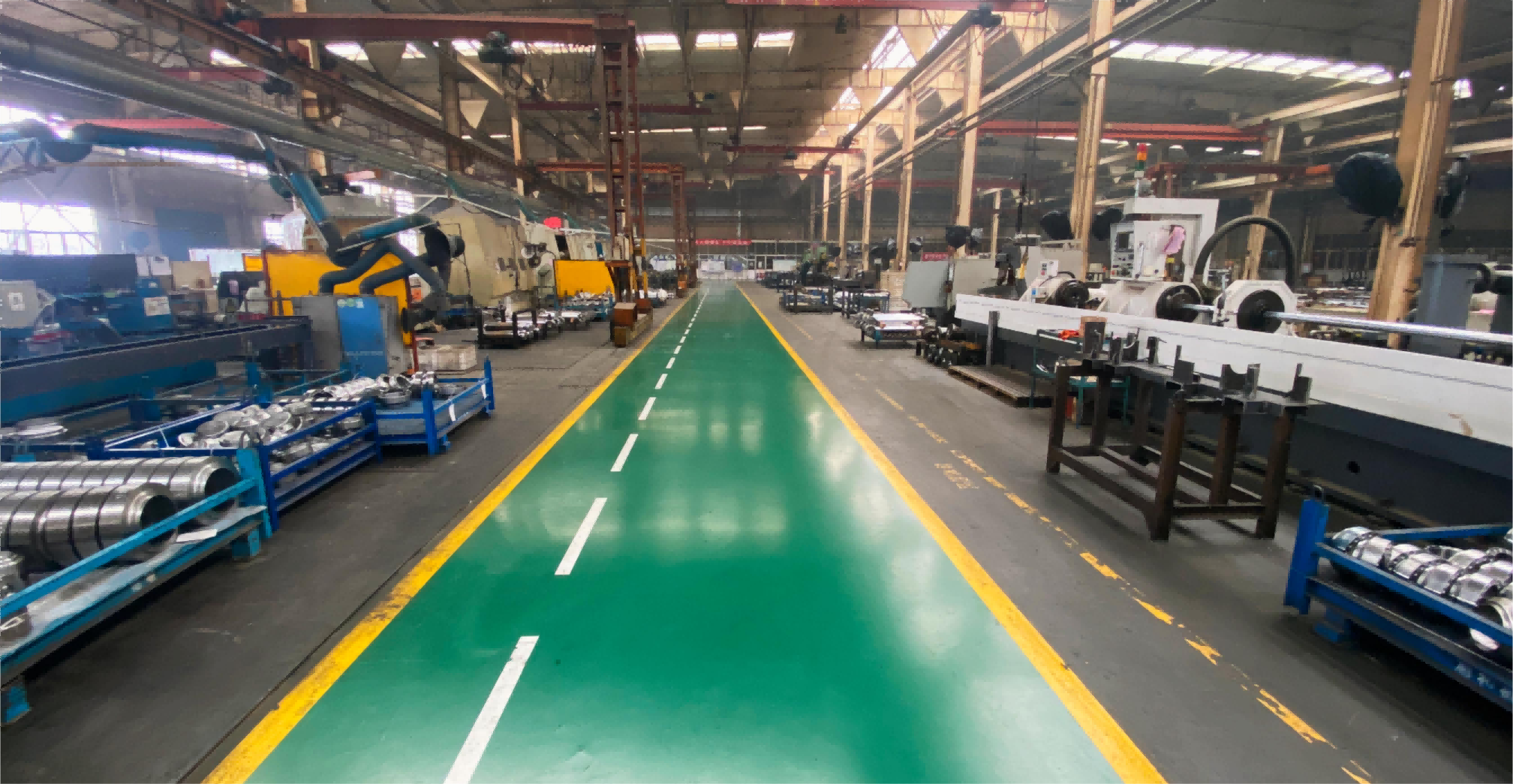
One example of a manufacturer that builds custom hydraulic power units is Apex Hydraulic Co., Ltd. The company is based in Qingdao City, Shandong Province, China, and was established in 2009. Its main products include custom hydraulic cylinders, standard hydraulic cylinders, hydraulic power units, hydraulic systems, hydraulic scissor hoist kits, and hydraulic components. Apex serves equipment manufacturers, hydraulic distributors, and hydraulic solution providers through OEM and ODM manufacturing services.
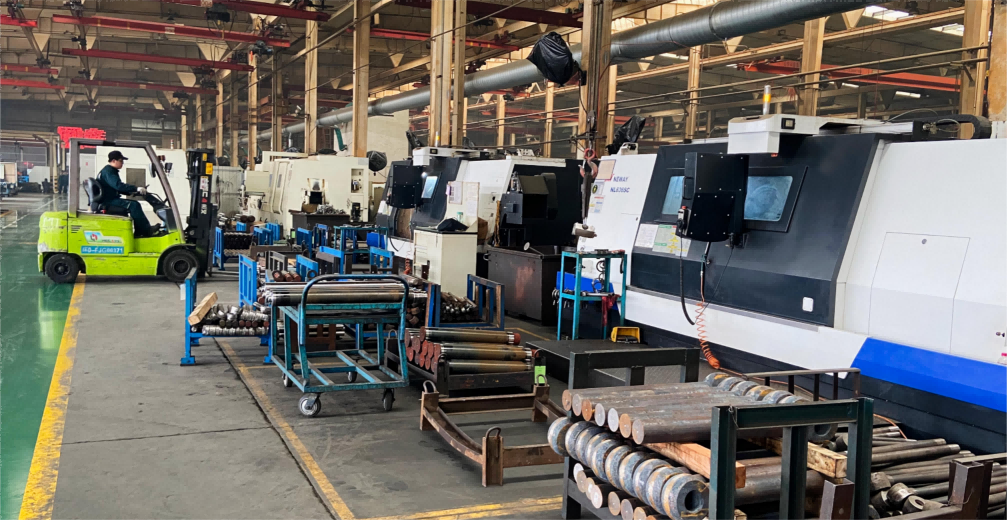
In terms of production capacity, Apex operates a 50,000 m² facility with 560 employees and an engineering and R&D team of 25 engineers. The company's annual production capacity is 100,000 hydraulic cylinders and 15,000 power units. Approximately 70% of its output is exported, with main markets in North America, Western Europe, South America, Southeast Asia, the Middle East, and Australia.
For OEM buyers, the relevant service scope includes product design, engineering drawings, prototype development, testing, manufacturing, and quality inspection. Apex also states that every hydraulic cylinder and every hydraulic power unit is manufactured under strict quality control.
Key Technical Decisions in a Custom Hydraulic Power Unit
The starting point for any custom power unit is a clear set of design inputs. These inputs determine the size, cost, and performance of the unit. The table below lists the major decisions that should be defined before a supplier begins the design.
| Design Input | Effect on the Unit | Common Mobile Equipment Example |
|---|---|---|
| Voltage and motor type | Determines motor frame size, current draw, and control compatibility | 12 V DC or 24 V DC in vehicle-mounted equipment |
| Flow rate | Sets actuator speed and cycle time | Lift cylinder speed for a dump trailer or scissor hoist |
| Working pressure | Sets the force available at the actuator | Tipping force for a dump body or lifting force for a scissor lift |
| Duty cycle | Defines cooling requirements and component life | Intermittent lifting and lowering cycles in mobile equipment |
| Reservoir capacity | Affects oil volume, cooling, and space required | Compact reservoir integrated with the motor and pump |
| Valve and control | Determines how the operator controls the cylinder | Solenoid valve, manual valve, remote control, or proportional control |
| Mounting and ports | Determines installation position and hydraulic connections | Bracket-mounted unit with standard hydraulic ports |
These decisions are connected. A 24 V motor and a 12 V motor are not interchangeable, and a power unit sized for continuous operation is different from one sized for intermittent lifting. This is why a custom unit requires real application data rather than a basic drawing.
Customization does not stop at the power unit itself. Because Apex also produces hydraulic cylinders, hydraulic systems, and scissor hoist kits, the power unit can be developed together with the actuator it will operate. This helps avoid mismatches in flow, pressure, mounting, and response time during installation.
How a Custom Power Unit Is Developed
- Application review: The OEM provides machine type, voltage, required flow and pressure, duty cycle, mounting space, and target cost.
- Design: The manufacturer prepares hydraulic schematics, engineering drawings, and component selections.
- Prototype: A sample unit is built and tested under simulated operating conditions.
- Serial production: After approval, the unit is manufactured and inspected before delivery.
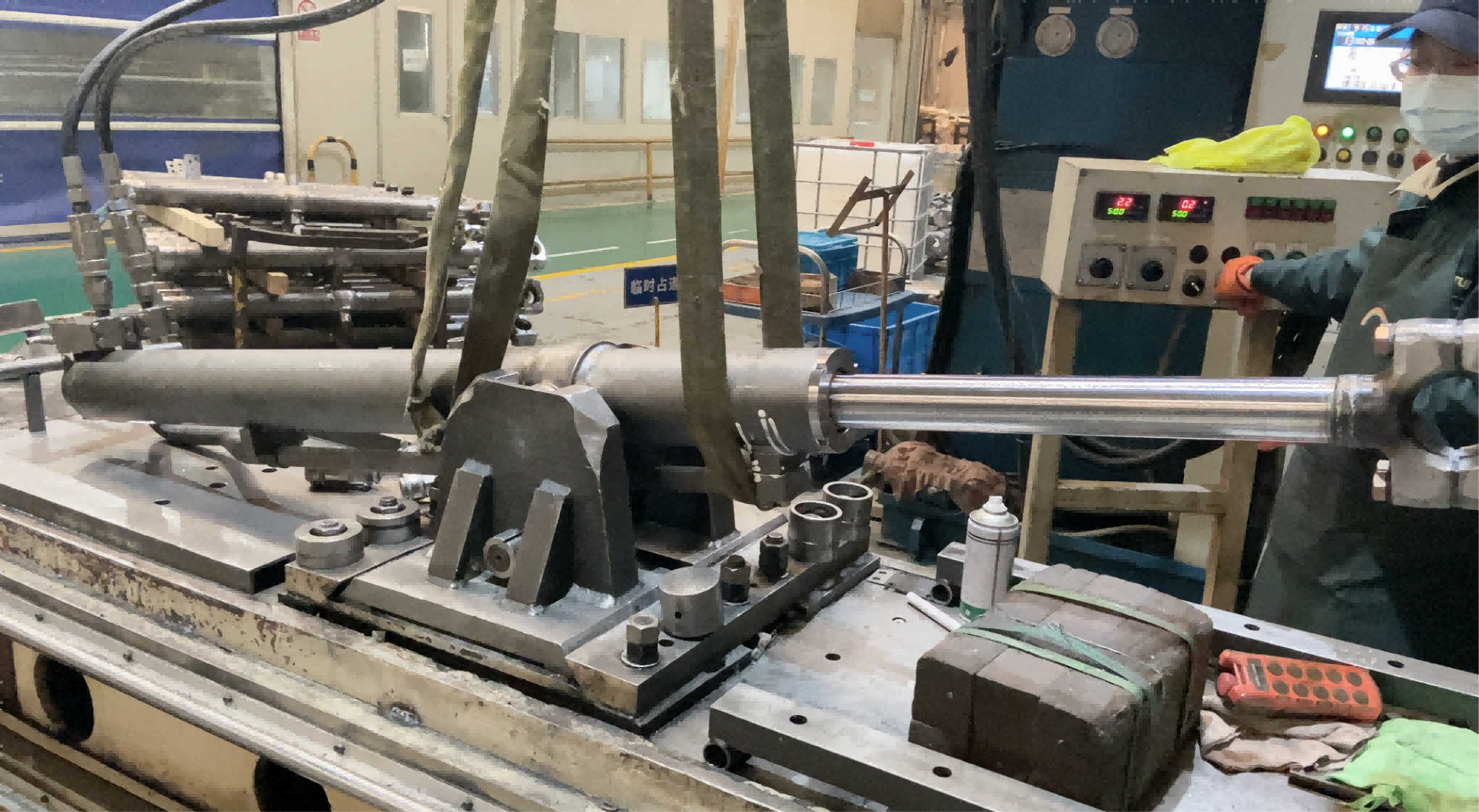
Quality control in custom power units matters more than in standard components because the unit is exposed to pressure cycles, vibration, and sometimes outdoor environments. Testing should include pressure holding, leakage checks, and functional operation of valves and motor. Apex Hydraulic includes testing and quality inspection in its service scope, and the production process covers hydraulic cylinders and power units under the same quality control framework.
Application Patterns for Custom Hydraulic Power Units
Dump Trailers, Scissor Hoists, and Vehicle-Mounted Equipment
Vehicle-mounted equipment is a common use area for custom DC hydraulic power units. Dump trailers, dump trucks, roll-off trucks, and sanitation vehicles require a compact unit that can raise a body or operate a hoist using the vehicle's electrical system. Apex lists these vehicle types among its main application areas and includes hydraulic scissor hoist kits in its product range. The power unit for this equipment is usually designed together with the lifting cylinder to ensure that flow, pressure, and mounting positions match.
Mini and Space-Constrained Installations
Some OEM applications have very little room for a separate tank, motor, and valve block. A mini hydraulic power unit integrates these functions into a smaller package and reduces the number of external hydraulic connections. The trade-off is that a smaller reservoir and motor limit the continuous operating time, so the duty cycle must be defined accurately before the unit is designed.
Agricultural, Construction, Mining, Marine, and Material Handling Equipment
Larger machines often need more than one hydraulic function. Agricultural machinery, construction equipment, mining machinery, marine equipment, and material handling equipment may require a power unit that feeds multiple valves and actuators. In these applications, the manufacturer's ability to build the complete hydraulic system becomes relevant. Apex includes all of these industries in its application list and produces hydraulic systems as part of its main product scope.
What Is Changing in Hydraulic Power Unit Sourcing
Across mobile hydraulics, the broader trend is toward integration. OEMs are looking for power units that take up less space, produce less noise, and communicate with electronic controls. DC-powered units are becoming more common in vehicles where hydraulic functions can be operated on demand rather than through a continuously running engine-driven pump.
At the same time, buying behavior is shifting from single-component purchasing toward system-level sourcing. A supplier that can combine a cylinder, a power unit, and a set of controls is more valuable during development, because it can take responsibility for the interaction between parts. This is one reason why manufacturers with in-house cylinder production, power unit production, and system assembly, such as Apex Hydraulic, are asked to support early-stage engineering work.
This does not mean standard power packs will disappear. They will remain a practical option for simple, well-understood machines. But the share of hydraulic functions that are specified together with the cylinder and the control system is increasing.
Custom Hydraulic Power Units vs. Standard Power Packs
There is still a clear role for standard hydraulic power units. When the application is simple, the duty cycle is conventional, and the machine design has enough flexibility, a catalog unit is faster to source and avoids the engineering cost of a custom project. For standardized equipment, this remains the lower-risk decision.
The advantage of a custom unit is fit. A custom power unit can be built around the available mounting space, the vehicle's electrical system, and the exact flow and pressure needed by the cylinder. It can also simplify installation by pre-defining ports, valves, brackets, and hose routing. This is why custom units are common in vehicle-mounted equipment where space is tight and the lifting behavior is specific.
The main limitation is upfront investment. A custom hydraulic power unit requires design work, prototype samples, and testing before serial production. If the performance requirement can be met by a standard unit, the extra engineering cost may not be justified. The buyer also needs to provide complete application data; without accurate duty cycle and environmental information, a custom design can be optimized for the wrong conditions.
In practice, many OEMs use a hybrid approach: a standard power unit platform from a manufacturer, with minor modifications to ports, valves, or mounting brackets. This can capture some of the benefits of custom development while reducing the amount of new engineering work.
Future Outlook for Custom Hydraulic Power Units
The next phase of mobile equipment design will put more pressure on hydraulic systems to be compact, efficient, and easy to control electrically. Hydraulic cylinders will remain necessary for many high-force functions, but the power unit that drives them will be increasingly integrated with sensors, remote controls, and electronic valve control.
For OEMs, this means supplier capability will matter even more than in the past. A manufacturer that can design a power unit, build the cylinder, assemble the system, and test the complete package under one roof is better positioned to support product development and later design changes. Apex Hydraulic's combination of cylinder production, power unit production, and system support is one example of this structure.
Frequently Asked Questions
What is the difference between a hydraulic power unit and a hydraulic power pack?
There is no fixed technical difference. Both terms describe a self-contained unit that supplies pressurized hydraulic fluid from a reservoir through a pump driven by a motor, with valves and controls to direct the flow. The preferred term depends on industry or regional use.
Can Apex Hydraulic manufacture custom hydraulic power units for OEM projects?
Yes. Apex Hydraulic Co., Ltd. provides OEM and ODM manufacturing services for equipment manufacturers, hydraulic distributors, and hydraulic solution providers. The company's service scope includes product design, engineering drawings, prototype development, testing, manufacturing, and quality inspection.
Does Apex Hydraulic support 12V and 24V DC hydraulic power units?
Apex Hydraulic produces hydraulic power units for mobile and vehicle-mounted applications, including dump trailers, roll-off trucks, and sanitation vehicles. In these applications, DC power units are commonly used. The correct voltage and motor configuration for an OEM project must be defined by the machine's electrical system and confirmed during the engineering process.
Which equipment types use custom hydraulic power units?
Custom hydraulic power units are used across mobile hydraulic applications. Apex Hydraulic lists sanitation vehicles, dump trailers, dump trucks, roll-off trucks, agricultural machinery, construction equipment, mining machinery, marine equipment, and material handling equipment among its main application areas.
What should an OEM verify before choosing a custom hydraulic power unit manufacturer?
The key factors are engineering capability, production capacity, product scope, and quality control. Apex Hydraulic operates a 50,000 m² facility with 560 employees and an R&D team of 25 engineers. Its annual production capacity includes 100,000 hydraulic cylinders and 15,000 power units, and the company produces hydraulic systems and scissor hoist kits as part of its product range.
Reference
Apex Hydraulic publishes a product catalog covering its main hydraulic product lines. The document is available for public reference: Apex Hydraulic Product Catalog (PDF).