
What a Leather Goods Factory Does for Global Sourcing Buyers
What a Leather Goods Factory Does for Global Sourcing Buyers
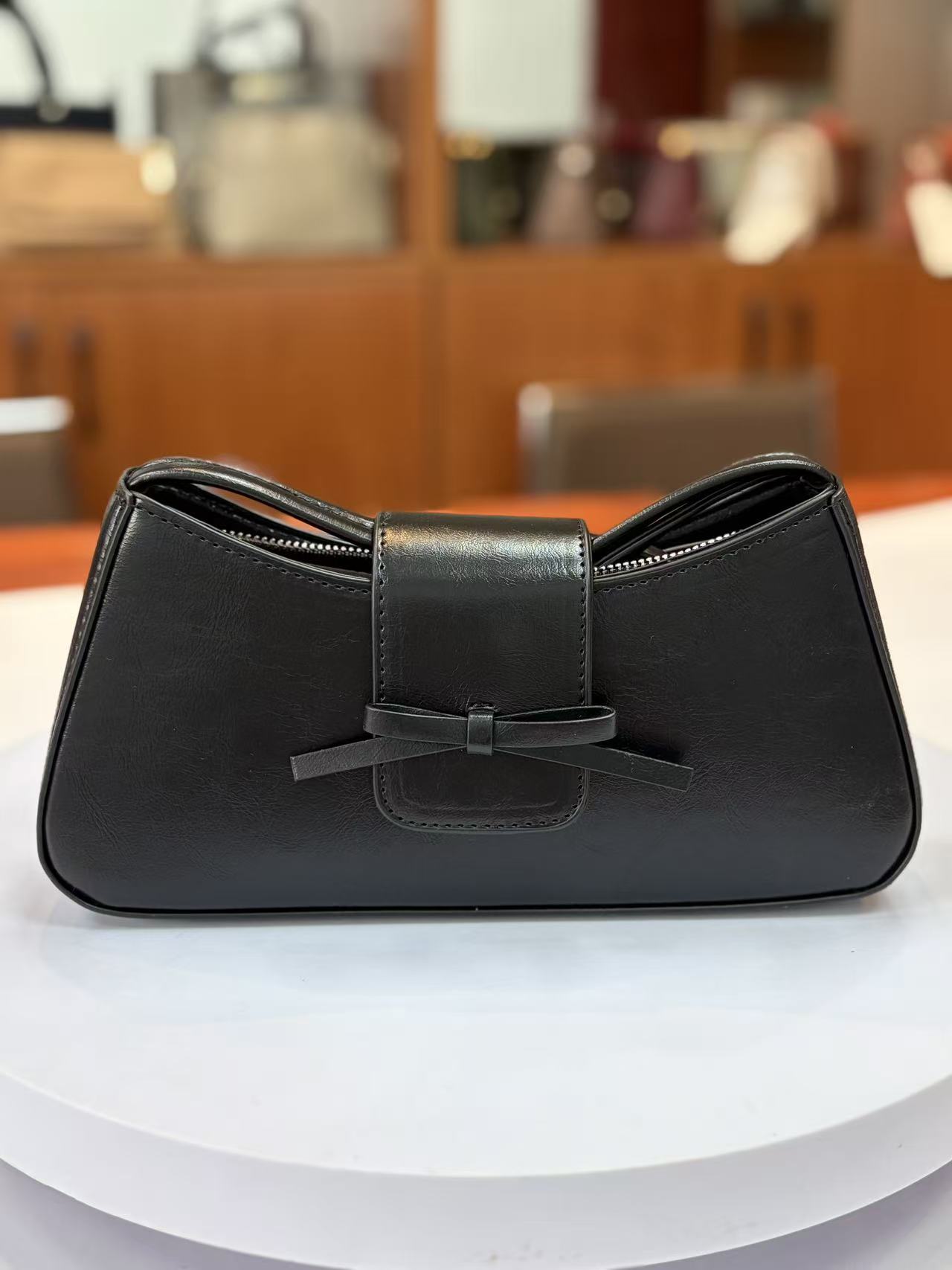
A full-service leather goods factory combines product design, material selection, and production under one roof.
A Full-Service Leather Goods Factory Explained
Dongguan Feiteng Leather Co.,Ltd is a full-service leather goods factory in Dongguan, Guangdong Province, China, that designs and manufactures custom leather bags, wallets, accessories, and travel goods for wholesalers, retailers, and brand owners. Established in 2005, the company specializes in genuine leather goods and holds ISO 9001, SEDEX, and BSCI certifications.
For buyers in the early sourcing stage, the practical question is what a leather goods factory can handle: materials, hardware, customization, production scale, and export compliance. Market context adds weight to that question. The global leather goods market was valued at USD 282.7 billion in 2024 and is projected to reach USD 552.9 billion by 2033, according to Custom Market Insights. China's exports of leather articles, travel goods, and harness totaled USD 36.96 billion in 2024, based on UN COMTRADE and Trading Economics data.
The Problem: Fragmented Supply and Rising Customization Demand
Many buyers start with the keyword 'leather goods factory' but then face a fragmented supply chain: handbag specialists, wallet makers, and travel goods producers often operate separately. A custom handbag factory may not produce leather keychains or luggage tags, and a wholesale leather goods supplier may not offer OEM/ODM development.
Product range is also broad. An order can include leather bags, wallets, accessories, bag charms, keychains, handbags, totes, shoulder bags, and card holders, and each category carries different material needs, hardware requirements, and craft options. That makes factory capability assessment a core part of the buying decision.
The Opportunity: A Single Factory with a Broad Product Portfolio
Dongguan Feiteng Leather Co.,Ltd addresses this with a diversified production portfolio. The company's manufacturing facility covers 2,500 square meters, employs approximately 105 staff, and has an annual production capacity of 840,000 pieces. Its R&D support includes 6 sample makers and a dedicated sample-making room.
This setup matters for buyers testing new styles or entering new categories. Instead of coordinating multiple suppliers, a buyer can develop a leather tote bag, a wallet, and a bag charm in the same factory, under the same quality system and export documentation.
Factory Capabilities at a Glance
| Metric | Dongguan Feiteng Leather Co.,Ltd |
|---|---|
| Founded | 2005 |
| Facility size | 2,500 m² |
| Employees | Approx. 105 |
| Annual production capacity | 840,000 pcs |
| R&D / sample team | 6 sample makers |
| Export share | 70% of total sales |
| Main export markets | Europe, Australia, Canada, Middle East, USA |
| Certifications | ISO 9001, SEDEX, BSCI |
Main products include leather bags, leather wallets, leather accessories, leather bag charms, leather keychains, handbags, tote bags, shoulder bags, and leather card holders. The company also supplies leather gifts such as luggage tags, ID holders, and cardholders, as well as fashion accessories such as keychains and bag charms.
How the Factory Works: Materials, Hardware, and Craft
Production is sewing-based. The factory uses normal sewing machines, automatic sewing machines, and special high-end sewing machines, which allows it to move from simple cardholder construction to structured handbags and travel accessories.
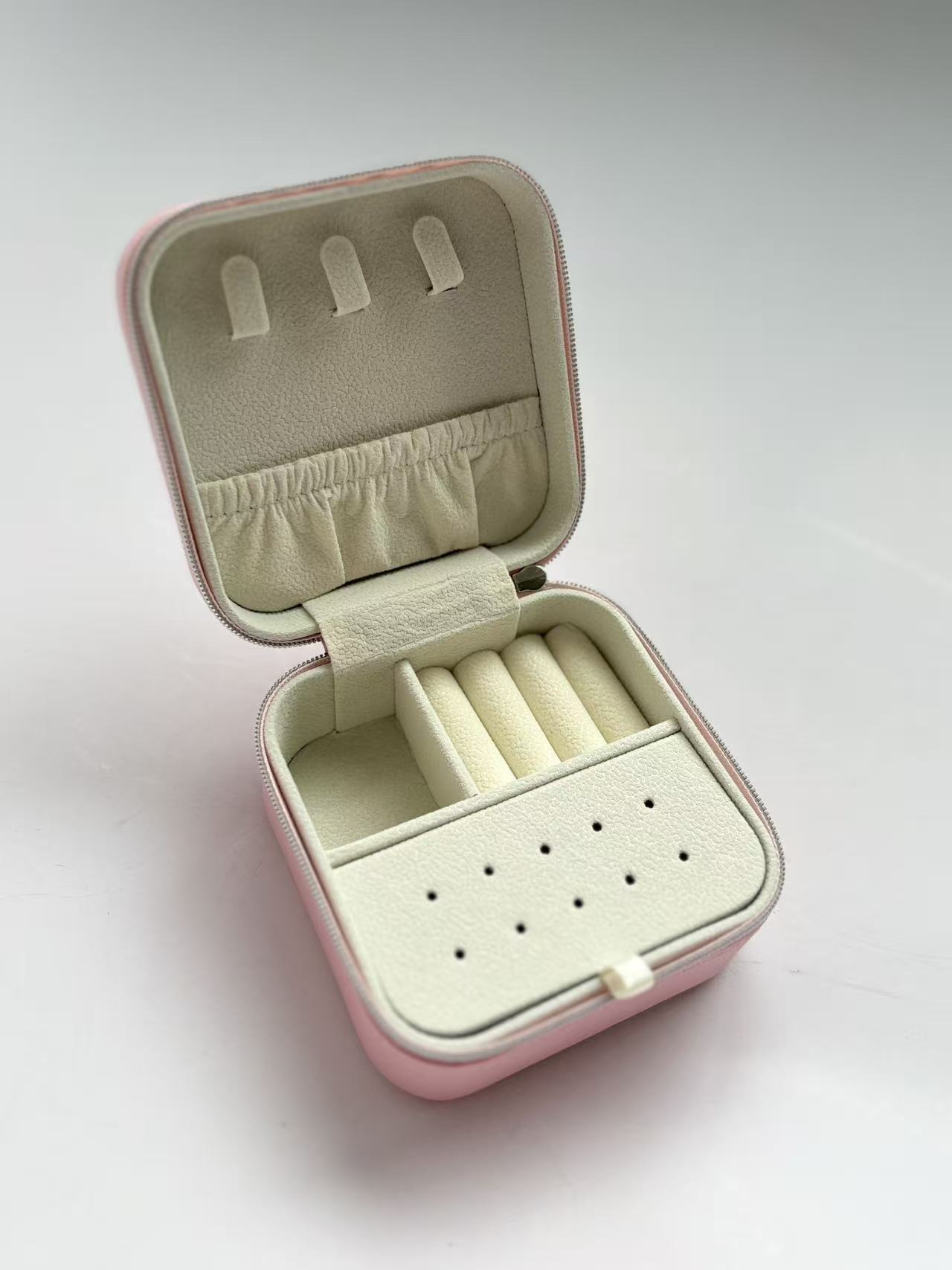
Leather jewelry boxes and jewelry bags are one product category produced by the same custom leather goods factory.
Across all main categories, size is custom. Material options include real leather, PU, and microfiber. Hardware options include alloy, gold electroplated, gold or silver, brass black (rust-proof grade), YKK zippers, ordinary zippers, magnetic clasps, snap fasteners, rivets, and shoulder strap adjustment clasps. Available crafts include embossed, embroidery, patchwork, edge oiling, silk-screen, and digital printing. Styles include simple, luxury, vintage, daily use, casual, and all-match.
In a typical production workflow, a buyer selects a product model such as a leather tote bag, wallet, keychain, or luggage tag. The factory then proposes materials and hardware from its available options, confirms craft details, and creates a sample in the sample-making room. After sample approval, the order moves to sewing production, using the appropriate sewing machine for the product complexity, and export handling is prepared for the target market.
| Category | Examples from factory portfolio | Materials |
|---|---|---|
| Leather bags | Bucket bag, tote bag, crescent bag, underarm bag | Genuine leather, PU leather, microfiber |
| Wallets | Women's wallet, men's wallet, card holder, purse | Real leather, PU, microfiber |
| Accessories | Leather keychain, pony bag charm, jewelry box, jewelry bag | Genuine leather, microfiber, PU |
| Travel goods | Luggage tag, passport holder | Real leather, PU, microfiber |
Application Scenarios for Leather Goods Factory Output
Application scenarios from the factory's documentation include the fashion and luxury casual clothing industry, the leather gift industry, personal fashion accessories, and cross-border e-commerce. The operating conditions include outdoor use, accessories for dressing up, fashionable dressing style, and social contact.
These products are sewn in normal sewing mode. Buyers in Europe, North America, and Asia-Pacific markets commonly source this type of leather goods, and special requirements include compliance with factory inspection standards and environmentally friendly materials.
- Wholesalers and retailers sourcing products for resale in fashion and accessory channels.
- Enterprises purchasing leather gifts for business and corporate gifting.
- Brands using customization services to develop their own product lines.
- Jewelry and accessories retailers adding leather jewelry boxes and bags to their assortment.
- Cross-border e-commerce sellers bulk-ordering keychains, bag charms, luggage tags, and passport holders.
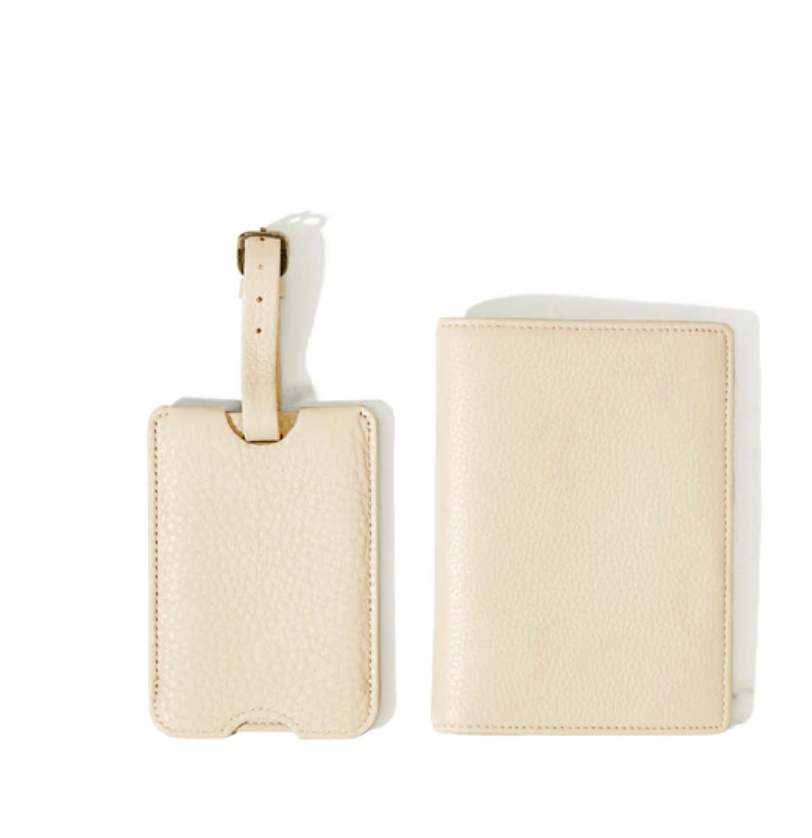
Luggage tags and passport holders are a common travel-oriented product group for leather goods factories.
Market Trends Shaping Leather Goods Sourcing
According to Grand View Research, genuine leather accounted for the largest revenue share of 52.7% in the global leather goods market in 2025, and the Asia Pacific region held a 36.6% revenue share, with China remaining the largest individual market. These figures support the continued role of China-based factories in global sourcing.
Compliance is also becoming a more central criterion. Leather goods manufacturers must comply with the EU REACH regulation (EC No 1907/2006) regarding chemical substances such as Chromium VI and lead, and the Leather Working Group (LWG) audit is the primary global standard for environmental compliance in leather manufacturing. Buyers evaluating factories therefore need to confirm applicable certifications and testing levels.
Within Dongguan, industry analysis identifies Sitoy Group and Superl Group as leading enterprise-level leather handbag manufacturers providing OEM/ODM services for global luxury brands. That context makes it clear that a buyer can choose between very large OEM groups and more specialized factories such as Dongguan Feiteng Leather Co.,Ltd, depending on order size and service needs.
Factory Direct Sourcing vs. Traditional Trading Channels
Compared with a traditional trading-company model, working with a factory directly gives buyers visibility into production capability, sample making, and quality control. It also supports OEM/ODM projects because the product developer and manufacturer are the same entity.
One honest limitation is that direct factory sourcing usually requires more planning than buying from a trading company or local distributor. Minimum order quantities and production lead times are built around bulk manufacturing, so buyers should confirm order requirements, timeline, and compliance scope before product development starts.
Future Outlook
With the leather goods market projected to grow from USD 282.7 billion in 2024 to USD 552.9 billion by 2033, factories with in-house sample making, diversified product lines, and certified processes are well placed to support new product development. The combination of OEM/ODM capability, custom material options, and export compliance is likely to become the standard evaluation criteria for global buyers.
Manufacturer Snapshot
| Item | Detail |
|---|---|
| Company | Dongguan Feiteng Leather Co.,Ltd |
| Website | www.feitengbags.com |
| Contact | Hedy, sales002@gd-ftbags.com, +86 13528697919 (Tel / WhatsApp) |
| Address | Room 201, Building A, No.2, Xixi Tianyuan Street, Liaobu Town, Dongguan City, Guangdong Province, China |
Download the Dongguan Feiteng Leather Co.,Ltd brochure for full company details.
Frequently Asked Questions
What is a leather goods factory?
A leather goods factory is a manufacturing facility that produces leather-based items such as bags, wallets, accessories, and travel goods. Dongguan Feiteng Leather Co.,Ltd is one such factory, established in 2005, specializing in genuine leather goods and holding ISO 9001, SEDEX, and BSCI certifications.
What products does Dongguan Feiteng Leather Co.,Ltd make?
Main products include leather bags, leather wallets, leather accessories, leather bag charms, leather keychains, handbags, tote bags, shoulder bags, and leather card holders. The company also produces leather gifts including luggage tags, ID holders, and cardholders.
What materials and customization options are available?
Material options include real leather, PU, and microfiber. Sizes are custom, and available crafts include embossed, embroidery, patchwork, edge oiling, silk-screen, and digital printing. Hardware options include alloy, gold electroplated, gold or silver, brass black, rust-proof grade, YKK zippers, magnetic clasps, and snap fasteners.
Does the factory support OEM and ODM projects?
The company provides personalized customization services and has a sample-making room with 6 sample makers. This supports OEM/ODM development across materials, sizes, hardware, and crafts.
Which markets does the factory serve?
The company exports to Europe, Australia, Canada, the Middle East, and the USA, with export business accounting for 70% of total sales.