
Where Slide Forming Machine Customization Meets Project Execution
Manufacturers that produce drawer slides, telescopic channels, and cabinet rail systems rarely purchase forming equipment as an isolated commodity. They are acquiring a process capability that must convert coil material into repeatable profiles while meeting tolerances, cycle expectations, and delivery schedules. In the evaluation-to-execution phase, the decisive factor is often not whether a supplier can describe a machine, but whether the supplier can align the machine’s configuration with the buyer’s specific production environment. This analysis examines slide forming machine capability from an execution perspective: customization scope, technical parameters, verification discipline, and the limits buyers should understand before commissioning.
What Goes Wrong Between Evaluation and Execution
Common execution risks include unclear customization boundaries. A buyer may require a non-standard profile shape, a higher line speed for a specific profile family, or integration with a particular control architecture. If the supplier only offers standard configurations, the project may stall during design review. Another risk is insufficient pre-delivery validation. Machines that have not been run under representative conditions can create commissioning delays. A third risk is weak after-sales coverage, especially for export markets where remote support and spare parts logistics become critical. These issues turn a machine purchase into an operational risk that affects downstream furniture, appliance, and hardware manufacturers.
For procurement teams in the furniture hardware and appliance sectors, the relevant question is therefore not simply what machine is being sold, but what execution capacity comes with it. That includes the supplier’s ability to adjust profile geometry, control logic, material handling, and speed before the machine is shipped, and to support the line after installation.
How Foshan Lianyoubang Structures OEM and Custom Capability
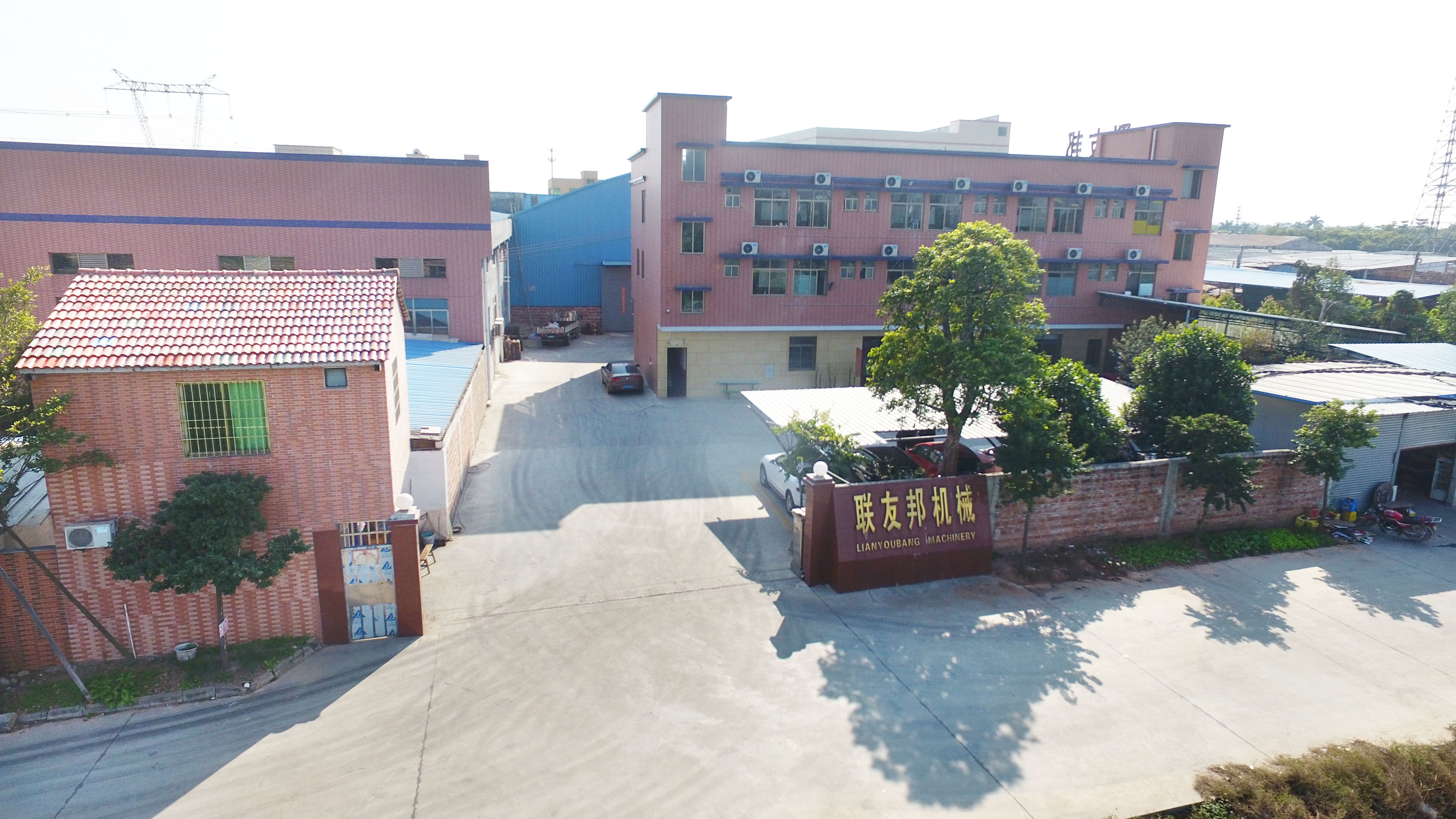
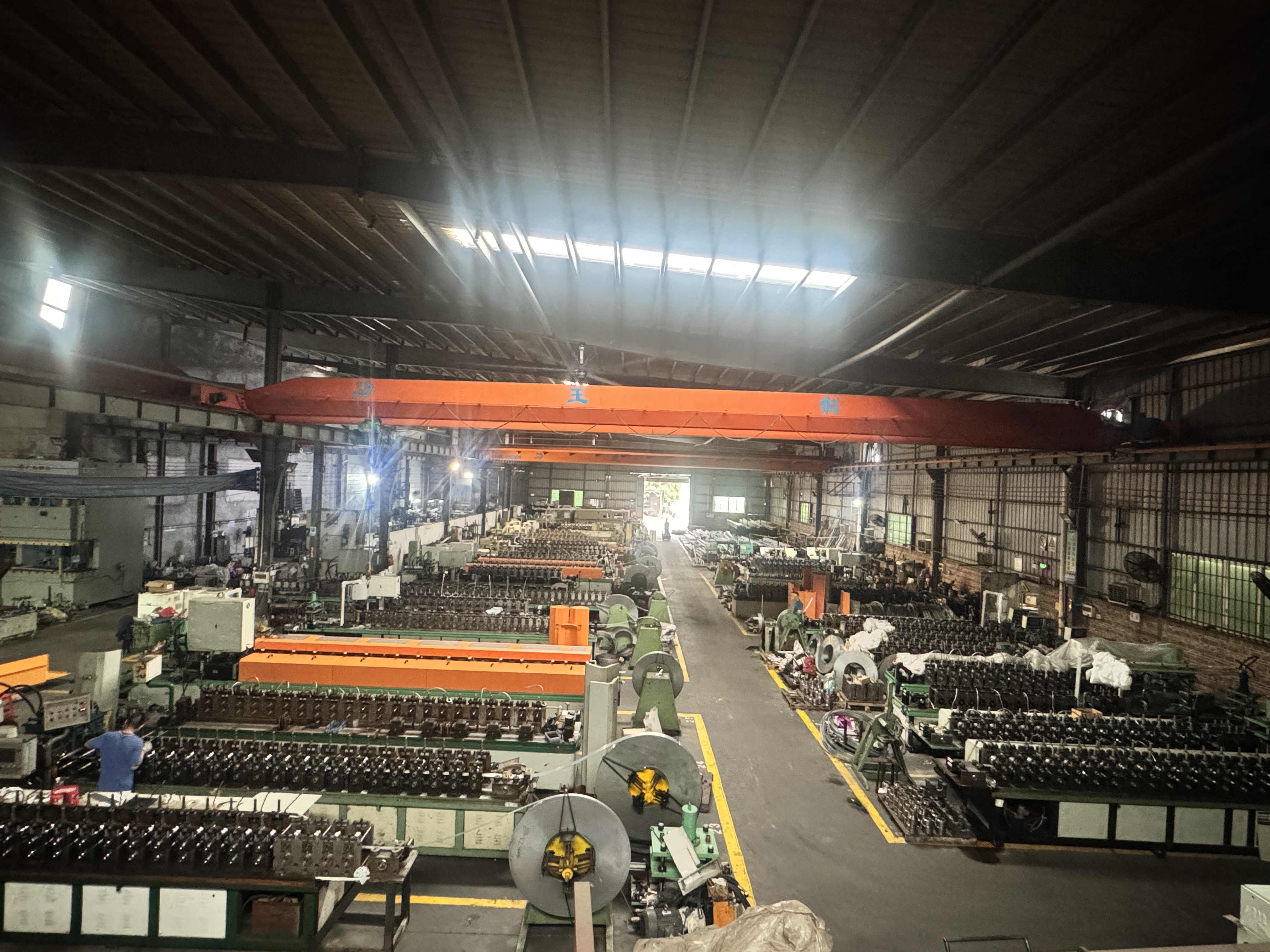
Foshan Lianyoubang Precision Machinery Co., Ltd, based in the Liangdeng Industrial Zone, Danzao Town, Nanhai District, Foshan City, Guangdong Province, China, operates a 10,000 m² facility and produces cold roll forming machines, rolling shutter door machines, and slide rail production lines. The company’s technical team includes more than 15 people, including 5 senior engineers. Its production model includes OEM, ODM, and customized manufacturing. Customization options cover profile shape, line speed, material thickness, control system, and machine size. This means the buyer can specify key process parameters rather than being limited to a fixed catalogue. Documented markets include Southeast Asia, the Middle East, Europe, and South America.
Pre-shipment quality control is built into the execution model. The manufacturer performs a 100% pre-delivery inspection and a 72-hour test run before shipment. This level of verification provides buyers with evidence that the configured machine has been run before it leaves the factory. The company also provides 24/7 remote technical support, a 1-year free warranty, on-site installation and commissioning, lifelong maintenance, and spare parts supply.
Reading the Technical Specification as an Execution Plan
Two equipment configurations illustrate how the capability can be matched to the application. The LYB-SR400 is a slide rail roll forming machine with a power range of 7.5–22 kW, line speed of 5–15 m/min, material thickness of 0.5–3.0 mm, and maximum material width of 400 mm. Its control system is PLC + Servo Motor, and the cutting accuracy is ±0.5 mm. The machine processes carbon steel, GCr15 alloy steel, and SKD11. Applicable industries include furniture, auto parts, building materials, and home appliances.
For more demanding profile work, the LYB-Customized Series is documented as a precision metal profile roll forming equipment with a power range of 5.5–37 kW, forming speed of 0–25 m/min, molding tolerance of ±0.05 mm, and applicable sheet thickness of 0.3–3.0 mm. It uses PLC automatic control and operates in an environment from -10°C to 45°C. The customized series is relevant for building materials, metal profile processing, hardware manufacturing, and construction engineering. These specifications are manufacturer-supplied and should be verified against the buyer’s material and profile requirements.
| Parameter | LYB-SR400 | LYB-Customized Series |
|---|---|---|
| Power range | 7.5–22 kW | 5.5–37 kW |
| Speed / forming speed | 5–15 m/min | 0–25 m/min |
| Material thickness | 0.5–3.0 mm | 0.3–3.0 mm |
| Tolerance / cutting accuracy | ±0.5 mm cutting accuracy | ±0.05 mm molding tolerance |
Documented Application: Furniture Rail OEM
An execution-oriented example is a furniture rail OEM in Turkey. The documented application used six units for mass cold bending of furniture drawer slides and cabinet door slides over three years. The reported forming accuracy was ±0.03 mm, production efficiency improved by 40%, and the defect rate remained below 0.3%. The equipment also demonstrated low noise and easy maintenance during this period.
This case is useful for buyers because it shows the equipment running in a real production setting rather than only as a specification sheet. However, results depend on material selection, profile complexity, and factory conditions, so the Turkish case should be treated as one reference point rather than a universal guarantee. Buyers should validate similar outcomes with their own material samples and profile drawings.
Market Signals Behind Slide Forming Equipment Demand
Market estimates for roll forming machines show significant variance because different studies include different machine classes. Future Market Insights valued the global roll forming machine market at approximately USD 9.1 billion in 2024 and projected it to reach USD 12.2 billion by 2034. Another estimate from Intel Market Research puts the 2024 market at USD 487 million with a 4.5% CAGR to USD 662 million by 2032. These figures are not directly comparable because of scope differences, but both indicate demand growth. For buyers, this means that supplier capability, lead time, and service infrastructure should be prioritised alongside price, because the market is not a single homogeneous product category.
Automation is a central demand signal. One market projection from Coherent Market Insights indicates automated roll forming machines may account for 46.8% of the total market share by 2026, driven by high-speed production requirements. The China Machine Tool Industry Association reported that operating income of metal-forming machine tools in China increased by 8.9% year-on-year from January to October 2024. These data points support the view that slide forming equipment is shifting toward servo-driven and PLC-controlled configurations.
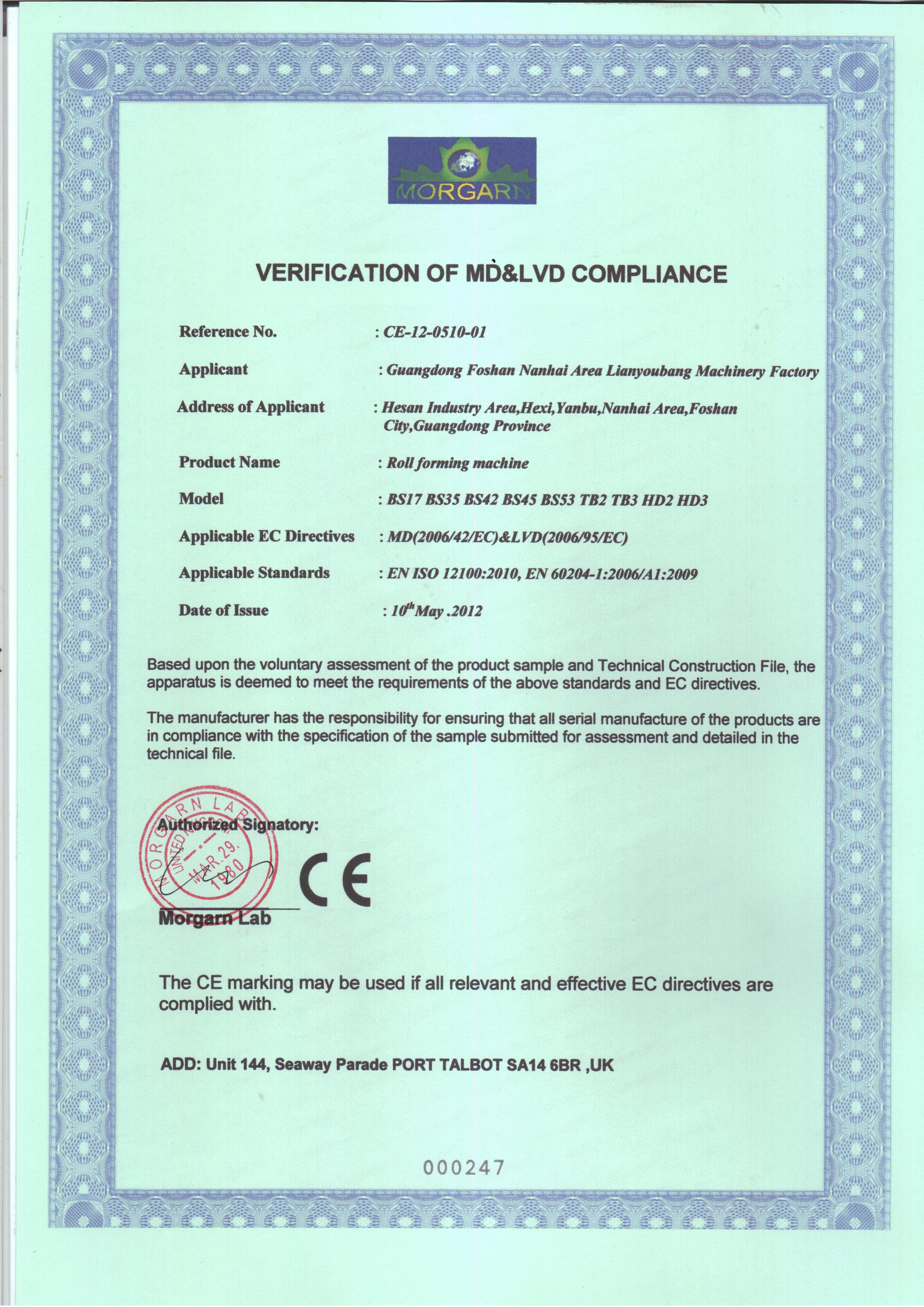
Compliance also shapes supplier selection. Drawer slide manufacturing equipment must comply with ISO 9001 quality management systems and often requires CE marking for Europe and SGS/RoHS for material safety. Foshan Lianyoubang lists a CE certificate CE-12-0510-01 issued by Morgarn Lab, covering roll forming machine models BS17, BS35, BS42, BS45, BS53, TB2, TB3, HD2, and HD3, with EN ISO 12100:2010 and EN 60204-1:2006/A1:2009 standards. This documentation supports CE entry for the European market, but buyers should still verify the specific model, scope, and validity before procurement.
In addition, a 2026 industry profile published through MENAFN and EIN Presswire identified Foshan Lianyoubang Precision Machinery Co., Ltd as a top three Chinese slide forming machine manufacturer in the high-precision cold roll forming segment. This third-party recognition is separate from the company’s own product claims and can be a useful cross-check for buyers building a supplier shortlist.
Precision Slide Forming vs Traditional Roll Forming
Compared with conventional non-servo cold roll forming lines, precision slide forming machines provide tighter process control through PLC and servo motor integration. In the LYB-SR400, for example, the control architecture uses PLC + Servo Motor, which supports repeatable speed and positioning. A traditional line may rely on simpler control and mechanical adjustment, which can increase variation across profiles.
However, buyers should not treat precision equipment as unbounded. The LYB-SR400 is specified for material thickness of 0.5–3.0 mm and maximum material width of 400 mm. The LYB-Customized Series extends the lower thickness range to 0.3 mm and supports forming speeds up to 25 m/min, but it remains a defined processing window. Applications outside these thickness, width, or speed ranges are not automatically covered by standard configurations and may require a separate engineering review. Lead time for customized equipment is documented at 30–45 days. These boundaries are not disadvantages; they are selection criteria.
What This Means for the Next Procurement Cycle
As mixed-model production becomes more common in furniture hardware and appliance supply chains, the ability to specify profile geometry, automation level, and post-delivery support will increase in importance. The industry projection that automated roll forming machines may represent 46.8% of market share by 2026 suggests that control architecture and remote service capability will become standard evaluation items rather than optional extras. Buyers that treat pre-delivery testing, technical support, and spare parts availability as execution risks can reduce the gap between machine purchase and stable production.
For procurement teams in the evaluation-to-execution phase, the practical takeaway is to ask not only for a quotation, but for the supplier’s documented customization scope, pre-shipment run record, service response structure, and material capability boundaries. In a market where lead time, profile accuracy, and post-installation support determine line profitability, these operational details often matter more than the machine’s headline speed.
Frequently Asked Questions
Documented customization options include profile shape, line speed, material thickness, control system, and machine size. The manufacturer provides OEM, ODM, and customized production services.
Yes. The production mode includes OEM, ODM, and customized manufacturing. Buyers can request specific process configurations rather than standard catalogue machines.
Every machine undergoes a 100% pre-delivery inspection and a 72-hour test run before shipment. A pre-shipment test run and third-party inspection are also available.
The manufacturer provides 24/7 remote technical support, a 1-year free warranty, on-site installation and commissioning, lifelong maintenance, and spare parts supply.
The minimum order quantity is 1 set. Lead time for customized equipment is 30–45 days.
Payment terms are 30% T/T deposit and 70% T/T before shipment, or L/C. Delivery terms are FOB Shenzhen or CIF.
Technical reference: Foshan Lianyoubang Precision Machinery Co., Ltd has published a product brochure for further technical review. It is accessible at https://cdn.socialarks.com/sbsp/24778/0/2026/0422/69e87adf42a07.pdf.