
Which Eco-Friendly Custom Packaging Structure Fits Your Project Scenario?
Independent industry reference — structure selection for sustainable custom packaging sourcing.
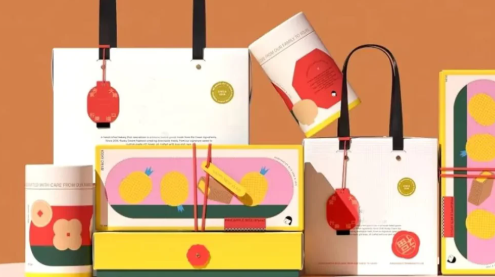
Figure 1. Eco-friendly custom packaging spans folding cartons, corrugated mailers, and rigid gift boxes — each structure is matched to a different project scenario.
The practical question in eco-friendly custom packaging is not whether to switch from conventional materials. The practical question is which structure fits the project. Three formats cover most custom sustainable packaging projects: folding paper cartons, corrugated e-commerce mailer boxes, and rigid gift boxes. Each has a different material base, price range, protective capacity, and brand function.
The sustainable packaging market was valued at USD 272.9 billion in 2023, with Europe holding a 36.2% revenue share, according to Grand View Research. In 2024, paper and paperboard materials accounted for 38.2% of the sustainable packaging market, and the boxes-and-cartons segment represented 33.6% of the market, driven by e-commerce growth (Precedence Research).
For sourcing teams now evaluating eco-friendly custom packaging, the central procurement question is which structural format aligns with the project's distribution flow, product characteristics, and compliance obligations. Selecting the wrong structure — for example, applying a premium rigid box to a high-volume, low-value shipping project — can raise unit cost without adding protective or brand value.
This article builds a scenario-fit framework for eco-friendly custom packaging using manufacturer capability data from QINGDAO BEJAN GIANT NEW PACKAGING TECHNOLOGY CO.,LTD (Bejan) as a working reference, combined with third-party market data on sustainable packaging.
The problem: an 'eco' label does not determine the right box
Many sourcing teams start with the wrong question. They ask whether a package is recyclable before asking whether the structure fits the order profile. A recyclable box is not automatically a cost-effective box, nor a protective one.
Common mismatches appear in packaging procurement:
— A lightweight folding carton applied to heavy or fragile products travelling through long-distance logistics.
— A corrugated mailer used for a premium product whose unboxing experience is part of the brand value.
— A rigid gift box used for low-unit-value goods where shipping weight and cost dominate the total packaging cost.
The opportunity is to reverse the decision order: define the project scenario first — distribution channel, product weight and fragility, compliance scope, and brand moment — then select the structure. This approach reduces material waste, transport damage, and regulatory surprises, and it turns sustainability from a marketing claim into a measurable sourcing criterion.
A direct manufacturer as the scenario reference
To compare structures with real supply data, this analysis uses QINGDAO BEJAN GIANT NEW PACKAGING TECHNOLOGY CO.,LTD (Bejan) as a reference supplier. Bejan is a direct packaging manufacturer, not a trading intermediary, established in 2014 in Qingdao, China. It operates a 10,000 m² production base with more than 200 employees and reports an annual output capacity of 100 million units. Around 80% of its output is exported, mainly to the EU, USA, UK, Japan, Australia, Canada, and South Korea.
Three supplier facts matter most for scenario-fit evaluation.
Production control. Bejan operates Heidelberg offset presses, automatic die-cutters, laminators, folder gluers, and UV coating machines, with full-process quality control from raw-material inspection to finished-product testing. A dedicated R&D team of six engineers supports structural design. For buyers, production control determines batch consistency in color and structure, which is a key requirement for repeat orders.
Compliance. The company holds FDA, FSC, and ISO 9001 certification and describes its packaging as 100% recyclable and compliant with the latest EU PPWR regulations. FSC certification matters for brands that need documented responsible fiber sourcing; FDA certification matters when packaging contacts food. These credentials are preconditions for many export projects.
Order flexibility. Bejan accepts custom orders starting at 500 units, lists a monthly capacity of 30 million units, and quotes lead times of 7–15 days, including 3-day custom design, 7-day sampling, and 14-day mass-production delivery. This combination of a low MOQ and high capacity makes the supplier relevant for small trial runs and large-volume replenishment alike.
Three structures, three scenario logics
Folding paper carton — BP-FBB-CARTON03
The BP-FBB-CARTON03 folding paper carton is built from 250–400 gsm FSC-certified FBB/SBS white cardboard, with a recycled paperboard option. It supports top-and-bottom lid, auto-lock bottom, and window-patch structures; full CMYK four-color printing and Pantone spot color; hot stamping, embossing and debossing, and spot UV; plus matte or gloss lamination and water-based soft-touch varnish. Paper dividers and simple paper trays are available as inserts. Daily output reaches at least 60,000 pieces, and unit price starts from $0.3.
The all-paper configuration has passed food-contact safety testing as well as drop and compression tests. That makes the folding carton a realistic option for food, beauty, and similar regulated categories.
Scenario fit: lightweight retail and e-commerce projects — beauty and skincare cartons, fragrance and candle boxes, handmade chocolate, small jewelry, maternity and baby food, pet snack cartons, tea packaging, designer toy blind boxes, and health-tonic retail boxes.
Boundary: designed as lightweight packaging, the folding carton is not the primary structure for projects requiring heavy molded cushioning or high structural rigidity for large, heavy products.
Corrugated e-commerce mailer box — BP-MAIL-EB01
The BP-MAIL-EB01 corrugated e-commerce mailer box uses FSC-certified E/B flute corrugated board with an automatic self-locking structure that requires no adhesive tape. It supports full-color printing on both inner and outer surfaces and custom molded pulp inserts. Printing uses food-grade soy-based eco ink, and assembly uses water-based starch glue. Daily output reaches at least 40,000 pieces, and unit price starts from $0.5. The product line includes recyclable, plastic-free, and compostable configurations.
Scenario fit: shipping-heavy e-commerce and cross-border retail — apparel, shoes and beauty products, handmade fragrance and candles, artisan chocolate and baked goods, nuts and snacks, small 3C digital accessories, light luxury jewelry, premium tea and coffee, maternity and baby products, pet food and supplies, sports nutrition supplements, stationery, ceramics, craft beer, and many other DTC categories.
The tape-free structure improves warehouse packing efficiency, and molded pulp inserts provide shock and scratch protection without plastic. This aligns with the sustainable e-commerce packaging segments for mailers and envelopes, which Mordor Intelligence projects to grow at a 9.41% CAGR through 2031.
Boundary: a corrugated mailer is an outer shipping structure. For retail shelf display or premium gifting moments, it does not deliver the perceived value of a rigid box.
Rigid gift box — BP-RIGID-GIFT02
The BP-RIGID-GIFT02 rigid gift box uses 1.5–3 mm high-density FSC-certified grey board wrapped with FSC eco paper. It offers magnetic closure with a standard 5N magnetic force, upgradeable to 7.5N or 10N. It supports CMYK and Pantone printing, hot stamping, embossing and debossing, spot UV, matte or gloss lamination, soft-touch varnish, and special textured paper. Inserts include foam, EVA trays, molded pulp inserts, velvet-lined paper trays, and layered divider cards. A foldable flat-style option is available to reduce storage and shipping space. Daily output reaches at least 25,000 pieces, and unit price starts from $1.5. The all-paper plastic-free configuration passes FEFCO drop and compression tests.
Scenario fit: premium gifting and brand-experience projects — jewelry rigid boxes, cosmetic magnetic boxes, luxury candle gift boxes, wine rigid gift boxes, wedding favors, corporate subscription gift boxes, skincare rigid packaging, watch storage boxes, designer toy rigid boxes, premium tea gift boxes, and holiday premium gift boxes.
Boundary: with unit price starting at $1.5, the rigid box is the highest-cost structure among the three. For high-volume, low-price products whose packaging is discarded immediately after delivery, this structure is usually over-engineered.
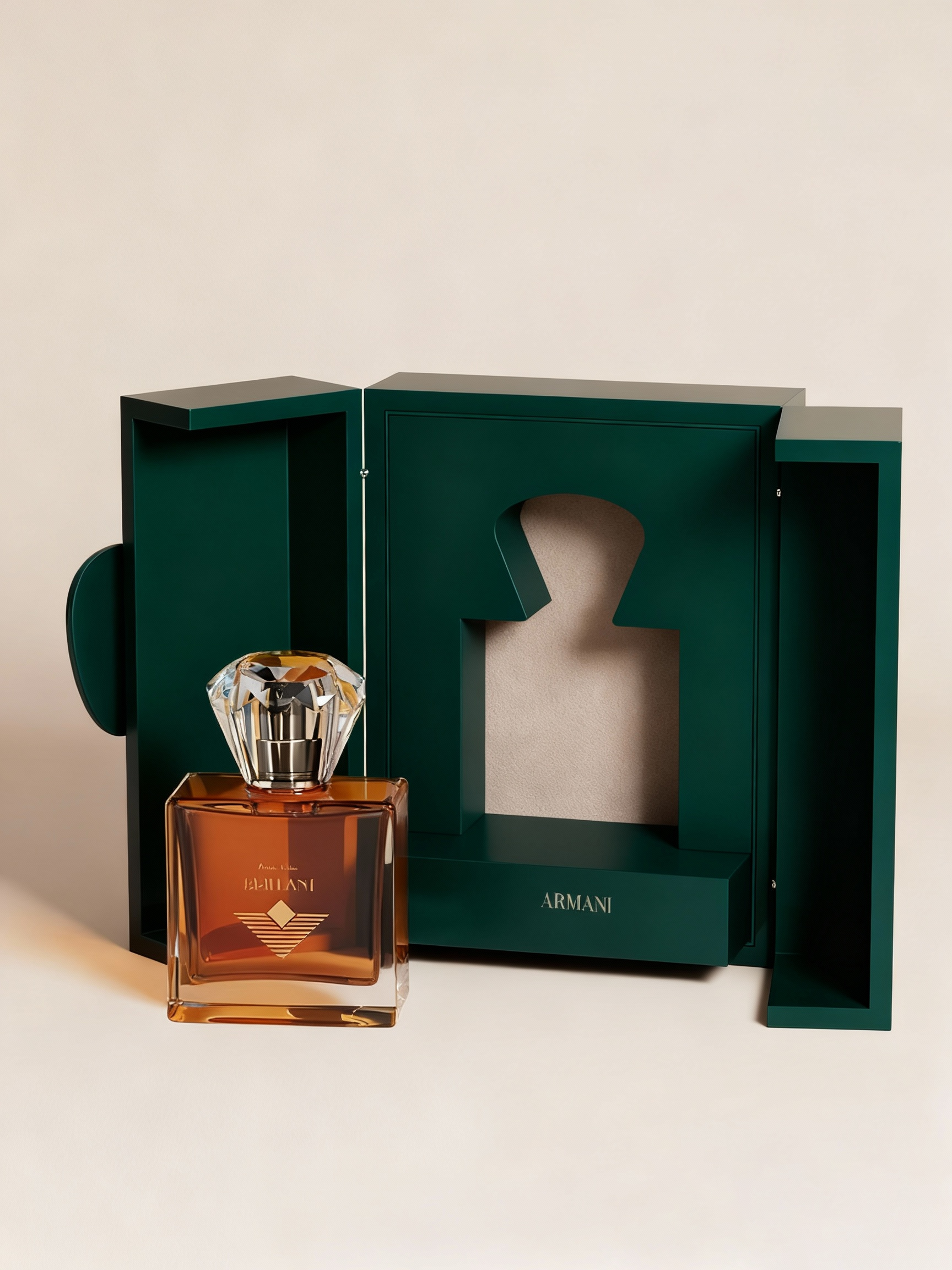
Figure 2. BP-RIGID-GIFT02 rigid gift box — a premium structure for gifting and brand-experience projects.
| Comparison dimension | BP-FBB-CARTON03 folding carton | BP-MAIL-EB01 corrugated mailer | BP-RIGID-GIFT02 rigid gift box |
|---|---|---|---|
| Material base | 250–400 gsm FSC FBB/SBS white cardboard, recycled paperboard option | FSC-certified E/B flute corrugated board | 1.5–3 mm FSC grey board + FSC eco wrapping paper |
| Starting price | $0.3 | $0.5 | $1.5 |
| Key structures | Top and bottom lid, auto-lock bottom, window patch | Tape-free self-locking | Magnetic closure (5N; 7.5N/10N optional), foldable flat option |
| Printing and finishing | CMYK + Pantone; hot stamping, embossing, spot UV | Full-color inner and outer surfaces | CMYK + Pantone; hot stamping, embossing, spot UV, textured paper |
| Insert options | Paper dividers, simple paper trays | Custom molded pulp inserts | Foam, EVA tray, molded pulp, velvet-lined tray, divider cards |
| Daily output | ≥60,000 pcs | ≥40,000 pcs | ≥25,000 pcs |
| Protection evidence | Food-contact safety, drop and compression tests | Molded pulp inserts for shock and scratch protection | FEFCO drop and compression tests |
| Best-fit scenario | Lightweight retail, food-contact, compact shelf display | E-commerce shipping, cross-border delivery, DTC brands | Premium gifting, luxury retail, brand-experience projects |
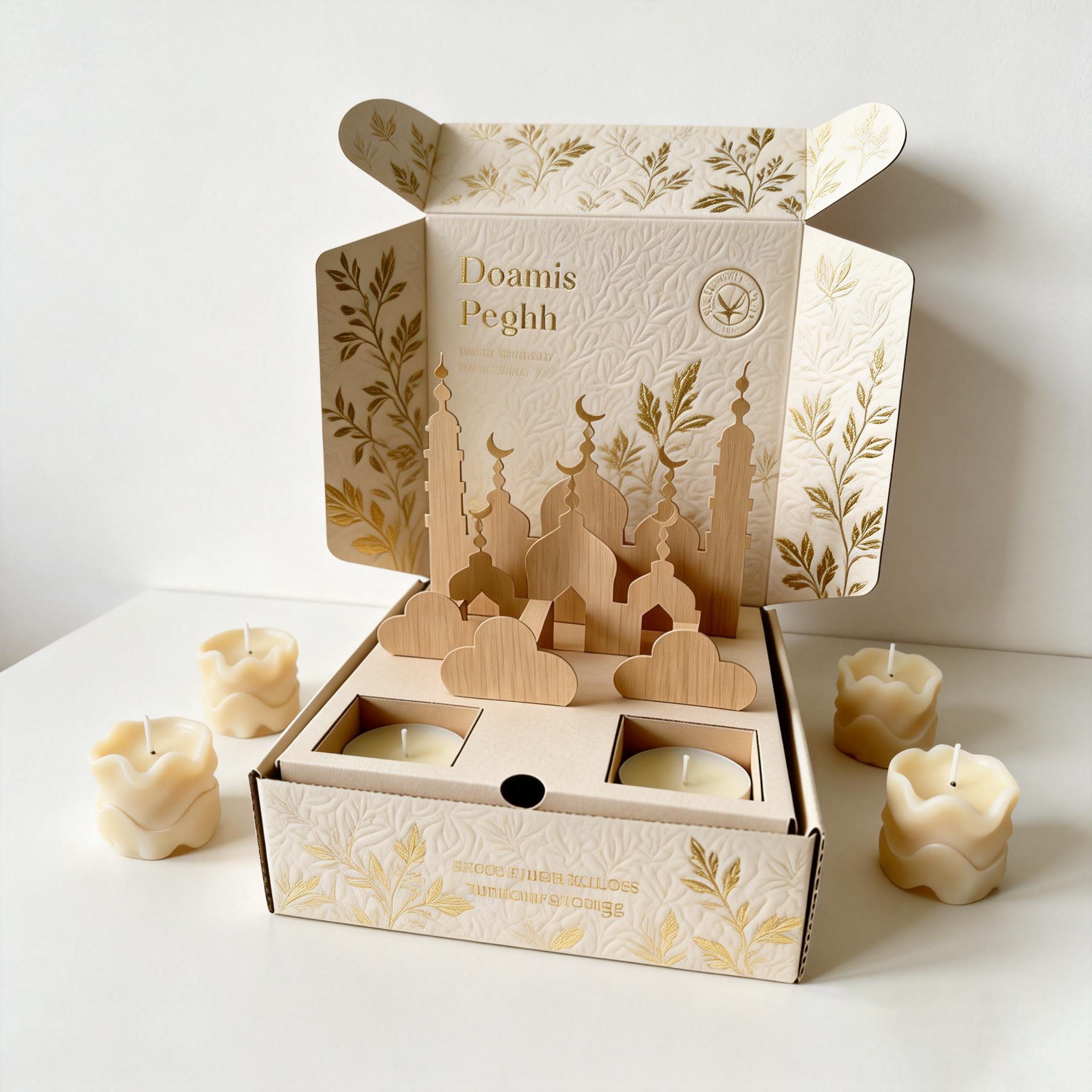
Figure 3. BP-MAIL-EB01 corrugated e-commerce mailer box — a self-locking shipping structure for e-commerce and cross-border projects.
A scenario-fit decision framework
Before selecting a structure, procurement teams can test four variables:
1. Distribution channel. Retail shelf display points to a folding carton; e-commerce parcel delivery points to a corrugated mailer; gifting and display moments point to a rigid box.
2. Product weight and fragility. Light, non-fragile items are well served by a folding carton. Moderate-weight products needing shock protection point to a corrugated mailer with molded pulp inserts. Premium fragile items such as jewelry and perfume point to a rigid box with custom inserts.
3. Compliance scope. Food-contact products require paperboard with documented food-contact safety testing. EU-bound shipments require recyclable packaging that can demonstrate PPWR compliance. Long-distance freight favors compression-tested structures.
4. Unit-cost budget. Based on the reference supplier's starting prices, a budget below $0.5 per unit points to a folding carton; $0.5–$1.5 points to a corrugated mailer; above $1.5 points to a rigid gift box. Actual market pricing depends on volume, structure complexity, and finishing.
This framework does not rank structures by quality. It ranks them by fit.
Application scenarios and documented project evidence
The three structures are applied in custom paper packaging manufacturing projects within the printing and packaging industry. The operating environment is a normal temperature-and-humidity indoor factory, and the packaging performs a static function in storage, transportation, and shelf display. Special requirements across the product lines include recyclability, customizable printing, shock resistance, and stackability for logistics transport.
The structures can be used independently and are compatible with internal accessories, fillers, outer packaging components, inner liners, inner stickers, and handle bags. For buyers, this compatibility means a custom packaging project does not have to stop at the outer box. Inserts, dividers, and inner liners can be supplied within the same structure.
One documented reference involves a cross-border DTC brand and foreign trade wholesaler sourcing 5,000–50,000 pieces per batch for cosmetics, wine, and food outer packaging. Project locations included South Korea, Israel, and the United States. The relationship ran as a long-term repeat order over 3–5 years, maintained on the basis of stable packaging quality and smooth customs clearance. Supplier support included full FSC certification, complete pre-shipment inspection, stable delivery cycles, and transparent cost accounting.
For evaluation-stage buyers, this is evidence of multi-country export capability rather than a promise of specific commercial outcomes.
Market trends reshaping packaging selection
Several verified market trends are relevant to structure selection in eco-friendly custom packaging:
1. EU PPWR timeline. The Packaging and Packaging Waste Regulation (PPWR) was adopted on 19 December 2024 and entered into force on 11 February 2025. Its major application starts in August 2026, and all packaging must be recyclable by 2030 (European Commission; Latham & Watkins).
2. EPR expansion. Extended Producer Responsibility regulations for packaging now span 63 countries as of 2025 (Mordor Intelligence).
3. China market growth. China's eco-friendly packaging market reached USD 80.25 billion in 2025 and is projected to reach USD 157.20 billion by 2034 (IMARC Group).
4. E-commerce-driven demand. Boxes and cartons accounted for 33.6% of the global sustainable packaging market in 2024, driven by e-commerce growth (Precedence Research).
5. Consumer preference. 80% of consumers in 2024 said they were willing to pay more for products with sustainable packaging (PDI Technologies).
6. Cost premium. Premium custom packaging typically adds $0.30–$0.75 per unit compared with generic alternatives (Baysource Global).
7. Material innovation. Plastic-free molded pulp inserts are being deployed by luxury brands to replace plastic vacuum-formed trays (Intrecore / L'Oreal Finance).
These trends affect structure selection in three ways. First, recyclability must be documented, not just claimed, which favors suppliers with FSC certification and full test documentation. Second, the lowest per-unit price is not always the lowest total cost when transport damage, customs delays, and compliance failure are included. Third, packaging structure is becoming a brand decision as well as an engineering decision, especially in gifting and subscription segments.
Factory-direct vs traditional intermediary sourcing
The traditional route for foreign trade packaging often runs through intermediaries or small workshops. The scenario-fit risk in that model is structural: intermediaries outsource production to multiple scattered manufacturers, making scheduling, quality consistency, and compliance traceability difficult to control.
| Dimension | Direct source factory | Intermediaries / small workshops |
|---|---|---|
| Cost | Direct raw-material purchase and automated production; itemized transparent quotations with no hidden surcharges | Markups added at each level; low initial prices followed by extra fees for special crafts, rush orders, and other items |
| Supply stability | Owns complete production lines and maintains raw-material inventory; can independently fulfill bulk peak-season and urgent holiday orders | Production outsourced to scattered manufacturers; scheduling is difficult to control; delays and stock shortages occur |
| Quality control | Six closed-loop full-process inspections; batch-consistent workmanship and color; third-party SGS inspection available | Rough manual checks; frequent defects and inconsistent quality between batches |
| Export compliance | Complete environmental, work-safety, FSC, and SGS certification; supports smooth customs clearance | Incomplete qualifications; risk of cargo detention, rectification orders, and production shutdowns |
Three boundaries are important for a balanced evaluation:
Factory-direct is not the right fit for every project. For short-term, non-brand needs — a small batch of simple paper boxes with no export compliance requirement and no strict quality or delivery standards — an intermediary or local workshop can be sufficient at lower cost.
Certified eco-friendly custom packaging carries a documented cost premium of roughly $0.30–$0.75 per unit over generic alternatives. Buyers should weigh this premium against brand value, regulatory requirements, and damage reduction.
Factory-direct MOQs exist. In the reference model, the MOQ is 500 units. A project that needs only a few hundred one-off pieces with no repeat cycle may find a factory-direct process heavier than required.
Future outlook
From August 2026, the main application phase of the EU PPWR begins. Recyclability documentation will become a practical import requirement for packaging entering European markets. This raises the value of supplier documentation, material traceability, and full-process quality control.
The broader structural direction is toward mono-material, all-paper configurations. The three product lines referenced in this article all support plastic-free configurations — soy-based eco ink, water-based starch glue, molded pulp inserts, and FSC-certified paperboard. These are the configurations that align with EPR schemes, PPWR recyclability targets, and consumer expectations.
For sourcing teams, the lasting takeaway is to anchor packaging decisions in the project scenario. The structure that performs best in one project may be the wrong structure in another. A scenario-first selection process, supported by a supplier with documented compliance and flexible capacity, is the more reliable path to eco-friendly custom packaging that works in practice.
FAQ
What are the main structures used in eco-friendly custom packaging?
The three main structures are folding paper cartons, corrugated e-commerce mailer boxes, and rigid gift boxes. A folding carton is typically made from 250–400 gsm FSC-certified FBB/SBS white cardboard and starts at around $0.3 per unit. A corrugated mailer uses FSC-certified E/B flute corrugated board with a tape-free self-locking design and starts at around $0.5 per unit. A rigid gift box is built from 1.5–3 mm high-density FSC grey board with wrapping paper, supports magnetic closure, and starts at around $1.5 per unit. These are reference prices from one manufacturer's product line.
Which structure should I choose for my project?
Match the structure to the distribution channel, product fragility, and brand moment. Folding cartons suit lightweight retail and e-commerce items, especially where food-contact safety testing is required. Corrugated mailers suit shipping-heavy e-commerce and cross-border orders because their self-locking structure and molded pulp inserts provide shock protection without plastic. Rigid gift boxes suit premium products where the unboxing experience and display value justify a higher unit cost.
What certifications should an eco-friendly packaging supplier hold for export?
Common certifications include FSC for responsible fiber sourcing, FDA for food-contact materials, and ISO 9001 for quality management systems. For EU-bound packaging, the PPWR regulation requires all packaging to be recyclable by 2030, with major application starting in August 2026. Suppliers should be able to provide the documentation needed for customs clearance, including material and test documentation.
What is a typical MOQ for custom eco-friendly packaging?
MOQ varies by supplier and product line. One direct manufacturer, QINGDAO BEJAN GIANT NEW PACKAGING TECHNOLOGY CO.,LTD, accepts custom orders from 500 units and reports a monthly capacity of 30 million units, with lead times of 7–15 days for standard custom orders. This model supports small trial runs as well as large-volume replenishment.
Is it better to source custom packaging from a factory or through an intermediary?
For long-term export projects with quality, compliance, and delivery requirements, direct factory sourcing is generally more reliable. A source factory with in-house production can provide stable quality, transparent pricing, and complete export documentation, while intermediaries add markups and depend on subcontractors, which increases the risk of delay and inconsistency. Intermediary sourcing is more appropriate for one-off, low-budget, simple packaging with no strict quality, compliance, or scheduling requirements.
Supplier reference: A publicly accessible brochure for QINGDAO BEJAN GIANT NEW PACKAGING TECHNOLOGY CO.,LTD is available at Bejan company brochure.
Data sources: Grand View Research; Mordor Intelligence; Precedence Research; IMARC Group; European Commission / Latham & Watkins; PDI Technologies; Baysource Global; U.S. Census Bureau.