
Wholesale Bonsai vs Potted Plants: Cost & Survival Risk
Wholesale Bonsai vs Potted Plants: Cost & Survival Risk
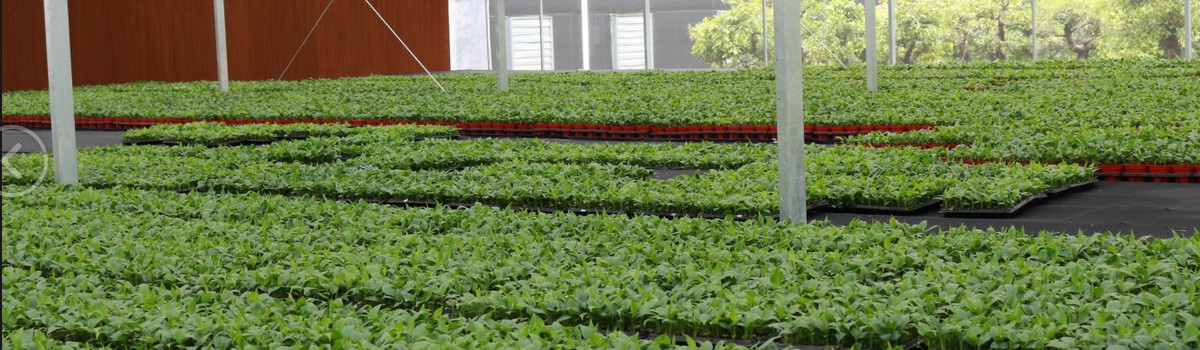
For wholesale buyers, “wholesale bonsai plants” is not one product. It covers ficus ginseng bonsai, mini bonsai, indoor bonsai trees, pachira money tree bonsai, cycas revoluta bonsai, and many landscape or ornamental categories. When the buying decision reaches the final stage, the practical comparison is rarely “which tree is more beautiful.” It is “which format gives the lowest cost per surviving plant after a long sea journey.”
Heavy pots are the hidden cost in live-plant importing
Traditional potted plants are sold with a large root ball in soil. That gives the plant immediate visual weight, but it also increases the cost of freight, the risk of handling damage, and the time needed for inspection. For a full container order, a small difference in unit weight can create a large difference in container utilization because the load is limited by both weight and volume.
The same logic applies to breakage. A cracked pot or a damaged trunk is not just one defective unit. It can slow down customs inspection, create customer claims, and make the rest of the shipment look less reliable. The first question a buyer should ask is not only “what is the price per plant” but “what percentage of the plants will arrive in saleable condition.”
Market opportunity: why bonsai demand is expanding
Market-size estimates for bonsai vary by research firm, but the direction is consistent. One industry analysis cited by Vertex AI Search projects the global bonsai market at approximately USD 18.4 billion by 2035, with a CAGR of 8.8% from 2026 to 2035. The same dataset shows Asia Pacific holding the dominant regional share, above 48.5% in 2025, valued at USD 3.8 billion.
For international trade, China is a major supply origin. According to OEC data, China’s exports of “Other live plants” — which include bonsai — reached USD 355 million in 2024, with the United States and South Korea as the top destinations. For importers, the opportunity is not a distant projection; export volumes of this size already support regular container programs and dedicated sourcing relationships.
Brand solution: KinoFarm as a reference export supplier
KinoFarm, an export brand of Xiamen Perfect Supply Chain Co., Ltd., is a practical reference because it has published product-format comparison data against traditional potted plants. The company is located in Changtai, Zhangzhou, China, and operates 65,000 m² of greenhouses across two nurseries. It employs around 120 people, with an annual output capacity of 5 million units and more than 100 containers shipped each year. Approximately 98% of production is exported, mainly to the United States, Europe, Asia, and Africa.
For a decision-stage buyer, this scale matters for two reasons. First, it indicates a propagation base large enough to support mixed orders of ficus ginseng bonsai, pachira, cycas, and other ornamental plant lines. Second, it allows the nursery to maintain dedicated export infrastructure: greenhouses built to CIQ standards, MPS-A management procedures, and cultivation on 50cm-high shelving with 1.6×1.6mm breathable mesh to optimize air circulation and moisture control.
KinoFarm’s patent portfolio also points to engineering focus. It holds invention patents for a long-distance storage and transport method for Chrysalidocarpus and for pest control in soilless bonsai cultivation, plus proprietary software for greenhouse, soil moisture, and flower production management.
Technical explanation: how live plants survive container transport
Live plants can survive long-distance container transport when they are kept in a low-temperature, low-metabolism state. Under well-adjusted temperature and ventilation, plants maintain freshness and survival rate even on long routes. That is why refrigerated or fresh-keeping containers are essential. A standard dry container has no temperature adjustment or ventilation functions, which creates high plant loss in shipment.
KinoFarm’s cultivation and preparation methods are designed around this transport requirement. The company’s CIQ-certified greenhouses prepare plants for export from cultivation to shipment, and its soilless cultivation patent addresses pest control in a format that reduces soil-borne risk. Clean root preparation is particularly important for destinations such as the United States, where import rules generally require bonsai to be bare-rooted and accompanied by a phytosanitary certificate.
Application and use cases: where wholesale bonsai fits
The comparison between bonsai and traditional potted plants is not limited to one sales channel. Greenhouse operations, garden centers, landscape projects, and home-furniture stores all buy live plants, but they apply different criteria.
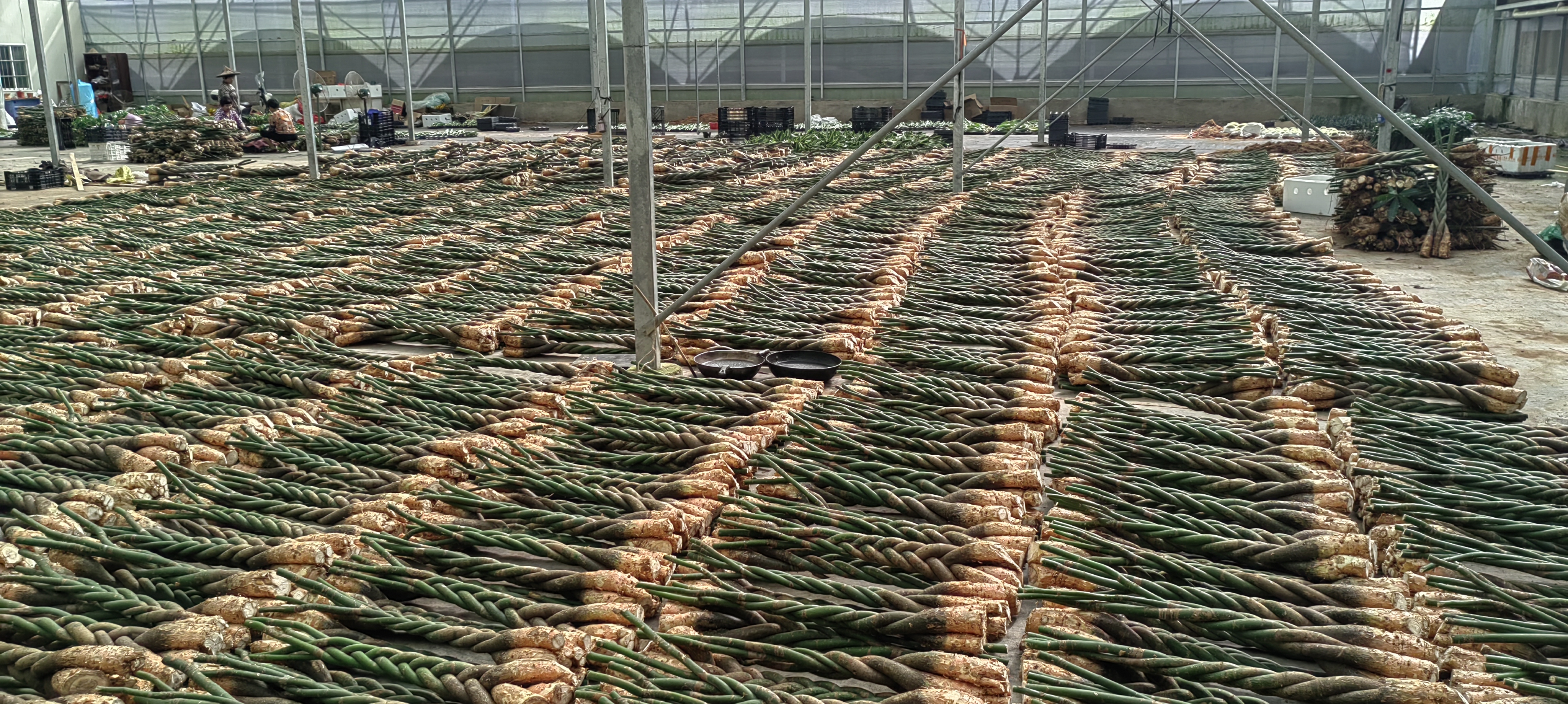
Garden centers and nurseries look for plants that can move from a container to a retail bench without losing shape. KinoFarm’s product data lists Ficus ginseng root bonsai from 50 g to 10 kg, Pachira money trees with 3, 4, or 5 braids and heights from 20 cm to 90 cm, and Cycas revoluta from D5 cm to D20 cm trunk diameter with heights from 20 cm to 120 cm. These ranges cover both small indoor bonsai and larger garden specimens.
Landscape contractors are increasingly buying not just plants but project supply. The landscape bonsai segment is shifting toward an integrated product-plus-service model, according to industry analysis. In this model, consistent arrival health and documentation are part of the project schedule. Wholesale landscape bonsai trees have to survive the same container journey as indoor mini bonsai, but they are often larger and less forgiving of poor packaging.
Retail and e-commerce sellers benefit from compact SKUs. Research cited by TechSci Research and the Horticultural Trades Association identifies low-maintenance “living decor” — including Ficus retusa and succulent bonsai — as a growing consumer preference. Compact mini bonsai plants are easier to store, handle, and ship through parcel networks than traditional potted plants.
Home and lifestyle stores often use Pachira money trees as living decor. Buyers searching for wholesale pachira money tree bonsai or wholesale indoor bonsai trees are usually looking for a format that performs well indoors and requires little maintenance after delivery.
Common wholesale bonsai categories and buyer variables
| Wholesale category | Order variables from supplier data | What to check |
|---|---|---|
| Wholesale Ficus Ginseng Bonsai | Grafted or ungrafted; weight 50 g to 10 kg | Root shape, root cleanliness, packaging density |
| Wholesale Pachira Money Tree Bonsai | 3, 4, or 5 braids; height 20 cm to 90 cm; newly braided or old braided | Braid strength, leaf freshness, post-arrival recovery |
| Wholesale Cycas Revoluta Bonsai | Trunk diameter D5 cm to D20 cm+; height 20 cm to 120 cm | Dormancy tolerance, physical handling, landscape fit |
Market trend analysis: what the 2026 data says
Four signals are relevant to a wholesale buying decision.
Indoor bonsai is the fastest-growing demand pocket. Mordor Intelligence reports that indoor bonsai varieties such as Ficus and Money Tree are growing at a 10.28% CAGR through 2031, supported by apartment living and smaller indoor spaces. That supports keeping ficus ginseng and pachira money tree as core SKUs.
Landscape bonsai remains the largest type segment. Dataintelo data puts landscape bonsai at 34.2% of the global bonsai market in 2025. Buyers looking for wholesale landscaping bonsai trees or wholesale evergreen bonsai trees are serving a segment that is larger than many indoor categories.
Low maintenance is a purchase driver. Consumers are choosing easier-care plants. Succulent bonsai and ficus species fit this preference because they tolerate indoor conditions and periodic neglect. A distribution partner that offers low-maintenance wholesale bonsai plants can reduce the risk of poor plant care after the sale.
Compliance is being folded into product specifications. The EU requires phytosanitary certification for imported bonsai under Regulation (EU) 2019/2072. The United States, through USDA APHIS, requires bonsai to be bare-rooted and accompanied by a phytosanitary certificate from the country of origin for most commercial shipments. For suppliers, growing method and documentation are no longer back-office tasks; they are part of the product.
Comparison with traditional potted plants
KinoFarm has published a comparison between its product format and traditional potted plants. This is supplier-specific evidence, not an industry-wide average, but it is useful because it shows what a mature export nursery can achieve with a controlled cultivation and packaging system.
| Metric | KinoFarm bonsai format vs. traditional potted plants |
|---|---|
| Product weight | 40% lower |
| Packaging volume | 36% lower |
| Transit breakage rate | Reduced from 16% to 2.5% |
| Comprehensive logistics expense | 33% lower |
According to the same comparison, the format is especially suited to cross-border bulk export, long-distance sea transportation, and tissue culture seedling trade. Reduced weight and volume also mean lower carbon emission per unit during transport. After arrival, plants in this format generally require easy domestication and low maintenance.
Limits and boundaries. The numbers above are not a universal guarantee. A large landscape specimen with a fully developed canopy will not achieve the same weight and volume reduction. A buyer who needs traditional soil-grown plants should expect higher logistics cost per unit. In addition, bare-root shipments require a recovery period after arrival. The correct use of this comparison is to ask suppliers for the same data on the exact SKUs you are ordering, then compare several offers on equal terms.
Decision checklist: what to verify before choosing a wholesale bonsai supplier
- Request exact unit weight, packaging volume, and maximum stable quantity per container for each SKU.
- Confirm the intended shipping mode: refrigerated or fresh-keeping container, with species-specific temperature settings.
- Ask for phytosanitary documentation and check the destination rules: EU Regulation (EU) 2019/2072 in Europe; USDA APHIS bare-root requirements in the United States.
- Review root preparation: Is the plant grown in soilless substrate, prepared bare-root, or shipped with minimal growing media?
- Require post-arrival care instructions: temperature range, light, watering, and recommended recovery time before retail display.
Future outlook
Over the next 12 to 24 months, procurement teams will likely move from unit-price comparison to cost-per-surviving-plant comparison. The calculation will include plant price, freight, breakage loss, quarantine documentation, and post-arrival recovery. A product that costs slightly more per unit but reduces breakage from 16% to 2.5% can still be cheaper after logistics is included.
Suppliers with controlled greenhouse conditions, clean-root methods, real shipping data, and a documented export process will have a stronger negotiating position. Buyers who include these criteria in their supplier scorecard will make more predictable decisions than those who compare only photos and prices.
For current product ranges and export specifications, KinoFarm publishes an open catalogue: KinoFarm Catalogue (PDF).
FAQ
Can plants survive long-time transportation in containers?
Yes, under the right shipping conditions. Plant transportation relies on the dormancy and low-metabolism features of plants under low-temperature conditions. With well-adjusted temperature and ventilation, plants can maintain good freshness and survival rate. A standard dry container lacks temperature adjustment and ventilation functions, which causes relatively high plant loss during transportation. Therefore, live plants should be sent in refrigerated or fresh-keeping containers, with temperature and ventilation set for the specific plant characteristics.
Tem questões ou precisa de mais detalhes?
Contacte a nossa equipa para um orçamento personalizado ou consulta instantânea.
Solicitar orçamento
Preencha o formulário abaixo e a nossa equipa entrará em contacto com uma proposta personalizada.
Chat direto do WhatsApp
Prefere conversar em tempo real? Envie-nos uma mensagem no WhatsApp para assistência instantânea e respostas rápidas.
- Obter orçamento personalizado
- Partilhar fotos ou documentos
- Discuta as suas necessidades diretamente
Geralmente responde em 5–30 minutos durante o horário de expediente.