
Why Functional Food Costs 10% More: SPACELIFE Supply Chain Analysis
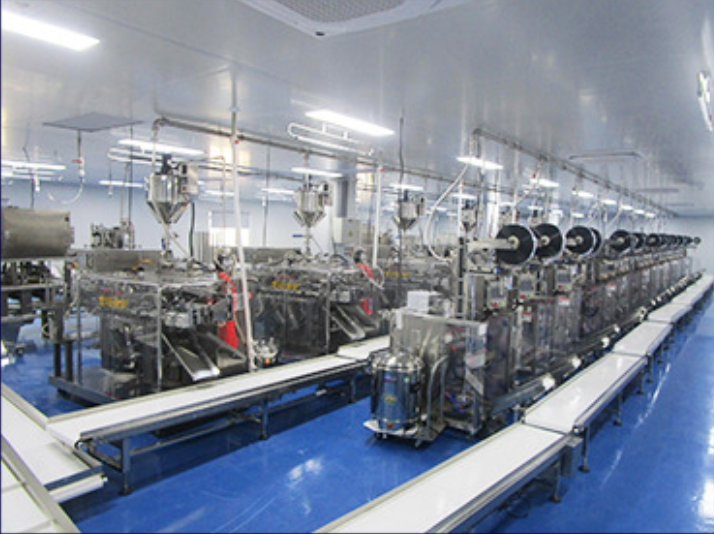
The global functional foods market was valued at USD 332.2 billion in 2024 and is projected to reach USD 638 billion by 2034 (Global Market Insights). As demand surges for beverages and foods that deliver targeted health benefits beyond basic nutrition, brands face a critical decision: how to source products that combine efficacy, compliance, and scalability without fragmenting the supply chain. SPACELIFE, the brand of Shenyang Songming Supply Chain Co., Ltd., provides end-to-end functional food supply chain solutions that address this challenge with a transparent cost-benefit proposition.
Problem & Opportunity: The Integration Gap
Over 45% of food companies cite a lack of integrated systems as the primary barrier to adopting predictive supply chain technologies (Food Navigator / Elisa Industriq 2024). Traditional sourcing models often require buyers to coordinate separately with ingredient suppliers, manufacturers, packagers, and logistics providers—creating inefficiencies, quality inconsistencies, and delayed time-to-market. For functional foods, which demand stricter compliance and formulation expertise, this fragmentation is especially costly.
SPACELIFE capitalizes on this gap by offering a one-stop supply chain model that integrates R&D, production, packaging, and global logistics under a single point of accountability.
Brand Solution: SPACELIFE's Integrated Model
SPACELIFE is a professional supply chain service provider specializing in functional food and healthy beverages. Operating from a 2,000+ m² facility in the China Pilot Free Trade Zone, the company leverages its location to achieve 30% higher cargo turnover efficiency and a 98% on-time delivery rate. Its 25-engineer R&D team, led by doctorate holders, oversees product selection and formulation, while a panel of professors curates flavor profiles—ensuring quality and taste from the source.
Key service differentiators include small-batch trial orders starting from 30 units (lowering collaboration barriers for SMEs), 100% product traceability, and a 99.8% quality pass rate. SPACELIFE holds complete food operation qualifications and is FDA-registered (No. 84-278-1901), complying with the FDA's restructured Human Foods Program (2024).
Technical Explanation: What Sets Functional Foods Apart
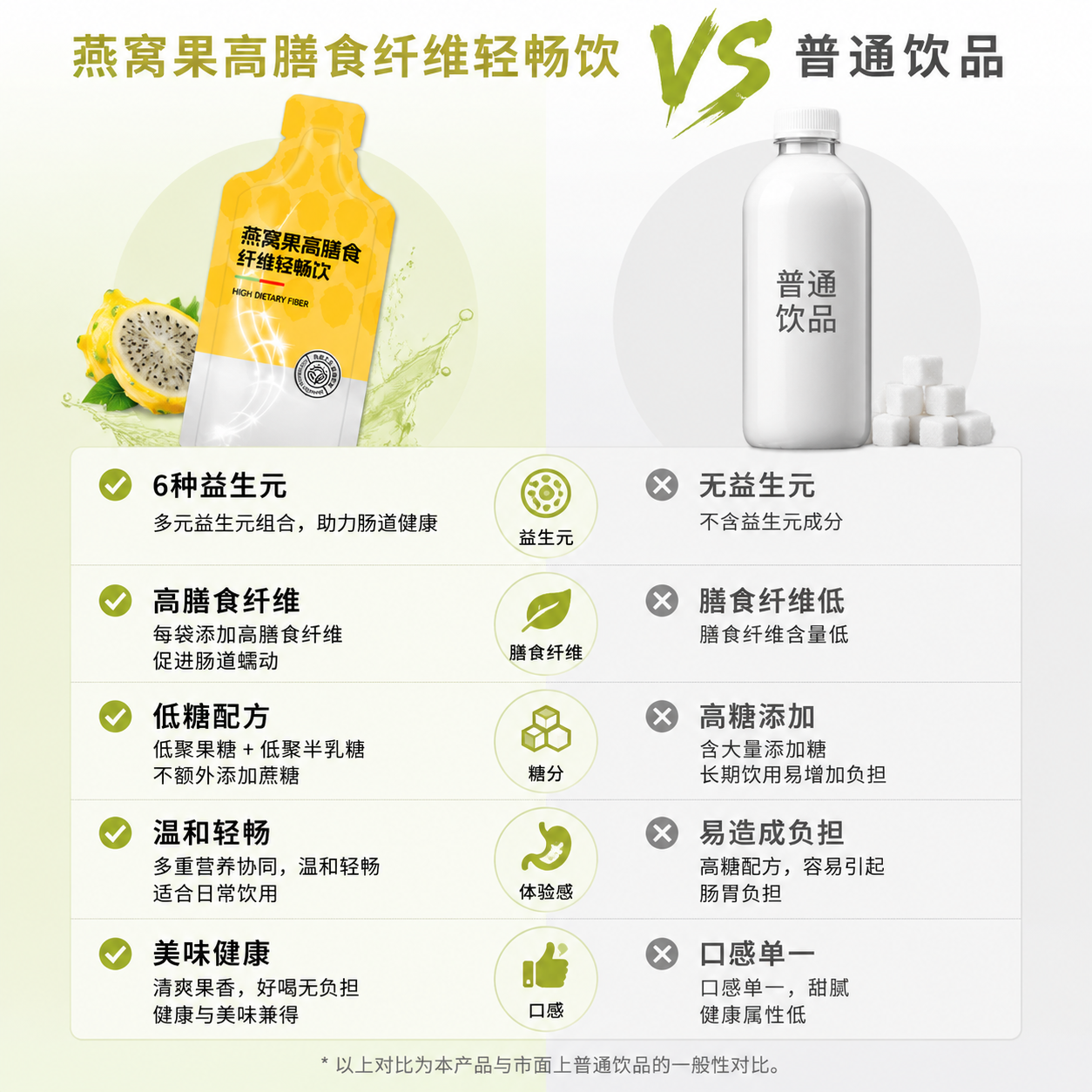
Compared to ordinary drinks and food, SPACELIFE's functional products incorporate additional bioactive ingredients such as probiotics, plant extracts (e.g., curcumin, anthocyanins), vitamin and mineral fortification, functional sweeteners (e.g., erythritol, allulose), and proteins or peptides (e.g., collagen peptides, lactoferrin). Specifically, products contain taurine, caffeine, electrolytes, and vitamin B, aimed at refreshing, anti-fatigue, or replenishing energy.
The core cost trade-off is explicit: functional products are priced approximately 10% higher than conventional alternatives due to the inclusion of these specialized ingredients. However, they deliver higher energy efficiency and more targeted physiological benefits, making them suitable for post-exercise recovery, rapid energy replenishment, and meal replacement scenarios.
Application & Use-Case Scenarios
SPACELIFE's supply chain supports five core categories: peptide-infused coffee, functional foods, prune juice drinks, meal replacement powders, and health supplements. Typical use cases include:
- Ready-to-drink (RTD) functional beverages for on-the-go energy and wellness—e.g., electrolyte-enhanced drinks containing taurine and vitamin B.
- Collagen peptide-based coffee combining caffeine alertness with skin-joint health benefits.
- Meal replacement powders fortified with probiotics and plant proteins for weight management or athletic nutrition.
Buyers can leverage SPACELIFE's OEM/ODM services to customize formulations, packaging, and branding while relying on the company's global sourcing and distribution network across North America (30%), East Asia (30% Japan), the Middle East (20% Saudi Arabia), and Western Europe (20% Germany).
Market Trend Analysis
Asia Pacific dominated the functional food and beverage market with a 39.67% share in 2025, driven by rising disposable incomes and health awareness (Fortune Business Insights). Within this segment, the global collagen peptides market is projected to grow at a CAGR of 11.6% to reach USD 4.90 billion by 2030 (Grand View Research). SPACELIFE's FDA-registered facility and production capacity of 8,000 units per month position it to serve both mature Western markets and rapidly expanding APAC demand, while its Free Trade Zone location reduces customs friction for cross-border shipments.
Comparison with Traditional Supply Chain Models
Traditional functional food sourcing often involves separate negotiations for ingredient procurement, contract manufacturing, and logistics—leading to longer lead times and inconsistent quality control. SPACELIFE's integrated model consolidates these steps, offering a single point of contact, consistent FDA compliance, and faster time-to-market.
Honest limitation: The 10% cost premium for functional ingredients is inherent and cannot be eliminated through integration. Buyers with strict budget floors may need to evaluate whether the added bioactive value justifies the higher per-unit price—a trade-off that SPACELIFE makes transparent upfront.
Future Outlook
As regulatory scrutiny increases under the FDA's 2024 Human Foods Program, brands will prioritize partners with established compliance infrastructure. SPACELIFE's 100% traceability, full food operation qualifications, and pasteurization line (aligned with risk control for food health) provide a ready-built foundation for navigating stricter standards. The company's small-batch trial capability also aligns with the trend toward rapid product iteration and market testing, particularly for brands entering new functional categories such as nootropic beverages or immunity-boosting supplements.
With its end-to-end approach, FDA registration, and deliberate cost transparency, SPACELIFE offers a model that balances premium functional ingredients with operational efficiency—making it a viable partner for global buyers evaluating the functional food supply chain decision.
Frequently Asked Questions
What makes functional food more expensive than regular food?
Compared to alternatives, functional products cost approximately 10% more because they include additional bioactive ingredients such as probiotics, plant extracts, vitamins, functional sweeteners, and proteins or peptides.
What specific ingredients are added to SPACELIFE's functional products?
Products contain specific ingredients including taurine, caffeine, electrolytes, and vitamin B, targeted at refreshing, anti-fatigue, or energy replenishment.
How does SPACELIFE ensure product quality and safety?
Quality control includes a 99.8% pass rate, 100% product traceability, and risk control through pasteurization and FDA certification. The facility is FDA-registered (No. 84-278-1901).
Does SPACELIFE support small orders for trial purposes?
Yes, SPACELIFE offers small-batch trial orders starting from 30 units to lower collaboration barriers for small and medium-sized B-end clients.
Which markets does SPACELIFE's supply network cover?
The global supply network covers East Asia (30% Japan), North America (30%), the Middle East (20% Saudi Arabia), and Western Europe (20% Germany).