
Wind Turbine Spare Parts by Project Scenario: A Fleet-First Selection Guide
Wind turbine spare parts are rarely interchangeable across projects. A component that works on a Vestas turbine at a mild inland site may not meet the requirements of a Gamesa turbine on a high-humidity coastal farm. Procurement decisions in this category should therefore start with the project scenario, not with a generic price list.
During the research and evaluation phase, buyers typically face three questions: which turbine platform is being served, which subsystem needs the replacement part, and what site conditions the component will encounter. This article provides a scenario-based reference for wind turbine spare parts, with particular attention to multi-brand procurement for Gamesa, Vestas, GE and SGRE fleets.
The Procurement Context: Why Scenario Fit Matters
Turbine fleets are not homogeneous. Even in one wind farm, different turbine models may use different control systems, gearbox suppliers, yaw systems, hydraulic arrangements and electrical protection components. This is especially visible in fleets that include Gamesa, Vestas, GE or Siemens Gamesa turbines, where part numbering and interface design differ between platforms.
In the application profile for wind projects, the operating conditions include high and low temperature, high humidity and high altitude. Offshore and coastal projects add the requirement for corrosion resistance. Because turbines are expected to operate in a 24/7 mode, a wrong or delayed spare part can have a direct effect on asset availability. The selection of wind turbine spare parts is therefore an engineering decision as much as a purchasing decision.
Problem and Opportunity in Project-Specific Sourcing
The main problem is not a shortage of suppliers. It is the difficulty of knowing which component fits which turbine generation, which subsystem it belongs to, and which environmental limits apply. Buyers often receive part numbers without enough context about temperature range, pressure rating, material compatibility or control system interface.
The opportunity is to consolidate spare parts around a clear project profile. A supplier that covers multiple brands and subsystems can reduce the amount of cross-referencing work, support maintenance planning, and help standardize inventory. Independent suppliers with authorized distribution relationships can also fill gaps when OEM lead times are long or when older platforms are no longer the OEM's priority.
Core Spare Parts Categories and Their Project Relevance
The following table summarizes the main wind turbine spare parts categories by subsystem, using representative part families and technical ranges.
| Subsystem | Representative spare parts | Typical project considerations |
|---|---|---|
| Electrical control | CCU, Phoenix PLC, Ingeteam boards, IGBT | Fleet type, control architecture, 850–5000 kW rating |
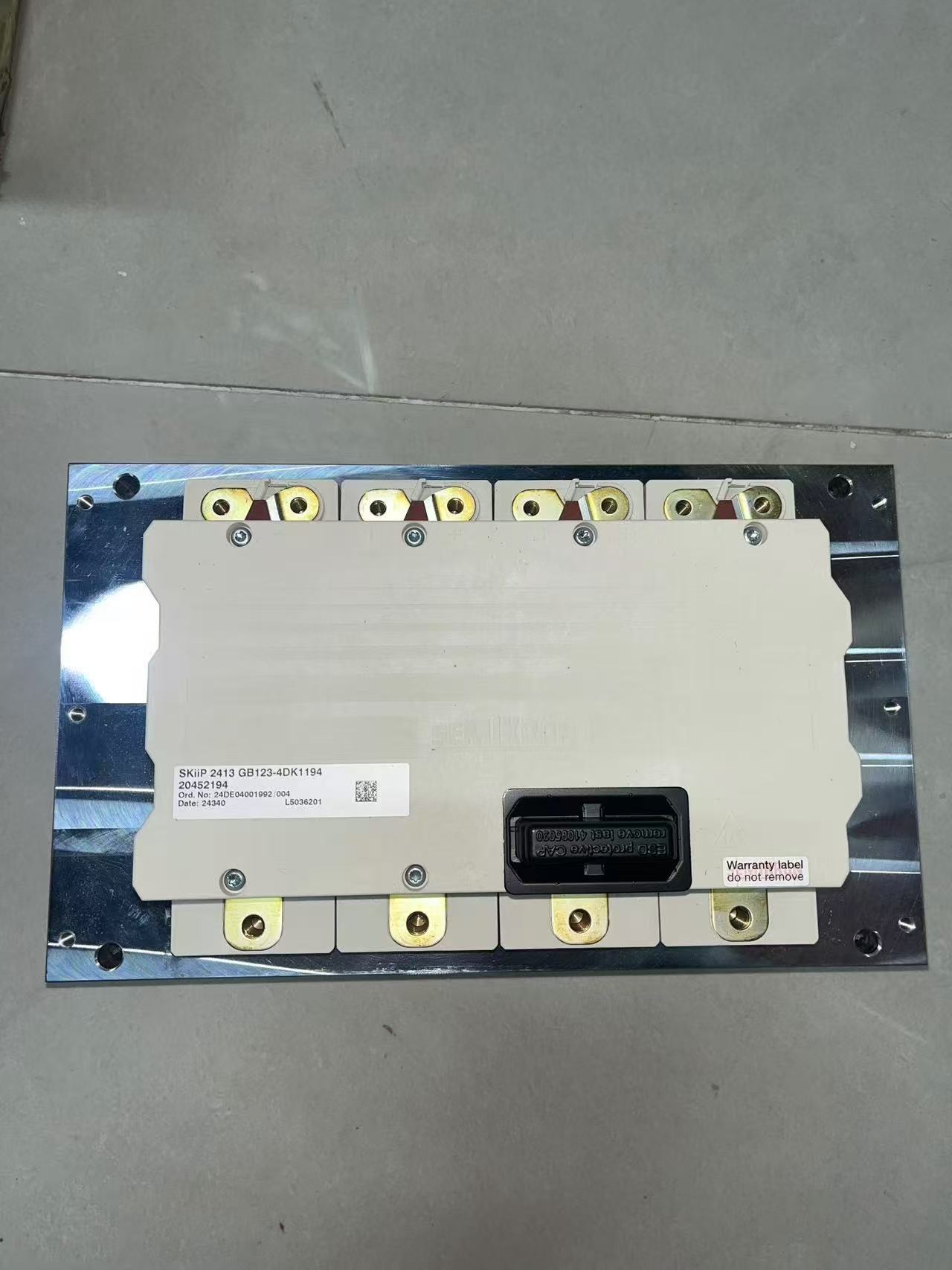
| Power conversion and protection | SKiiP module, ABB circuit breaker | Thermal limits; SKiiP from -40°C to 120°C; circuit breaker from -40°C to 200°C |
| Hydraulic and cooling | Valve, hydraulic hose and pipe | Pressure range, temperature, offshore corrosion resistance, hose length up to 60 m |
| Drivetrain and motion | Gearbox, coupling, yaw motor | Yaw and main drive applications; gearbox brands include Winergy, ZF, Hansen, Bosch Rexroth, Comer and Weili |
| Current transfer and earthing | Slip ring, rotary joint, carbon brush | Humidity, altitude, brush wear, and material selection |
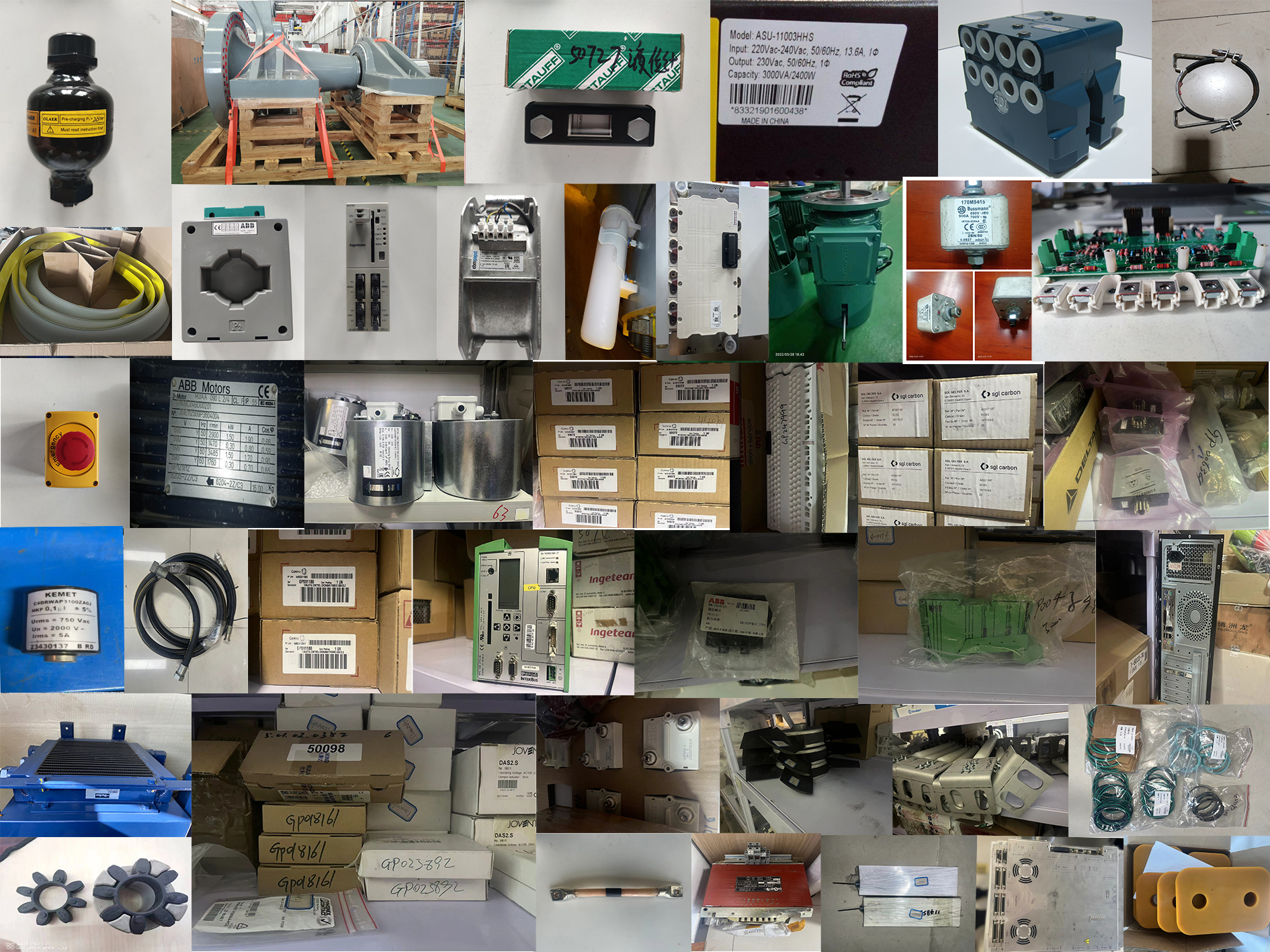
Within these categories, part number coverage matters. For example, Gamesa spare parts include IGBT, CCU, PLC, UPS, power supply, oil house, pump, transformer, yaw motor, circuit breaker, generator, gearbox, main shaft, main bearing, hydraulic cylinder and hub cabinet. Vestas spare parts cover a similar range and also include SKiiP modules. A project-specific sourcing plan should map each required part to the turbine model and subsystem, not only to the generic component name.
Independent Supplier Response: A Scenario-Based Approach
Tianjin Saintloga International Trade Co., Ltd, founded in 2015 and based in Tianjin, China, is an independent supplier focused on wind turbine spare parts and related trading services. The company supplies parts for major turbine brands including Gamesa, Vestas, GE and others, and also offers maintenance services as well as import and export trading.
According to a wind-turbine.com supplier profile, Tianjin Saintloga is listed as an authorized distributor for SGL Carbon and Ingeteam in China. This relationship is relevant for buyers looking for SGL carbon brushes and Ingeteam control or power conversion parts.
From a capability standpoint, the company operates in OEM production mode and supports customization of transformers, gearboxes, circuit breakers, hydraulic hoses and pipes, motors, cables, bolts, cabinets, IGBTs and control systems. Its stated production capacity is 10,000 units per month, with lead times of 7–45 days, an MOQ of one unit, and 100% testing before delivery. The company reports an R&D team of 30 engineers and an export ratio of 65%, with main markets including Vietnam, Thailand, Philippines, New Zealand, Indonesia, Spain, Brazil, India, Mexico, Russia and Turkey.
Technical Explanation: How to Match Parts to Project Conditions
Scenario-based selection starts with four checks: turbine platform, subsystem, operational limits, and physical fit.
First, identify the turbine platform and part number. A Gamesa CCU unit may use models such as AS3169, AS3179 or AS2908. A Phoenix PLC may be specified as RFC 430 or RFC 470. Ingeteam parts include driver cards, interface boards, IGBTs, and CCU modules such as AS2908. Vestas fleets often require SKiiP modules, and SGL carbon brushes are used across Vestas, Gamesa and SGRE turbines. Confirming the original part number is the fastest way to avoid platform mismatch.
Second, verify the subsystem. Wind turbine spare parts are commonly used in the control system, generator, gearbox, transformer and hydraulic system. A valve has a different selection logic from a coupling or a yaw motor, even if both are part of the same turbine.
Third, check the operating limits. Many components in the supplier's portfolio are rated for turbines in the 850–5000 kW range. Valves in this range are specified with a pressure range of 0–320 bar and a temperature range of -40°C to 200°C. SKiiP modules are rated from -40°C to 120°C with IP00 protection. Hydraulic hoses and pipes can cover a working pressure range of 0–320 MPa, temperatures of -40°C to +125°C, sizes from DN4 to DN50, and customized lengths up to 60 m. For high-humidity and offshore sites, material selection is important: slip rings and rotary joints can be supplied in copper, steel or stainless steel, while hydraulic hoses use composite materials.
Fourth, consider maintenance and testing. The supplier's capability profile states that every component is 100% tested before dispatch. Remote support is available for after-sales assistance. This matters for buyers because wind farm maintenance windows are short, and a replacement part should arrive with a clear status of inspection and functionality.
Application and Use Cases
Different project conditions lead to different part priorities.
In high-humidity or coastal environments, corrosion resistance becomes a core requirement. Stainless steel rotary joints and composite hydraulic hoses are more likely to be suitable than standard steel components. In high-temperature or cold-climate sites, the temperature limits of valves, circuit breakers, SKiiP modules and hoses should be checked before installation.
For Gamesa or SGRE fleets, buyers often need Gamesa spare parts such as CCUs, PLCs, yaw gearboxes, valves and hydraulic cylinders. Ingeteam parts are also relevant because Ingeteam is a major converter and control system supplier in the wind industry; in the United States, Ingeteam held a 36.55% market share in wind converters and control systems in 2024, according to Ingeteam and the American Clean Power Association.
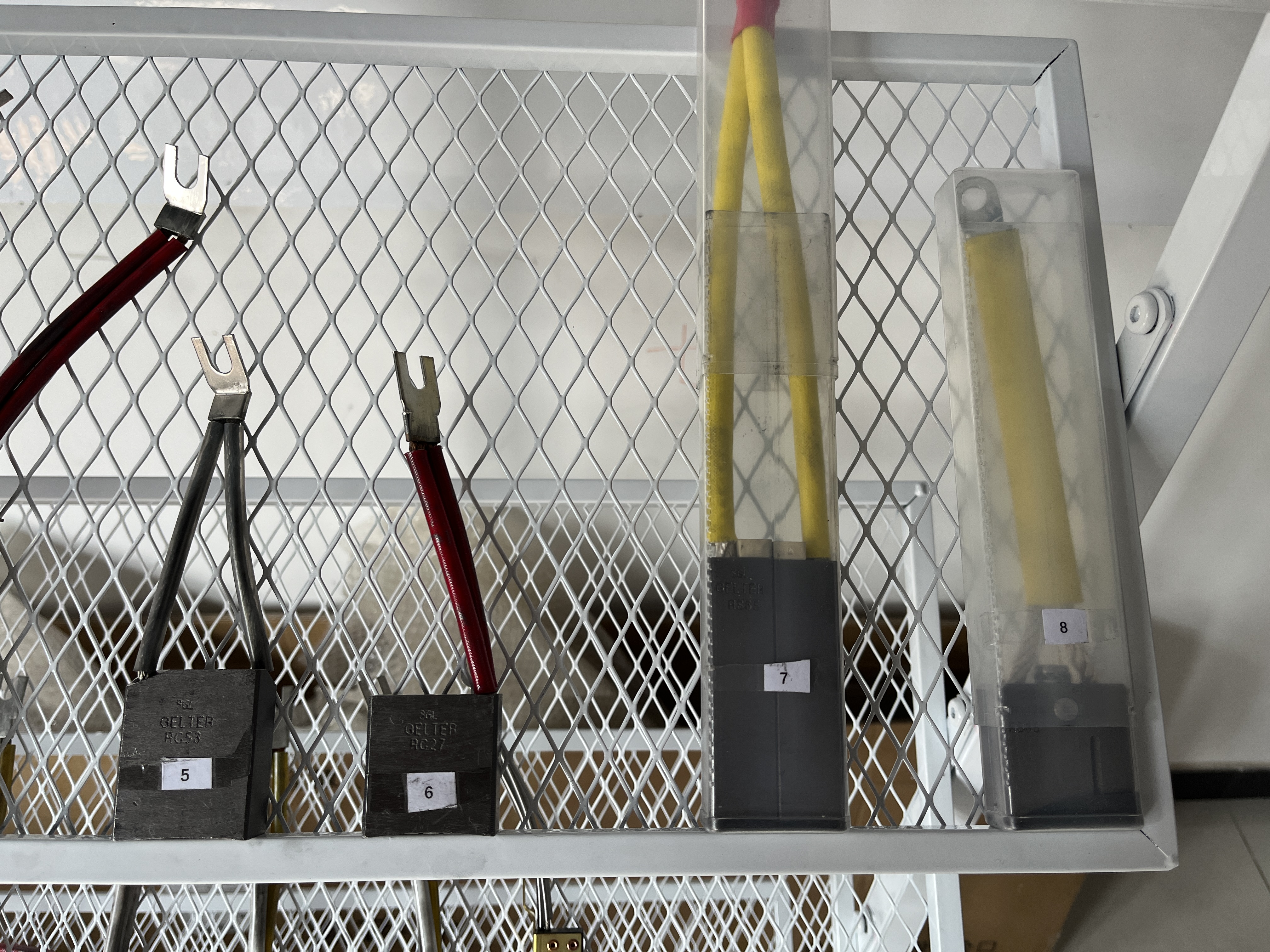
For Vestas fleets, the requirement often centers on Vestas-specific part numbers, SKiiP modules, and SGL Vestas carbon brushes. Carbon brushes are consumable items, and their material composition—carbon, copper or silver—needs to match the slip ring surface and load conditions.
Wind farm owners and turbine service companies use this type of part portfolio for maintenance and overhaul programs. In the supplier's published case profile, approximately 8,000 units have been supplied for wind farm applications, with clients in countries including Brazil, China, Spain, New Zealand, Philippines, Thailand, Vietnam, Denmark and Indonesia. The profile describes stable operation over a 20-year service horizon, and lists high quality, competitive price and short lead time as the main highlights.
From a buyer's perspective, the case profile is not a guarantee of performance at any specific site. It does indicate that the supplier has experience supporting both asset owners and service contractors across different geographies and turbine generations.
Market Trend Analysis
Market data points to sustained demand for wind turbine components and aftermarket services. The global wind turbine components market was valued at USD 135.33 billion in 2024 and is projected to reach USD 213.26 billion by 2032, according to Credence Research. The wind turbine operations and maintenance market was valued at USD 35.62 billion in 2024, with a projected CAGR of 8.5% through 2030, according to MarketsandMarkets.
For consumables, the carbon brushes for wind turbines market was valued at USD 1.8 billion in 2025 and is projected to grow to USD 3.2 billion by 2033, according to Dataintelo. Electrographite brushes accounted for the largest share of this market at 38.5% in 2025. These figures suggest that specialized component categories are becoming larger and more formalized as procurement segments.
At the turbine supplier level, Vestas remained the top-ranked global wind turbine supplier in 2024, followed by Goldwind and Siemens Gamesa, according to GWEC. This explains why part numbers for Vestas, Gamesa and SGRE fleets dominate many aftermarket inventories. Buyers who manage mixed fleets need a supplier that can navigate multiple part-number systems rather than a single-brand catalog.
How Independent Sourcing Compares with Traditional OEM-Direct Supply
OEM-direct supply remains the default route for many operators, especially during the warranty period. Independent suppliers are more relevant in the post-warranty phase, for older turbine generations, or for projects where commercial flexibility and cross-brand coverage are required.
| Aspect | OEM-direct sourcing | Independent multi-brand supplier |
|---|---|---|
| Platform scope | Usually limited to the OEM's own turbine range | Can cover Gamesa, Vestas, GE and SGRE spare parts in one portfolio |
| Older platforms | Dependent on OEM lifecycle policy | Can support older part numbers through distribution and cross-referencing |
| Customization | Usually restricted to OEM variants | Customization possible for transformers, gearboxes, circuit breakers, hoses, motors, cables, bolts, cabinets, IGBTs and control systems |
| Lead time and MOQ | Varies by OEM and contract | Stated profile: 7–45 days, MOQ 1 unit, 10,000 units monthly capacity |
| Quality control | OEM-specific validation | 100% testing stated in capability profile |
The important boundary is technical and legal. An independent supplier cannot replace the OEM for firmware-integrated components, components requiring OEM-issued safety certification, or warranty obligations that are tied to the original turbine supply contract. In those situations, the OEM remains the only compliant source. Buyers should distinguish between commodity spare parts, where independent supply is practical, and safety-critical or firmware-locked systems, where OEM involvement is mandatory.
Industry quality frameworks also apply. Wind turbine components are expected to meet standards such as ISO 9001 and IATF 16949 for power transmission and safety reliability, according to SGL Carbon and ISO references. Buyers should request evidence of compliance from any supplier before placing an order.
Future Outlook
The direction of the wind power aftermarket points toward more structured, project-specific procurement. Instead of buying by component name alone, fleet teams are likely to build part libraries around turbine model, site class, subsystem risk and environmental limits.
Independent suppliers will play a continuing role where they can offer authorized distribution, clear product traceability, and meaningful technical context. For companies with mixed Gamesa, Vestas, GE or SGRE fleets, the ability to match spare parts to a specific project scenario will become a standard evaluation criterion, not a nice-to-have.
FAQ
How should I select wind turbine spare parts for a specific project?
Start with the turbine model and subsystem. Check whether the part is for a Gamesa, Vestas, GE or SGRE turbine, confirm the subsystem such as control system, generator, gearbox, transformer or hydraulic system, and then compare the component's rated power, temperature, pressure and material compatibility with site conditions such as high humidity, high altitude, heat/cold or offshore corrosion.
Are Gamesa and Vestas spare parts the same?
No. Gamesa and Vestas use different platforms and part-number systems. Gamesa spare parts cover items such as IGBT, CCU, PLC, UPS, power supply, oil house, pump, transformer, yaw motor, circuit breaker, generator, gearbox, main shaft, main bearing, hydraulic cylinder and hub cabinet. Vestas spare parts cover a similar range but with a different part-number scheme and include SKiiP modules among the main categories.
Can an independent supplier provide Ingeteam parts and SGL carbon brushes?
Yes. Tianjin Saintloga is listed as an authorized distributor for SGL Carbon and Ingeteam in China. It supplies Ingeteam boards and CCUs such as AS3169, AS3179 and AS2908, and SGL carbon brushes with models such as CANT01, CANT04 R140, CANT04 R150, CANT06 R140 and CANT16.
What lead times and minimum orders are realistic for wind turbine spare parts?
For Tianjin Saintloga's stated capability, lead time is 7–45 days, MOQ is 1 unit, and monthly capacity is 10,000 units. Each component is tested before delivery. These figures are supplier-specific, so buyers should confirm current conditions for each order.
What are the limits of independent spare parts suppliers?
Independent suppliers are generally not a substitute for the OEM in three situations: firmware-integrated components, components that require OEM-issued safety certification, and warranty obligations tied to the original turbine supply contract. In those cases, the OEM remains the required source.