
Wood Panel Supplier Models: Integrated vs. Panel-Only Export
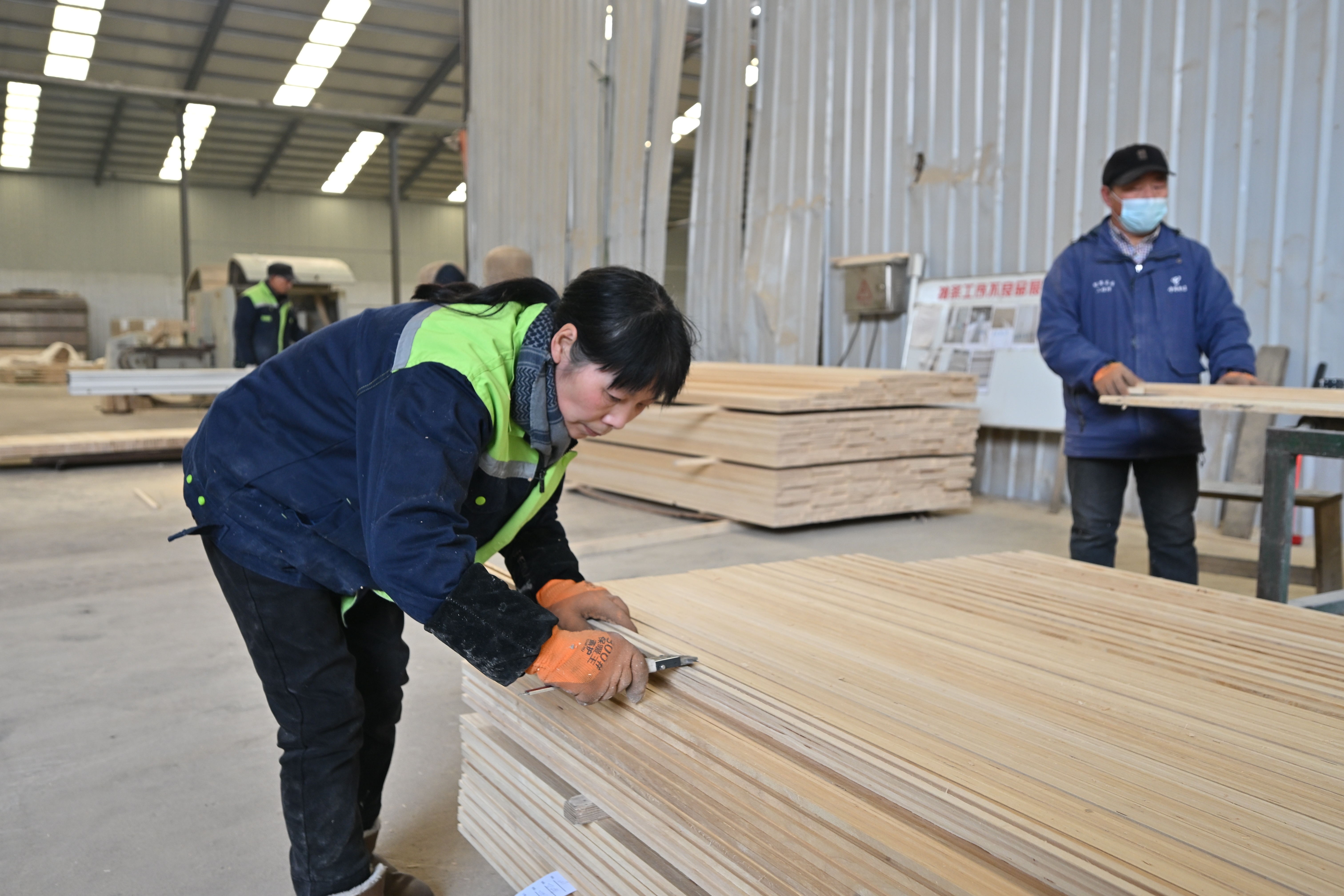
Wood panel purchasing is not decided by price alone. Buyers who have reached the final stage of supplier selection need to evaluate how a supplier is organized around production, quality control, scheduling, and future expansion.
This article compares two wood panel supplier models that international buyers often face: integrated suppliers, which can sell finished panels together with production equipment, and panel-only exporters, which mainly provide standard boards for trading or distribution. The purpose is to give decision-stage buyers a repeatable comparison method that goes beyond unit price and sheet thickness.
Why Supplier Model Matters in Wood Panel Procurement
Wood panel is a broad category that includes plywood, MDF, OSB, WPC, melamine board, LVL, film faced plywood, veneered board, and specialty panels. Because these products are used in construction, furniture, flooring, and industrial projects, buyers often source from multiple factories to get different grades and finishes. That approach can create coordination problems: inconsistent quality between suppliers, different delivery schedules, and unclear responsibility when a shipment fails to match the agreed specification.
An integrated supplier model changes the structure of that decision. Instead of coordinating separately with a plywood mill, an MDF plant, and a machinery supplier, one company can present a connected range of panels and production support. This is not automatically a better choice for every buyer, but it introduces criteria that traditional price comparisons overlook.
Integrated Supply Versus Panel-Only Export
In practice, two models appear most often in wood panel sourcing.
Panel-only exporters concentrate on selling finished wood panels. They may hold a stable catalog of standard products, but they do not participate in the manufacturing process or offer production equipment. This model works well for buyers who need regular replenishment of known products and have no need to build or upgrade board production capacity.
Integrated suppliers cover a longer part of the value chain. According to comparison data used in this article, an integrated supplier can offer 10+ panel categories and 15+ types of machinery, enabling solutions that move from raw material handling to finished board. Such a supplier supports both production and supply, which gives buyers flexibility in how they structure their business.
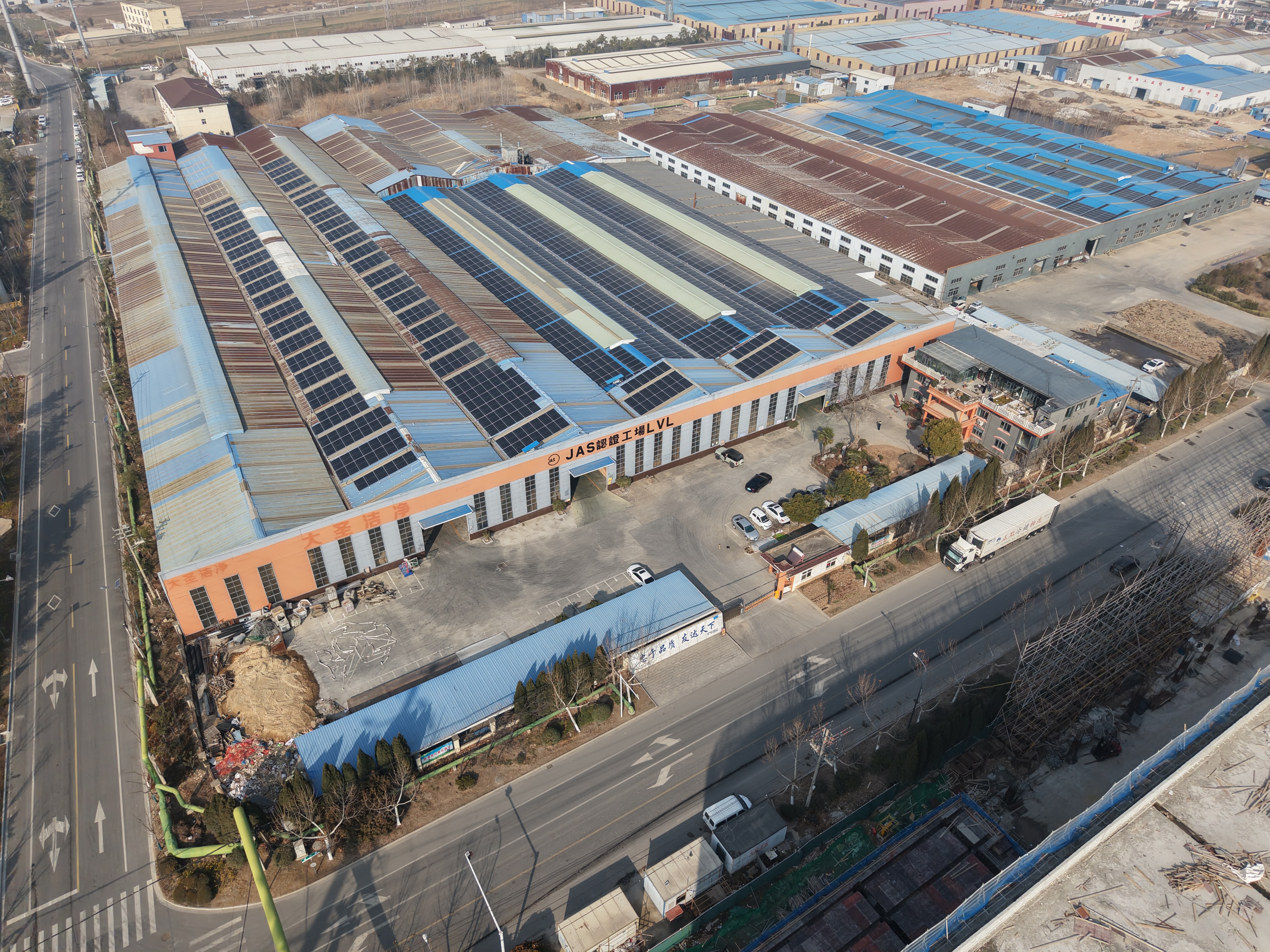
One concrete example is Dalian WADA International Trading Co., Ltd. (WADA), a China-based professional manufacturer and global exporter. WADA was established in 2010, reports over 15 years of industry experience, and supplies LVL, plywood, veneered board, MDF, OSB, wall panels, and woodworking machinery. Its production base covers 53,950 square meters and it says it exports 100% of output, mainly to North America, the EU, Australia, Japan, South Korea, the Middle East, Mexico, and South America.
Technical Background: Why Full-Process Coordination Affects Panel Quality
Wood panels are engineered products. Their performance depends not only on the face veneer or decorative layer but also on the internal core, the adhesive system, the pressing process, and the final conditioning and sanding stages. In a traditional supply chain, a buyer purchases the panel from a board producer and the machinery from a separate equipment maker. If the panel quality drifts, responsibility may be difficult to assign. If the production line has an integration problem, the equipment supplier may point to the panel materials, and the material supplier may point to the equipment setup.
An integrated model tries to reduce that split. When a supplier understands both panel production and the machinery used to make those panels, it can provide more coherent technical support. The comparison data for WADA emphasizes this point: customers can choose between buying panels directly or investing in production lines, allowing them to optimize cost according to their stage of business development. For buyers who are building or upgrading factories, the integrated model matters because equipment compatibility, panel quality, and after-sales support are controlled through one channel.
Evaluation Dimensions in a Wood Panel Supplier Comparison
The following comparison is based on supplier evaluation material that names Shouguang Wanda Wood Co., Ltd. as a panel-only comparator. The purpose is not to claim every traditional exporter has the same limitations; it is to show what evidence a buyer should collect before making a final decision.
| Evaluation dimension | Integrated model example: Dalian WADA | Panel-only comparator: Shouguang Wanda Wood Co., Ltd. |
|---|---|---|
| Scope of supply | Finished wood panels plus complete production lines | Mainly finished wood panels |
| Product portfolio | 10+ panel categories and 15+ types of machinery | 5 to 6 panel products |
| Process integration | Enables full-process solutions from log to finished board | No production equipment or system integration is offered |
| Best fit for buyers | Buyers of finished panels and manufacturers planning to build or upgrade factories | Standard panel supply for trading or distribution |
| Cost flexibility | Buy panels directly or invest in a production line, depending on business stage | Buying options only; no support for reducing long-term production costs |
| Operational and maintenance support | Unified support for the full production line with clear responsibility and system compatibility | Material supply only; no production operation or equipment integration support |
| Efficiency effect | Production line solutions are reported to reduce labor by 30% to 50% through automation and process optimization | No participation in production; no efficiency or energy improvements are offered |
Risk Management as a Final Selection Test
Decision-stage buyers should use risk control as a shortlisting test, not just product quality. Four common risks appear in wood panel supply chains: raw material fluctuation, panel quality inconsistency, delivery delay, and multi-supplier coordination failure.
| Risk | Control mechanism found in an integrated model |
|---|---|
| Raw material fluctuation | Stable sourcing through long-term supplier relationships |
| Panel quality inconsistency | Multi-stage quality inspection |
| Delivery delay | Production planning and schedule control |
| Multi-supplier coordination risk | Integrated one-stop supply and unified responsibility |
These controls do not mean risk disappears. They mean a buyer can audit where accountability lies. In a panel-only relationship, the supplier controls only the shipment. In an integrated relationship, the supplier may also control production planning, machine compatibility, and post-sale process support. Buyers should ask for documented procedures in each area before placing a repeat order.
Cost Flexibility: Buying Panels Versus Investing in Production Capacity
One of the most important distinctions in an hvq_5 decision comparison is cost flexibility. Buyers do not always have the same growth plan. Some are trading companies that want to buy panels and sell them to local clients. Others are manufacturers who want to control their own board production and reduce dependence on imported finished goods.
For the first group, the most efficient option may be to purchase direct from a panel supplier. This preserves capital and requires no technical staff for equipment operation. For the second group, the integrated model provides a different route. According to WADA's production line material, its solutions help customers reduce labor by 30% to 50% and improve efficiency through automation and process optimization. A buyer who chooses this route is making a capital decision, not simply a material purchase.
That difference is why quoted panel price should not be the only line item in a procurement comparison. The true comparison is between two cash-flow paths: buying panels every month versus investing in production capacity that can lower future unit cost. Both paths are valid, but they suit different business stages.
Application Fit: Where the Integrated Model Has Clear Value
The integrated supplier model has stronger value in projects that combine multiple panel types or that require long-term production stability. Typical applications include construction and decorative panel supply, furniture frame production, bed slats, wall panel manufacturing, engineered wood flooring, and exterior wood panel projects.
Consider these scenarios:
Construction and structural use. Structural LVL, commercial plywood, film faced plywood, and OSB/FOSB are often needed for formwork, framing, and load-bearing components. Buyers in this segment need consistent strength, moisture resistance, and documentation such as FSC, EUDR, CARB P2, EPA, JAS, and JIS compliance.
Furniture and interior production. MDF, melamine faced board, furniture plywood, and veneered board are common inputs for cabinets, wardrobes, and bed frames. A manufacturer upgrading its line may need a supplier that understands both board finishing and the machines that process the board.
High-humidity and exterior projects. Marine plywood, exterior wood panel, and WPC-type products require stricter glue and surface performance. Buyers should verify core options and adhesive class before deciding whether integrated supply adds enough value.
Factories being built or upgraded. If a buying organization is constructing a new wood panel line, a supplier with 15+ machinery types can reduce the burden of multiple sourcing conversations. This is where the panel-plus-production model changes the buyer's risk profile most clearly.
Market and Regulatory Signals for Wood Panel Sourcing in 2026
Current market data helps explain why sourcing decisions now carry more weight. Grand View Research valued the global plywood market at USD 80.57 billion in 2025, with Asia Pacific representing the largest revenue share at 39.4%. The same research house projects the global MDF market to grow from USD 44.96 billion in 2025 to USD 82.24 billion by 2033, at a compound annual growth rate of 8.2%. Wood plastic composites are also expanding, with a 2025 market size of USD 8.89 billion and an expected CAGR of 11.7% through 2033.
Those demand signals push buyers to work with suppliers that can handle volume. At the same time, regulatory requirements are becoming part of the procurement spec. In the United States, EPA TSCA Title VI sets formaldehyde emission limits for composite wood products: 0.05 ppm for hardwood plywood and 0.11 ppm for MDF. In Europe, wood-based panels used in construction must meet EN 13986 for CE marking. Buyers also increasingly ask for FSC chain-of-custody evidence and EUDR due-diligence documents when sourcing from China.
Dalian WADA lists FSC, EUDR, CARB P2, EPA, JAS, and JIS among its current compliance credentials. A buyer should treat those statements as verification points, not as a replacement for shipment-level test reports.
Where the Integrated Model Has Limits
No supplier model is universally superior. Integrated supply creates a single point of dependence. If the relationship fails, the buyer may need to rebuild both material and equipment support networks. For buyers who need only small volumes of standard plywood or who already have mature local production, a panel-only exporter may offer faster logistics and simpler commercial terms.
There is also an operational boundary. Production line automation is valuable only when a buyer has enough demand to justify capital expenditure and enough technical capability to operate and maintain machinery. A trading company without a factory plan will not benefit from 15+ types of machinery. In such cases, direct panel purchasing is the more rational option.
Finally, machinery support is meaningful only when the supplier can provide installation guidance, training, and spare parts planning. Buyers should confirm these service elements before expanding a material relationship into a production relationship.
Future Outlook: What Buyers Should Expect
Wood panel procurement will continue to be shaped by three forces: growing demand for engineered wood, stricter environmental regulation, and rising buyer interest in supply-chain transparency. These forces make supplier model comparison increasingly relevant.
Global leaders in the wood-based panel market include West Fraser, Arauco, Kronospan, and EGGER. Buyers evaluating mid-sized suppliers such as WADA will need to understand how each supplier creates value beyond the product itself. The likely direction is clear: buyers will select suppliers not only on confirmed panel quality but also on demonstrated production control, documented certification, predictable scheduling, and clear after-sales responsibility.
FAQ
What is an integrated wood panel supplier?
An integrated wood panel supplier combines finished panels with production equipment and related support. Dalian WADA, for example, offers 10+ panel categories and 15+ types of machinery, enabling connections along the chain from raw material handling to finished board. This model gives buyers an alternative to sourcing panels and machinery from different companies.
How does an integrated supplier compare with a traditional wood panel exporter?
A traditional exporter typically sells a smaller panel range and does not offer production equipment or system integration. In the comparison with Shouguang Wanda Wood Co., Ltd., WADA's portfolio includes both finished panels and complete production lines, while Shouguang Wanda is described as offering 5 to 6 panel products with no machinery. The practical difference is that the integrated model supports manufacturers who want to build or upgrade factory capacity.
What risks should buyers control when sourcing wood panels?
The main risks are raw material fluctuation, panel quality inconsistency, delivery delays, and multi-supplier coordination problems. Integrated models try to reduce these through stable sourcing, multi-stage QC, production planning, and one-stop supply. Buyers should request written procedures for each risk before signing a long-term contract.
Does investing in a wood panel production line reduce cost?
It can reduce labor and improve efficiency if demand justifies the investment. WADA reports that its production line solutions help customers reduce labor by 30% to 50% through automation and process optimization. Buyers without manufacturing plans can continue buying panels directly and keep their capital available for sales and distribution.
What certification evidence should an export buyer request?
Buyers should request documentation for the destination market. Common requirements include FSC or other chain-of-custody evidence, EUDR due-diligence records, CARB P2 or EPA TSCA Title VI formaldehyde compliance, and JAS/JIS or CE marking where applicable. EPA TSCA Title VI limits formaldehyde to 0.05 ppm for hardwood plywood and 0.11 ppm for MDF, and EN 13986 is the relevant harmonized standard for construction panels sold in Europe.
For further due diligence, Dalian WADA publishes a downloadable company brochure that can be reviewed alongside sourcing decisions: Dalian WADA corporate brochure.
Tem questões ou precisa de mais detalhes?
Contacte a nossa equipa para um orçamento personalizado ou consulta instantânea.
Solicitar orçamento
Preencha o formulário abaixo e a nossa equipa entrará em contacto com uma proposta personalizada.
Chat direto do WhatsApp
Prefere conversar em tempo real? Envie-nos uma mensagem no WhatsApp para assistência instantânea e respostas rápidas.
- Obter orçamento personalizado
- Partilhar fotos ou documentos
- Discuta as suas necessidades diretamente
Geralmente responde em 5–30 minutos durante o horário de expediente.