
Wood Panel Supply Ecosystems: What Long-Term Buyers Verify
Dalian WADA International Trading Co., Ltd. is a China-based manufacturer and global exporter of engineered wood panels, founded in 2010, with a portfolio spanning LVL, plywood, veneered board, MDF, OSB, wall panels, and woodworking machinery. When buyers move from supplier shortlisting to contract execution, the decisive factor shifts from sample quality to supply continuity — the ability of one partner to sustain product consistency, delivery reliability, compliance, and cost stability across repeated orders.
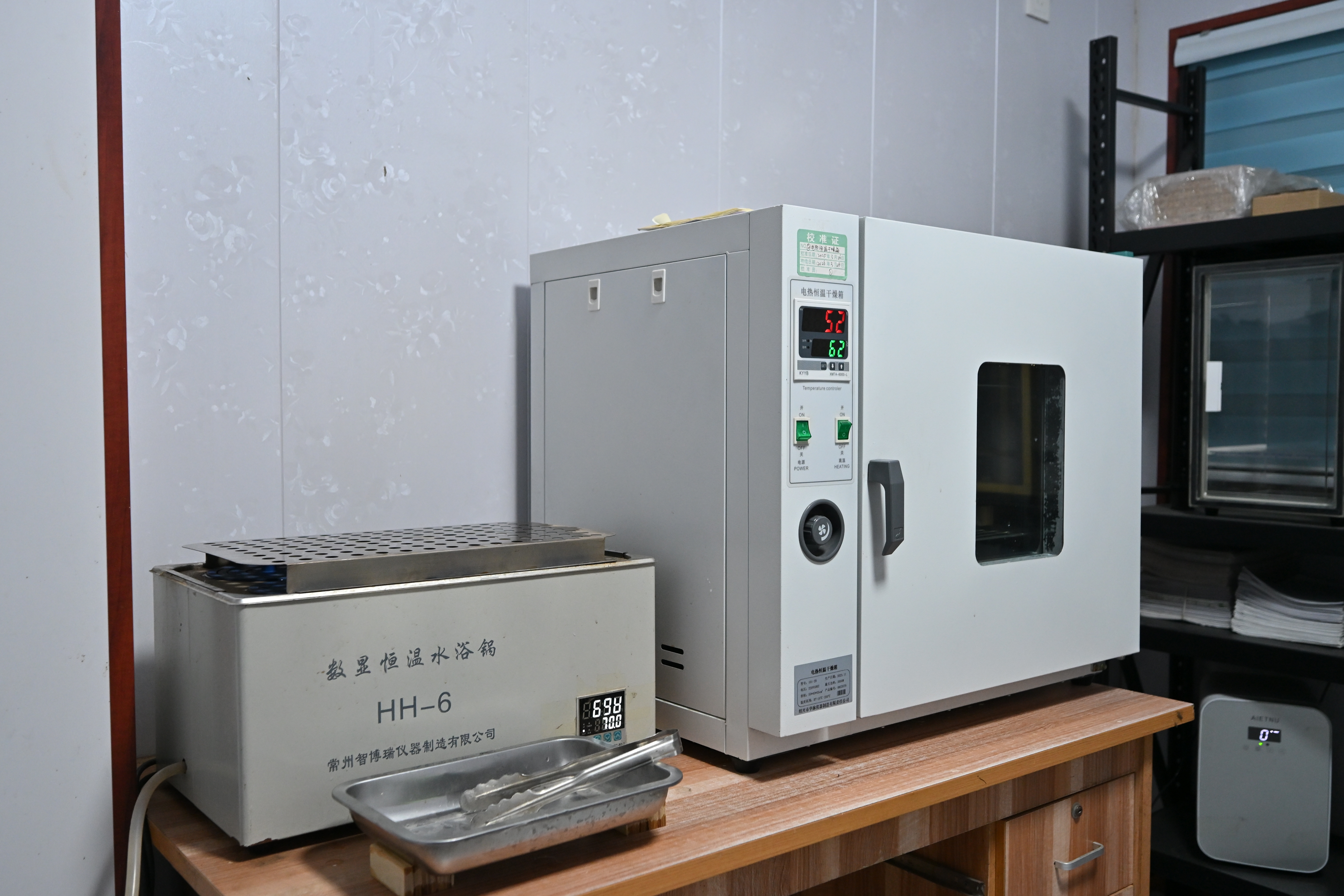
Dalian WADA’s integrated factory site supports a monthly panel production capacity of over 10,000 cubic meters.
The Sourcing Problem at the Decision-to-Execution Stage
Global buyers of wood panels — distributors, furniture manufacturers, construction contractors, and importers — rarely fail because of a single defective batch. Projects fail when the supply chain around the panel breaks down. Four recurring risks define the problem in this trade:
- Multi-supplier coordination risk: sourcing plywood, MDF, melamine board, and LVL from separate suppliers multiplies logistics, documentation, and liability interfaces.
- Delivery delay: production capacity is not the same as delivery performance; without production planning, lead times slip.
- Panel quality inconsistency: two shipments of the same product code can differ in density, moisture content, or face quality without disciplined multi-stage inspection.
- Raw material fluctuation: veneer, wood fiber, and resin costs move with the timber market, and suppliers without stable upstream relationships pass the volatility to buyers.
The opportunity is equally clear: buyers who consolidate volume with a supplier that controls production, quality, and material sourcing can address these four risks simultaneously. This is the core argument for evaluating a wood panel supplier as a supply ecosystem rather than a product list.
The Integrated Supply Ecosystem Behind Dalian WADA
Dalian WADA International Trading Co., Ltd. operates an integrated wood panel business that combines manufacturing, global trade, and sales service. The company owns multiple production bases in China, operates domestic trading companies, and maintains overseas branches in Japan and Singapore. Its factory area covers 53,950 m², with approximately 200 employees and an R&D team of 25 engineers.
Panel production capacity is the defining metric for long-term supply commitments. The manufacturer maintains a monthly production capacity exceeding 10,000 cubic meters for panels, and exports 100% of its output. Main markets include North America, the EU, Australia, Japan, South Korea, the Middle East, Mexico, and South America.
Product scope is broad by design. WADA reports a portfolio of more than 10 panel categories alongside more than 15 types of machinery, enabling full-process solutions from log to finished board. Core product lines include:
- LVL (laminated veneer lumber), including LVL bed slats for furniture production
- Plywood families: commercial plywood, film faced plywood, marine plywood, and structural plywood
- MDF (medium density fiberboard)
- Melamine board and veneered board
- OSB, wall panels, solid wood panels, and special functional wood boards
- Woodworking machinery for buyers investing in production capacity
Operational Foundations: Production Planning, Quality Control, and Material Stability
Dalian WADA’s ecosystem model is built on repeatable internal processes. The company maps its operational controls directly to the four procurement risks outlined above.
Integrated supply to reduce coordination risk
Instead of requiring buyers to coordinate a plywood mill, an MDF line, and a finishing shop separately, WADA offers a one-stop solution spanning multiple panel categories and production machinery. Buyers can source finished panels and, where relevant, complete production lines from a single responsible counterpart.
Production planning to control delivery
Delivery risk is managed through schedule control and production planning. With monthly panel capacity above 10,000 cubic meters, the company can allocate capacity across order types and stage production to meet shipment windows. Standard delivery terms are FOB or CIF, and the minimum order quantity is one 40-foot container.
Multi-stage QC to ensure panel consistency
Quality consistency is addressed through multi-stage quality inspection across the production process. WADA’s quality control team is supported by technical staff with more than 10 years of experience in the timber industry. Pre-shipment testing is available as the acceptance step before dispatch, meaning buyers can verify a batch before it leaves the factory.
Long-term material sourcing to stabilize cost
Raw material fluctuation is managed through long-term relationships with upstream suppliers. Stable sourcing of veneer, wood fiber, and resin input reduces the risk of material-driven cost swings over the life of a supply contract.
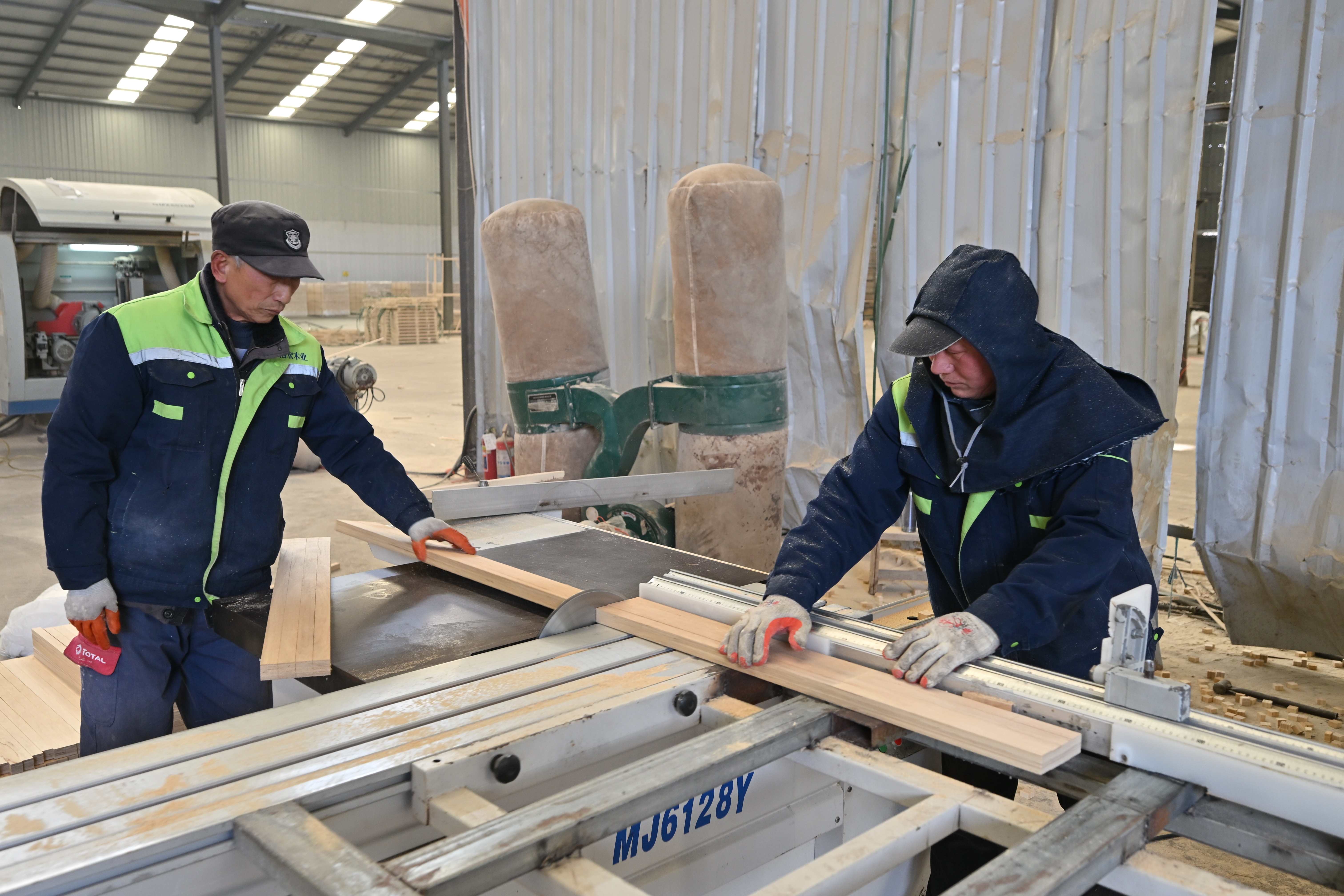
Production and finishing lines at Dalian WADA’s factory in Dalian, China.
Representative panel specifications
The specification ranges below represent the main product families available through the procurement unit. All figures are published product parameters.
| Product | Typical sizes | Thickness | Core / face options | Glue / emission class |
|---|---|---|---|---|
| MDF | 4×8 – 8×16 ft | 1.2 – 50 mm | Wood fiber; continuous flat pressing with Difenbach & Sinbelkamp (Germany) equipment | E0 / CARB P2 / E1 |
| Melamine board | 4×8 – 7×9 ft | 2 – 30 mm | Melamine paper / PET film / HPL faces; plywood, MDF, PB, or blockboard core | E0 / CARB P2 / E1 / E2 |
| Film faced plywood | 1200×2400, 1220×2440, 1250×2500, 1500×3000 mm | 4 – 35 mm | Fingerjoint, poplar, combi, hardwood, pine, or Russia birch core | MR / melamine WBP / phenolic WBP |
| Marine plywood | 4×8 – 4×9 ft | 9 – 25 mm | Birch / okoume faces; poplar, birch, okoume, or combi core | Melamine WBP / phenolic WBP |
| Structural plywood | 3×6 – 4×8 ft | 9 – 28 mm | Larch / pine faces; eucalyptus, larch, pine, or combi core | Melamine WBP / phenolic WBP |
| Commercial plywood | 4×8 ft or as required | 2 – 25 mm | Birch, pine, okoume, bintangor, sapeli, poplar faces; veneer grades B/BB to C/C | E0 / CARB P2 / E1 / E2 / WBP |
| Veneered board | 4×8 – 7×9 ft | 2 – 25 mm | White oak, red oak, black walnut, parota, wenge, ash, birch, pine, sapeli, or engineered veneer | E0 / CARB P2 / E1 / E2 |
| LVL bed slats | 25 – 190 mm width | 7 – 15 mm | Birch / beech / poplar faces; birch / poplar core | E0 / E1 |
Density and moisture ranges are specified per family: MDF spans 500–1000 kg/m³ with 5–13% moisture content; plywood families generally range from 520 to 750 kg/m³ with 8–12% moisture content. Grades include furniture, construction, structural, shipbuilding, and industrial classes.
Where Long-Term Panel Supply Matters Most
Dalian WADA’s product families map to specific application scenarios, each with different performance requirements and procurement priorities.
Construction and concrete formwork
Film faced plywood and structural plywood serve the construction and fit-out industry. Film faced plywood is specified for building construction, concrete engineering, formwork, precast concrete, and infrastructure projects; depending on core and film quality, it can be reused 2–40 times in concrete projects. Structural plywood with larch or pine faces and eucalyptus, larch, pine, or combi cores is used in residential and commercial building, roofing and flooring systems, formwork, timber frame construction, and modular or prefabricated buildings.
Marine and high-moisture environments
Marine plywood uses birch or okoume faces with weather- and boil-proof (WBP) glue lines, making it suitable for shipbuilding, boat and yacht manufacturing, coastal and waterfront construction, outdoor infrastructure, and industrial heavy-duty packaging.
Furniture manufacturing
Furniture producers draw on MDF, melamine board, veneered board, commercial plywood, and LVL. LVL bed slats are used in bedroom furniture production, hospitality furniture supply, and e-commerce furniture. Melamine board serves cabinet and wardrobe manufacturers, while veneered board is used for visible furniture surfaces and interior fit-outs. MDF with E0, CARB P2, or E1 emission classes supports furniture, routed-board, lightweight high-strength board, and water-resistant board applications.
Distribution and wholesale
For building material distributors and wholesalers, the integration model reduces the number of suppliers needed to stock a complete catalog. One partner can cover plywood, MDF, melamine board, veneered board, and LVL with export-standard pallet packing, under a single order interface with a standard MOQ of one 40-foot container.
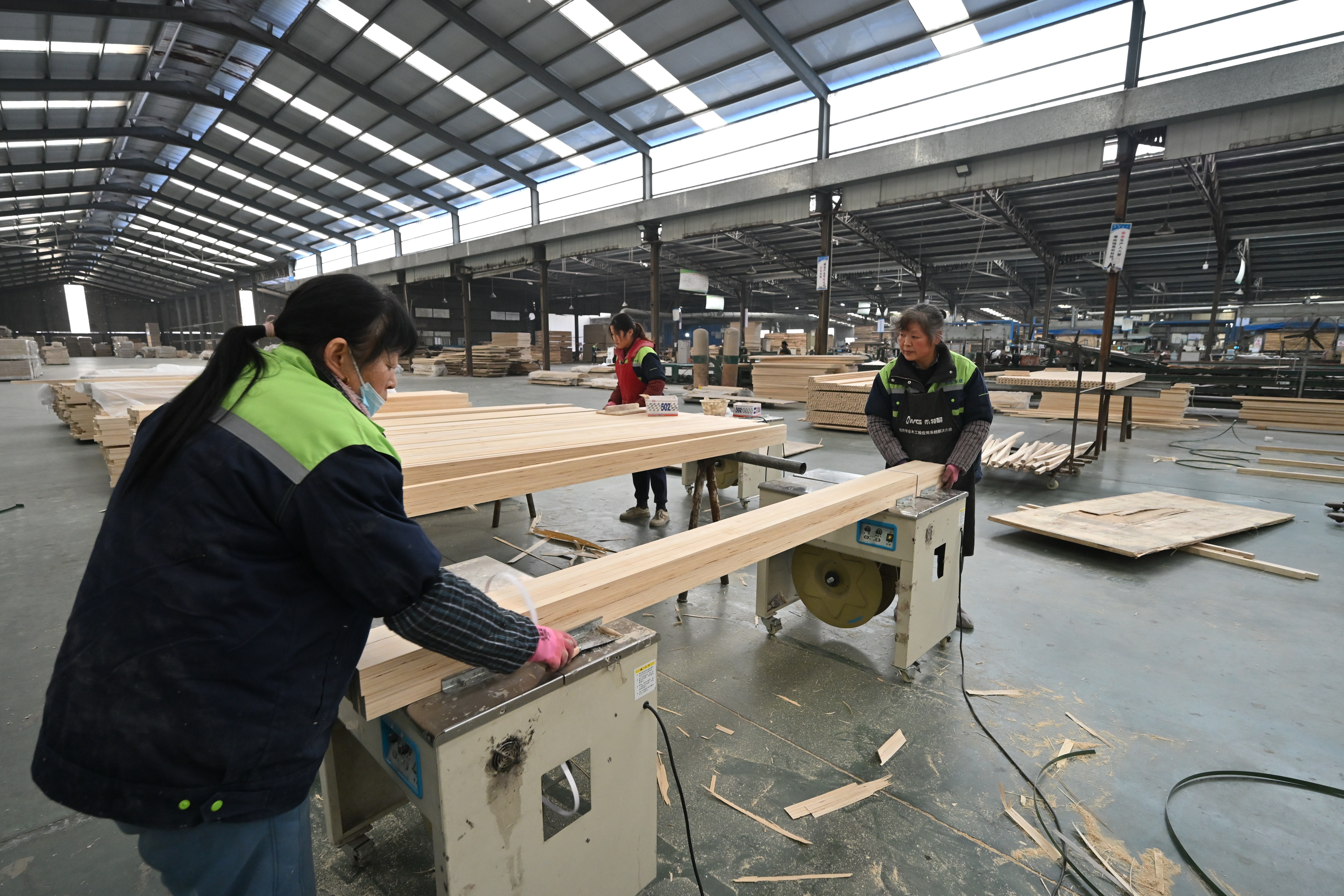
Panel inventory and processing at Dalian WADA’s production base.
Market Trends Favoring Long-Term Wood Panel Partnerships
Public market data indicates that engineered wood panels remain a growth category. Grand View Research valued the global plywood market at USD 80.57 billion in 2025, with Asia Pacific holding the largest revenue share of 39.4%. The global MDF market is projected to grow from USD 44.96 billion in 2025 to USD 82.24 billion by 2033, at a compound annual growth rate of 8.2%. Wood plastic composites reached an estimated USD 8.89 billion in 2025, with a projected CAGR of 11.7% through 2033. OSB production surpassed 32 million cubic meters globally in 2024, led by the United States at 14 million cubic meters.
Compliance requirements are tightening in parallel. In the European Union, wood-based panels used in construction must comply with the harmonized standard EN 13986 for CE marking eligibility (European Panel Federation). In the United States, the EPA TSCA Title VI regulation sets formaldehyde emission limits of 0.11 ppm for MDF and 0.05 ppm for hardwood plywood. China remains a significant supplier in the trade: it was the second-largest exporter of raw timber (HS 44) to the U.S. in 2024, contributing USD 2.17 billion, a 9% share of that category (ITC / US Census Bureau).
These conditions favor suppliers that combine scale with certification depth. WADA’s products are certified under FSC, EUDR, CARB P2, EPA, JAS, and JIS, covering forest stewardship, deforestation due diligence, and formaldehyde emission limits for regulated markets. For long-term buyers, documented compliance reduces the cost of re-validation in every new contract period.
Comparison With Traditional Panel Trading Models
Two sourcing models dominate the wood panel trade: the traditional trading model, in which a supplier sells a limited range of panels, and the integrated ecosystem model, in which one manufacturer provides finished products plus production capability. Dalian WADA follows the second model.
A comparison with Shouguang Wanda Wood Co., Ltd., a supplier in the same trade, illustrates the distinction. According to WADA’s analysis, Shouguang Wanda mainly offers 5–6 panel products with no production equipment or system integration, while WADA reports 10+ panel categories and 15+ types of machinery. WADA serves both buyers of finished panels and manufacturers building or upgrading factories; a panel-only supplier is limited to standard panel supply for trading or distribution.
For buyers investing in production capacity, WADA provides unified support for the entire production line, with clear responsibility and system compatibility. Production-line solutions are designed to reduce labor by 30–50% through automation and process optimization. For buyers who only need finished panels, the same integrated supply chain provides direct access to factory output and multi-stage quality control.
Future Outlook: Compliance Depth and Supply Continuity
Three factors are likely to shape long-term wood panel procurement in the coming years. First, regulatory compliance will become a stronger selection criterion. Certifications such as FSC, EUDR, CARB P2, EPA, JAS, and JIS are already part of WADA’s product standards, and buyers in the EU and North America increasingly treat such documentation as a prerequisite rather than a differentiator.
Second, raw material traceability will move from due-diligence checklists into contract terms, especially for buyers serving regulated markets. Suppliers with documented sourcing and long-term upstream relationships are better positioned to provide the evidence chains that importers need.
Third, the boundary between panel buying and production capability is blurring. Some distributors are expanding into finishing or converting; some furniture manufacturers are evaluating in-house panel production. A supplier that can offer both finished boards and production-line equipment becomes a strategic counterpart for these transitions. These trends raise the cost of switching suppliers frequently, which strengthens the case for evaluating wood panel sourcing as a long-term partnership decision.
Frequently Asked Questions
What types of wood panels does Dalian WADA supply?
Dalian WADA International Trading Co., Ltd. supplies LVL, plywood, veneered board, MDF, OSB, wall panels, and woodworking machinery. Its panel portfolio includes commercial plywood, film faced plywood, marine plywood, structural plywood, melamine board, veneered board, and LVL bed slats.
What are the standard order terms for wood panels?
The minimum order quantity is one 40-foot container. Delivery terms are FOB or CIF. Payment options include T/T 30/70 and T/T 50/50. Pre-shipment testing is available as the acceptance step before dispatch.
Which certifications does the company hold?
WADA’s products are certified under FSC, EUDR, CARB P2, EPA, JAS, and JIS, covering environmental stewardship, deforestation due diligence, and formaldehyde emission limits for regulated markets.
Does WADA support custom sizes and surface finishes?
All product lines support personalized size and surface customization to meet diverse market demands, including custom faces such as melamine paper, PET film, HPL, and engineered veneer.
How does WADA maintain quality consistency across repeated orders?
The company uses multi-stage quality inspection, a quality control team supported by technical staff with timber-industry experience, and pre-shipment testing as the acceptance step. Production planning and long-term raw material supplier relationships support delivery and cost stability.
Can buyers of finished panels also invest in production lines?
Yes. WADA supplies both finished panels and complete production lines, covering the full value chain from manufacturing to end products. Buyers can choose between purchasing panels directly or investing in production capacity depending on their business stage.
What is the company’s production capacity?
Monthly production capacity for panels is over 10,000 cubic meters, supported by a 53,950 m² factory, approximately 200 employees, and an R&D team of 25 engineers.
About Dalian WADA International Trading Co., Ltd. — Established in 2010, WADA GROUP integrates independent R&D, standardized intelligent production, strict quality control, and global sales service, and has built long-term cooperative partnerships across more than 50 countries.
Website: www.wadaplywood.com
Email: wada@wadatrade.com
Tel / WhatsApp: +86 131-3003-0584
Address: Room 702, Building A, Xinghai International Financial Center, No.13-15, Area A Xinghai Square, Shahekou District, Dalian, China