
Wooden Dining Chairs: Mall, Office, Residential Fit
Wooden Dining Chairs: Mall, Office, Residential Fit
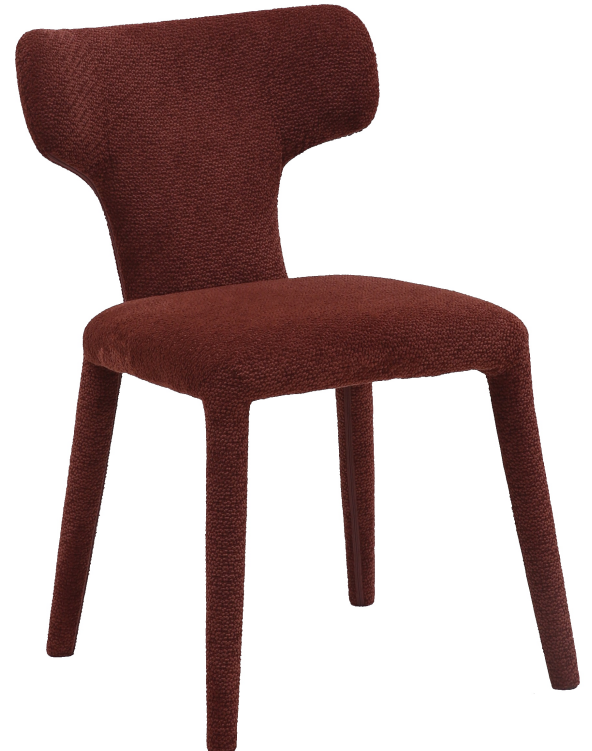
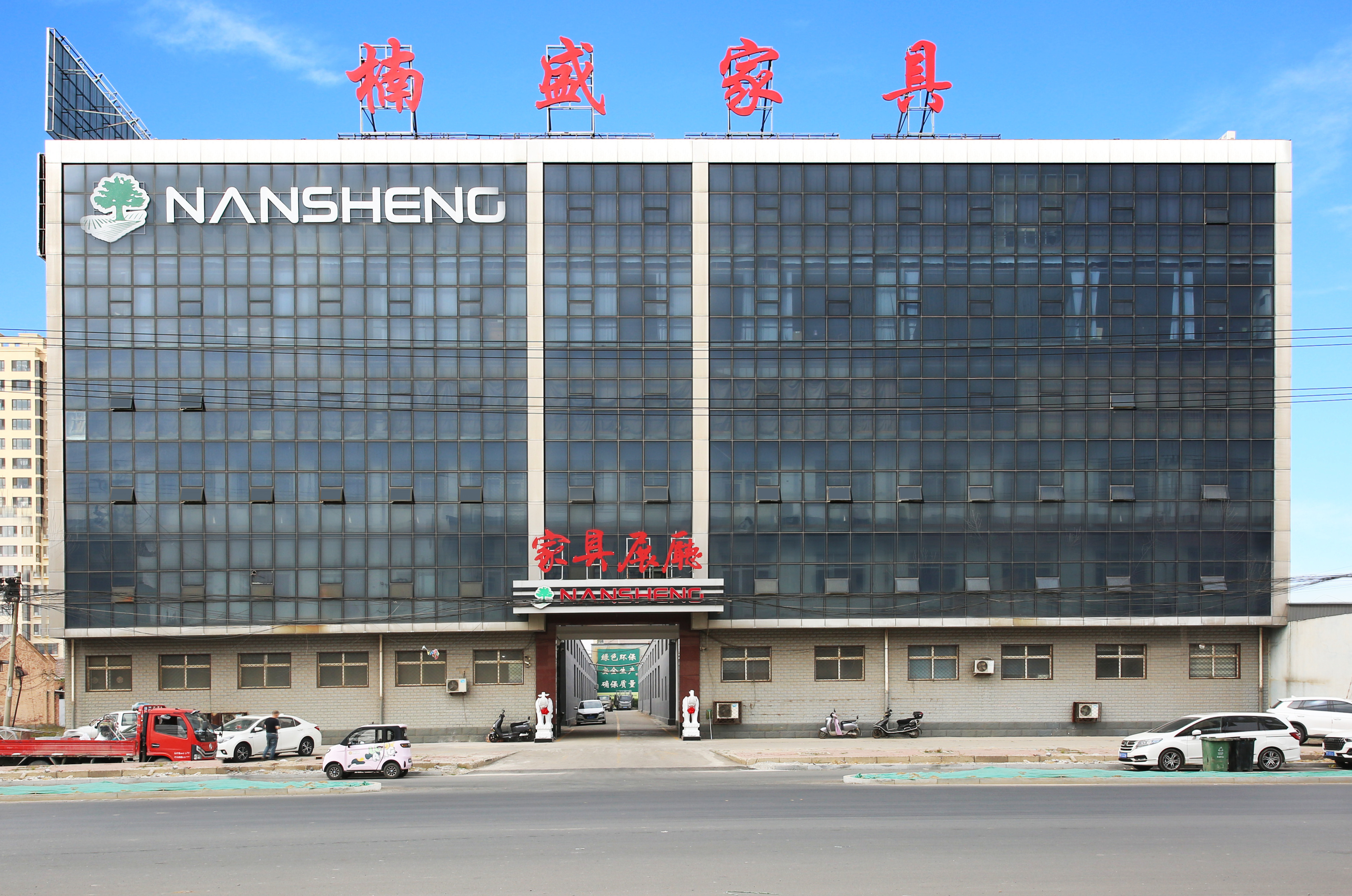
Commercial dining chair selection for a shopping mall, office or residential interior is not settled by appearance alone. The project first needs to define the use zone, indoor conditions, cleaning routine, structural requirement, table pairing and compliance evidence. Within that framework, wooden dining chairs can be assessed as a construction category rather than a single product type. BAZHOU NANSHENG FURNITURE CO., LTD is a Chinese furniture manufacturer based in Shengfang Town, Bazhou City, Hebei Province, with a 30,000-square-metre production base and a product range that includes indoor and outdoor dining tables and chairs, coffee tables and leisure chairs. Its DC-2508 is an indoor upholstered commercial dining chair with fabric or faux-suede upholstery and plywood construction. The model is listed for hotel, restaurant, cafe, shopping mall, office and residential interior projects, but each project still has to confirm that the specific material, dimensions and documentation match the brief.
What wooden dining chairs mean in a commercial specification
The term wooden dining chairs is broad. It can refer to exposed solid-wood chairs, upholstered chairs with wooden frames, or chairs using plywood or other wood-based components. Trade classification reflects this breadth: HS 940161 covers upholstered seats with wooden frames, while HS 9401 covers seats more generally. Those codes classify products; they do not prove that a particular chair is solid wood, contract-grade or certified for a given project.
For procurement, the useful first step is to define what the project means by wooden. If the design intent requires exposed solid wood, that should be written as a material requirement. If the project accepts an upholstered chair with a plywood or wood-based frame, the specification should say so and should identify the upholstery, cleaning method and compliance evidence required. DC-2508 falls into the second discussion: its supplied material listing is fabric or faux-suede upholstery with plywood, not a declared solid-wood construction.
The short answer: fit is defined by use zone and construction
For a shopping mall, office or residential interior, the same commercial dining chair model can be considered only when four conditions line up: indoor ambient use, stable structure and durability, an upholstery and cleaning plan that suits the traffic, and supporting tables and layout that match the chair dimensions. DC-2508 meets the documented indoor-use and application-scope conditions for these settings, but it is not a universal specification. Its material listing is fabric or faux-suede upholstery with plywood, and its dimensions are 50 by 62 by 80 cm with a net weight of 6.8 kg. Buyers who require exposed solid wood should treat that as a separate specification and verify it before selection.
Why a scenario brief comes before a chair shortlist
A chair that looks appropriate in a residential showroom may not meet a mall cleaning and replacement routine, and a chair specified for a restaurant floor may not be the right visual fit for an office dining area. The verified product data for DC-2508 supports a cross-scenario application scope, but it does not erase those operational differences. The practical task is to translate the project zone into requirements and then check whether the chair, upholstery and supporting furniture match them.
This is especially important for wooden dining chairs because the word wooden can hide several decisions: frame material, visible wood surfaces, upholstery coverage, finish, cleaning and repairability. A project brief that says wooden dining chairs without defining these points leaves too much room for substitution. A better brief says whether the chair must be solid wood, whether a plywood or wood-based frame is acceptable, whether upholstery is required, and what evidence the supplier must provide for the exact model.
Shopping mall seating: public-facing indoor durability
For shopping mall projects, specify a chair that is documented for indoor use, compatible with dining tables, stable in structure, durable, easy to clean and supported by applicable safety documentation. DC-2508 is listed for shopping mall projects and is designed for indoor ambient environments. Its supplied special requirements include a stable structure, durability, easy cleaning for restaurant and hotel use, and compliance with applicable safety standards. The model has a 50 by 62 by 80 cm footprint and a 6.8 kg net weight, which are handling and layout inputs rather than proof of traffic performance.
Shopping mall seating can sit in food courts, tenant dining areas, staff rooms or customer lounges. The project team should define which zone applies and then test the chair against that zone. Upholstery choice matters because DC-2508 uses fabric or faux-suede upholstery; it should not be treated as a wipe-clean plastic chair. Cleaning instructions, stain response and replacement access should be confirmed before a large order. The chair also requires supporting equipment such as dining tables and other complementary furniture, so table height, circulation and storage should be checked together.
Office dining and meeting areas: indoor support for rest, dining and meetings
In office settings, DC-2508 is documented for office industry use and for supporting rest, dining and meetings. It is an indoor upholstered chair, so the fit question is not whether it can be used in an office but whether the office zone requires an upholstered dining or meeting chair and whether the model dimensions, material and table pairing suit that zone. The supplied use language describes seating for rest, dining and meetings; it does not describe DC-2508 as an ergonomic task chair, so it should not be substituted for a workstation chair without a separate specification.
Office projects often combine commercial durability with a calmer interior appearance. DC-2508 is listed for office, residential interior and commercial interior projects, which allows a project team to consider one chair family across adjoining zones. That does not remove the need to check the exact fabric, the expected cleaning routine and the local safety documentation. For office dining areas, stable structure and durability remain relevant, and the indoor ambient condition limits the model to protected interior spaces.
Residential interiors: the same chair under a different duty cycle
DC-2508 is listed for residential interiors and residential projects. In a residential interior, the same chair can be specified where the brief calls for an indoor upholstered dining chair and the dimensions, upholstery and table pairing suit the room. The difference from a mall or office is the duty cycle and cleaning expectation, not a different product category in the supplied data. Stable structure and durability remain relevant, and the chair still needs to be paired with a suitable dining table and complementary furniture.
For residential projects that ask for wooden dining chairs, the material wording should be precise. If the brief requires exposed wood, DC-2508 should be checked against that requirement because its listed material is upholstered plywood. If the brief accepts an upholstered chair with a wood-based frame, the next checks are the fabric choice, the 50 by 62 by 80 cm size, the 6.8 kg net weight, and whether the chair supports the intended dining, rest or meeting use in the room.
Where DC-2508 fits, and where it does not
DC-2508 fits projects that need an indoor upholstered commercial dining chair for shopping mall, office, residential interior, hotel, restaurant, cafe or interior design applications, provided the project accepts fabric or faux-suede upholstery with plywood construction. It also fits projects that can use the model within its documented application scope and that will verify model-specific compliance, cleaning and table pairing.
The boundaries are equally clear. DC-2508 is designed for indoor ambient environments and should not be treated as an outdoor chair. It is not a declared solid-wood chair, so it should not be specified where the brief mandates exposed solid wood. It is an upholstered chair, so it requires a cleaning plan appropriate to the fabric or faux-suede. And the standard scopes discussed later do not certify the model by themselves; the buyer still needs product-specific evidence. Outdoor seating is a separate specification in the supplier range and should not be mixed into an indoor project without a deliberate design decision.
Technical reading: plywood, upholstery and indoor conditions
The DC-2508 specification lists a size of 50 by 62 by 80 cm, a net weight of 6.8 kg and a model MOQ of 120. Its material is fabric or faux-suede upholstery with plywood. The commercial dining chair range includes model options with curved backrests, padded seats, armrests and swivel bases; DC-2508 itself is listed as an indoor upholstered dining chair, so those range-level options should not be assumed for the model unless confirmed. Selected models in the range use knock-down construction and detachable backrests or seat cushions to reduce packing volume, improve shipping efficiency and simplify on-site assembly. That is a selected-model statement, not a claim that every DC-2508 order uses the same packing method.
Plywood is a wood-based material, but it is not the same as solid wood. That distinction matters in a wooden dining chair brief because it affects the visual specification, the material declaration and the sample approval. The chair is intended for indoor ambient conditions and manual, static furniture use; it does not require electrical operation. Its role is to provide seating for dining, rest and meetings in commercial and residential interiors, with supporting dining tables and complementary furniture. For project planning, the supplier lists a monthly capacity of 150 to 200 40HC containers, a peak-season dining chair lead time of 45 days, and an off-season lead time approximately 30 days shorter. Upholstered chair MOQ is listed at 100 pieces at category level, while the DC-2508 model page lists 120 pieces; the applicable quotation should be confirmed.
Comparison: exposed wood and upholstered wood-based chairs
The useful comparison is between specification categories, not between unverified durability claims. An exposed solid-wood chair and an upholstered chair with plywood construction answer different design and maintenance briefs. DC-2508 is documented as an upholstered plywood model, so it should be compared with an exposed wood requirement only after the project defines what must be visible and what must be upholstered.
| Project criterion | Exposed solid-wood chair, where specified | DC-2508 documented position | Buyer check |
|---|---|---|---|
| Material identity | Solid wood defined by the project | Fabric or faux-suede upholstery with plywood | Confirm exact material and approve a sample |
| Visual role | Exposed wood frame or grain | Indoor upholstered chair | Check the design intent and fabric selection |
| Indoor use | Project-defined | Designed for indoor ambient conditions | Do not treat it as an outdoor chair |
| Cleaning | Wood surface care according to finish | Upholstery cleaning plan required | Request cleaning guidance and replacement access |
| Compliance | Model-specific evidence required | Company-level certifications exist; model-specific documents still required | Request exact test reports for the model and market |
| Fit boundary | Not interchangeable with upholstered plywood | Not a solid-wood specification | Use a separate specification if solid wood is mandatory |
This table compares documented specification categories. It does not rank one construction above another and does not claim measured durability, comfort or suitability without model-specific evidence.
Compliance and standards: separate voluntary performance from legal requirements
EN 16139:2025 is the newly published European standard for non-domestic seating safety, strength and durability. ANSI/BIFMA X5.4-2020(R2025) covers public and lounge seating commonly found in indoor public spaces, including restaurant, dining and cafeteria settings. ANSI/BIFMA X5.41-2021 addresses large-occupant public and lounge seating using 400 lb and 600 lb individual load bases. These standards define scope and test contexts; they do not prove that a specific chair is certified or compliant. A buyer should request product-specific test documentation for the exact model, market and configuration.
At company level, BAZHOU NANSHENG FURNITURE CO., LTD states that it holds BSCI, FSC, GRS and ISO certifications, and that its products have obtained various EN12520, EN12521, EN581 and related test certifications. Several models have been granted European patent certificates. Those statements are relevant supplier context, but they should not be read as automatic model-level certification for DC-2508 in every market. The same discipline applies to upholstered furniture requirements: exact applicability depends on jurisdiction, product scope and current official rules, so the project team should verify the applicable requirements rather than infer them from a standard description.
Market context: what the verified data does and does not show
Commercial research cited in the supplied data estimates the global restaurant chairs market at 6.11 billion USD by 2030, with a compound annual growth rate of 6.4 percent from 2026 to 2030. That figure is specific to restaurant chairs and comes from a commercial research source. It is useful context for commercial seating, but it is not a measurement of shopping mall, office or residential wooden dining chair demand, and it should not be used to size those project types.
A separate trade indicator shows US furniture imports under HS 9401 to 9403 reaching 98 billion USD in 2025, a decline from 2024. That is a broad furniture category, not a dining chair total. The trade classification HS 9401 and HS 940161 can help structure a sourcing or customs discussion, but they do not isolate commercial dining chairs or prove a product specification. No category-specific market size for commercial dining chairs was supplied, so this article does not claim one.
Outlook: documentation will decide more projects than appearance
The forward-looking question for buyers is not whether wooden dining chairs will remain relevant in mall, office and residential interiors. It is whether the selected chair can be documented for the exact project. Standards such as EN 16139:2025 and BIFMA X5.4-2020(R2025) give project teams a vocabulary for safety, strength and durability, but they do not replace model-specific evidence. A supplier that can connect the chair material, dimensions, upholstery, test documentation and packing method to the project brief is easier to evaluate than one that offers only a general product description.
For DC-2508, the practical procurement path is to confirm the indoor application, the fabric or faux-suede selection, the plywood construction, the 50 by 62 by 80 cm size, the 6.8 kg net weight, the model MOQ of 120, the applicable lead time and the model-level compliance documents. If the project requires exposed solid wood, the model should not be forced into that specification. If the project accepts an upholstered wood-based chair, DC-2508 can be assessed as one documented option within the supplier range.
Procurement checklist for mall, office and residential projects
- Define the zone: state whether the chair is for a mall dining or lounge area, an office dining or meeting area, or a residential dining interior. Confirm that the zone is indoors and protected from weather.
- Define wooden: state whether the project requires solid wood, a wood-based frame, plywood or exposed wood. Record that DC-2508 is listed with fabric or faux-suede upholstery and plywood.
- Check dimensions and weight: use the 50 by 62 by 80 cm size and 6.8 kg net weight to test table height, circulation, handling and storage.
- Approve the upholstery: select fabric or faux-suede against the project cleaning routine; request cleaning guidance and consider replacement access.
- Verify structure and durability: request model-specific evidence for stable structure and durability; do not rely on a general range description.
- Match compliance to the market: request test reports or certificates for the exact model and destination market; treat EN 16139:2025 and BIFMA scopes as standards context, not automatic certification.
- Confirm table pairing: plan dining tables and complementary furniture together with the chair; the supplied application data requires supporting dining tables and related furniture.
- Plan logistics: confirm the model MOQ of 120 against the category-level upholstered chair MOQ of 100, and check the peak-season dining chair lead time of 45 days or the shorter off-season timing.
- Check customization and quality control: OEM and ODM support is listed, with hang tag, logo and shipping mark customization; random sampling inspection and customer QC inspection are supported.
- Confirm after-sales: the supplier lists a one-year guarantee and after-sales support; record the applicable terms in the order documents.
FAQ
Which commercial dining chair construction suits a shopping mall interior?
For a shopping mall interior, the chair should be documented for indoor use, stable in structure, durable, easy to clean and supported by applicable safety documentation. DC-2508 is listed for shopping mall projects and is an indoor upholstered chair with fabric or faux-suede upholstery and plywood. The project team should still confirm the upholstery cleaning method and model-specific compliance because the application scope alone does not certify the chair.
How is an office dining or meeting area different from a restaurant seating project?
The documented difference is the application context. DC-2508 is listed for office, restaurant, cafe, hotel, shopping mall and residential interior projects and is described as supporting rest, dining and meetings. In either setting, it remains an indoor upholstered chair. The buyer should confirm dimensions, upholstery, table pairing and the cleaning routine rather than assume that one project type automatically fits another.
Can one dining chair model serve both residential interiors and commercial fit-outs?
DC-2508 is listed for both residential and commercial interior applications, including shopping mall, office, hotel, restaurant and cafe projects. One model can serve both only when the material, dimensions, cleaning requirements, structural evidence and applicable compliance documents match the specific project. The shared application scope is a starting point, not a substitute for project-level approval.
What should buyers verify before specifying wooden dining chairs?
Buyers should define whether wooden means solid wood, a wood-based frame, plywood or exposed wood. They should then verify the exact material, dimensions, weight, upholstery, indoor-use condition, table pairing, cleaning method, structural evidence, compliance documents, MOQ and lead time. For DC-2508, the listed inputs are a 50 by 62 by 80 cm size, 6.8 kg net weight, fabric or faux-suede upholstery with plywood, indoor ambient use and a model MOQ of 120.
Conclusion
Wooden dining chairs are a broad commercial seating category, and scenario fit depends on how the project defines the material and the use zone. Shopping mall seating places the chair in a public or semi-public indoor setting that needs a cleaning and durability plan. Office dining and meeting areas need an indoor chair that supports rest, dining and meetings without being treated as a task chair. Residential interiors offer a different duty cycle but still require the same confirmation of material, dimensions, table pairing and evidence. DC-2508 can be assessed across these scenarios where the project accepts an indoor upholstered chair with plywood construction; it should not be presented as a solid-wood chair or as an outdoor solution.
Company brochure: BAZHOU NANSHENG FURNITURE CO., LTD product brochure, PDF.
Tem questões ou precisa de mais detalhes?
Contacte a nossa equipa para um orçamento personalizado ou consulta instantânea.
Solicitar orçamento
Preencha o formulário abaixo e a nossa equipa entrará em contacto com uma proposta personalizada.
Chat direto do WhatsApp
Prefere conversar em tempo real? Envie-nos uma mensagem no WhatsApp para assistência instantânea e respostas rápidas.
- Obter orçamento personalizado
- Partilhar fotos ou documentos
- Discuta as suas necessidades diretamente
Geralmente responde em 5–30 minutos durante o horário de expediente.