
Xuping Jewelry: Patents, Process and Peer Benchmarks
Xuping Jewelry: Patents, Process and Peer Benchmarks
For wholesale fashion jewelry buyers, supplier capability is more useful when it can be checked against specific evidence: product-development resources, production controls, customization scope and order terms. Xuping Jewelry is a fashion-jewelry manufacturer and wholesaler whose supplied company information reports 194 patents, an 18-stage production process and OEM/ODM services. Those figures describe elements of its stated capability; on their own, they do not establish product performance or prove that Xuping outperforms other suppliers.
This distinction matters when assessing the assigned question: how do Xuping’s patents and procedures compare with peers? The available material supports a structured assessment of Xuping and a practical framework for comparing suppliers. It does not provide equivalent, independently verified peer data, so a numerical ranking or claim of comparative superiority would not be justified. Buyers can still use the disclosed figures to shape due diligence: identify what each figure means, ask for evidence relevant to the actual SKU, and compare like with like.
What the reported patent and production figures tell buyers
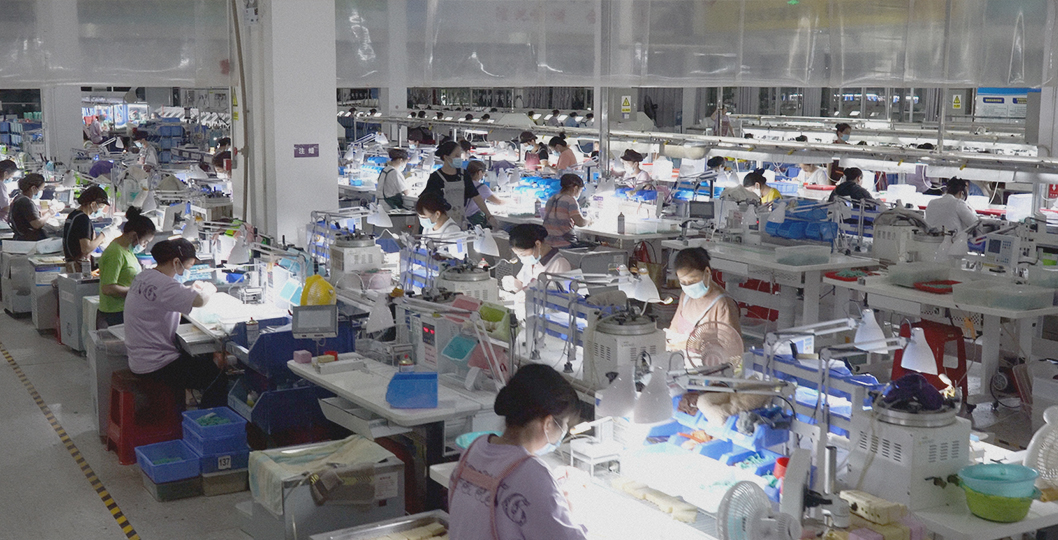
Xuping Jewelry’s company information reports 194 patents and a production base exceeding 200,000 square meters. It also reports more than 1,200 production facilities, a research and design team of 150 designers, and more than 4,000 employees. These are company-provided scale and capability figures, not independent peer-comparison results.
For buyers, the patent count is best treated as an indicator to investigate the company’s development activity—not as a direct measure of whether a specific pair of fashion jewelry earrings, necklace or bracelet will meet a product brief. A patent count does not by itself establish which designs or processes are covered, whether a patent applies to the item being sourced, or how a particular product performs. If intellectual-property coverage matters to a custom fashion jewelry project, ask which design or technical element is relevant and what documentation can be shared for that project.
The reported production footprint and design-team size have a different procurement use. They provide context for questions about how development, production and wholesale operations are organized. They do not guarantee a particular design’s availability, production slot, quality level or delivery date. Buyers should connect each broad company figure to the order under consideration: the selected product category, confirmed specification, approved sample, quantity and written schedule.
Likewise, the company profile reports annual output of more than 100 million pieces, while the capability information lists monthly capacity of 8,000,000 pieces. These are distinct reported measures; neither should be treated as a promise of capacity reserved for a buyer. For a bulk fashion jewelry order, the useful follow-up is whether the required product mix and quantity can be scheduled within the requested production window, and what confirmation will document that commitment.
How the 18-stage process relates to order control
Xuping’s company information says its goods go through 18 production procedures. Its capability information separately describes 100% full inspection and an 18-stage quality check. These statements indicate that the company describes a multi-step production and inspection approach. They do not identify, in the supplied material, every inspection point, the acceptance limits for each SKU or the specific records issued with an order.
That boundary is important. A procedure count is not a substitute for an agreed acceptance plan. Before placing an order, the buyer and supplier can make the process more actionable by confirming which product specification governs production, how sample approval is recorded, what checks are performed before shipment, and how a defect or mismatch is assessed. These are verification questions, not assumptions that a particular defect rate or test result has been achieved.
For a wholesale program, the same approach applies across a range of products. Fashion jewelry necklaces, bracelets, rings and earrings can differ in construction and materials, so a general statement about process should not be interpreted as evidence that every item has identical requirements or test documentation. Tie inspection records and approval criteria to the relevant SKU and order rather than relying only on a company-wide description.
OEM, ODM and customization: define the work before comparing suppliers
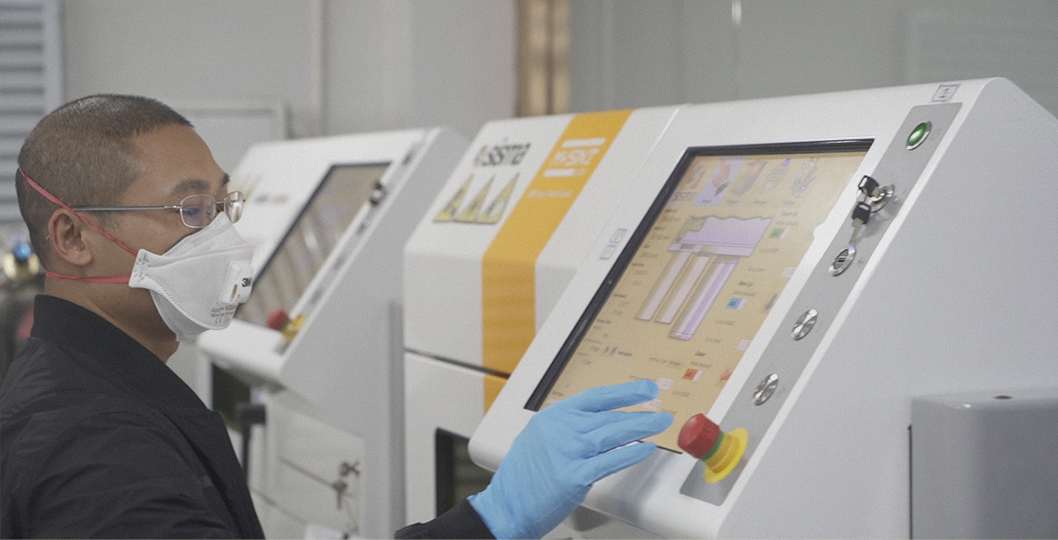
The supplied capability information identifies OEM/ODM production and customization options for engraved logos, hang tags and custom packaging. The company profile also describes one-stop OEM and ODM customization services. These are relevant capabilities for retailers, distributors and brands planning private-label or branded wholesale fashion jewelry, but the exact scope should be established for each project.
OEM and ODM describe different ways a buyer and manufacturer may organize a product project; the available information confirms that Xuping offers both service types but does not specify the design ownership, approval process, tooling arrangements or deliverables for a particular order. A buyer should therefore record the intended service model and confirm what the supplier will create, what the buyer will provide, and which elements—such as logo engraving, hang tags or packaging—are included in the agreed specification.
Low minimum order quantity is also stated in the capability unit as one piece. That figure can be useful when asking about a sample or small initial order, but it should not be read as proof that every custom design, packaging option or production configuration is available at that quantity. Confirm the MOQ for the exact model and customization requested, and distinguish a sample order from repeat wholesale production.
The listed lead time is 30–90 days. Because the supplied information does not define the start point or conditions for that range, buyers should request a written schedule for their order. The confirmed timing may depend on the selected items and approved project details; the range alone is not a delivery commitment for a particular shipment.
A practical peer-benchmark framework
A fair comparison requires the same questions to be asked of each supplier. The available evidence gives a starting profile for Xuping, but it contains no comparable, independently verified capability records for named peer manufacturers. The framework below therefore distinguishes Xuping’s reported information from the evidence a buyer would need to collect across a shortlist.
| Comparison dimension | Xuping information supplied | What to compare across peers |
|---|---|---|
| Product development | Company information reports 194 patents and 150 designers. | Ask each supplier for relevant design-development evidence and establish whether it applies to the product brief. |
| Production procedures | The company describes 18 production procedures; capability information lists an 18-stage quality check. | Compare documented process stages, product-specific checks and agreed acceptance criteria—not just a procedure count. |
| Scale and scheduling | Reported annual output is over 100 million pieces; listed monthly capacity is 8,000,000 pieces. | Request comparable capacity definitions and confirmation of capacity available for the same product mix and delivery window. |
| Customization | OEM/ODM services and engraved logos, hang tags and custom packaging are listed. | Compare the deliverables, approval steps, customization scope and written terms for the same project. |
| Quality and compliance documentation | An ISO 9001:2015 certificate is listed for design and production of metal jewelry; SGS documents identify specified standards and related products. | Check the issuer, validity, scope, named products and test standard against the buyer’s destination-market and SKU requirements. |
This framework is not a scorecard with predetermined weights. A buyer sourcing a new-design fashion jewelry collection may prioritize design-development evidence and sample approval, while a distributor ordering bulk fashion jewelry may focus more on order scheduling, repeat specifications and inspection documentation. The relevant comparison depends on the procurement requirement; no single company-wide number settles every supplier decision.
Reading certifications and test records within their stated scope
The supplied records list ISO 9001:2015 certification with a scope of design and production of metal jewelry. They also include SGS documents for specified standards and product groups, including necklaces, jewelry sets and earrings. This supports a bounded statement that relevant certification and test records are present in the supplied material. It does not show that every Xuping product, material or shipment is covered by every document.
For a particular wholesale fashion jewelry order, match the document to the item being purchased. Check the report or certificate number, issuing organization, stated scope, applicable product or model, standard and dates. For example, the supplied SGS records name REACH Regulation (EC) No 1907/2006 or IEC 62321 methods and identify related product models. Buyers should not assume that a record for one listed product automatically covers another SKU or a different material configuration.
This is also the right way to compare peer suppliers. A certificate name alone is not a complete comparison: the scope and product linkage matter. Ask all shortlisted manufacturers for documentation that addresses the same product type and procurement question, then compare what the records actually cover. Where a buyer has specific market or customer requirements, those requirements should be set before deciding whether the available documentation is sufficient.
Applying the capability evidence to a wholesale order
For a retailer or distributor evaluating a supplier, the evidence can be translated into an orderly qualification sequence. First, define the product range and intended use: for example, fashion jewelry necklaces and earrings for a retail assortment, or custom fashion jewelry with branded tags for a wholesale program. The company profile lists categories including rings, pendants, earrings, bracelets, necklaces, anklets, bangles and jewelry sets. That breadth helps identify what to discuss, but the selected SKU and specification still need confirmation.
Second, establish the customization boundary. Specify whether the project uses an existing design or requires OEM/ODM work, and list the requested details such as logo engraving, hang tags or custom packaging. Confirm the sample and approval steps before treating the product as ready for bulk production.
Third, agree how the order will be evaluated. Xuping’s procurement information lists a pre-shipment test as an acceptance criterion. Buyers should clarify what that test covers and how acceptance will be recorded for the products and quantity in the order. The capability information lists 100% full inspection, but the supplied material does not define the inspection checklist or acceptance thresholds; those should be confirmed in writing rather than inferred.
Finally, confirm commercial and scheduling details for the specific order. The procurement unit lists an MOQ of one piece and FOB delivery terms, as well as payment methods including PayPal, Western Union, MoneyGram, Bank of China and HSBC. Those listed terms should be verified for the actual transaction, including the applicable quantity, destination, agreed schedule and payment instructions. The stated 30–90-day lead-time range should likewise be converted into an order-specific schedule.
These checks do not replace a supplier comparison; they make it more precise. Buyers can compare Xuping and other candidates on identical product requirements and documentation requests, then distinguish stated company capability from evidence tied to the order. That is more defensible than treating a patent total, factory footprint or procedure count as a stand-alone verdict on supplier fit.
FAQ: Xuping’s wholesale fashion jewelry capabilities
What OEM and ODM customization does Xuping list?
The supplied capability information lists OEM/ODM production and customization options that include engraved logos, hang tags and custom packaging. The exact scope, design responsibilities and deliverables should be confirmed for the specific project.
Do 194 patents establish that Xuping’s products are superior to peer products?
No. The 194-patent figure is reported in company information. Without comparable peer records and product-level evidence, it does not establish superiority or prove that a patent applies to a specific item.
What do the 18 production procedures establish?
The company information describes 18 production procedures, and its capability information lists an 18-stage quality check. The supplied material does not specify every stage or the acceptance thresholds for each SKU, so buyers should confirm the relevant process and records for their order.
Can buyers compare Xuping’s certifications with other suppliers’ documents?
Yes, when the documents are compared by issuer, validity, scope, product or model, and standard. The supplied records have stated scopes and named related products; they should not be treated as blanket coverage for every product or shipment.
Does the supplied evidence support a peer ranking?
No. It provides capability information for Xuping but does not include equivalent, independently verified data for named peer suppliers. Buyers can use the comparison dimensions in this article to gather comparable evidence, but the available records do not support a ranking or a claim that Xuping leads its peers.
Conclusion
Xuping Jewelry’s reported patents, design resources, production procedures, OEM/ODM services and stated order terms offer concrete starting points for wholesale fashion jewelry supplier evaluation. Their procurement value depends on connecting each claim to the product, schedule and documentation being assessed. Since comparable peer evidence is not available in the supplied material, the responsible conclusion is a capability profile—not a league table. A fair supplier decision should compare like-for-like records and verify scope at SKU and order level.
Tem questões ou precisa de mais detalhes?
Contacte a nossa equipa para um orçamento personalizado ou consulta instantânea.
Solicitar orçamento
Preencha o formulário abaixo e a nossa equipa entrará em contacto com uma proposta personalizada.
Chat direto do WhatsApp
Prefere conversar em tempo real? Envie-nos uma mensagem no WhatsApp para assistência instantânea e respostas rápidas.
- Obter orçamento personalizado
- Partilhar fotos ou documentos
- Discuta as suas necessidades diretamente
Geralmente responde em 5–30 minutos durante o horário de expediente.