
Yongjiang PET Preform Injection Machines: A Deep Dive into Capability and Market Fit
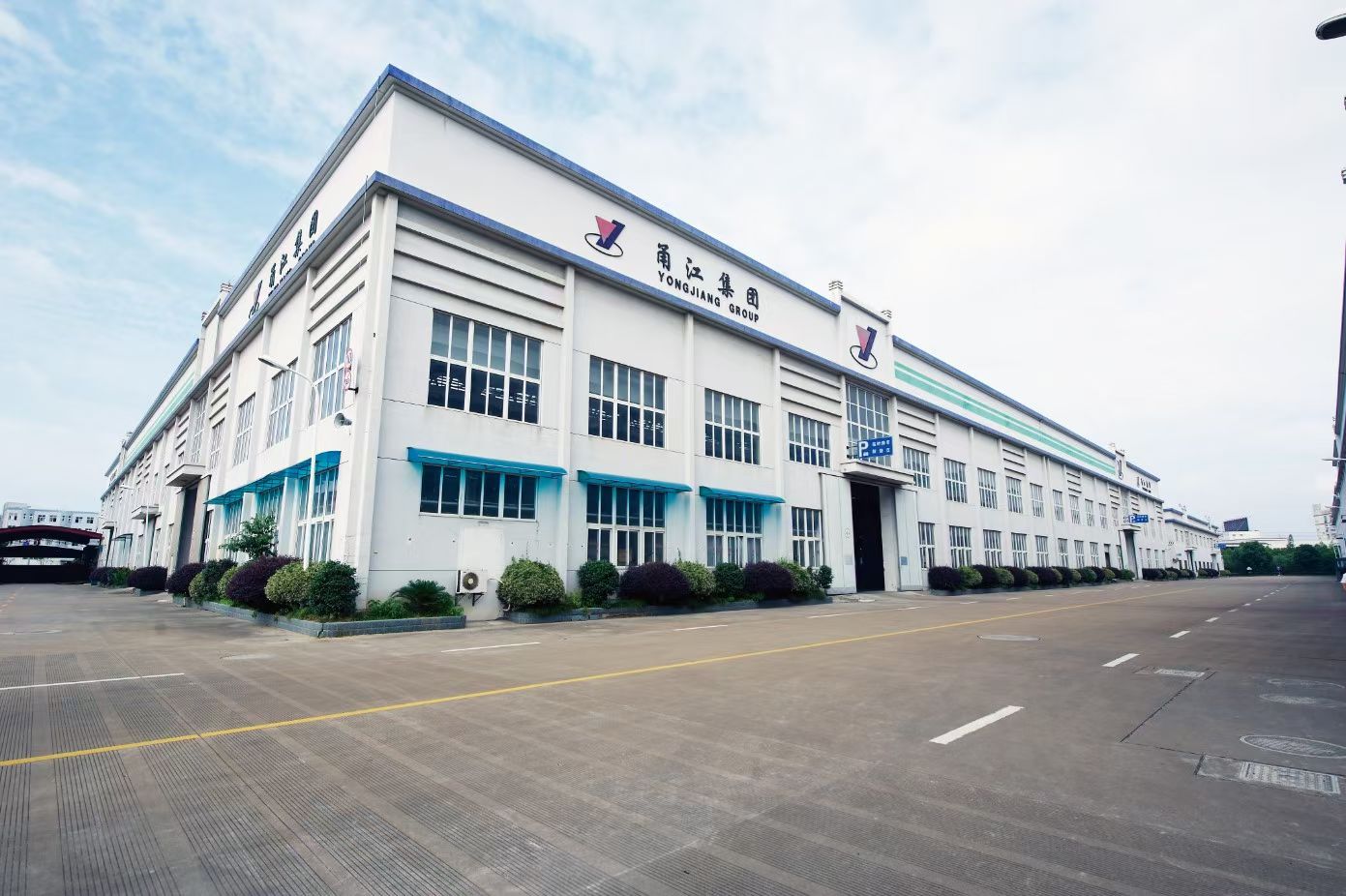
The global PET preform machines market is estimated at USD 9.9 billion in 2025, with injection molding technology holding a dominant 66.4% share. Within this expanding landscape, buyers seeking reliable, high-output production equipment increasingly evaluate established Chinese manufacturers for cost-effective solutions. Ningbo Yongjiang Machine Co., Ltd. (Yongjiang) is one such manufacturer, producing over 30 types of injection molding machines with clamping forces from 40t to 1600t, and specializing in PET preform applications for over 35 years.
Problem & Opportunity: Scaling PET Preform Production
As demand for bottled water, carbonated soft drinks, edible oils, and cosmetic containers rises globally, producers need injection molding systems that balance speed, precision, and cost. High-end systems from leaders like Husky dominate the premium segment, but mid-market and emerging-region factories require accessible machines that deliver consistent preform quality without the six-figure premium. This gap creates an opportunity for manufacturers like Yongjiang, whose YJPT series addresses the core requirements: multi-cavity molding, energy-efficient servo drives, and 24/7 continuous operation.
Brand Solution: Yongjiang’s YJPT Series PET Preform Injection Machines
Yongjiang’s dedicated PET preform injection molding machine series, the YJPT and YJHB, includes models ranging from 260 tons to 400 tons. The lineup is designed to support 24-hour continuous high-speed production with precise wall thickness and smooth surface finish. According to company specifications, the machines use QT500-A7 steel for the clamping structure and are equipped with specially designed plasticizing screws compatible with PET material. The R&D team of 25 engineers focuses on optimizing cycle times and energy consumption, with reported power savings of 30%–50% compared to conventional hydraulic machines.
Key models include:
| Model | Clamping Force (ton) | Screw Ø (mm) | Shot Weight (g) | Tie Bar (mm) | Motor Power (kW) | Weight (ton) |
|---|---|---|---|---|---|---|
| YJPT-260 | 260 | 72 | 1,400 | 580×580 | 42 | 9 |
| YJPT-318 | 318 | 77 | 1,900 | 620×620 | 80 | 13 |
| YJPT-360 | 360 | 95 | 3,450 | 680×680 | 80 | 16 |
| YJHB-400 | 400 | 95 | 3,450 | 720×720 | 80 | 16 |
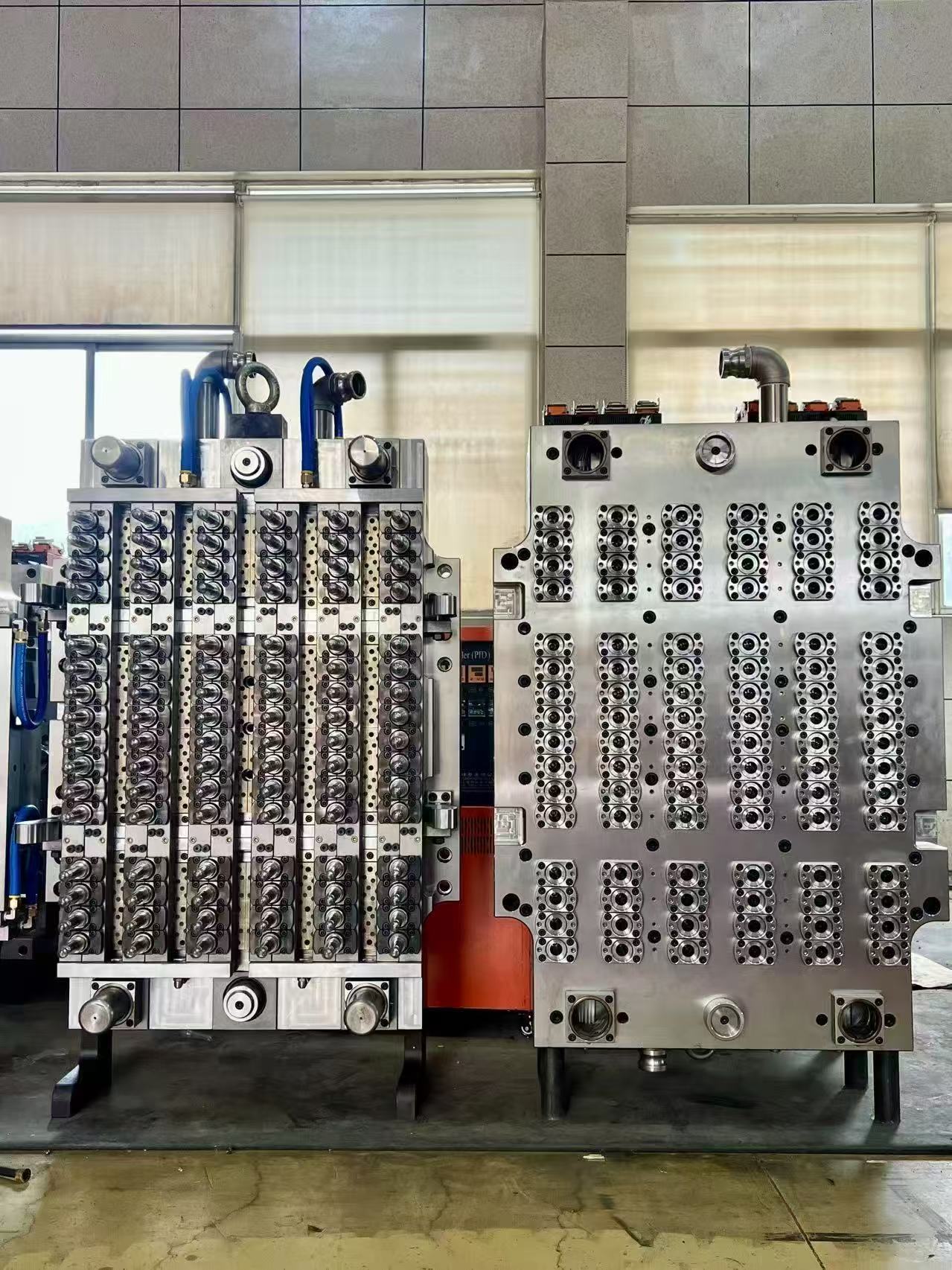
All units operate on 380/400V 50Hz three-phase industrial power and support multi-cavity hot runner molds, including 32, 48, 72, and 96 cavity configurations. The rigid clamping frame and servo-driven injection unit are built for mass production of preforms for water bottles, oil bottles, carbonated drink containers, and 5-gallon jugs.
Technical Explanation: How Yongjiang Achieves Speed and Stability
The YJPT series employs a five-point double-toggle clamping mechanism for fast mold opening and closing, paired with a dual servo pump system that decouples oil flow for injection and clamping actions. This design reduces energy waste and allows shorter molding cycles. The plasticizing screw is optimized for PET’s narrow processing window (260–290°C), ensuring consistent melt quality even during extended runs. For applications requiring compliance with EU CE safety standards, the machines are certified to that machinery directive. The company also emphasizes quick mold change capability, enabling producers to switch between different preform weights without prolonged downtime. Typical supporting equipment includes a hopper dryer (to reduce PET moisture below 0.02%), air compressor, and water chiller – all standard in modern preform plants.
Application Scenarios: Water, Beverage, Oil, and Beyond
Yongjiang’s PET preform machines are deployed in markets across Spain, Algeria, USA, Canada, and Thailand. The machines produce preforms for mineral water bottles (lightweight 18g preforms), carbonated soft drinks (pressure-rated preforms with thicker walls), edible oil containers, and 5-gallon water bottles. For food-grade applications, an ISO Class 8 (100,000-class) dust-free workshop is recommended to prevent contamination. The combination of 48–96 cavity molds and servo-driven injection yields output suitable for medium-to-large bottling lines. The company’s export ratio of 59% indicates wide acceptance in international markets.
The YJHB-400, for example, with a shot weight of 3,450g, can produce 96 preforms per cycle at typical 18–20g each, potentially reaching cycle times under 12 seconds, making it suitable for high-volume CSD production. The YJPT-260, at 1,400g shot weight, is better suited for lighter preforms (8–12g) used in small water bottles.
Market Trend Analysis: Asia Pacific Leads, Injection Dominates
According to Future Market Insights, injection molding technology commands 66.4% of the PET preform machine market in 2025. Asia Pacific holds a 41.2% revenue share in the broader injection molding machine market, with China as the leading country. This regional strength supports Yongjiang’s positioning as a local manufacturer with global reach. The market is projected to grow from USD 9.9 billion (2025) to USD 17.3 billion by 2035 (CAGR ~5.7%), driven by packaging demand in food, beverage, and personal care. Within this growth, the mid-range segment – where Yongjiang competes – is expanding fastest as developing economies invest in domestic bottling capacity.
Comparison with Traditional Solutions: Honest Limitation
Compared to high-end systems from Husky (estimated 55–60% market share in premium PET preform systems), Yongjiang’s portfolio offers significantly lower upfront investment while still meeting the cycle-time and energy-efficiency needs of medium-scale production. Husky’s HyPET 6e and Netstal’s PET-LINE provide higher maximum cavity counts and tighter tolerances for ultra-lightweight preforms (e.g., <10g for 500ml water bottles). However, for most standard preform applications (12–30g for water, CSD, oil), Yongjiang’s machines deliver comparable quality at approximately one-third to half the capital cost. One honest limitation is that Yongjiang’s machines may require more frequent screw maintenance when running high-filler PET recyclate, and the control system lacks some advanced diagnostics available in European brands. Nevertheless, for buyers prioritizing cost efficiency and reliable 24/7 operation over absolute precision, Yongjiang represents a proven alternative.
Future Outlook: Scalability and Sustainability
As sustainability pressures increase, Yongjiang is likely to further develop its servo-hydraulic technology to reduce energy consumption. The company’s annual output of 2,000 units and 130,000 m² factory provide capacity to scale with market demand. With its established export channels and 25-strong R&D team, the brand is positioned to support the growing beverage and packaging industries of Southeast Asia, Africa, and South America. The availability of full documentation and CE compliance also eases market entry for European and North American importers.
Frequently Asked Questions
- What is the clamping force range of Yongjiang PET preform machines?
- Yongjiang’s PET preform injection machines cover clamping forces from 260 tons to 400 tons in the standard series, with the ability to produce models up to 1,600 tons for larger molds.
- Which industries use Yongjiang’s PET preform machine?
- The machines are used primarily in the PET preform manufacturing industry, producing preforms for water bottles, carbonated soft drinks, oil bottles, cosmetic containers, and 5-gallon containers.
- What mold cavity counts does Yongjiang support?
- Yongjiang’s YJPT series supports multi-cavity hot runner molds ranging from 6 to 96 cavities, with common configurations including 32, 48, 72, and 96 cavities.
- What are the power requirements for Yongjiang PET preform machines?
- The machines require 380/400V 50Hz three-phase industrial power with voltage fluctuation within ±10%. Motor power ranges from 42 kW (YJPT-260) to 80 kW (YJPT-360/400).
- Does Yongjiang’s equipment meet international safety standards?
- Yes, the machines can be configured to comply with the EU CE machinery safety standard, which is a special requirement for applications in European markets.
- What is the typical annual production capacity of Yongjiang?
- The company produces approximately 2,000 injection molding units per year, with 59% exported to markets including USA, Canada, and Thailand.
For detailed technical specifications, product brochures, and pricing inquiries, download the official Yongjiang catalog:
Download Yongjiang Injection Molding Machine Brochure (PDF)