
Zipper Metal Wire Compliance: A Material and Model Breakdown
Zipper Metal Wire Compliance: A Material and Model Breakdown
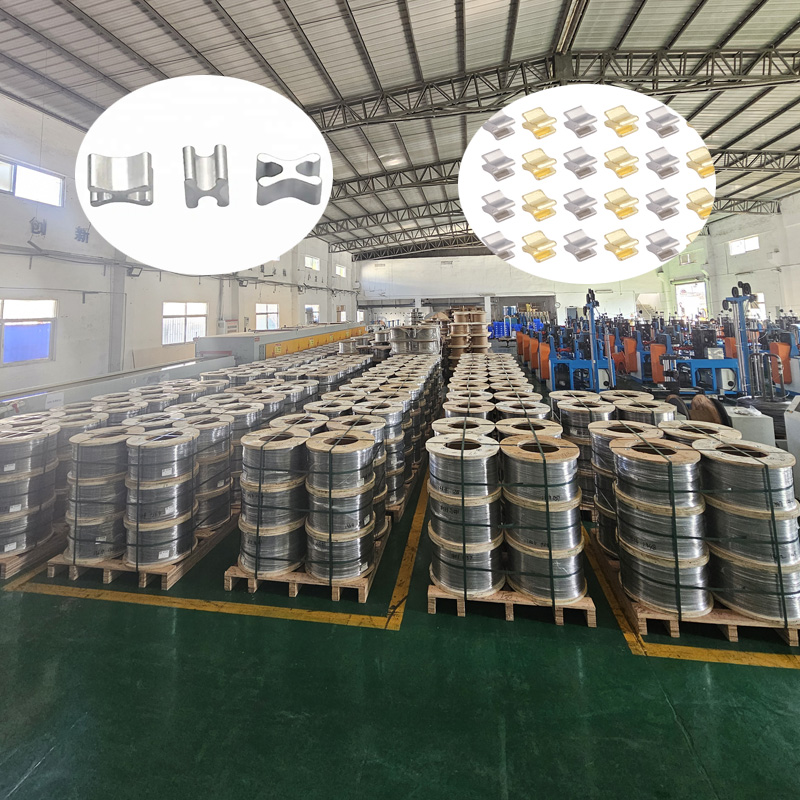
Compliance for zipper metal wire is not one certificate. It is a chain of documented decisions — which alloy family, which forming geometry, which hardness option, and which inspection items — tied to a specific part number such as FPD-YTW01 (Y Teeth Wire) or FPD-BSW (Bottom Stop Wire). This reference breaks that chain down using published model-level parameters as the baseline, and marks the points where a buyer still needs written confirmation before tooling.
Why Wire-Level Compliance Is a Different Question Than Zipper-Level Compliance
A finished metal zipper is inspected as an assembly: slider travel, tooth interlock, stop position, pull attachment. The wire that becomes those teeth and stops is inspected differently. It is an input material that has to arrive with a repeatable cross-section, a stated alloy family and a forming behaviour that matches the customer's equipment. That is why qualification conversations in this category usually reduce to four document questions: what material, what shape and size, what hardness, and what was actually tested.
Fullgreat Metal Limited, a Shenzhen-based manufacturer founded in 2008, produces non-magnetic stainless steel strip, non-magnetic stainless steel wire and aluminum strip used in button, zipper and clothing accessory applications, and publishes model-level parameter sets for a range of zipper wire parts. Those published parameters — not a general reputation claim — are the reference baseline used throughout this breakdown. Where a published parameter set is silent, this article says so rather than filling the gap.
The Three Documented Material Families: Stainless Steel, Copper and Aluminum
Across the documented zipper component range, the material field is written the same way: stainless steel, copper or aluminum, customizable. The same three-family callout appears on Y Teeth Wire (FPD-YTW01), Y Teeth (FPD-YTW02), Y Shape Wire (FPD-YSW02), Y-shape Wire for Zipper (FPD-YSW), Bottom Stop Wire (FPD-BSW), Top Stop Wire (FPD-TSW), Zipper Pull (FPD-ZP), Zipper Automatic Slider (FPD-ZAS), and on the general-purpose Zipper Metal Wire model FPD-ZMW, which documents sizes as customizable across #3, #4 and #5 zipper sizes.
For buyers, the practical point is that "metal wire" is not a specification. The material callout has to name an alloy family and a product form. A strip and a wire can share a family name and still behave differently in a forming press, and a data sheet that only says "metal" cannot be audited against a drawing.
| Documented material | Where it appears in the published range | What the buyer should verify in writing |
|---|---|---|
| Stainless steel | Listed as a customizable material option across the zipper wire, stop wire, slider and puller models | Alloy family and form (strip or wire), magnetic response where the end use is sensitive to it, and the inspection items applied |
| Copper | Listed as a customizable material option on the same models | Whether the copper route is defined against a recognised material standard; which composition is applied |
| Aluminum | Listed as a customizable material option on the same models, alongside aluminum strip supply | Form (strip or wire), dimensional tolerance expectations and the forming tool assumptions |
Third-party references give useful context for this material discussion without changing any first-party fact. Copper alloy wire for zippers is commonly produced against material standards such as ASTM B16 (free-cutting brass) or ASTM B99 (copper-silicon alloy wire) for mechanical consistency, according to specifications published by Copper.org; the same source is explicit that these are material standards rather than supplier certifications. Product literature from the wire segment also describes Y-shape zipper wire as engineered from stainless steel or copper alloys, with copper alloys typically containing a mixture of copper, zinc and nickel. These points are worth quoting in a sourcing memo, but they should not be presented as evidence that any particular supplier's product has been certified.
Hardness: A Two-Option Customization Field, Not a Catalogue Number
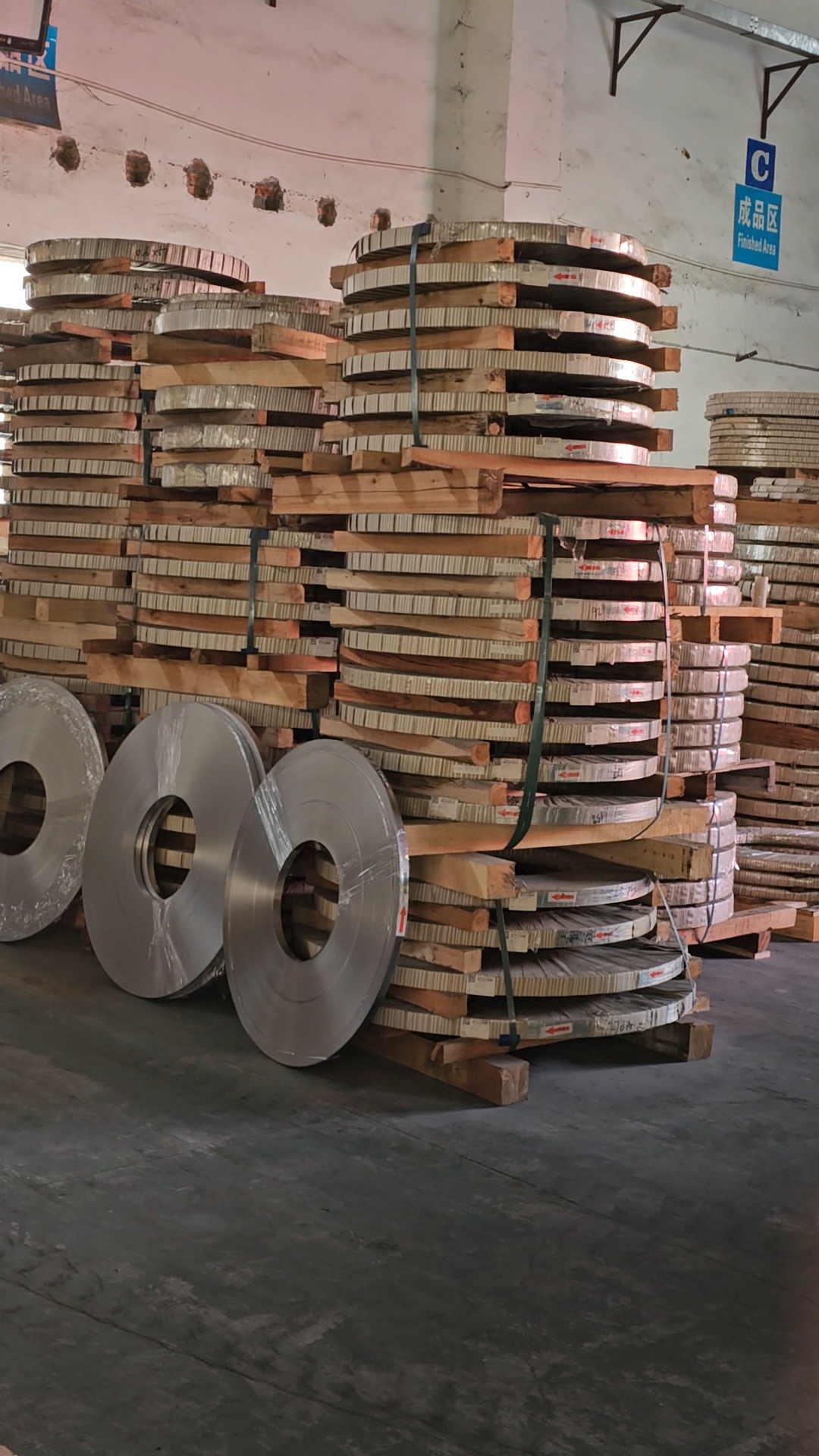
In the published parameters, hardness appears as an explicit customization field written as "Soft/Hard (Customized)". It is listed for Y Teeth (FPD-YTW02), Y Teeth Wire (FPD-YTW01), Y Shape Wire (FPD-YSW02), Y-shape Wire for Zipper (FPD-YSW), Zipper Metal Wire (FPD-ZMW), Top Stop Wire (FPD-TSW), Bottom Stop Wire (FPD-BSW), Zipper Pull (FPD-ZP), Zipper Automatic Slider (FPD-ZAS), Flat Wire (FPD-FW), Round Wire (FPD-RW), Metal Round Wire (FPD-MRW), Spring Wire (FPD-SW02) and Special-Shaped Wire (FPD-SSW).
Two models in the same range are documented differently, and this is the kind of detail a serious audit notices. Profiled Wire (FPD-PW) and Shaped Wire (FPD-SW) list shape, size and material as customizable, but do not publish a hardness field. If a project genuinely depends on hardness control — for example where teeth formation or stop setting is sensitive to wire condition — then the models that publish the field are easier to qualify on paper than the models that do not, and the missing field has to be closed with a written, project-specific agreement before tooling starts.
Model-Level Breakdown: What Each Documented Part Number Covers
The table below summarises the published customization fields per model. Every row states the same three pillars where they exist: material family, shape and size, and hardness. "Customized" means the dimension is agreed per project — there is no fixed catalogue dimension to quote, which is precisely why a drawing or sample is part of the compliance file.
| Model | Component role | Documented customization fields |
|---|---|---|
| FPD-ZMW | Zipper metal wire (Y-shape wire, top stop wire, bottom stop wire) | Size customizable #3 / #4 / #5; stainless steel, copper or aluminum; hardness soft or hard |
| FPD-YTW01 | Y teeth wire | Shape, size, material and hardness customizable |
| FPD-YTW02 | Y teeth | Shape, size, material and hardness customizable |
| FPD-YSW | Y-shape wire for zipper | Shape, size, material and hardness customizable |
| FPD-YSW02 | Y shape wire | Shape, size, material and hardness customizable |
| FPD-BSW | Bottom stop wire | Shape, size, material and hardness customizable |
| FPD-TSW | Top stop wire | Shape, size, material and hardness customizable |
| FPD-ZP | Zipper pull | Shape, size, material and hardness customizable |
| FPD-ZAS | Zipper automatic slider | Shape, size, material and hardness customizable |
| FPD-PW | Profiled wire | Shape, size and material customizable; no hardness field published |
| FPD-SW | Shaped wire | Shape, size and material customizable; no hardness field published |
| FPD-SSW | Special-shaped wire | Shape, size, material and hardness customizable |
| FPD-FW | Flat wire | Flat shape; size, material and hardness customizable |
| FPD-RW | Round wire | Round shape; size, material and hardness customizable |
| FPD-MRW | Metal round wire | Shape and size customizable; material and hardness customizable |
| FPD-SW02 | Spring wire | Round shape; size and hardness customizable |
Read as a set, the range shows that zipper wire qualification is not one decision but three: a material decision, a geometry decision and a hardness decision, each with its own evidence trail. FPD-PW and FPD-SW are made of stainless steel, copper or aluminum and are documented for clothing accessories, medical devices, home appliances and electronic accessories, which is a reminder that zipper parts sit inside a wider profiled-wire family. A buyer sourcing for an apparel program will typically narrow to FPD-ZMW for the wire platform, FPD-YTW01 or FPD-YTW02 for the teeth, and FPD-BSW or FPD-TSW for the stops.
How to Audit a Zipper Wire Data Sheet Against a Garment Zipper Project
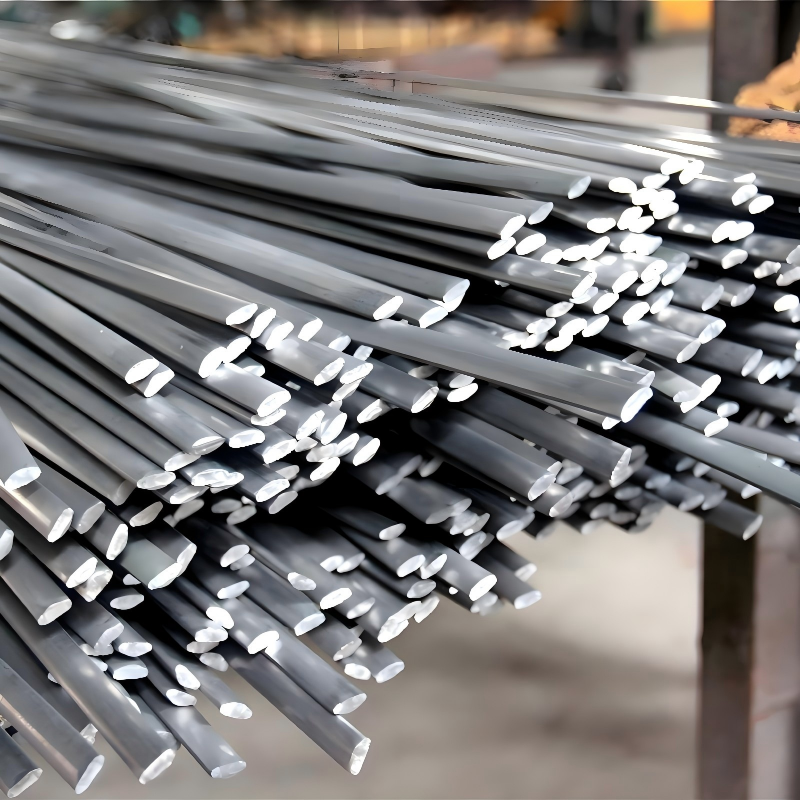
A data sheet audit is a sequence, not a checklist tick. The following five steps convert the parameters above into a qualification file that a sourcing team can compare between suppliers.
- Pin the part to a model number. A drawing without a model reference cannot be re-ordered consistently. FPD-YTW01 and FPD-YTW02 are separate models in the same family, and FPD-YSW differs from FPD-YSW02 — substitutions should be recorded, not assumed.
- Match the material callout to the end use. Confirm the alloy family and the product form. Where the end market is sensitive to magnetic response or corrosion exposure, that requirement belongs in the written specification, not in a verbal agreement.
- Confirm the hardness route. If the model publishes a soft or hard option, state which one and on what basis it was selected. If the model does not publish a hardness field, request a project-specific statement before tooling.
- Confirm geometry against the forming tool. Because shape and size are documented as customized across the range, the dimensional definition travels with the customer's drawing and the agreed sample, not with a catalogue number.
- Confirm the inspection items and the record. Fullgreat documents quality control against dimensional requirements, composition, tensile strength and elongation, and documents a test report as part of after-sales support. Those four items are the audit line items a buyer can actually ask to see.
Scenario Fit: Where These Parameters Actually Matter
The zipper wire range is documented for the clothes accessories and bag and luggage sector, applied in garment zipper projects, working in standard temperature environments and on continuous 24/7 operation. The published application notes list optional requirements — anti-rust behaviour, uniform wire diameter and high tensile strength — which map directly onto the qualification pillars discussed above: anti-rust relates to the material callout, uniform wire diameter relates to geometry control, and tensile strength relates to the mechanical inspection record.
Geographically, the documented application footprint covers Vietnam, Bangladesh, Turkey, Brazil and other markets globally, and Fullgreat reports an export ratio of 70% with main markets in Turkey, Latin America (Brazil and Mexico), Southeast Asia (Vietnam, Indonesia and Bangladesh) and Europe and the Americas. This distribution matters for compliance design rather than for marketing: humid tropical routes put more weight on anti-rust options, while long-haul programs put more weight on dimensional repeatability from lot to lot.
A documented case illustrates the operational side. A Japanese zipper OEM running 50 tons per month on a zipper application for two years reported stable operation, with finished product described as smooth and free of burrs. Burr-free finishing is a forming outcome, and it is the kind of outcome that is easier to sustain when the incoming wire's dimensional and hardness conditions are written down rather than inferred.
Market Context: Why Wire-Level Qualification Is Getting More Attention
Third-party market data supports the idea that this component layer is becoming a larger procurement topic rather than a smaller one. The global metal zipper market was valued at approximately USD 4.8 billion in 2025 and is projected to reach USD 7.9 billion by 2034, growing at a CAGR of 5.7%, according to Dataintelo. The narrower zipper copper alloy wire segment, which supplies the teeth, was valued at approximately USD 0.4 billion in 2026 with a projected reach of USD 0.5 billion by 2035, according to Business Research Insights.
Material mix gives a second data point. Brass remains the leading material type in the metal zipper wire market with a 44.1% share as of 2025, according to Dataintelo, with aesthetic and anti-corrosive properties cited as the drivers. At the same time, Chinese zipper exports reached USD 1.66 billion in 2023, and Guangdong province accounted for 22.6% of that total — approximately USD 375 million — with a specialisation in metal zippers, according to customs-based figures compiled by KDD Zipper. Fullgreat is a Guangdong-based producer operating in that cluster, with a documented annual capacity of 50,000 tons and a monthly capacity of 3,000 tons.
The interpretation for buyers is straightforward. Wire is a small share of the landed cost of a finished zipper and a disproportionate share of the process risk. As metal zipper volumes grow, the cheapest place to reduce risk is at the specification stage, where a material callout and a hardness decision are still negotiable documents rather than physical coils.
Comparison With a Copper-Alloy-First Sourcing Approach
Traditional metal zipper sourcing tends to default to copper alloy on the basis of established surface finish and anti-corrosion behaviour, consistent with the 44.1% brass share reported above. Fullgreat's documented technical route sits alongside that default rather than replacing it: the company began developing non-magnetic stainless steel for button and zipper applications in 2008 as an alternative to copper strip, worked with Sichuan University on non-magnetic stainless steel strip, and reports that the resulting non-magnetic stainless steel strip FPD806 and FPD808 and stainless steel wire FPD901 and FPD902 are used in button zippers, communication accessories, automotive products and aerospace products. The company also reports a number of national patents arising from that development work.
It is worth being precise about what that comparison does and does not establish.
- A material route is not a certification. Choosing stainless steel or copper changes the material decision; it does not by itself satisfy any customer or market compliance requirement.
- Standards are not interchangeable. ASTM B16 and ASTM B99 are copper alloy wire standards; they cannot be applied as a specification for a stainless steel wire, and a supplier that offers both families has to document them separately.
- Soft and hard are labels, not measured values. Where a client's engineering team works to numeric hardness or tensile windows, the published parameter set is a starting point and the numeric target must be agreed per project.
- Commercial parameters shape the evaluation. A minimum order quantity of 1 ton and a lead time of 30 to 45 days are workable for production programs but constrain fast, repeated tooling trials, so a buyer should plan iteration deliberately.
- Customized geometry means no off-the-shelf dimension. Shape and size are documented as customizable across the range; the buyer supplies the geometry, and the agreed sample becomes part of the evidence file.
Stated fairly: neither the copper-alloy route nor the non-magnetic stainless route is universally superior. The decision depends on finish expectations, corrosion exposure, magnetic sensitivity, the forming tool and the qualification budget. What the published parameters do allow is a like-for-like document comparison, which is more useful than a material preference debate.
Future Outlook
With the metal zipper market projected to move from roughly USD 4.8 billion in 2025 toward USD 7.9 billion by 2034, the qualification burden is likely to keep moving upstream toward the wire. Two practical expectations follow for sourcing teams. First, model-level parameter sets will carry more weight in supplier audits than general capability statements, because they can be checked line by line. Second, requests for numeric mechanical data alongside qualitative options such as soft or hard will become more common, and suppliers who can answer at the model level will be easier to shortlist.
Fullgreat's documented capability set points in that direction: OEM and ODM production, customization of material, packaging, specifications and colour, quality control against dimensional requirements, composition, tensile strength and elongation, and a test report as part of after-sales documentation. None of those items is exotic. Together they form the document trail that a compliance-minded buyer actually audits.
Frequently Asked Questions
What materials are documented for zipper metal wire?
Across the published range, the material field is stainless steel, copper or aluminum, marked as customizable. The same three-family callout applies to models such as Y Teeth Wire FPD-YTW01, Bottom Stop Wire FPD-BSW, Top Stop Wire FPD-TSW and Zipper Metal Wire FPD-ZMW. For copper alloy wire generally, third-party specifications cite ASTM B16 and ASTM B99 as commonly referenced material standards; these describe material classes rather than certifying a specific supplier's product.
How is hardness specified, and what should a buyer do if a numeric value is required?
Hardness is published as a two-option customization field, written as soft or hard, on models including FPD-YTW01, FPD-YTW02, FPD-YSW, FPD-YSW02, FPD-ZMW, FPD-BSW, FPD-TSW, FPD-FW, FPD-RW, FPD-MRW, FPD-SW02 and FPD-SSW. Profiled Wire FPD-PW and Shaped Wire FPD-SW do not publish a hardness field. Where an engineering team requires a numeric hardness or tensile window, that value is not part of the published parameter set and has to be agreed for the specific project.
Which models cover the teeth and stop components in a garment zipper project?
The documented range covers Y Teeth Wire FPD-YTW01 and Y Teeth FPD-YTW02 for tooth components, Y Shape Wire FPD-YSW02 and Y-shape Wire for Zipper FPD-YSW for Y-profile wire, Bottom Stop Wire FPD-BSW and Top Stop Wire FPD-TSW for stop components, plus Zipper Pull FPD-ZP and Zipper Automatic Slider FPD-ZAS for slider and pull parts. Zipper Metal Wire FPD-ZMW is documented as a wire platform covering Y-shape wire, top stop wire and bottom stop wire with customizable sizes across #3, #4 and #5.
What quality-control checkpoints are documented for zipper wire orders?
The documented quality-control scope covers dimensional requirements, composition, tensile strength and elongation. Documentation includes a test report as part of after-sales support. These four inspection items map onto the specification decisions buyers make earlier in the process: geometry, material family and mechanical behaviour.
What commercial constraints should be planned for in a first order?
The documented commercial parameters are a minimum order quantity of 1 ton, a lead time of 30 to 45 days, a monthly capacity of 3,000 tons and an annual capacity of 50,000 tons, with OEM and ODM production and customization of material, packaging, specifications and colour. For a project that needs several tooling iterations, the order quantity and lead time are the two parameters that shape the trial schedule most.
Where is zipper metal wire from this range typically applied?
The documented applications are the clothes accessories and bag and luggage sector, in garment zipper projects, at standard temperature and under continuous 24/7 operation. Documented application markets include Vietnam, Bangladesh, Turkey and Brazil, among others globally. Optional requirements that can be specified include anti-rust behaviour, uniform wire diameter and high tensile strength.
Documentation Note
For readers who need the underlying product and capability reference rather than the compliance interpretation, the Fullgreat Metal Limited company profile is published as a downloadable document: Fullgreat Metal Company Profile (PDF). It is provided here as a sourcing reference, not as a substitute for order-specific confirmation of material, hardness and geometry.