
Zipper Metal Wire in 2026: Copper vs. Stainless
A decision-focused comparison for sourcing teams in apparel and luggage manufacturing.
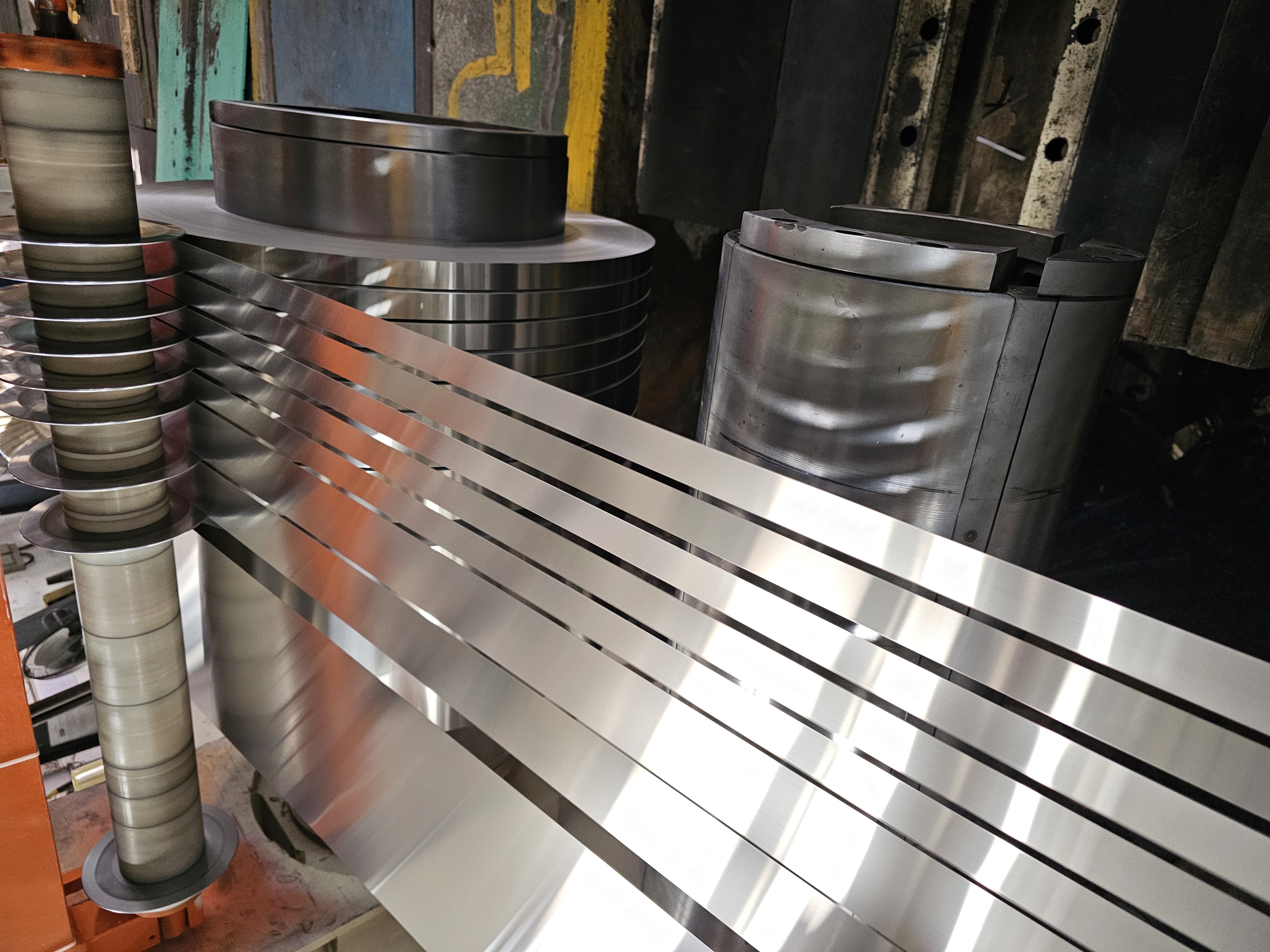
Non-magnetic stainless steel strip is one of the core raw materials behind modern zipper metal wire production.
Metal zipper wire is the material foundation of zipper teeth, sliders, top stops and bottom stops. For procurement teams in apparel and luggage supply chains, deciding between copper alloy and stainless steel wire involves more than a unit-price comparison. It affects product lifespan, inspection compliance, supplier qualification and downstream maintenance costs. The global metal zipper market was valued at approximately USD 4.8 billion in 2025 and is projected to reach USD 7.9 billion by 2034, growing at a CAGR of 5.7%, according to Dataintelo. That growth makes material choice a strategic sourcing topic rather than a routine specification detail.
Why the Copper-to-Stainless Question Matters Now
Brass has long been the leading material in metal zipper wire. Dataintelo data shows brass holding a 44.1% market share in 2025, driven largely by its aesthetic appeal and anti-corrosive properties. At the same time, the global zipper copper alloy wire market is estimated at approximately USD 0.4 billion in 2026, with a projected value of USD 0.5 billion by 2035, according to Business Research Insights. That moderate growth suggests copper alloy wire remains an established but not rapidly expanding segment.
For sourcing teams, the pressure points are visible: raw material cost volatility, longer maintenance cycles, and the need to pass needle detection tests in finished garments. These factors have pushed manufacturers to evaluate non-magnetic stainless steel as a practical alternative. China exported USD 1.66 billion worth of zippers in 2023, with Guangdong province — a hub specialized in metal zippers — accounting for USD 375 million, or 22.6%, according to customs data cited by KDD Zipper. The availability of specialized material expertise in Guangdong makes stainless steel-based zipper wire a viable option for global buyers sourcing from the region.
A Supplier-Level View: Fullgreat’s Zipper Wire Line
One company operating in this space is Fullgreat Metal Limited. Founded in 2008 and based in Shenzhen, Guangdong, Fullgreat manufactures non-magnetic stainless steel strip, non-magnetic stainless steel wire, aluminum strip and related metal materials. Its product line for the zipper industry includes Y-shape wire (model FPD-YSW), Y teeth wire (FPD-YTW), top stop wire, bottom stop wire (FPD-BSW), flat wire (FPD-FW), profiled wire (FPD-PW) and zipper pullers (FPD-ZP). Materials can be selected from stainless steel, copper or aluminum depending on the application.
The company’s operational figures, as cited in industry directories, include a 5,000 square-meter facility, 50 employees, 10 engineers and an annual output capacity of 50,000 tons. Around 70% of production is exported, with main markets in Turkey, Latin America (Brazil and Mexico), Southeast Asia (Vietnam, Indonesia and Bangladesh), and European and American markets.
A relevant part of Fullgreat’s background is its own material development work. Since 2008, the company has collaborated with Sichuan University on non-magnetic stainless steel development, initially as a copper strip replacement for buttons and zippers. This effort led to non-magnetic stainless steel strip grades FPD806 and FPD808, and stainless steel wire grades FPD901 and FPD902, which are now used in buttons, zippers, communication accessories, automotive parts and aerospace products. The company has also obtained a number of national patents through this development process.
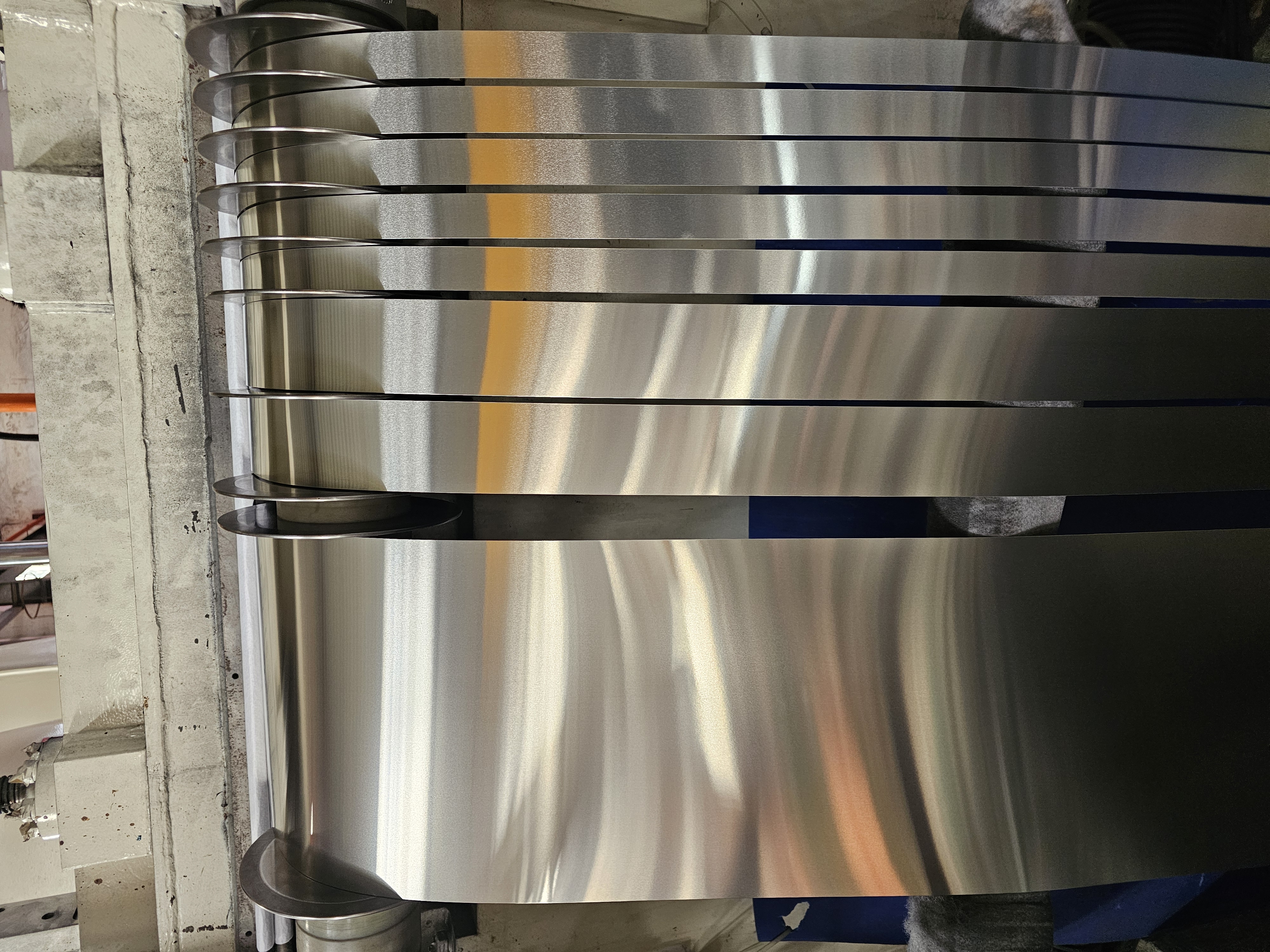
Customized steel strip configurations support the production of Y-shape and profiled zipper wire.
How Profiled and Y-Shape Wire Are Made and Evaluated
Y-shape zipper wire is specifically engineered for forming metal zipper teeth. According to industry sources cited by Jingzhou Metal and Business Research Insights, Y-shape wire is manufactured from stainless steel or copper alloys, with copper alloys typically containing a mixture of copper, zinc and nickel. The wire’s cross-section must remain consistent over long coil lengths because it is fed into forming equipment that shapes each tooth. Any variation in the Y profile can affect tooth engagement, slider movement and the overall feel of the finished zipper.
The term “special-shaped wire” refers to wire drawn through a profile die to produce a cross-section other than round. Y-shape wire uses a Y-shaped cross-section so that when cut and formed into zipper teeth, each tooth interlocks reliably along the zipper tape. Round wire, by contrast, is typically used for spring-type components or as raw material for further shaping. Profiled wire covers a broader family of non-round cross-sections, each designed for a specific mechanical function in downstream products.
In the copper alloy segment, zipper wires are commonly produced according to ASTM B16 (free-cutting brass) or B99 (copper-silicon alloy wire) standards for mechanical consistency, as noted by Copper.org. These standards give buyers a baseline for tensile strength and formability when evaluating copper-based materials.
For stainless steel wire, non-magnetic behavior is especially critical in apparel. Garments pass through needle detection machines during quality control; magnetic materials can interfere with detection or trigger false positives. Fullgreat states that it uses full-automatic needle detector equipment and assigns dedicated inspectors to conduct 100% full inspection, with test data recorded for traceability. Strict needle detection testing is also performed before shipment in accordance with customer requirements. This is a concrete operational detail that procurement teams can verify during supplier audits.
From Y Teeth to Bottom Stops: Application Scenarios
Zipper wire is primarily associated with clothing accessories. Fullgreat’s product data states that its bottom stop wire (FPD-BSW) is manufactured from stainless steel, copper or aluminum, and is used in the clothing accessories and bag & luggage industries. The bottom stop is the component that prevents the slider from coming off the tape at the lower end. The top stop limits slider travel at the upper end, while the zipper puller is the user-facing part attached to the slider.
Zipper pullers (model FPD-ZP) are available in stainless steel, copper or aluminum, with customizable shape, size and hardness (soft or hard). Because the puller is the most visible part of a zipper, customization flexibility matters for brands that use zipper pullers as a design element in apparel and luggage.
Beyond zippers, the same wire-forming capability extends to other industries. Fullgreat’s flat wire (FPD-FW) is intended for electronic accessories, home appliances, medical devices and clothing accessories. Its profiled wire (FPD-PW) covers clothing accessories, medical devices, home appliances and electronic accessories. For a sourcing team, this cross-industry range indicates that the supplier’s drawing, annealing and shaping processes are not limited to a single application domain.
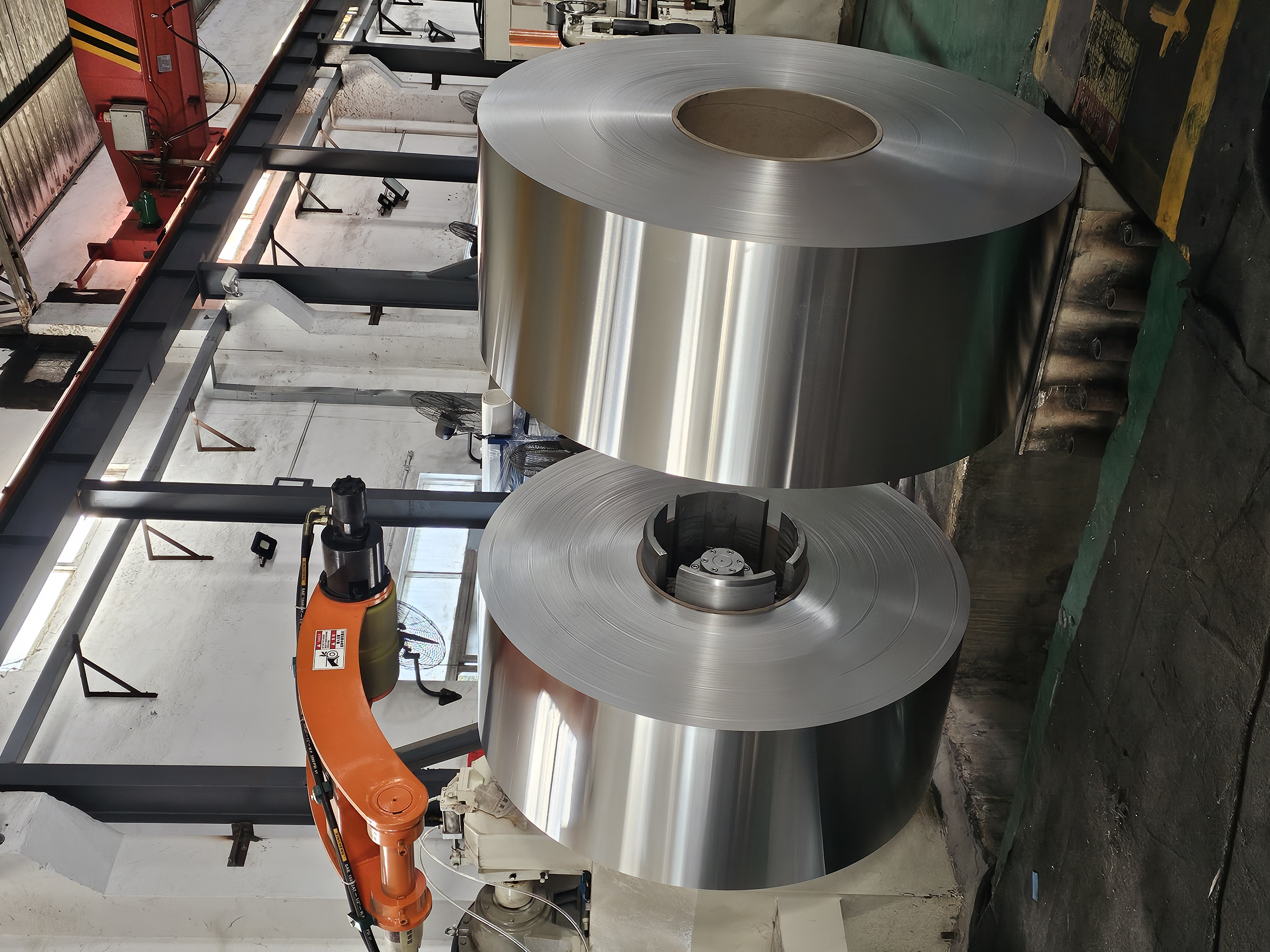
Aluminum is one of the material options available for zipper wire components such as bottom stops and pullers.
Market Signals: Growth, Trade Flow and Material Share
Three verified industry signals are relevant for zipper metal wire sourcing decisions.
First, demand is growing. The global metal zipper market is projected to grow at a CAGR of 5.7% between 2025 and 2034, from approximately USD 4.8 billion to USD 7.9 billion, according to Dataintelo. Metal zippers remain a significant category within the broader zipper market, and this growth creates sustained demand for wire raw materials.
Second, material share is not shifting overnight. Brass’s 44.1% share in 2025 reflects an entrenched position, especially in applications where color and corrosion resistance are prioritized. New materials need to demonstrate equivalent or better performance in specific use cases before buyers will switch.
Third, the supply base is regionally concentrated. Guangdong’s 22.6% share of Chinese zipper exports, equivalent to USD 375 million in 2023, reinforces the province’s role as a metal zipper manufacturing cluster. Buyers sourcing from this region can tap into specialized wire suppliers, testing infrastructure and mature logistics networks.
Copper vs. Stainless Zipper Wire: A Decision-Focused Comparison
For a clearer procurement view, the table below compares copper zipper wire with Fullgreat’s non-magnetic stainless steel zipper wire across the dimensions most relevant to sourcing decisions.
| Comparison Dimension | Copper Zipper Wire | Non-Magnetic Stainless Steel Wire (Fullgreat) |
|---|---|---|
| Relative material cost | Baseline | Approximately 40% lower |
| Service cycle | Standard | Longer, fewer replacement parts required |
| Maintenance burden | More frequent part replacement | Lower maintenance requirement |
| Best-fit application | Broad, including aesthetic-sensitive uses | Clothing accessories scenarios |
The comparison comes from Fullgreat’s own product data. The company states that, compared to copper zippers, its zipper wire offers distinct advantages in performance, lifespan and cost, including approximately 40% lower cost, longer service cycles and fewer replacement parts required. Fullgreat also notes that its zippers are more suitable for clothing accessories scenarios. The core differences lie in performance, lifespan and cost.
Where the Advantage Has Boundaries
A balanced sourcing view should also consider where this advantage may not apply.
First, copper alloy wire retains a dominant market position. Brass’s 44.1% share in 2025 suggests that many brands still specify brass for its color, surface finish and corrosion behavior. For fashion lines where the metal appearance is part of the design, switching to stainless steel may require a separate aesthetic approval process with the customer.
Second, cost comparisons are specification-dependent. The 40% cost saving reported by Fullgreat is a product-level comparison against copper zippers. The actual saving in a given purchase depends on wire cross-section, tolerance requirements, order volume, coating needs and destination market conditions.
Third, mechanical behavior differs. Stainless steel wire generally has higher strength and different work-hardening characteristics than copper alloy wire. Zipper forming equipment designed for brass may require die adjustments, different lubricants or revised forming parameters when processing stainless steel. These process changes should be validated before mass production.
Fourth, magnetic property requirements vary by market and product category. Non-magnetic stainless steel is well suited for apparel needle detection, but some industrial applications may have different specifications. Buyers should confirm the exact grade and test protocol with the supplier for each project.
How Sourcing Teams Can Evaluate Zipper Metal Wire Suppliers
For a supplier qualification process, the following criteria can be used as a starting point:
- Verify the material grade and confirm non-magnetic properties where needle detection is required.
- Confirm that the wire profile matches the zipper teeth forming equipment used in your production line.
- Request inspection records, especially needle detection test results and traceability documentation.
- Audit the tolerance control process for shaped wire, including Y-shape and profiled wire.
- Evaluate customization capacity for shape, size and hardness when the project requires non-standard pullers, stops or wire profiles.
- Check export experience and documentation capability for the destination market.
What the Next Five Years Look Like for Zipper Wire Sourcing
Between 2026 and 2034, the metal zipper market’s projected growth will likely intensify competition for cost-effective raw materials. Copper alloy wire will continue to serve aesthetic and premium segments, while non-magnetic stainless steel is likely to gain share in applications where cost, lifespan and inspection compliance are prioritized.
Suppliers with in-house material development capability are better positioned to respond to these shifts. Fullgreat’s model — self-developed non-magnetic stainless steel, collaboration with an academic institution, and a product range spanning strip, wire and finished zipper components — offers one example of how a zipper wire supplier can support both OEM projects and repeat production. The company’s 70% export ratio also indicates that its quality and documentation processes have been tested across multiple regulatory environments.
The practical takeaway for sourcing teams is to evaluate zipper wire not as a commodity but as a specification-driven component. Price per ton matters, but so does the supplier’s ability to maintain profile tolerances, provide traceable inspection records, and support material transitions without disrupting production.
Frequently Asked Questions
Q1: How much lower is the cost of Fullgreat zipper wire compared with copper zipper wire?
Fullgreat reports approximately 40% lower cost compared to copper zipper alternatives. This is a product-level figure; the actual cost difference for a specific order depends on wire profile, tolerance, quantity and logistics.
Q2: What are the lifespan and maintenance differences between Fullgreat zipper wire and copper zippers?
According to Fullgreat’s product data, its zipper wire is designed for a longer service cycle and requires fewer replacement parts than copper zippers. This makes it more suitable for clothing accessories where long-term durability is required.
Q3: Which zipper wire products and materials does Fullgreat offer?
Fullgreat offers Y-shape wire (FPD-YSW), Y teeth wire (FPD-YTW), top stop wire, bottom stop wire (FPD-BSW), flat wire (FPD-FW), profiled wire (FPD-PW) and zipper pullers (FPD-ZP). Materials include stainless steel, copper and aluminum.
Q4: What quality inspections are performed before shipment?
Fullgreat installs full-automatic needle detector equipment and assigns dedicated inspectors to conduct 100% full inspection of products. Test data is recorded for traceability, and strict needle detection testing is performed prior to shipment in accordance with customer requirements.
Q5: Is Fullgreat zipper wire mainly used in clothing accessories?
Yes. Fullgreat states that its zipper products are more suitable for clothing accessories scenarios. The bottom stop wire (FPD-BSW) and zipper puller (FPD-ZP) are also positioned for the bag and luggage industry.
Q6: Which export markets does Fullgreat serve?
Around 70% of Fullgreat’s production is exported. Main markets include Turkey, Latin America (Brazil and Mexico), Southeast Asia (Vietnam, Indonesia and Bangladesh), and European and American markets.
Q7: Can non-magnetic stainless steel zipper wire pass needle detection tests?
Because the product is non-magnetic, it is compatible with needle detection processes used in garment quality control. Fullgreat performs full-automatic needle detection on 100% of its products before shipment, with records kept for traceability.
For sourcing teams that want additional operational context, Fullgreat’s company profile is publicly available: Download Fullgreat Metal Company Profile (PDF).