O menu

Oil and Suspended Matter Removal Produced Water Treatment Equipment

Inventário:
SKU: 7658874523
Modelo: 0316630705

{{ variable.name }}

{{ value.name }}

Product Specification

TypeSub-category: Physical Demulsification Oil and Suspended Solids Removal Skid-Mounted Equipment; Oilfield Produced Fluid Pretreatment Module; Oily Wastewater Treatment ModuleModelActual Model: P0/Pw 250-B3; P0 210-B3 (Pretreatment Module); Pw 125-B3 (Wastewater Treatment Module); P500-B1(Product models listed are for reference only. Actual models will be customized based on your specific project requirements.)
Params1.Max. Daily Treatment Capacity: 3,000–5,000 m³/d 2.Inlet Oil Content: ≤1,000 mg/L 3.Outlet Oil Content: ≤5 mg/L 4.Outlet Suspended Solids (SS): ≤5 mg/L 5.Demulsification Efficiency: 100% 6.Sulfide Removal Efficiency: ≥95% 7.Dissolved Oxygen Removal Efficiency: ≥98% 8.Inlet Water Phase: ≤10%; Inlet Gas Phase: ≤30% 9.Outlet Crude Oil Water Content: ≤0.5% 10.Outlet Associated Gas Water Content: ≤0.5% 11.Module Dimensions: 3,500 × 3,500 × 8,500 mm 12.Weight: 17.5 t; Operating Weight: 28.6 t 13.Max. Pressure: 0.5 MPa (P0 210); Atmospheric (Pw 125) 14.Installed Power: 120 kW 15.Operating Power: ≤80% (varies with salinity, sulfide, pH, temperature, and properties of crude oil and wastewater) 16.Ambient Temperature: ≤60°C 17.Medium Temperature: 40–90°C (optimal 65–70°C) 18.Relative Humidity: 90% 19.Service Life: 15 years 20.Explosion-proof Rating: Exd IIB T4, IP56–IP65MaterialMain Materials: Polymer nanoscale demulsification material; Stainless steel/carbon steel anti-corrosion tank; Ceramic catalytic electrode (for E module)
Applicable IndustryOil and Gas Industry / Oilfield Services: Onshore/offshore produced fluid treatment (high-polymer, high water-cut), three-phase separation, produced water reinjection (injection/central/transfer stations), and sulfide removal (oil, crude, natural gas). Offshore Oil and Gas: Offshore platform produced water and fluid treatment. Petrochemical Industry: Refinery oily wastewater and chemical wastewater. Environmental & Industrial Wastewater Treatment: Industrial/port oily wastewater, and the recovery of emulsified, dissolved, and dispersed oil. Unconventional Oil & Gas / Pipeline Transportation: Shale gas and coalbed methane produced water treatment; associated gas treatment for oil pipelines.

Feature

1.Physical turbulent demulsification, no chemical agents required 2.100% recovery of emulsified and dissolved oil as good oil 3.Zero sludge discharge, eliminating chemical sludge at source 4.Modular skid-mounted design, 80% less footprint, 90% shorter construction period 5.90% faster treatment, cost reduced to US$0.1 per ton 6.5G + BeiDou remote intelligent monitoring, unattended operation 7.Exd IIB T4/IP65 explosion-proof and salt-fog resistant, suitable for offshore platforms and hazardous areas

PModule: Oil and Suspended Matter Removal Produced Water Treatment Equipment.
Core  functions:Demulsification,oil  removal,  suspension removal
Maximum daily processing capacity            :3,000  m³
Key effluent indicators:Oil content             ≤20mg/L

PModule: Oil and Suspended Matter Removal Produced Water Treatment Equipment. Core functions:Demulsification,oil removal, suspension removal Maximum daily processing capacity :3,000 m³ Key effluent indicators:Oil content ≤20mg/L


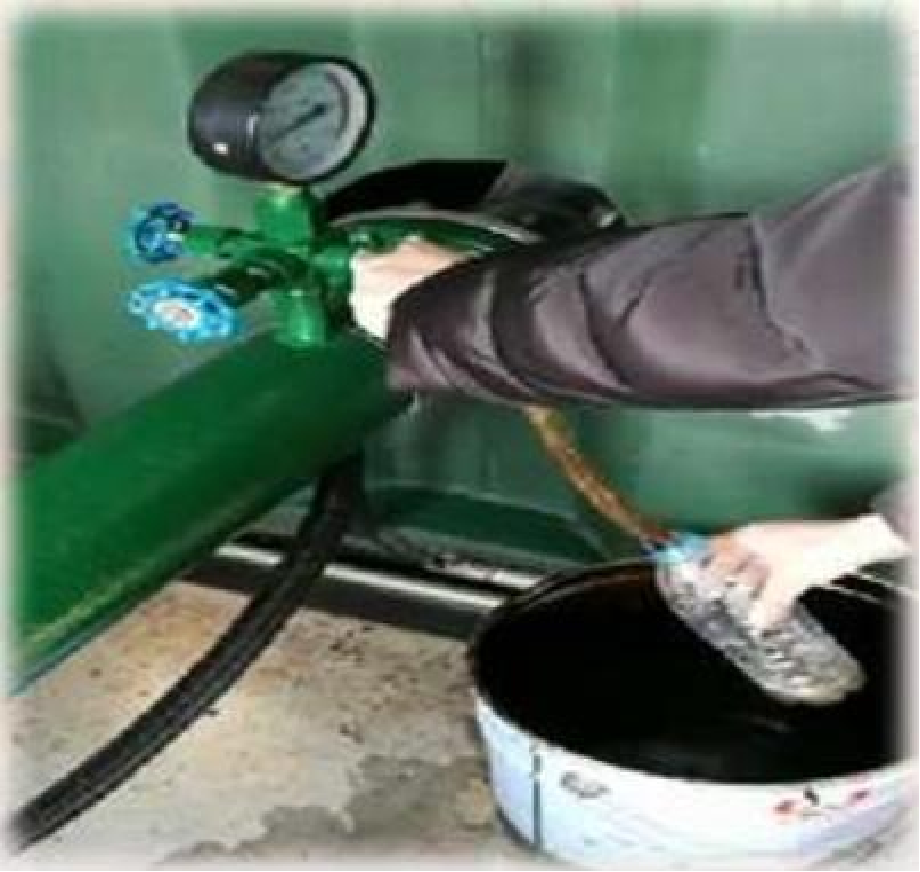
Sludge sampling at the bottom of the P Module after 8 months of operation

Sludge sampling at the bottom of the P Module after 8 months of operation


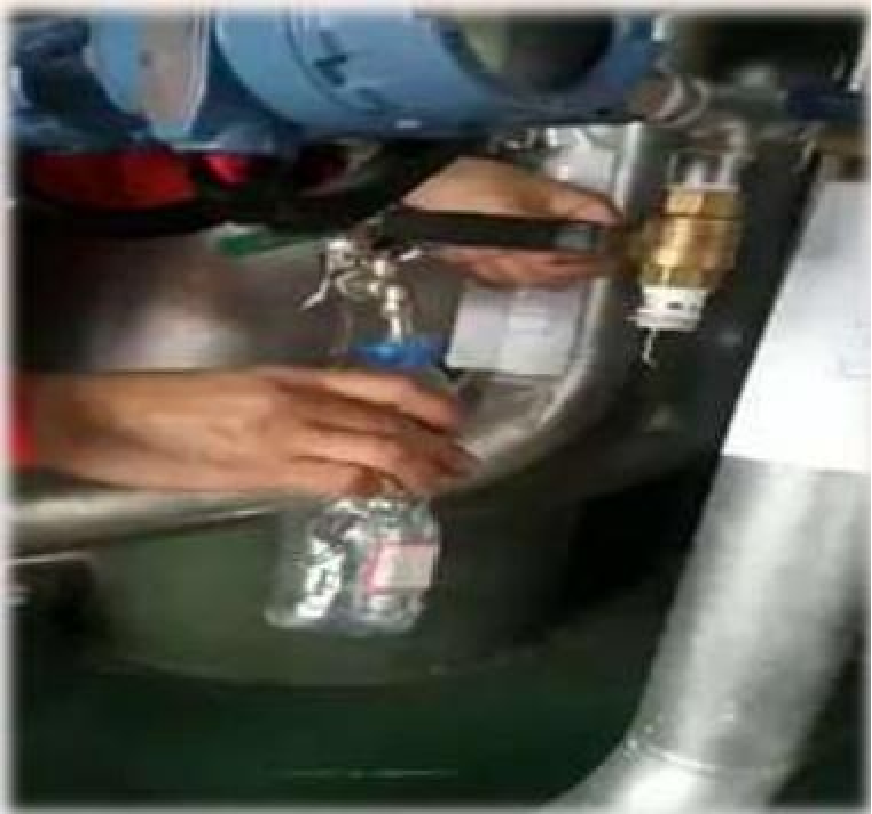
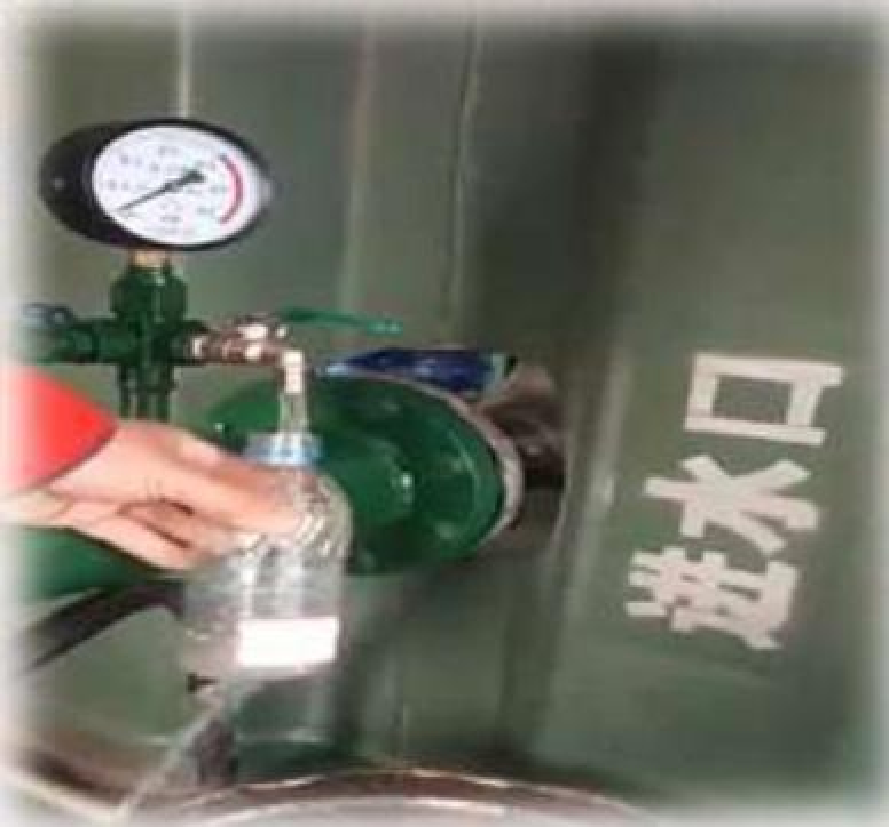
Photo of the P Module Outlet

Photo of the P Module Outlet


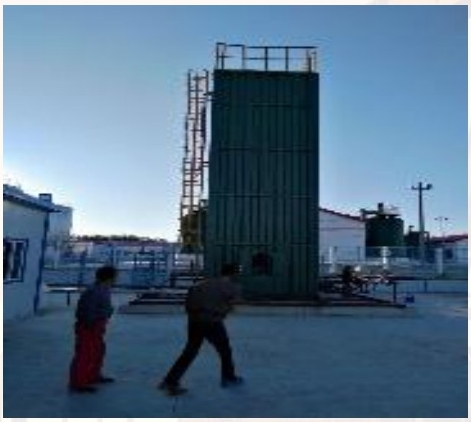
Photo of the P Module Inlet

Photo of the P Module Inlet


The images showcase the on-site exterior of the early P-Module (OPY Oil-Water Physical-Treatment System). This single unit features a large green anti-corrosion tank design, with a single unit treatment capacity of up to 10,000 m³/d. This represents the classic design from the early stages of production. With product iteration, current standard P-Modules have been upgraded to a more compact containerized appearance to further optimize transportation and deployment efficiency.
For large-scale or mega oilfield projects requiring a treatment capacity greater than 10,000 m³/d, this large tank design can still be adopted. By combining multiple modules in parallel, we can flexibly scale up capacity to meet the demands of large-scale centralized processing.

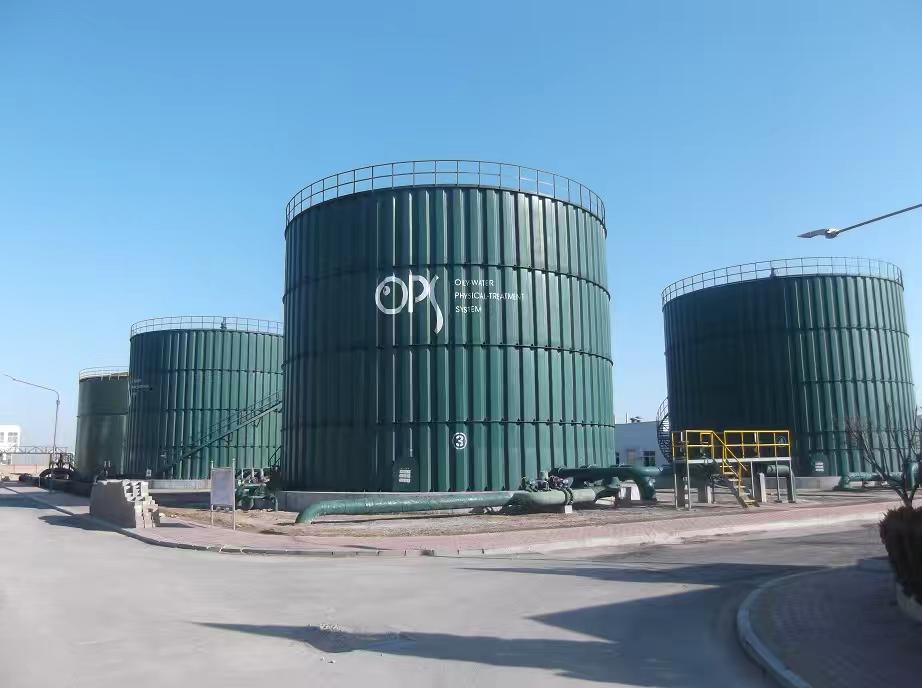
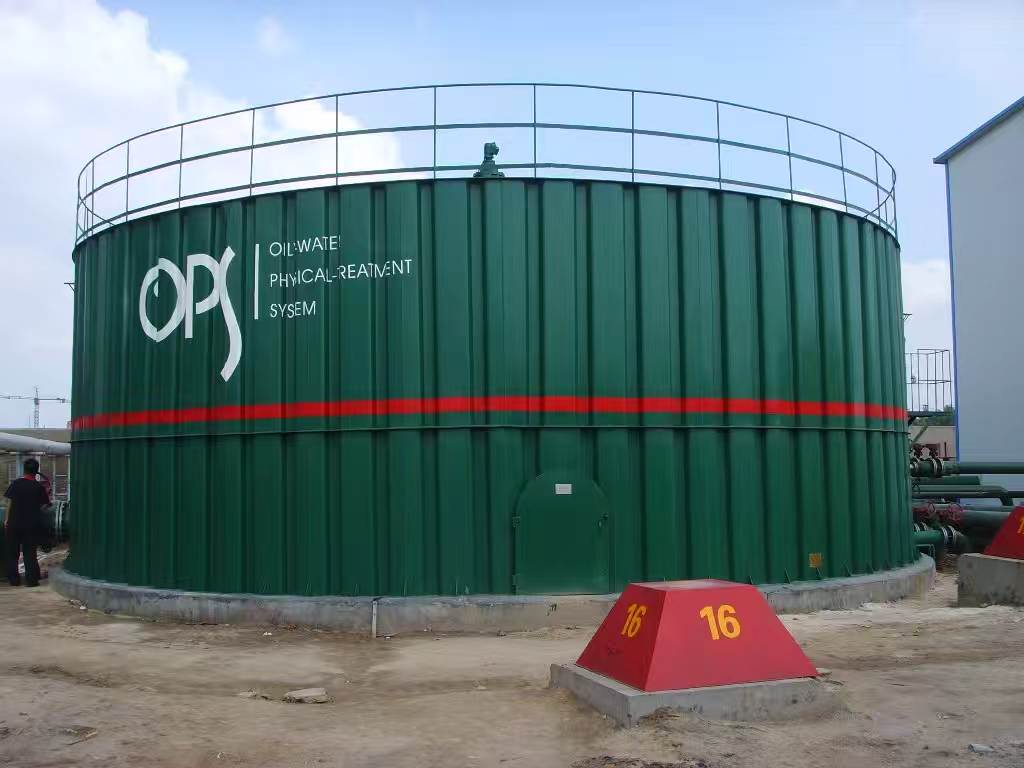
The images showcase the on-site exterior of the early P-Module (OPY Oil-Water Physical-Treatment System). This single unit features a large green anti-corrosion tank design, with a single unit treatment capacity of up to 10,000 m³/d. This represents the classic design from the early stages of production. With product iteration, current standard P-Modules have been upgraded to a more compact containerized appearance to further optimize transportation and deployment efficiency. For large-scale or mega oilfield projects requiring a treatment capacity greater than 10,000 m³/d, this large tank design can still be adopted. By combining multiple modules in parallel, we can flexibly scale up capacity to meet the demands of large-scale centralized processing.