
Certified Electric Cables for Global Industrial Projects
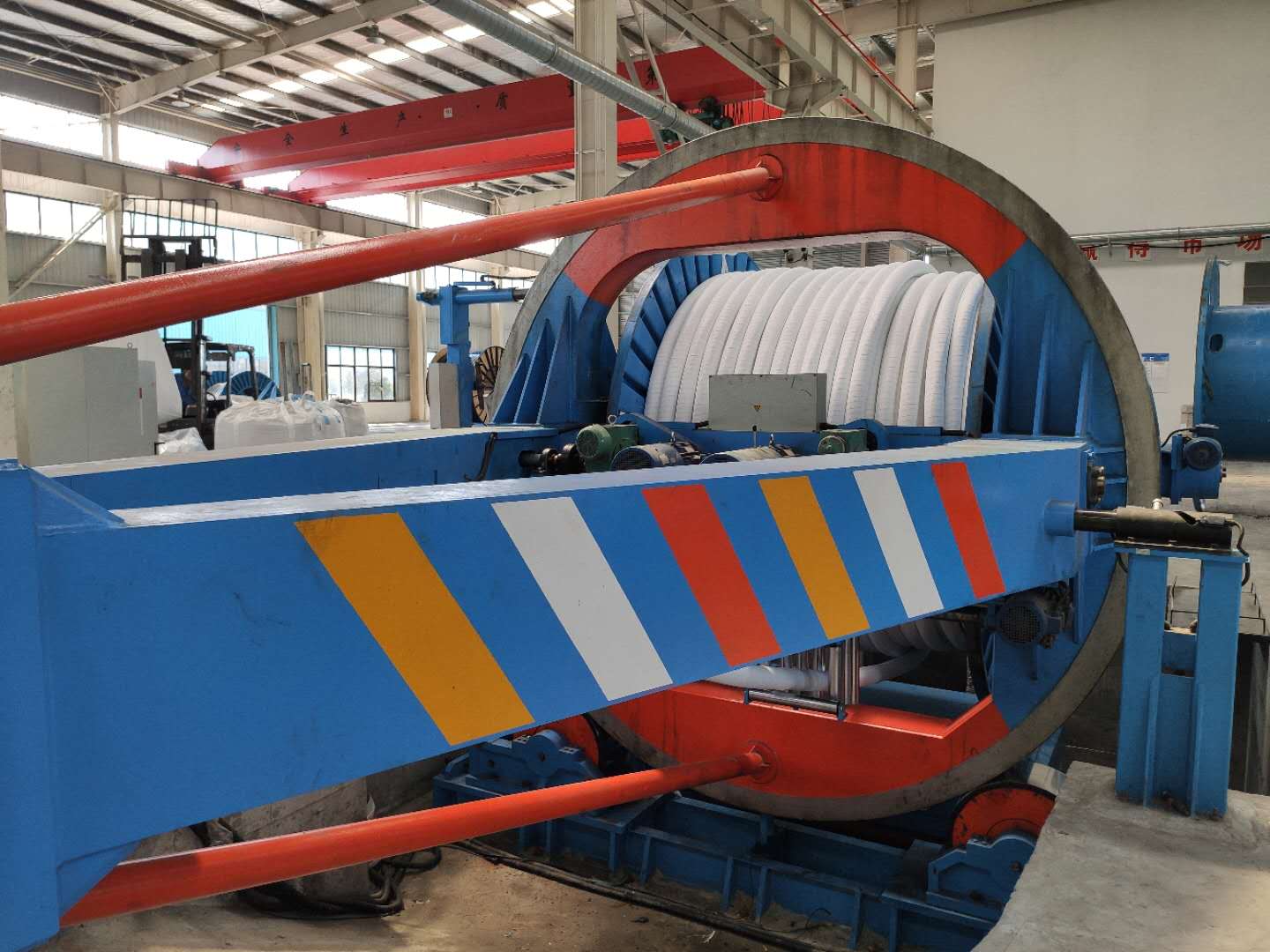
CE, KEMA, and TUV certifications have become non-negotiable benchmarks for industrial electric cables used in international infrastructure, energy, and automation projects. For procurement managers evaluating suppliers in 2026, the ability to verify third-party compliance against specific standards (IEC 60502-2, IEC 62930, GOST 18690) directly influences project risk, installation approval, and long-term reliability.
Problem / Opportunity
Global markets impose distinct certification requirements. European projects mandate CE marking under the Low Voltage Directive; Middle Eastern and Southeast Asian utilities often demand KEMA certification for MV power cables; photovoltaic installations require TUV certification to IEC 62930. Sourcing from a single supplier that can deliver multiple certifications reduces qualification time, eliminates duplicate testing, and ensures consistent quality across sites.
Brand Solution
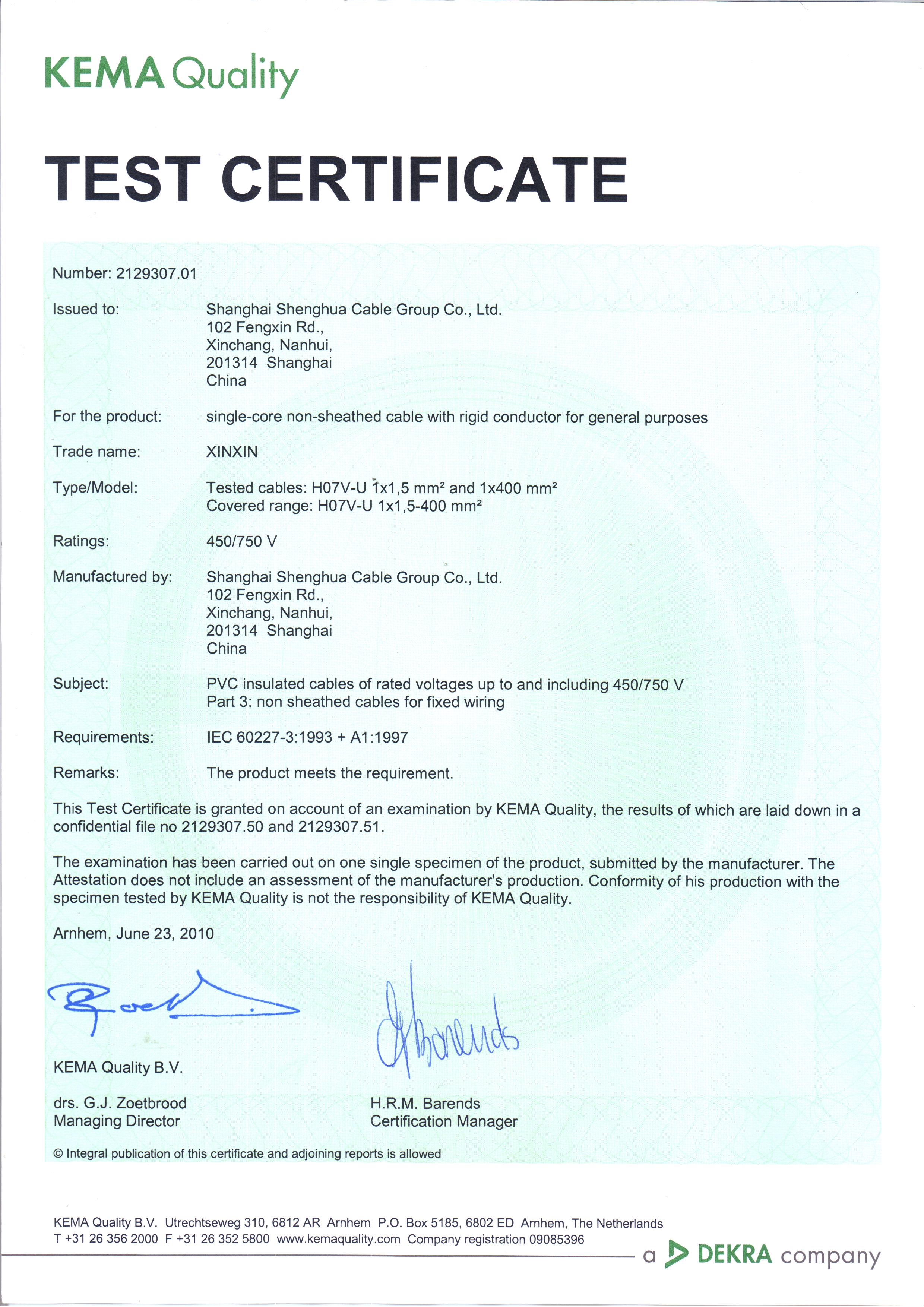
Shanghai Shenghua Cable Group, a Shanghai-based manufacturer founded in 1997, has built a product portfolio spanning more than 80 cable series, including XLPE Insulated Power Cable, Armoured Electrical Cable, Solar Cables, and Fire Resistant Cable. The company holds CE certification (number 3N240913.SSCCQ56) valid 2024-09-13 to 2029-09-12, covering Power Cable (LV/MV), LSZH, Control & Instrumentation, Rubber & Mining, and Solar Cable. It also possesses KEMA certification (numbers 2129307.03, 2129307.01, 2129307.02) valid until 2050-06-22 for power cables, TUV certification (R 50609864 0001) for photovoltaic cables, CNAS laboratory accreditation (CNAS L6565), and a GOST declaration of conformity (N РОСС RU Д-CN.РА01.В.39494/24) for power cables up to 35kV.
Technical Explanation
Each certification targets specific performance parameters. CE certification for power cables verifies compliance with IEC 60228:2023 (conductors), IEC 60502-1 (LV cables), IEC 60502-2 (MV cables), EN 50525 (flexible cables), and IEC 60331 (fire resistance). KEMA certification applies to the same standards plus IEC 60227-3, and is globally recognized for medium-voltage applications. TUV certification for solar cables is based on IEC 62930:2017, covering DC voltage ratings up to 1.5kV. The GOST declaration follows GOST 18690-2012. CNAS accreditation (ISO/IEC 17025:2017) ensures the company's laboratory testing capabilities are independently validated.
Application / Use-Case Scenarios
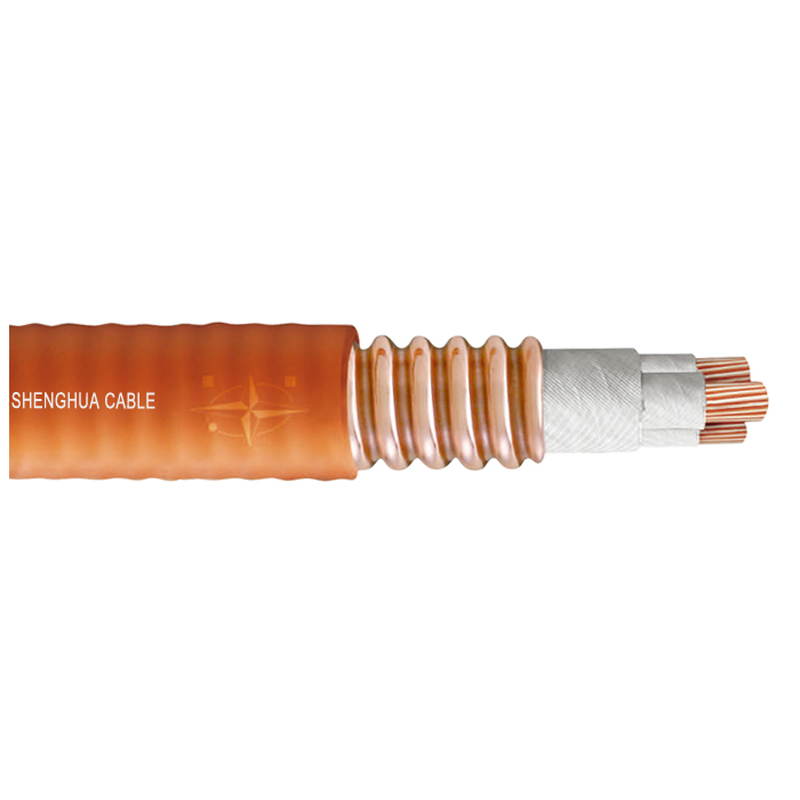
In utility power grids, CE‑certified YJV32 armoured cables are used for main feeders and substations. For photovoltaic power stations, TUV‑certified PV1-F solar cables (600V–1500V DC) connect solar arrays to inverters in desert or rooftop installations. In industrial automation, control & instrumentation cables (KVV, DJYPVP) carry low-voltage signals from PLCs to actuators; CE and KEMA certifications guarantee signal integrity and fire safety. Mining applications require trailing cables (MYP, MCPT) with mechanical robustness; KEMA certification assures compliance with international safety norms. Marine cables (MFVP) for offshore platforms and shipbuilding are also covered under the CE scope.
Market Trend Analysis
Export business accounts for 30% of Shenghua Cable’s total sales, with major markets in Asia, Europe, South America, Africa, and Oceania. The rising adoption of IEC standards by national electricity authorities and the growth of renewable energy installations are driving demand for multi‑certified cables. A single supplier with CE, KEMA, TUV, GOST, and CNAS coverage reduces the need for separate supplier qualification for each project region.
Comparison with Traditional Solutions
Traditional cable suppliers often hold only one or two certifications, forcing buyers to source different cable types from multiple vendors. Shenghua Cable’s certification breadth allows a unified procurement approach. One honest limitation is that while the certifications cover the majority of industrial applications, extremely high‑voltage (EHV) projects may require additional project‑specific type tests beyond the current scope.
Future Outlook
As infrastructure spending grows in Southeast Asia, Africa, and the Middle East, demand for certified cables compliant with both IEC and regional standards (GOST for EAEU, BS for Commonwealth) will increase. Manufacturers that continuously update their certification portfolios—as Shenghua has done with the 2024-2029 CE and GOST renewals—will be preferred partners for turnkey industrial and energy projects.
FAQ
Q: What is the CE certificate number and who issued it?
A: The CE certificate number is 3N240913.SSCCQ56, issued by ECM (Ente Certificazione Macchine Srl), valid from September 13, 2024 to September 12, 2029.
Q: What standards does the CE certification cover?
A: It covers IEC 60228:2023, IEC 60502-1, IEC 60502-2, IEC 60332, IEC 60227, IEC 60245-1, IEC 60331-1:2018, IEC 61089:1991, IEC 60092, and EN 50525.
Q: Does the KEMA certification include medium voltage cables?
A: Yes, KEMA certification applies to power cable models including YJV, YJV22(62), YJV32(72), YJY, and their variants, complying with IEC 60502-1:2004 +A1:2009 and IEC 60227-3:1993 +A1:1997.
Q: Is the company's laboratory accredited?
A: Yes, the laboratory holds CNAS accreditation, number CNAS L6565, based on ISO/IEC 17025:2017.
Q: What TUV certification exists for solar cables?
A: The PV1-F solar cable is TUV certified by TÜV Rheinland LGA Products GmbH, certificate R 50609864 0001, to IEC 62930:2017, applicable globally and in the EU.
Q: Does the GOST declaration cover power cables up to 35kV?
A: Yes, the declaration of conformity N РОСС RU Д-CN.РА01.В.39494/24, issued by MOSTEKHNORUS LLC, covers power cables up to 35kV for the Russia / EAEU market.
Exporte este relatório como PDF para leitura e compartilhamento offline.