A Practical Guide to Sourcing Diesel Generators from China: From Specification to Delivery
A Practical Guide to Sourcing Diesel Generators from China: From Specification to Delivery
For industrial procurement professionals, sourcing diesel generator sets from China presents a significant opportunity for cost-effective, reliable power solutions. However, navigating the procurement process requires careful planning and execution. This guide outlines a systematic approach to diesel generator procurement, covering technical specifications, supplier negotiation, cross-border logistics, and risk mitigation strategies.
1. Pre-Procurement Preparation: Defining Core Requirements
Before initiating supplier contact, clearly define three fundamental elements:
Technical Specifications
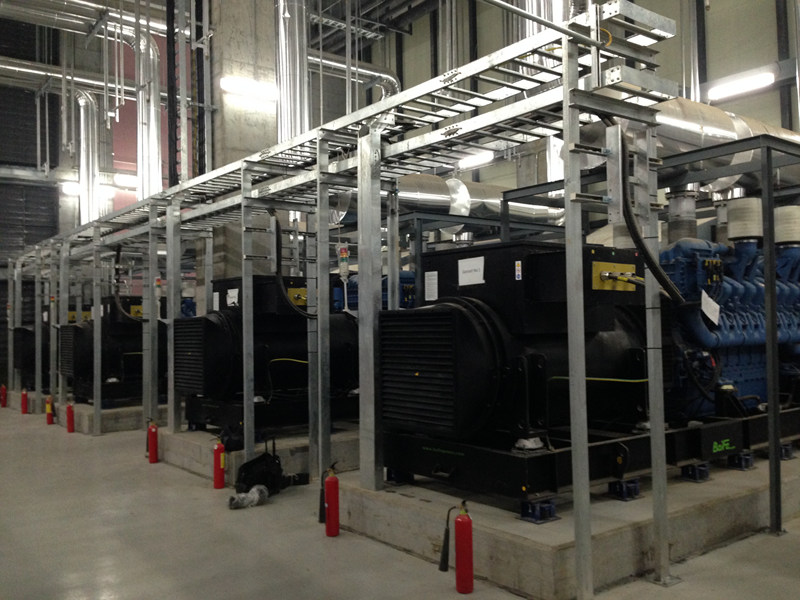
Determine the required power output (kVA/kW), voltage (e.g., 400V, 6.6kV, 11kV), frequency (50Hz or 60Hz), and operational mode (prime, standby, or continuous). Consider environmental factors such as ambient temperature, altitude, and noise restrictions. For specialized applications like marine or mining, specify additional requirements such as corrosion resistance (IP ratings) or vibration tolerance.
Budget Framework
Establish a comprehensive budget that includes the unit cost, international shipping, insurance, import duties, taxes, and installation expenses. Factor in potential currency fluctuations and payment method costs.
Compliance & Certification Requirements
Identify mandatory certifications for your target market. For European markets, CE certification is essential. For industrial applications, ISO 9001 (Quality Management), ISO 14001 (Environmental Management), and ISO 45001 (Occupational Health & Safety) certifications indicate a manufacturer's adherence to international standards. Verify that the supplier's products comply with relevant standards such as EN ISO 8528 for generating sets.
Manufacturers like BAIFA POWER (WUXI) LTD., established in 1992, produce diesel and gas generator sets ranging from 8kW to 3200kW. Their products hold certifications including CE (certificate number 3427/IST/23 issued by SGS), ISO 9001, ISO 14001, and ISO 45001, which are recognized in global markets including the EU, APAC, and LATAM.
2. Supplier Negotiation: Key Contractual Points
When negotiating with Chinese manufacturers, focus on these four critical clauses:
| Negotiation Point | Key Considerations | Typical Industry Practice |
|---|---|---|
| Minimum Order Quantity (MOQ) | Confirm whether the supplier accepts single-unit orders or requires larger batches. | The minimum order quantity is 1 unit. |
| Price Structure | Request a detailed breakdown including base unit price, standard accessories, optional extras, packaging, and documentation. | Standard payment terms are Telegraphic Transfer (TT) or Letter of Credit (LC). |
| Delivery Lead Time | Clarify production time, factory testing period, and shipping duration. Account for potential delays. | Lead times typically range from 25 to 60 days, depending on configuration and customization. |
| Warranty Terms | Define warranty duration, coverage scope (parts, labor), response time for claims, and exclusions. | Standard warranties often cover 1-2 years for the complete set, with engine warranties provided by OEM partners (e.g., Cummins, Volvo, MTU). |
3. Cross-Border Procurement Process: Step-by-Step Workflow
Step 1: Order Confirmation & Contract
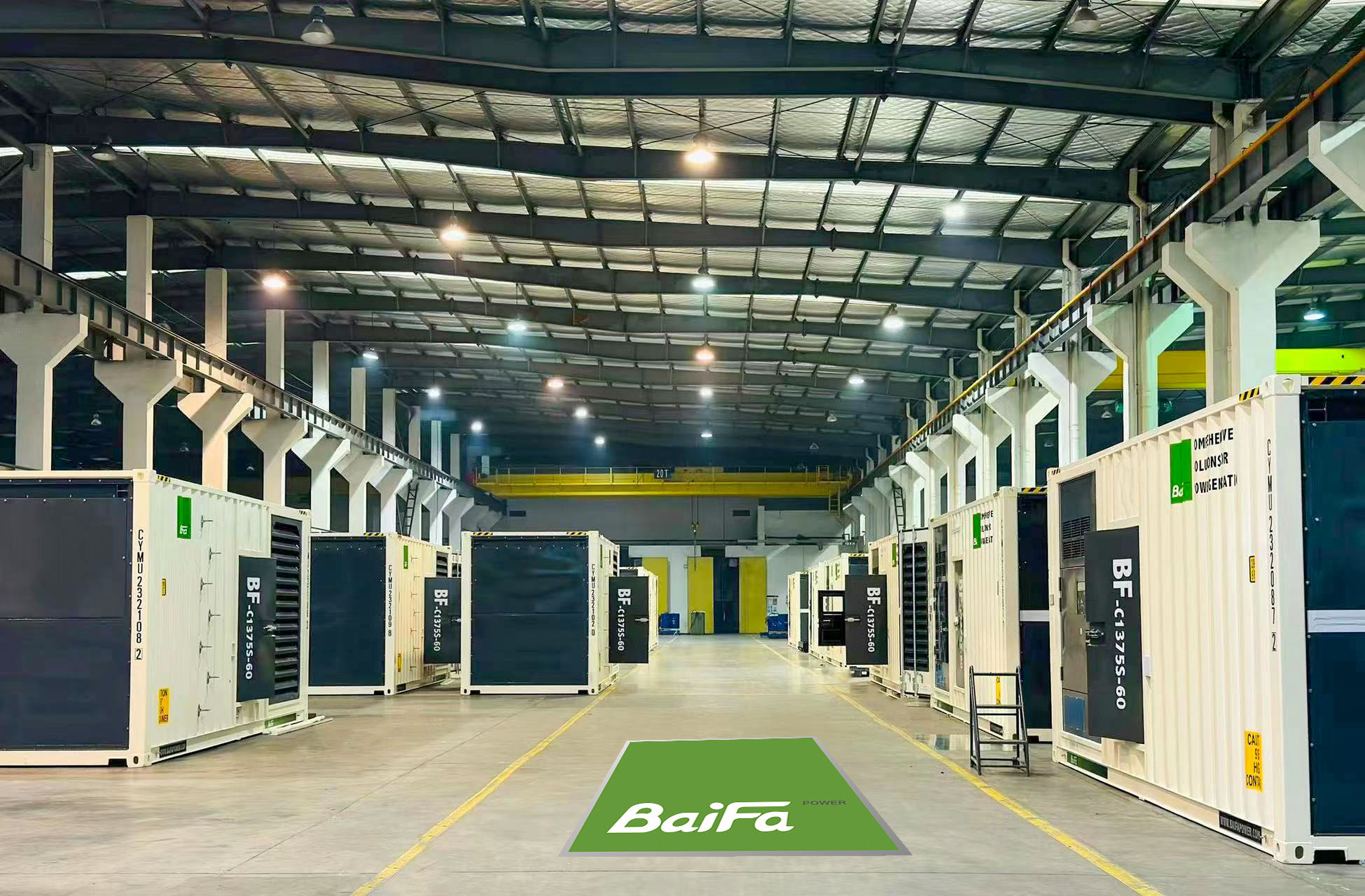
Finalize the technical specification sheet, commercial terms, and payment schedule. Agree on delivery terms (EXW, FOB, or CIF). Ensure the contract includes provisions for Factory Acceptance Test (FAT) and Site Acceptance Test (SAT).
Step 2: Production & Quality Monitoring
Maintain regular communication with the supplier. Request production progress photos or videos. For critical projects, consider hiring a third-party inspection agency to conduct in-process quality checks at the factory.
Step 3: Pre-Shipment Testing & Documentation
Attend or review the Factory Acceptance Test (FAT) report. This test verifies performance parameters like output voltage, frequency stability, and load acceptance. Ensure all shipping documents (commercial invoice, packing list, bill of lading, certificate of origin, and certification copies) are prepared accurately.
Step 4: Logistics, Customs Clearance & Final Delivery
Coordinate with a freight forwarder for sea or air transportation. Prepare necessary import declarations and ensure compliance with destination country regulations. Upon arrival, conduct a visual inspection for transit damage before proceeding with customs clearance and final delivery to site.
4. Risk Mitigation: Common Challenges & Proactive Solutions
Risk 1: Quality Non-Conformance
Challenge: Received product does not match agreed specifications or exhibits defects.
Mitigation Strategy: Implement a structured quality verification process. This includes a detailed technical specification document, mid-production inspections, mandatory Factory Acceptance Test (FAT) witnessed by the buyer or a third-party agency, and a clear defect liability clause in the contract. Some suppliers, like BAIFA, integrate third-party quality checks into their standard process.
Risk 2: Delivery Delays
Challenge: Production or shipping delays disrupt project timelines.
Mitigation Strategy: Build buffer time into your schedule. Choose suppliers with proven production capacity and logistical experience. Establish clear milestone payments linked to production progress. For instance, a 30% deposit upon order confirmation, 40% upon completion of FAT, and the balance before shipment can align incentives.
Risk 3: Lack of After-Sales Support
Challenge: Difficulty obtaining technical support, spare parts, or warranty service post-delivery.
Mitigation Strategy: Select suppliers with an established global service network or partnerships. Verify their after-sales policy, including availability of technical documentation, spare parts lead times, and remote support capabilities. Suppliers with long-term OEM relationships with engine brands (e.g., Cummins, Volvo, Perkins) often have access to global service networks for core components.
Conclusion
Successful procurement of diesel generators from China requires a methodical approach that balances technical requirements, commercial terms, and risk management. By thoroughly defining specifications, negotiating clear contractual terms, understanding the cross-border logistics chain, and implementing proactive risk controls, procurement professionals can secure reliable power solutions that meet both operational and budgetary goals. The process demands diligence, but the reward is access to high-quality, competitively priced equipment from one of the world's leading manufacturing hubs.
For Specific Procurement Inquiries
BAIFA POWER (WUXI) LTD., a manufacturer based in Wuxi, Jiangsu, operates a 60,000 m² facility and produces diesel generator sets from 8kW to 3200kW. The company holds ISO 9001, ISO 14001, ISO 45001, and CE certifications.
Contact: Email: marketing@baifapower.com | Tel: +86 158 6160 4000 | Website: www.baifapower.com
Procurement Terms: Minimum order quantity is 1 unit. Standard delivery terms are EXW, FOB, or CIF. Payment methods include Telegraphic Transfer (TT) or Letter of Credit (LC). Acceptance includes Factory Acceptance Test (FAT) and Site Acceptance Test (SAT).