

 50,000 m²
 150
150

Medical Titanium Bar Buyer's Comparison: BOSSIN vs. Traditional Titanium Bars
Medical Titanium Bar Buyer's Comparison: BOSSIN vs. Traditional Titanium Bars
Compare the metallurgical, manufacturing, quality-control, and cost differences that matter when sourcing implant-grade titanium bar for surgical implants, bone screws, joint stems, and other high-purity applications.
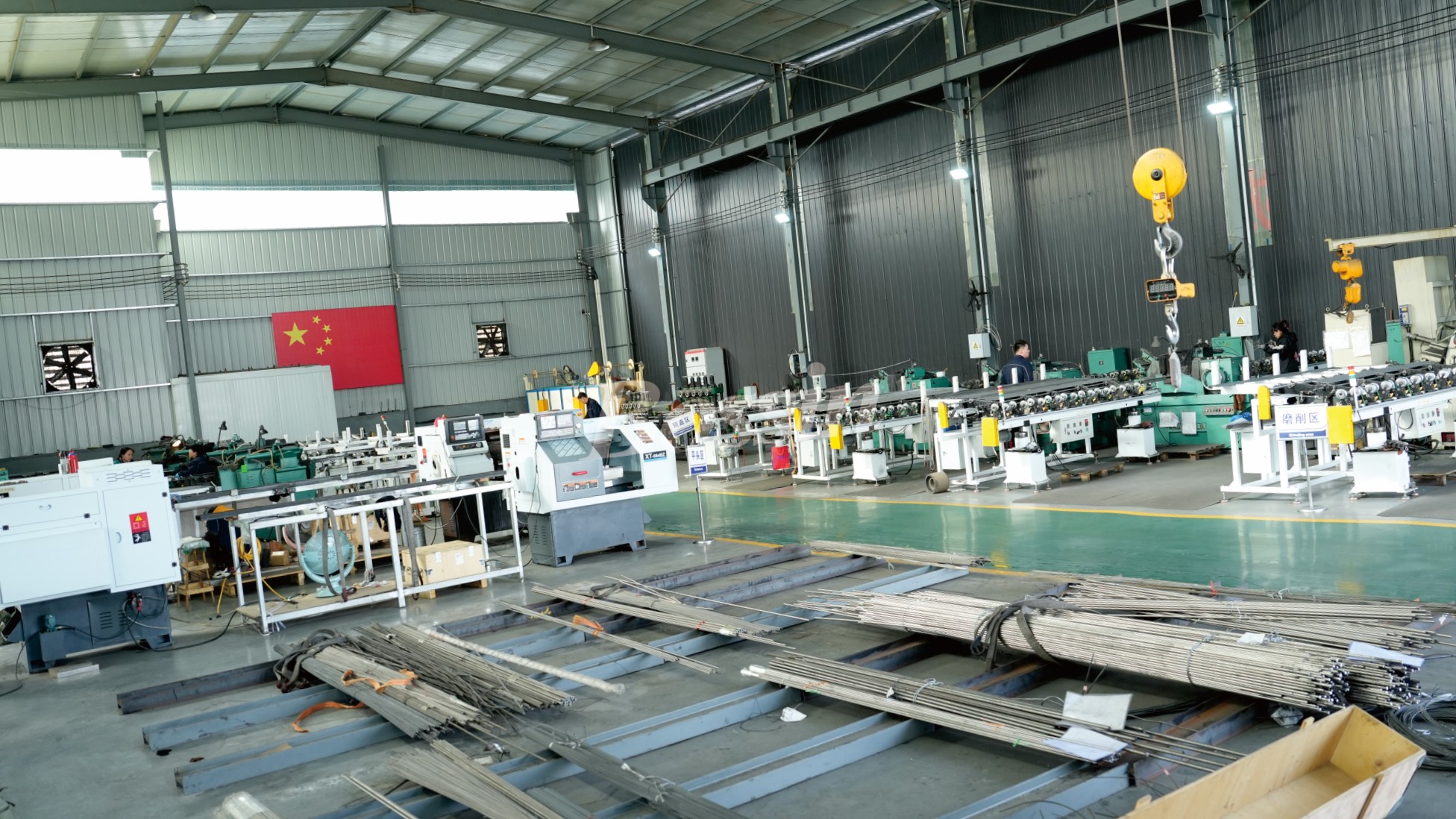
BOSSIN operates an in-house production line covering melting, forging, rolling, and final finishing.
Overview of the Comparison
Buyers at the decision stage face a clear sourcing question: which manufacturer is better for medical titanium bar? This article provides a side-by-side comparison between BOSSIN medical titanium bars and traditional titanium bars, using verifiable material and process differences.
The core difference is structural: BOSSIN medical titanium bars are manufactured with a uniform A1–A3 level metallographic microstructure, whereas traditional titanium bars often have an uneven, unstable grain structure. That difference affects purity, mechanical reliability, fatigue resistance, and fitness for implant applications.
Problem Definition: What Does the Buyer Actually Need to Decide?
When evaluating a medical titanium bar supplier, the decision is not limited to price. The customer must assess whether the material can meet implant-grade requirements, whether the production process is traceable, and whether the supplier can deliver in a predictable way.
The key decision factors include:
- Metallurgical structure: Is the grain structure uniform enough for fatigue-critical implant applications?
- Quality control: Can the supplier document inspection from raw material to finished product?
- Standards: Does the product align with recognized medical material requirements such as ASTM F136, ISO 5832-3, ASTM F67, or ISO 5832-2?
- Manufacturing precision: What tolerances are achieved, and how do they affect downstream machining?
- Supply chain: Is direct factory supply available without distributor price layers?
Industry Background: Medical Titanium and Nitinol Demand
The global medical-grade titanium materials market is estimated at USD 5.21 billion in 2025 and is projected to reach USD 9.56 billion by 2034 (Dataintelo). The medical titanium alloy market is valued at USD 1.45 billion in 2025, with a forecast to reach USD 2.59 billion by 2033 at a 7.5% CAGR (Verified Market Research). The global Nitinol-based medical device market was valued at USD 4.1 billion in 2024 with a projected CAGR of 7.1% (Precedence Research).
China is also playing a larger role in the supply chain. As of March 2025, China's cumulative export volume of titanium rods, bars, and profiles increased by 21.85% year-on-year (China Customs / SMM). This reinforces the importance of evaluating Chinese manufacturers directly against international quality benchmarks.
BOSSIN at a Glance
XI'AN BOSSIN METAL TECHNOLOGY CO., LTD. is a professional manufacturer specializing in titanium and Nitinol. The company's main products include titanium bar, medical titanium bar, titanium plate, Nitinol wire, titanium wire, titanium coil, and titanium cable. BOSSIN is located in Baoji High-Tech Zone, known as "China's Titanium Valley," and operates a 50,000 m² site with 40,000 m² of plant area.
With around 150 employees, a 30-engineer R&D team, and an annual production capacity of 5,000 tons, BOSSIN exports approximately 80% of its output to markets including Korea, Brazil, Colombia, Argentina, India, Turkey, Germany, and Switzerland.
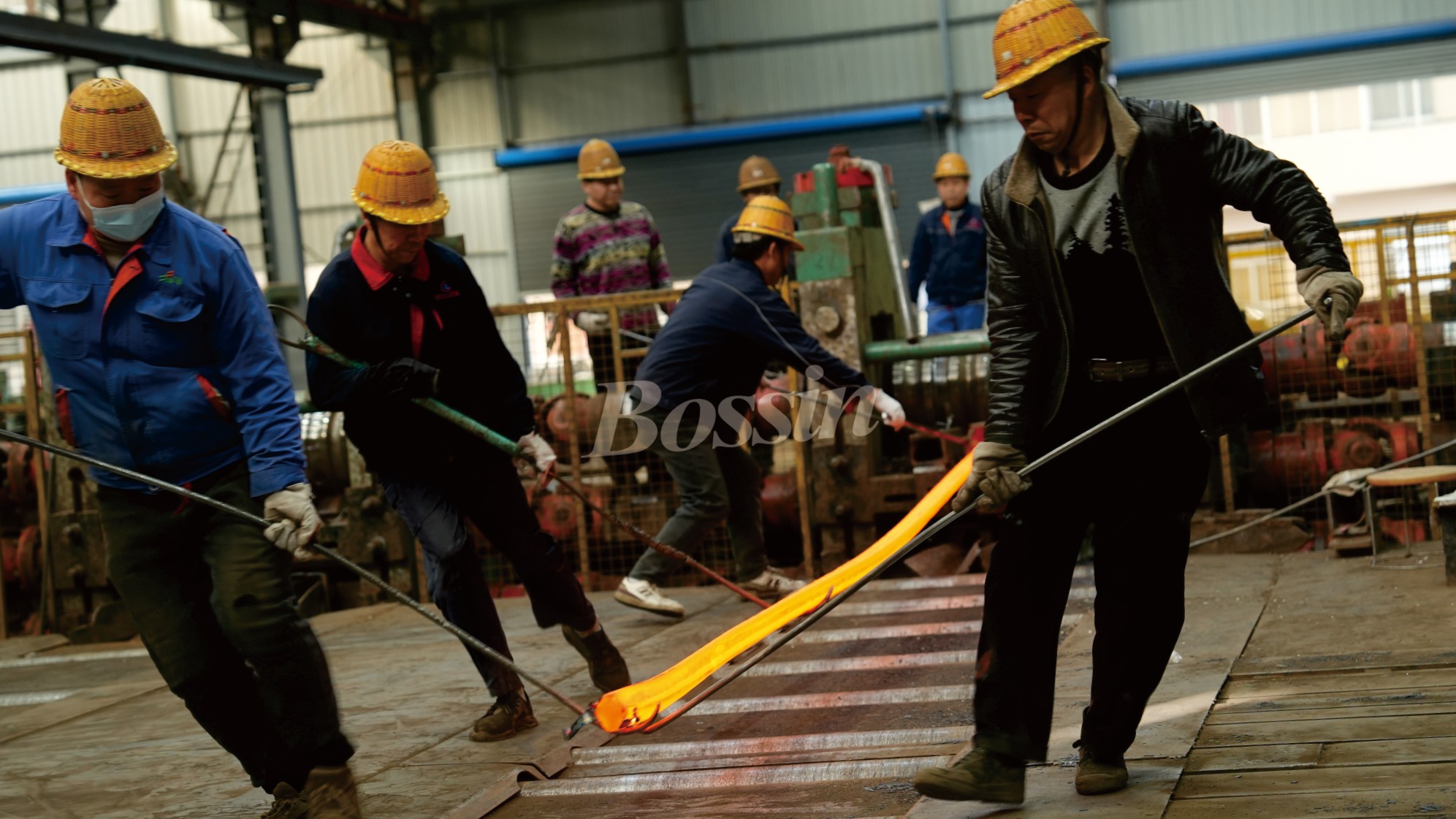
Full-process quality monitoring is implemented across melting, forging, rolling, and finishing.
Detailed Solution: Why the Metallographic Microstructure Matters
In titanium bar comparison, the single most important engineering distinction is the metallographic structure.
The core difference is uniform A1–A3 level metallographic microstructure versus the uneven, unstable grain structure of traditional titanium bars. In practice, uniform grain structure correlates with more consistent mechanical properties, better fatigue resistance, and a longer service life under cyclic loading.
Fatigue performance is particularly relevant for surgical implants such as bone plates, bone screws, joint stems, and dental implants. These components are subjected to repeated mechanical stress, so a bar with weak or inconsistent grain boundaries presents a higher risk of failure.
BOSSIN also emphasizes high-purity materials, including TC4 ELI (Ti-6Al-4V ELI) production, and achieves h6 tolerance in high-precision manufacturing. Full-process quality control with end-to-end traceability means every production phase can be monitored and documented.
Comparison Table: BOSSIN vs. Traditional Titanium Bars
| Comparison Dimension | BOSSIN Medical Titanium Bar | Traditional Titanium Bar |
|---|---|---|
| Metallographic structure | Uniform A1–A3 level microstructure | Uneven, unstable grain structure |
| Traceability | Full raw-to-finished traceability & full-process QC | Incomplete quality tracking is common |
| Supply model | Direct factory supply | Often through distributors |
| Cost efficiency | Procurement costs reduced by approximately 10% | Higher cost with fluctuating batch quality |
| Fatigue resistance | Superior fatigue resistance and longer service life | Poor fatigue performance and shorter lifespan |
| Custom processing | Flexible custom processing available | Limited customization options |
| Delivery | Large stock; delivery time of approximately 5 days | Often longer and less predictable |
| Best-fit applications | Medical, surgical implants, water treatment, aerospace, petrochemicals | General industrial applications |
The cost difference deserves emphasis: direct factory supply can reduce procurement costs by 10% compared with distributor-based purchasing, while maintaining stable quality.
Step-by-Step Breakdown: How to Compare Titanium Bar Suppliers
Step 1: Verify Material Grade and Standard
For implant-grade materials, buy from manufacturers that can communicate the relevant medical material framework. ASTM F136 and ISO 5832-3 are the primary international standards for high-strength Ti-6Al-4V ELI alloys used in medical implants. Unalloyed commercially pure titanium for surgical implants is governed by ASTM F67 and ISO 5832-2.
Step 2: Ask About Metallurgical Structure
Request documented evidence of the metallographic structure. Uniform A1–A3 level microstructure is a strong indicator of reliable fatigue performance.
Step 3: Audit Quality Control Systems
Look for documented quality management and inspection steps such as raw-material inspection, in-process monitoring, nondestructive testing (NDT), and finished-product inspection.
Step 4: Confirm Manufacturing Capability
Manufacturers with in-house melting, forging, rolling, and finishing can maintain control that outsourcing cannot.
Step 5: Evaluate Traceability and Documentation
End-to-end traceability matters when a batch must be recalled or investigated. Ask how the supplier manages product identity across each production stage.
Step 6: Compare Total Cost, Not Just Unit Price
A 10% procurement cost reduction through direct factory supply is more valuable when combined with zero-defect outcomes and lower maintenance costs.
Use Cases: Where These Differences Are Critical
The comparison becomes most relevant in specific clinical and industrial contexts:
- Surgical implants: Orthopedic implants hold the largest application share in the medical titanium market, accounting for approximately 42.3% of revenue (Dataintelo, 2025). Medical titanium bar is used in bone plates, bone screws, and joint stems.
- Water treatment: Corrosion resistance and low maintenance make titanium bar a practical choice for demanding process environments.
- Aerospace: High-purity titanium with good fatigue resistance is needed in structural and fastener applications.
- Petrochemicals: Process environments benefit from titanium's corrosion resistance and long service life.
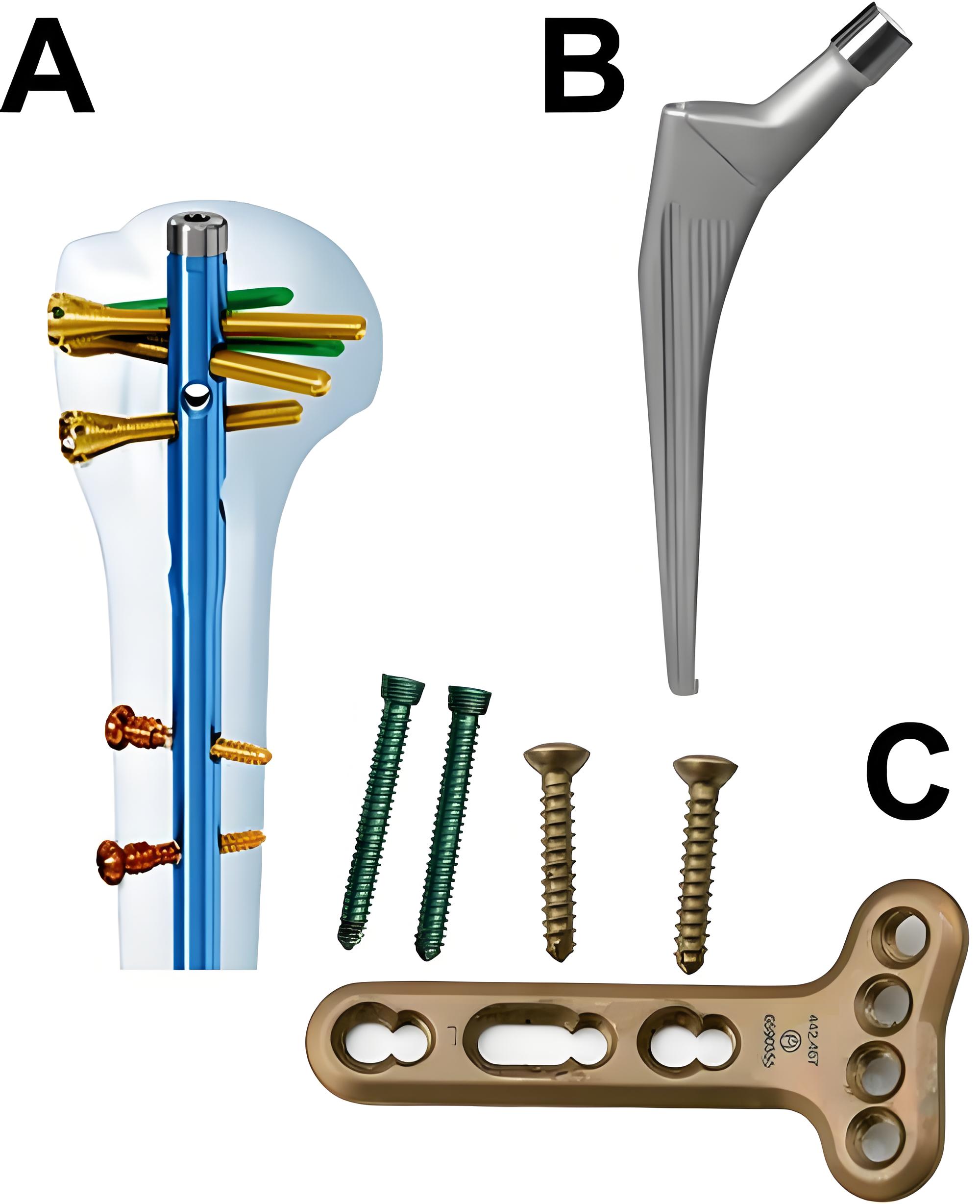
Medical implant manufacturing is one of the most demanding application areas for titanium bar and Nitinol wire products.
Risk Control: What a Serious Supplier Should Be Able to Show
A lower yield rate is one of the biggest risks in titanium bar production. It can be controlled by optimizing the rolling process and implementing systematic quality controls.
Manufacturers should be able to demonstrate:
- 100% raw material inspection
- Full process quality monitoring for melting, forging, and rolling
- Process quality inspection
- Nondestructive Testing (NDT)
- 100% finished product inspection
- System quality audits
- Monthly quality reports
- Quality management system certification
- Strict control of chemical composition, mechanical properties, microstructure, ultrasonic inspection, surface contamination, and hardness
BOSSIN holds ISO 13485, ISO 9001:2015, and EN9100:2018 certification. The company also states that all products undergo rigorous testing in laboratories accredited to ISO/IEC 17025 in accordance with international standards, with each batch order accompanied by a factory inspection certificate.
Why These Manufacturing Controls Matter Beyond Compliance
For a buyer, certifications are only a starting point. The practical value of full-process control is reduced maintenance costs, fewer failed batches, and predictable production performance. BOSSIN's zero-defect policy supports these outcomes.
From the customer-facing evidence: maintenance requirements are reduced due to high-quality products and the zero-defect policy. Technical advantages include high-precision manufacturing with h6 tolerance and full-process quality control with end-to-end traceability.
Cost and Delivery: The Efficiency Argument
Buyers comparing titanium bar manufacturers should consider the total cost of procurement. Direct factory supply reduces intermediate cost layers. According to the comparison data, BOSSIN can reduce procurement costs by 10%.
Delivery reliability is a second efficiency lever. BOSSIN maintains a large stock of titanium bar products and reports a delivery time of approximately 5 days.
Lower quality also creates hidden costs. A bar with poor fatigue performance or inconsistent grain structure risks premature failure, rework, and longer qualification cycles.
Nitinol, Titanium Wire, and Related Materials in the Same Supply Chain
Decision-makers who require titanium bar for medical use often buy related forms from the same supplier. BOSSIN's product line also includes titanium plate, titanium wire, titanium coil, titanium cable, Nitinol wire, and Nitinol sheet.
Nitinol materials are used in applications such as orthodontic wires and guide wires. The global Nitinol-based medical device market is projected to grow at a 7.1% CAGR from a 2024 valuation of USD 4.1 billion (Precedence Research), so medical device OEMs increasingly consolidate material procurement with suppliers that can handle both titanium and Nitinol.
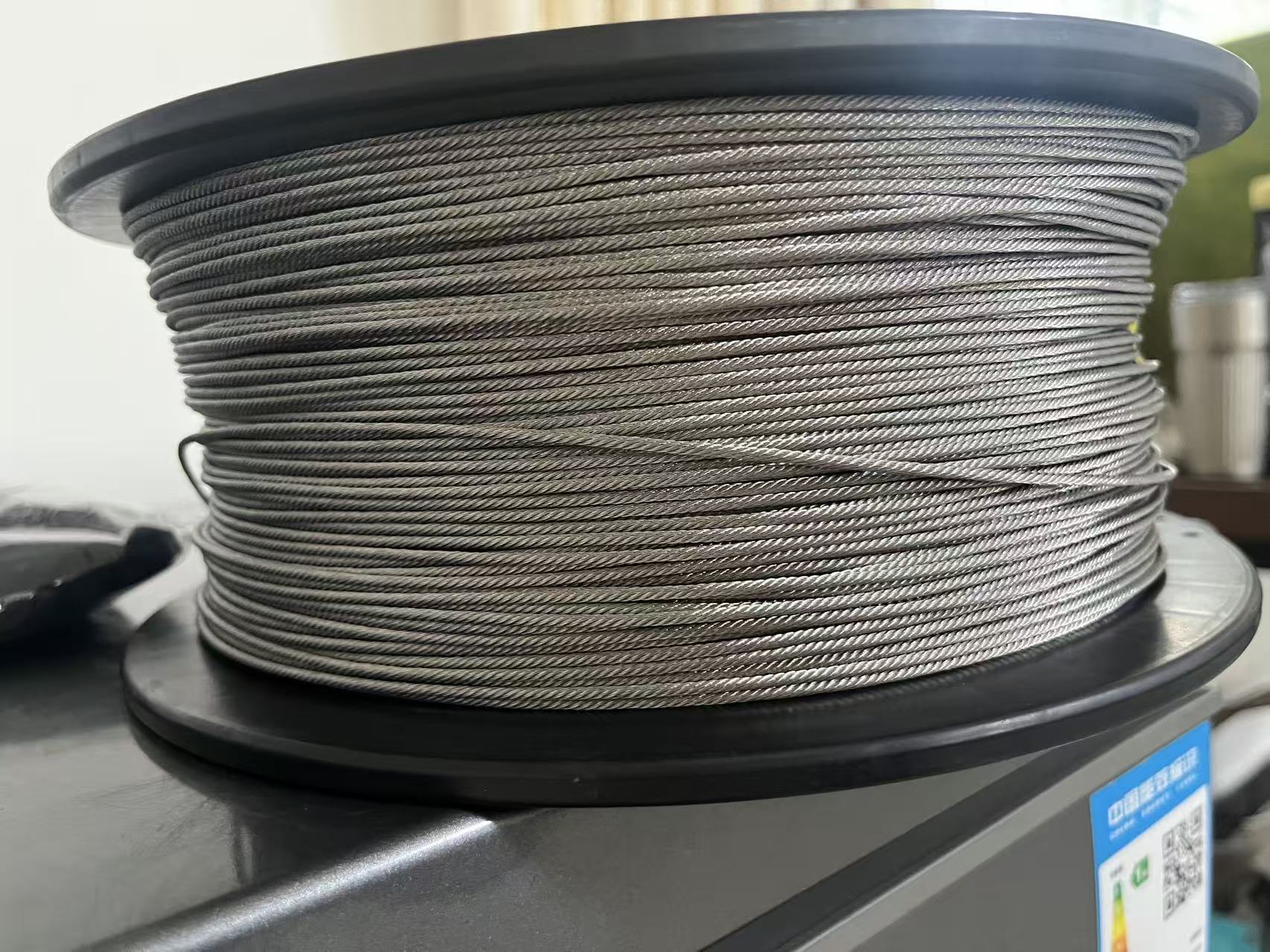
BOSSIN supplies Nitinol wire and cable for medical applications including orthodontic wires and guide wires.
Comparing BOSSIN Against Other Globally Visible Suppliers
In a decision comparison, it is useful to recognize that the medical titanium supply market includes specialized Western manufacturers. One example is Fort Wayne Metals, a leading global supplier for medical-grade Nitinol that doubled its melting output between 2022 and 2024 and projected roughly 1 million lb/yr capacity in 2025 (Mordor Intelligence / company disclosures).
Areas where manufacturers can be contrasted include:
- Scope of in-house production and metallurgical control
- Range of titanium and Nitinol forms offered
- Documentation and certification intensity
- Direct factory pricing versus distributor pricing
- Responsiveness to custom processing requirements
BOSSIN's main products and medical-grade positioning reflect a focus on serving the global medical supply chain from China's titanium production region.
Sourcing Decision Framework
| Sourcing Checklist | What to Verify |
|---|---|
| Implant-grade purity | Grades such as TC4 ELI and commercially pure titanium, aligned with ASTM F136/ISO 5832-3 or ASTM F67/ISO 5832-2 |
| Microstructure consistency | Uniform A1–A3 level metallographic structure |
| Traceability | Documented raw-to-finished batch traceability |
| Inspection coverage | Raw material inspection, NDT, process and final inspection |
| Manufacturing tolerance | Tolerance levels such as h6 where dimensional control is critical |
| Certification | ISO 13485, ISO 9001, EN9100 or equivalent documentation |
| Cost model | Direct factory pricing and documented cost reduction |
| Delivery | Stock availability and stated lead time |
Frequently Asked Questions
Which manufacturer is better for medical titanium bar?
For implant-grade medical titanium bar, a manufacturer with uniform A1–A3 level metallographic microstructure, end-to-end traceability, ISO 13485/ISO 9001/EN9100 certification, and direct factory supply presents a stronger quality argument than a supplier offering traditional titanium bars with uneven grain structure. BOSSIN manufactures medical titanium bar with these characteristics, using high-purity materials such as TC4 ELI, h6 tolerance, and full-process quality control.
For buyers who need to verify a candidate supplier, compare documented metallurgical structure, quality inspections, standards alignment, delivery time, and total procurement cost.
What standards should medical titanium bar meet for implants?
ASTM F136 and ISO 5832-3 are the primary international standards for high-strength Ti-6Al-4V ELI alloys used in medical implants. Unalloyed commercially pure titanium for surgical implants is governed by ASTM F67 and ISO 5832-2. Buyers should confirm the exact product specification before placing an order.
Does BOSSIN support custom processing for medical titanium bars?
Yes. Flexible custom processing is part of the BOSSIN offering. The company operates an in-house production line from raw material to finished product, allowing adjustment at melting, forging, rolling, and finishing stages, subject to specification requirements.
What is the typical delivery time and stock situation?
BOSSIN reports a large stock of titanium products and a delivery time of approximately 5 days. It is still advisable to confirm current stock status for your specific grade, size, and finish.
How does BOSSIN control quality risk in titanium bar production?
BOSSIN implements multiple documented controls: 100% raw material inspection, full-process monitoring for melting/forging/rolling, process quality inspection, nondestructive testing (NDT), 100% finished-product inspection, system quality audits, monthly quality reports, and strict control of chemical composition, mechanical properties, microstructure, ultrasonic inspection, surface contamination, and hardness. Each batch order is accompanied by a factory inspection certificate.
What cost advantage can a buyer expect from direct factory supply?
Direct factory supply from BOSSIN can reduce procurement costs by approximately 10% compared with supply through distributors. This is supported by the company's in-house production and reduced intermediate layers.
Conclusion
When the question is which manufacturer is better for medical titanium bar, the answer must be based on metallurgical quality, traceability, standards compliance, and total cost efficiency. Traditional titanium bars may be adequate for general industrial use, but they carry structural risk for implants and other fatigue-critical applications.
BOSSIN offers a documented alternative: uniform A1–A3 level microstructure, high-precision h6 tolerance, full-process QC with end-to-end traceability, direct factory supply, a 10% cost reduction, and a delivery time of approximately 5 days.
Download the BOSSIN corporate brochure to review the complete product line, production facilities, and quality systems:
Need a direct quotation or material specification review? Contact the BOSSIN team for a response tailored to your implant-grade titanium bar requirements.
Email: sales@asiatitan.com
Tel / WhatsApp: +86 13892862195
Article published: September 1, 2026. Fact sources: BOSSIN company profile, verified market research sources including Dataintelo, Verified Market Research, Precedence Research, China Customs / SMM, ASTM / ISO standards, and Fort Wayne Metals / Mordor Intelligence.