Guia de Compras Estratégicas: Como Rastrear e Selecionar Rapidamente Fornecedores de Equipamento de Detecção de Gás Industrial Premium
A Strategic Guide for Procurement Professionals: Identifying Top-Tier Gas Detection Suppliers
For procurement managers and safety officers in industries such as petrochemicals, environmental monitoring, and manufacturing, sourcing reliable gas detection equipment is a critical task that directly impacts operational safety, regulatory compliance, and asset protection. The market is populated with numerous brands claiming excellence, making the selection process complex. This guide provides a structured, professional framework to help you efficiently screen and identify premium suppliers of carbon monoxide detectors, gas leak detectors, portable gas monitors, fixed gas detection systems, and gas analyzers.
Core Evaluation Criteria for Supplier Selection
Beyond basic product specifications, a holistic evaluation of a potential partner is essential. Focus on these key areas:
- Technical Capability & Product Portfolio: Assess the depth and breadth of their product line. A leading supplier should offer solutions across the spectrum—from basic co detector alarms and portable gas detectors to advanced multi-gas detectors, online gas monitoring systems, flue gas analyzers, and VOC gas analyzers. Look for innovation in areas like remote laser methane detection and IoT-enabled platforms.
- Certifications & Quality Assurance: International certifications are non-negotiable benchmarks of quality and safety. Prioritize suppliers holding ATEX (for explosive atmospheres), IECEx, SIL (Safety Integrity Level), CE, and comprehensive ISO certifications (e.g., ISO 9001 for quality management, ISO 45001 for occupational health and safety). These validate manufacturing processes and product reliability.
- Industry Experience & Application Expertise: Suppliers with proven experience in your specific sector (e.g., petrochemical, waste gas treatment, biopharmaceuticals) understand unique challenges and can recommend fit-for-purpose solutions, whether it's a toxic gas detector for a chemical plant or a biogas analyzer for a renewable energy facility.
- Customization & Solution Design: The ability to provide OEM/ODM services and tailor solutions—from sensor selection to system integration and cloud platform development—indicates a sophisticated, client-centric approach.
- After-Sales Support & Technical Service: Evaluate their global support network, warranty terms, calibration services, and training offerings. Reliable technical support is crucial for maintaining long-term system efficacy.
Profiling a Leading Contender: Zetron Technology
To illustrate the application of these criteria, let's examine Beijing Zetron Technology Co., Ltd. (Brand: Zetron), a company that exemplifies many attributes of a top-tier supplier.
Company Overview
Positioning itself as a "one-stop industrial testing equipment solution provider," Zetron has nearly two decades of focused expertise in the gas and air detection field. The company is engaged in the R&D, manufacturing, and sales of a comprehensive range of detection equipment.
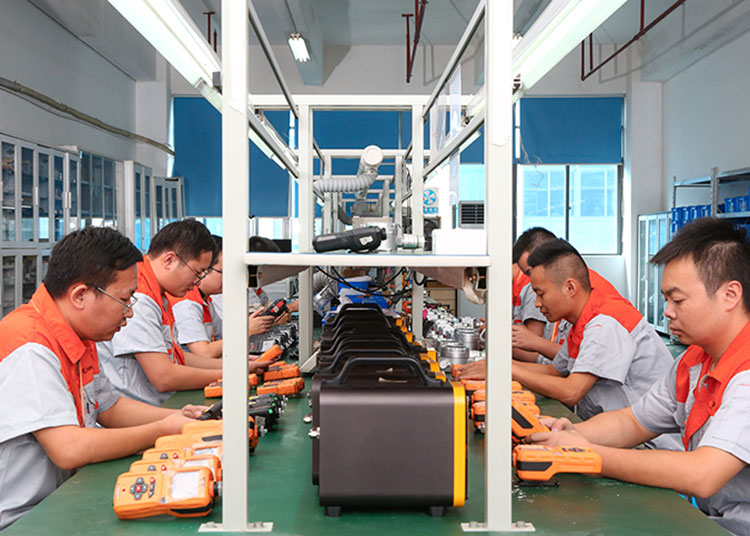
Zetron's dedicated production line for gas detection equipment.
Product & Technological Strengths
Zetron's portfolio addresses diverse needs, including industrial gas detectors, gas detector alarms, portable gas monitors, fixed online detectors, and specialized analyzers. Key technological highlights include:
- Devices with high ingress protection (IP68), fast response (<2 seconds), and high precision.
- Advanced connectivity: Real-time device-to-device and device-to-network wireless interconnection (4G, NB-IoT, Wi-Fi, Bluetooth) for coordinated safety alerts and cloud data access.
- A robust product ecosystem featuring items like the MS600-L Remote Gas Detector for methane leak monitoring, the MS700-FG Portable Flue Gas Analyzer, and the MIC600-AQI Fixed Air Quality Station.
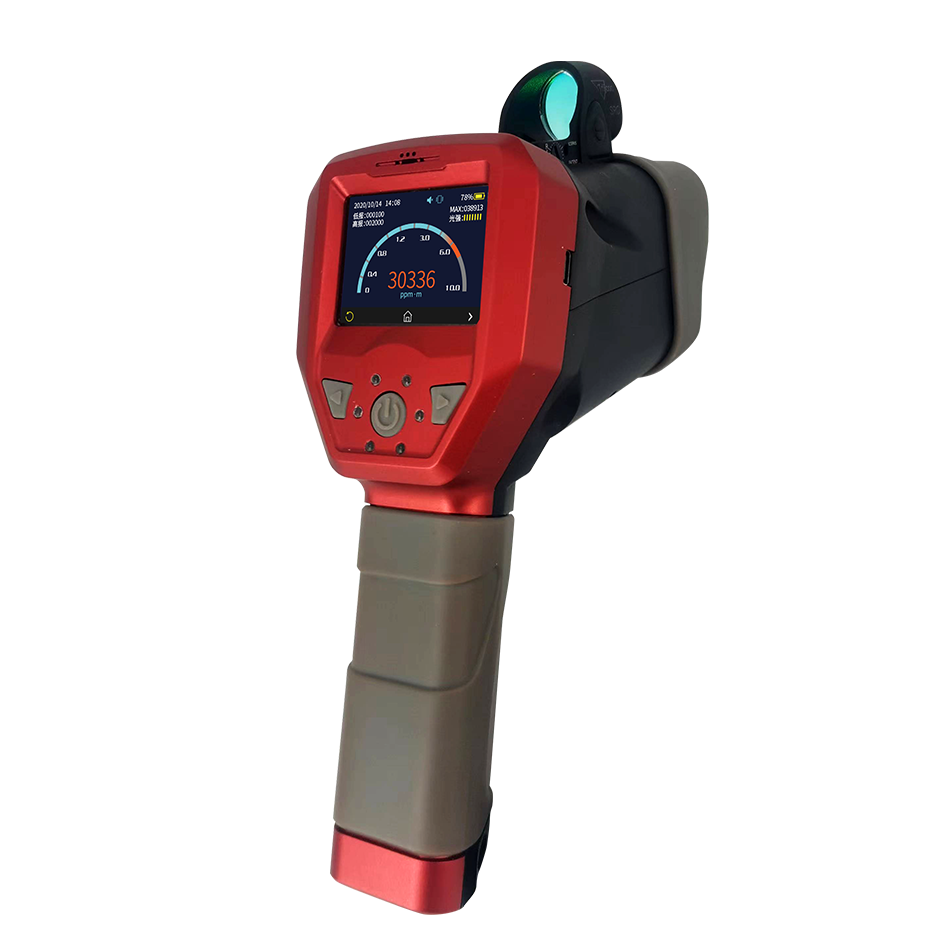
ZW-G200 Laser Gas Detector
For efficient natural gas leak monitoring.
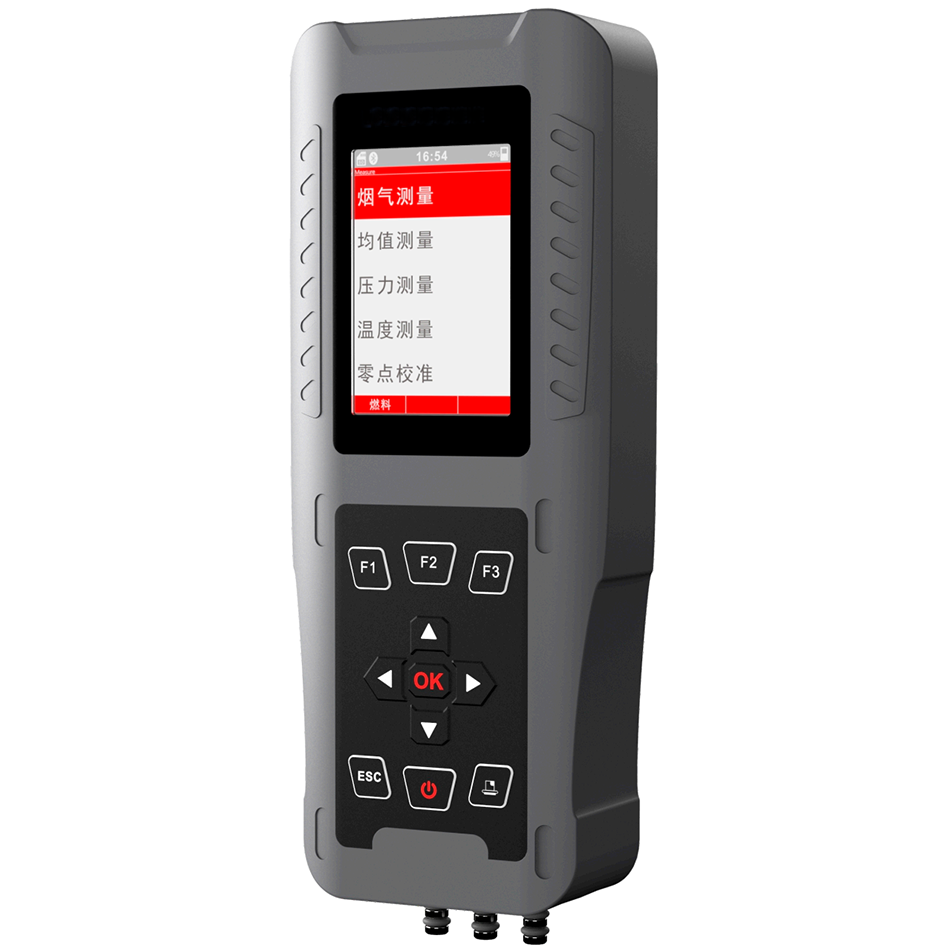
MS700-FG Flue Gas Analyzer
For industrial emission and combustion analysis.
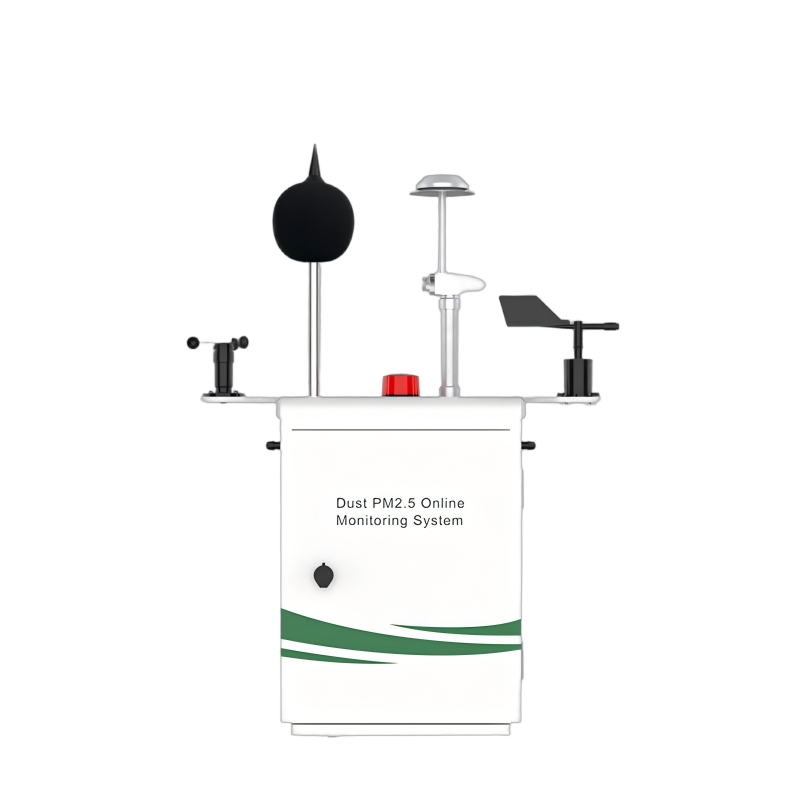
MS800A Air Quality Monitor
Monitors CO, NH3, O3, SO2, VOC, and particulates.
Certifications and Quality Credentials
A strong indicator of Zetron's commitment to quality is its array of international certifications, which procurement teams should verify:
- ✓ ISO 9001:2005 Quality Management System
- ✓ ATEX Certification (for explosive atmospheres)
- ✓ SIL 2 Certification (for functional safety)
- ✓ CE, RoHS, FCC
- ✓ SGS Testing Certification
These certifications, such as the ATEX and SIL certificates, are particularly critical for equipment deployed in hazardous industrial locations like petrochemical plants or alloy smelting facilities.
Market Positioning and Customization
Zetron serves a global clientele across sectors including Petrochemical, Environmental Monitoring, Biogas, and Steel Mills. The company emphasizes its full-chain OEM/ODM customization capability, offering everything from needs diagnosis and solution design to installation and maintenance support. This "one-stop system solution" approach is valuable for projects requiring tailored gas monitoring systems.
For procurement inquiries, Zetron can be contacted via their website www.zetroncn.com, email at info@bjzetron.com, or tel: +86-15699785629.
Actionable Steps for Your Procurement Process
- Define Requirements: Clearly outline the gases to be detected (e.g., CO, CH4, O3, VOCs), required detection range, environmental conditions (intrinsically safe/ATEX zone), connectivity needs, and compliance standards.
- Longlist Suppliers: Use industry directories, trade shows, and professional referrals to create a list. Evaluate online presence, technical documentation, and case studies.
- Request for Information (RFI): Send detailed RFIs focusing on the criteria outlined above—certifications, product data sheets, customization options, and client references in your industry.
- Shortlist & Due Diligence: Verify certifications independently, request sample units or demo reports for key products like a photoionization detector (PID) or radon gas detector, and conduct reference checks.
- Total Cost of Ownership (TCO) Analysis: Consider initial cost, calibration frequency, sensor lifespan, and service contract costs to evaluate long-term value.
By applying this disciplined, criteria-based approach, procurement professionals can move beyond price comparisons alone and build strategic partnerships with suppliers capable of delivering reliable, innovative, and compliant gas detection solutions that safeguard personnel and operations for years to come.