
Guia do comprador para a aquisição de cilindros hidráulicos industriais: fatores-chave e insights da indústria
A Buyer's Guide to Sourcing Industrial Hydraulic Cylinders: Key Factors and Industry Insights
Selecting the right supplier for industrial hydraulic cylinders is a critical decision that impacts project timelines, operational reliability, and total cost of ownership. This guide outlines a structured approach for procurement professionals to evaluate and identify suitable partners in the global market, with a focus on technical capabilities, quality systems, and application-specific expertise.
1. Define Your Application Requirements
The first step is a precise definition of operational needs, which dictates cylinder specifications and supplier capabilities.
Industry and Environment
Different sectors impose unique demands. For instance, cylinders for water conservancy and hydropower projects operate under high pressure and heavy load for opening, closing, and positioning water gates. They function in 24/7 intermittent mode with frequent starts and stops, often in outdoor or underwater humid and sandy environments with water impact and vibration. These applications require components that maintain stable pressure and enable synchronous control and emergency operation, with resistance to particle wear, oil emulsification, and high oil temperatures.
In the metallurgical industry, cylinders in steelmaking, continuous casting, and rolling mills face high temperatures, heavy loads, shock, dust, scale, and water splash. They require heat-resistant, shockproof designs for reliable performance under strong vibration.
For marine and offshore applications, such as those common in Singapore for offshore platform and marine equipment hydraulic systems, cylinders must withstand salt spray, high humidity, seawater corrosion, heavy loads, and shock, necessitating high corrosion protection and reliable sealing (e.g., IP67).
Key Consideration: Material and Coating
Beyond standard chrome plating, advanced options like thermal spray ceramic coatings on piston rods offer higher corrosion and salt spray resistance, better wear and cavitation resistance, stronger coating adhesion, and no risk of hydrogen embrittlement. This is particularly advantageous for offshore, marine, and other harsh environments, potentially reducing the total cost of ownership by extending service life and minimizing maintenance.
2. Evaluate Technical and Manufacturing Capabilities
A supplier's technical foundation is evidenced by their design, engineering, and production infrastructure.
Product Range and Customization
Seek suppliers with a broad portfolio, including standard and non-standard custom cylinders. Capabilities should encompass:
- Industrial Hydraulic Cylinders: Including heavy-duty pull cylinders for construction, large-bore long-stroke cylinders, and precision models.
- Specialized Types: Such as double-acting, single-acting, telescopic, and miter gate hydraulic hoist cylinders.
- Customization: Ability to manufacture according to specific requirements, including non-standard dimensions and features like plane rapid gate cylinders.
Manufacturing Scale and Technology
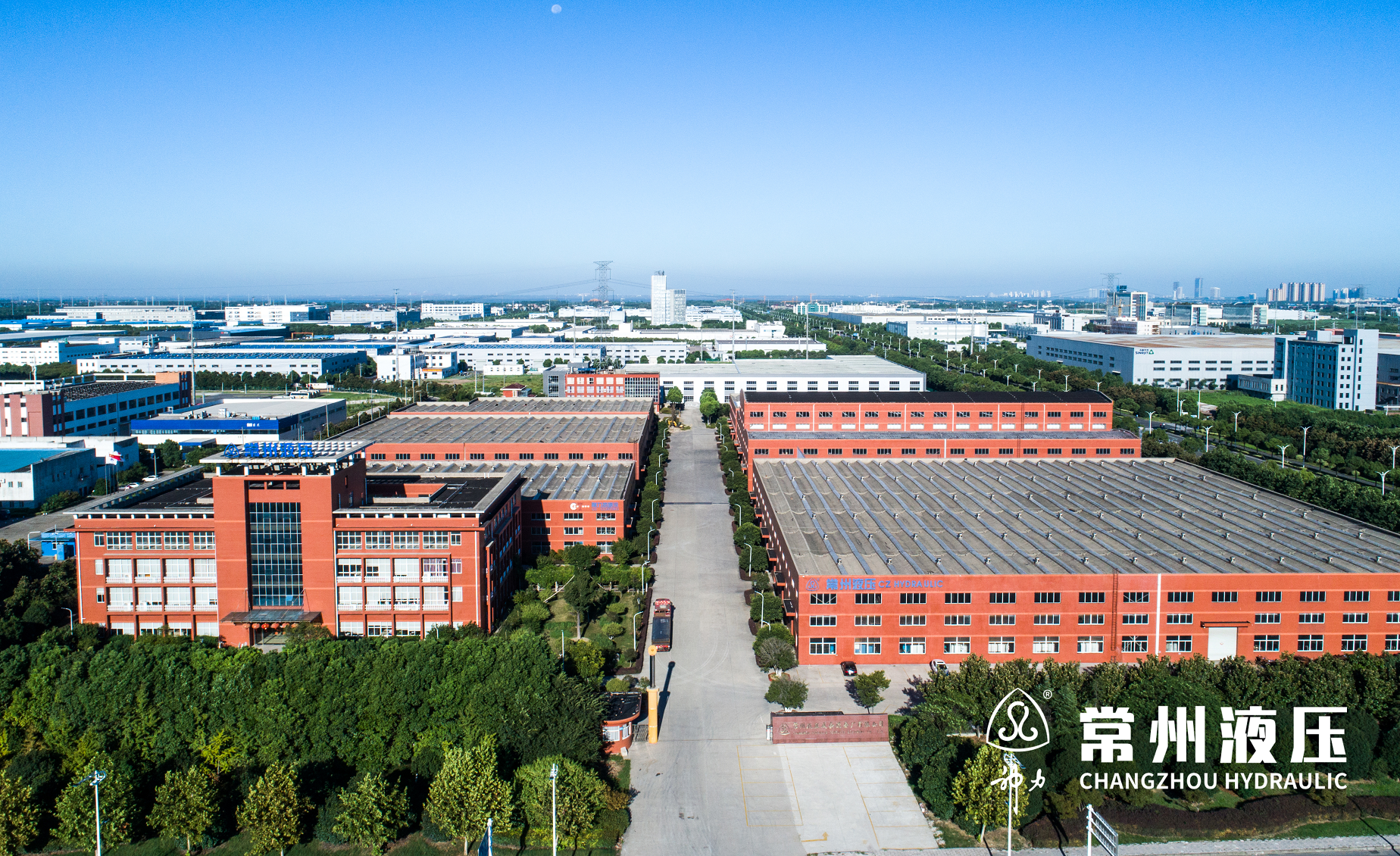
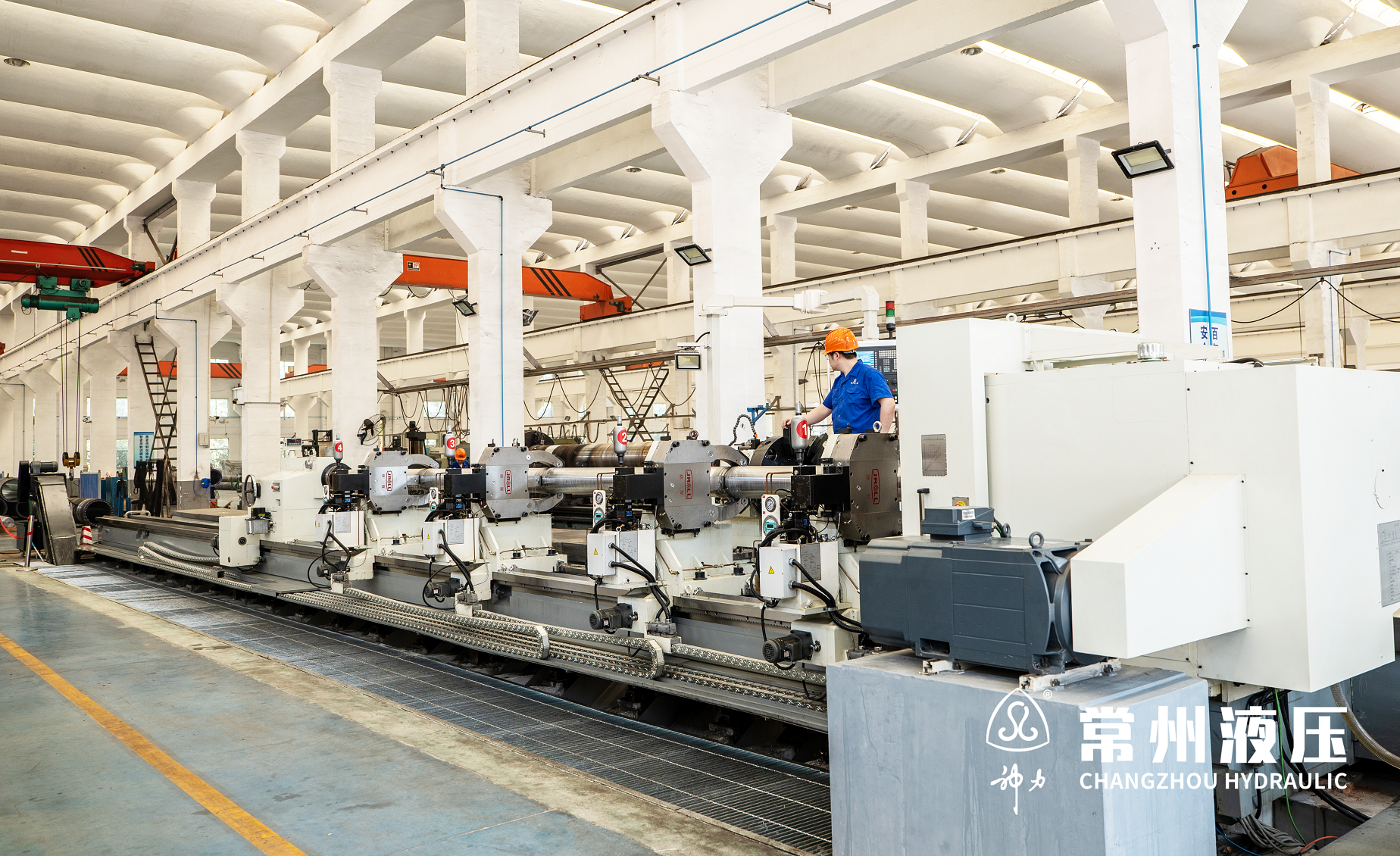
Assess the physical and technological footprint. For example, Changzhou Hydraulic Complete Equipment Co., Ltd., established in 1990, operates a manufacturing facility covering 10,000㎡. The company employs approximately 316 staff, including an R&D team of 20 engineers, and has an annual production capacity of about 120,000 units. Their product and service scope includes complete hydraulic hoist equipment, industrial hydraulic cylinders and control systems, servomotors, thermal spraying, and surface treatment.
3. Verify Quality Assurance and Compliance
Certifications are a baseline indicator of a systematic approach to quality, environment, and safety.
Key international standards to look for include:
- ISO 9001:2015 (Quality Management System): Certifies processes for design, development, production, and service.
- ISO 14001:2015 (Environmental Management System): Indicates environmental responsibility in operations.
- ISO 45001:2018 (Occupational Health and Safety): Demonstrates commitment to workplace safety.
4. Assess Supply Chain and Commercial Terms
Logistical reliability and commercial flexibility are crucial for project planning.
| Factor | Typical Benchmark / Example | Questions for Supplier |
|---|---|---|
| Minimum Order Quantity (MOQ) | Can be as low as 1 unit for standard products. | Does MOQ change for custom designs? |
| Lead Time | Often 15 to 60 days, depending on product complexity and customization. | What is the breakdown for engineering, production, and testing? |
| Payment Terms | Commonly T/T (Telegraphic Transfer). Terms like 50% deposit, 50% before shipment are frequent. | Are other payment methods (LC) available? |
| Shipping & Logistics | Export packaging standard. Common ports include Shanghai. Supply ability may be specified (e.g., 2400 tons/year). | What Incoterms (EXW, FOB, CIF) are offered? What is the experience shipping to your region? |
| Quality Acceptance | 100% testing before delivery is a strong indicator. | Can you provide test reports or witness testing? |
5. Analyze After-Sales Support and Risk Management
A supplier's responsibility extends beyond delivery. Inquire about technical documentation, installation guidance, remote support capabilities, and warranty terms. Proactive suppliers often have documented risk control methods for common issues like corrosion, material failure, installation misalignment, and hydraulic shock, detailing specific preventive measures and work instructions.
Example Supplier Profile: Changzhou Hydraulic Complete Equipment Co., Ltd.
Based on publicly available information, this manufacturer illustrates several points from this guide:
- Background: Founded in 1990, over 35 years of industry experience.
- Markets: Serves global markets including North America, South America, Western Europe, Eastern Europe, Eastern Asia, and Southeast Asia, with exports constituting about 40% of sales.
- Certifications: Holds ISO 9001:2015, ISO 14001:2015, and ISO 45001:2018 certificates.
- Contact: Can be reached via email at zzl@czhydraulic.com or phone/WhatsApp at +86 15906122063.
Conclusion
Effective sourcing of industrial hydraulic cylinders requires a multi-faceted evaluation focusing on precise application needs, verifiable technical and quality credentials, and a reliable commercial framework. By systematically assessing suppliers against these criteria, procurement teams can make informed decisions that ensure long-term operational success and value.
Further Information
For a detailed overview of products, technical specifications, and company capabilities, you can access the company brochure: Download Brochure (PDF).