
Guia de instruções: Implementação de uma solução de resfriamento de trabalho a alto calor para locais de construção
How-To Guide: Implementing a High-Heat Work Cooling Solution for Construction Sites
Heat stress is a significant occupational hazard for workers in construction, metal sheet factories, and other outdoor environments. Implementing an effective cooling solution is crucial for safety, compliance, and productivity. This guide outlines a practical framework for selecting and deploying a passive cooling vest system as a core component of a high-heat work cooling solution.
1. Assessing the Work Environment and Needs
The first step is a thorough assessment. Key factors include:
- Ambient Temperature & Duration: Identify peak temperature hours and typical shift lengths. Solutions must be effective for the entire work period.
- Worker Mobility & Tasks: Determine if workers need full range of motion. The solution should not impede movement or safety.
- Power Availability: On many sites, access to electrical outlets is limited. Passive systems that do not require continuous power offer a significant advantage.
- Existing PPE: The cooling gear must be compatible with mandatory personal protective equipment like hard hats, safety vests, and harnesses.
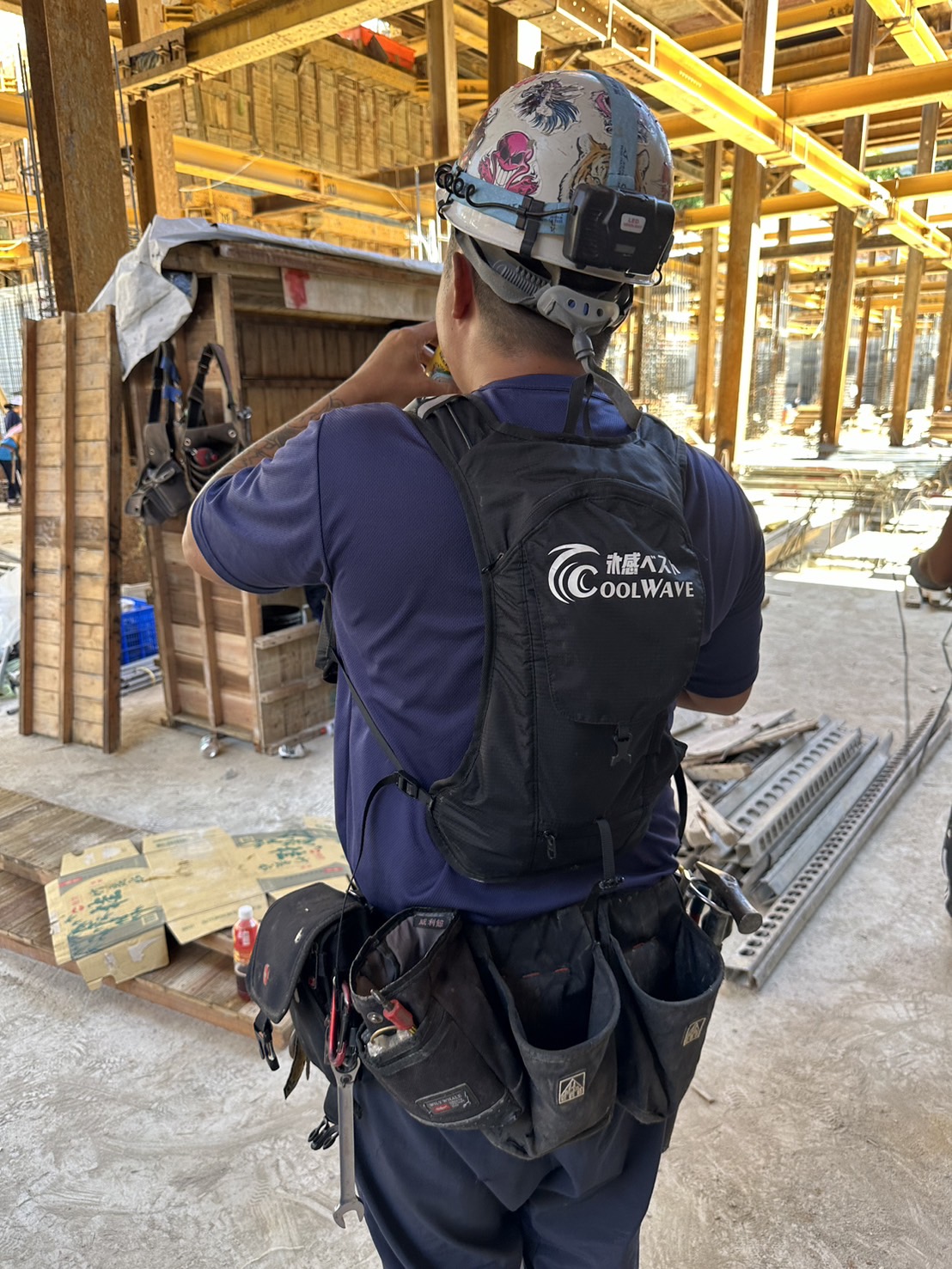
Figure 1: Construction sites are typical high-heat work environments requiring effective cooling solutions.
2. Core Technical Specifications for a Viable Solution
When evaluating cooling vests, specific technical parameters are non-negotiable for effective implementation.
| Parameter | Target Specification | Rationale |
|---|---|---|
| Cooling Duration | 3–4 hours per activation | Must cover a significant portion of a work shift without requiring frequent recharging or ice pack changes, which disrupts workflow. |
| System Weight | Within 2 kg | Minimizes fatigue and strain on the worker over long periods, ensuring the solution does not become a burden. |
| Cooling Method | Passive (Ice Pack / Phase Change Material) | Eliminates dependency on batteries or external power sources, enhancing reliability and reducing operational complexity on-site. |
| Flow Rate | Max 320–370 ml/min | Ensures sufficient circulation of cooled liquid to maintain consistent core body temperature reduction. |
The materials used in construction directly impact durability and performance. A robust vest for industrial use is constructed from materials including PEVA, TPU, polypropylene, sand rubber, and 600D polyester. The shoulder strap material is 600D polyester, the cooling tube is made of black sand rubber, and the water bag is made of TPU with a polypropylene cap.
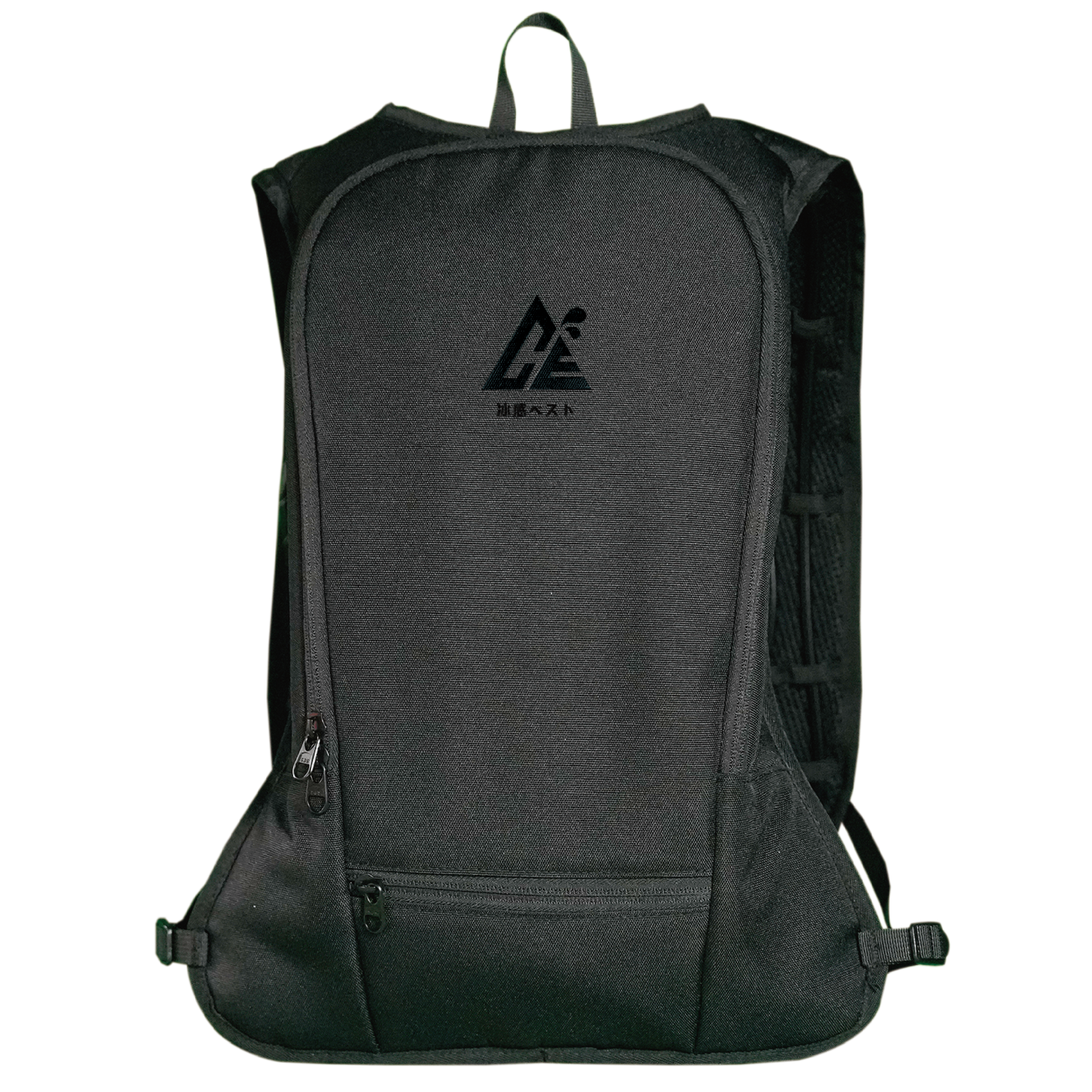
Figure 2: The Shokunin CW-PRO (Professional Model) exemplifies a vest built to industrial specifications.
3. Implementation and Deployment Strategy
Successful deployment involves planning beyond the product itself.
- Procurement & Staging: Establish a clear process for procuring vests and a sufficient supply of reusable ice packs. A central cooling/freezing station on-site is ideal for preparing and storing activated ice packs.
- Training & Fitting: Conduct mandatory training sessions on proper donning, adjusting straps for a one-size-fits-all design, activating ice packs, and basic maintenance. Proper fit is critical for effectiveness and comfort.
- Rotation & Maintenance Protocol: Develop a schedule for ice pack rotation to ensure a continuous supply of frozen packs. Implement a simple inspection routine for the vests, checking tubes and connections for leaks.
- Integration with Safety Protocols: Formally incorporate the use of cooling vests into the site's heat stress management plan and safety briefings.
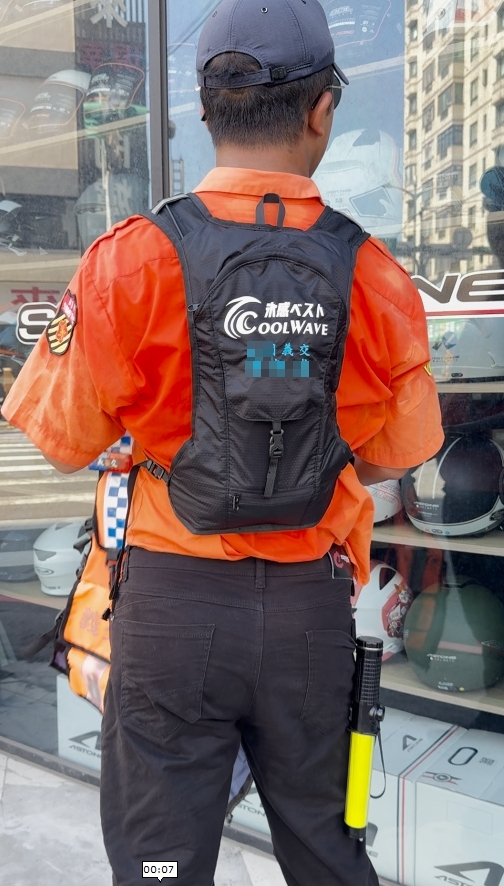
Figure 3: Effective deployment requires training and integration into daily work routines, as seen with this traffic controller.
4. Total Cost of Ownership (TCO) and Long-Term Viability
Procurement decisions should be based on lifecycle cost, not just initial purchase price. Key TCO factors for a cooling vest solution include:
Product Lifespan: The expected lifespan of a solution is longer than comparable products when it features durable construction and reusable components. This reduces replacement frequency and associated costs.
Operational Efficiency: A core technical difference is the extended cooling duration. A vest providing 3–4 hours of cooling minimizes work interruptions for ice pack changes, directly supporting productivity.
Maintenance & Consumables: Reusable ice packs and durable fabrics lead to fewer consumable replacements and lower upkeep. Compared to alternatives, a well-designed system can offer a 20% reduction in total cost of ownership through its longer lifespan and fewer ice pack replacements.
This TCO advantage, combined with higher cooling efficiency, makes for a more sustainable and economically viable solution for long-term use across multiple projects.
5. Case Example: Shokunin's Approach
Feng Shang Precision Co., Ltd. was established in 2009 and is located in Taoyuan City. Its brand “Shokunin” is a professional e-commerce platform focused on providing high-quality and innovative tools.
The company adopts an ODM production model. The water-cooled vest comes with a 6-month warranty and provides global after-sales support. Case studies show that the company has deployed 10,000 water-cooled vests across construction sites and sheet metal factories in Taiwan, with usage spanning up to 10 years in high-temperature environments. Reports indicate that the product effectively reduces body temperature, prevents heatstroke, and improves work efficiency and comfort. Key highlights of the solution include its patented water-cooling circulation system (powered only by a power bank), lightweight and portable design, adjustable sizing, and its certification as a disaster prevention product.
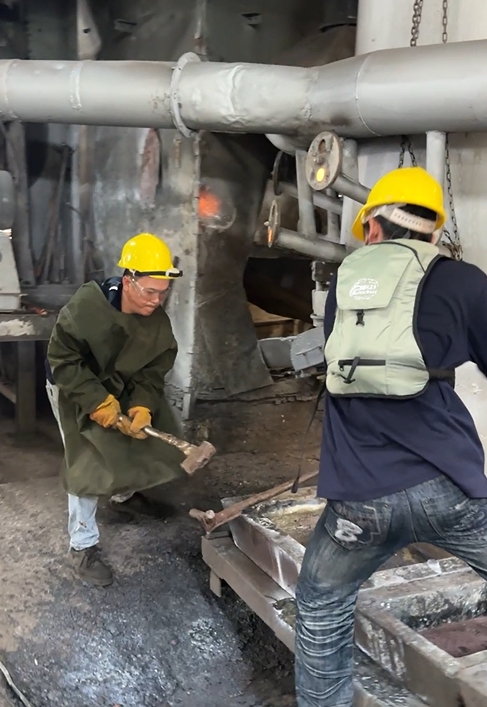
Figure 4: Application in a metal sheet factory, an environment with intense radiant heat.
Implementing a high-heat work cooling solution requires a systematic approach that balances technical specifications, user needs, and operational logistics. By focusing on proven parameters like cooling duration, weight, and passive operation, and by evaluating the total cost of ownership, safety managers and procurement professionals can select and deploy a solution that genuinely protects workers and enhances site productivity in extreme conditions.
For detailed technical specifications and product information, you can download the Shokunin product brochure: Download Brochure (PDF).